Introduction & Synopsis: The Heartbeat of a Village
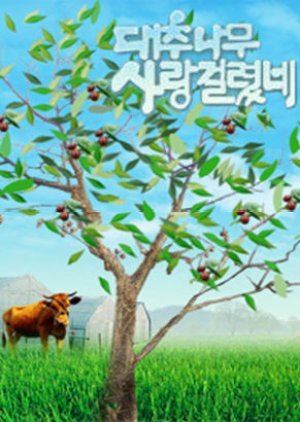
Before the slick urban romances and high-stakes thrillers that define the modern Hallyu wave, there was a drama that captured the very soul of rural Korea. Love on a Jujube Tree (대추나무 사랑걸렸네) is the quintessential Korean countryside epic, a sprawling, heartwarming series that chronicles the daily lives, quiet loves, and gentle conflicts of a multi-generational family and their neighbors in a traditional farming village. The narrative revolves around the steadfast family patriarch (Kim In-moon), his sons, and their wives, who navigate the challenges of farming, uphold family traditions, and deal with the inevitable friction that arises from living in close quarters. It’s a story told not through grand events, but through the changing of seasons, the sharing of meals, and the simple, profound moments that bind a community together.
Aired for an astonishing 17 years starting in 1990, this KBS1 production became a cultural institution, offering a comforting and nostalgic portrait of a way of life that was rapidly disappearing. For global fans, it is a foundational text—a window into the values and aesthetics that shaped Korean television for decades.
Deep Cultural/Historical Insight: The Korea of Yesterday
To understand Love on a Jujube Tree, one must understand the Korea of the 1990s. The nation was in the throes of explosive economic growth and rapid urbanization. Millions had left their rural hometowns for the promise of Seoul, creating a society grappling with a profound sense of cultural dislocation. This drama served as a powerful antidote to that anxiety. It was a weekly return to the *gohyang* (hometown), a nostalgic anchor in a sea of change.
The series is a masterclass in the Korean concept of Jeong (정). This untranslatable term refers to a deep, emotional connection and attachment that forms within a community. It’s the feeling that makes a neighbor’s joy your own and their sorrow a shared burden. In the drama, Jeong is visible everywhere: in the unsolicited but well-meaning advice from village elders, the sharing of a freshly harvested crop, and the collective effort to help a family in need. For a global audience accustomed to Western individualism, this portrayal of profound interconnectedness is a key cultural insight.
Furthermore, the drama explores the deep-seated connection between Koreans and the land. In the post-war era, land ownership was not just a source of income; it was a symbol of stability, family legacy, and ancestral ties. The series often portrays the quiet dignity of agricultural labor and the generational conflict between elders who revere the soil and a younger generation tempted by the comforts of city life.
Narrative Analysis: The Poetry of the Everyday
Unlike contemporary K-dramas driven by intricate plots and shocking twists, the storytelling in Love on a Jujube Tree is deliberately paced and observational. Its narrative structure mirrors the cyclical nature of farm life. The plot unfolds not in a straight line, but in seasons. Spring is for planting and new beginnings, summer for enduring hardship, autumn for reaping rewards, and winter for reflection and family togetherness. The conflicts are refreshingly mundane yet deeply human: a disagreement between a father and son over farming methods, the subtle tensions between a mother-in-law and daughter-in-law, or the community’s gentle gossip about a budding romance.
The drama’s enduring power lies in its authenticity. The dialogue feels unscripted, the relationships lived-in, and the setting genuine. It finds drama in the small details—a disappointing harvest, a child’s school exam, the marriage of a neighbor’s daughter. It teaches that a meaningful life is not built on grand achievements but on a foundation of daily responsibilities, small kindnesses, and enduring relationships. This slice-of-life approach offers a therapeutic viewing experience, a comforting reminder of the beauty in the ordinary.
The Pulse of the Time: A National Institution
During its broadcast, Love on a Jujube Tree was more than just a popular show; it was a fixture in the Korean household, earning the nickname “the national drama.” It consistently garnered high viewership ratings, becoming appointment television for entire families, from grandparents to grandchildren. Its wholesome content and relatable characters made it a safe and beloved viewing experience in an era before fragmented, on-demand streaming.
The show’s theme song is instantly recognizable to millions of Koreans, evoking a powerful sense of nostalgia. The characters became like extended family members to the public. Viewers watched the actors—and their characters—grow and age in real-time over its 17-year run, forging an unprecedented bond between the screen and the audience. It wasn’t just entertainment; it was a cultural document and a source of national comfort.
Cast Spotlight: The Faces of a Generation
The ensemble cast was pivotal to the drama’s success, with many actors becoming synonymous with their roles for life.
Kim In-moon as The Patriarch
As the stoic and wise grandfather at the center of the family, Kim In-moon delivered a performance that would define his career. He embodied the traditional Korean father figure—stern and reserved on the surface, but with a deep well of love for his family. His portrayal was so iconic that he became one of Korea’s definitive “national fathers,” a symbol of the passing generation’s resilience and quiet strength.
Kim Sang-soon & Seo Seung-hyun
As one of the central couples, Kim Sang-soon and Seo Seung-hyun represented the generation caught between tradition and modernity. Their performances captured the everyday struggles of running a farm, raising children, and navigating the complex web of family expectations. Their on-screen chemistry and relatable portrayals made them a beloved television couple, grounding the sprawling narrative with a core relationship that viewers could root for.
Global Viewing Guide
For fans looking to explore this classic piece of Korean television history, several platforms are good starting points:
- KBS Classic YouTube Channel: As the original broadcaster, KBS frequently uploads full episodes of its classic dramas. While subtitles can be inconsistent, it is the most direct source for the original content.
- KBS World TV YouTube: This channel may feature clips, special compilations, or even full episodes of classic shows tailored for a global audience with official subtitles.
- Streaming Services: Platforms like Kocowa (which is co-owned by KBS) or Viki sometimes acquire licenses for older, classic titles. Check these platforms periodically, as their libraries are updated and availability can vary by region.
Final Verdict
For viewers seeking an authentic glimpse into the heart of traditional Korean life, free from the gloss of modern K-drama tropes, Love on a Jujube Tree is an essential and deeply moving historical document. It is not a show to be binge-watched for plot twists, but a slow, comforting journey to be savored. It’s a visit to the grandmother’s house you never had, filled with the warmth of shared meals and the enduring power of community.
Tags
Love on a Jujube Tree, Classic K-Drama, Rural Drama, 1990s Korea, KBS Drama, Kim In-moon, Family Drama, Slice of Life, Korean Culture, Jeong

The KCulture Editorial Team is dedicated to providing deep insights and accurate information about the vibrant world of Korean culture.