
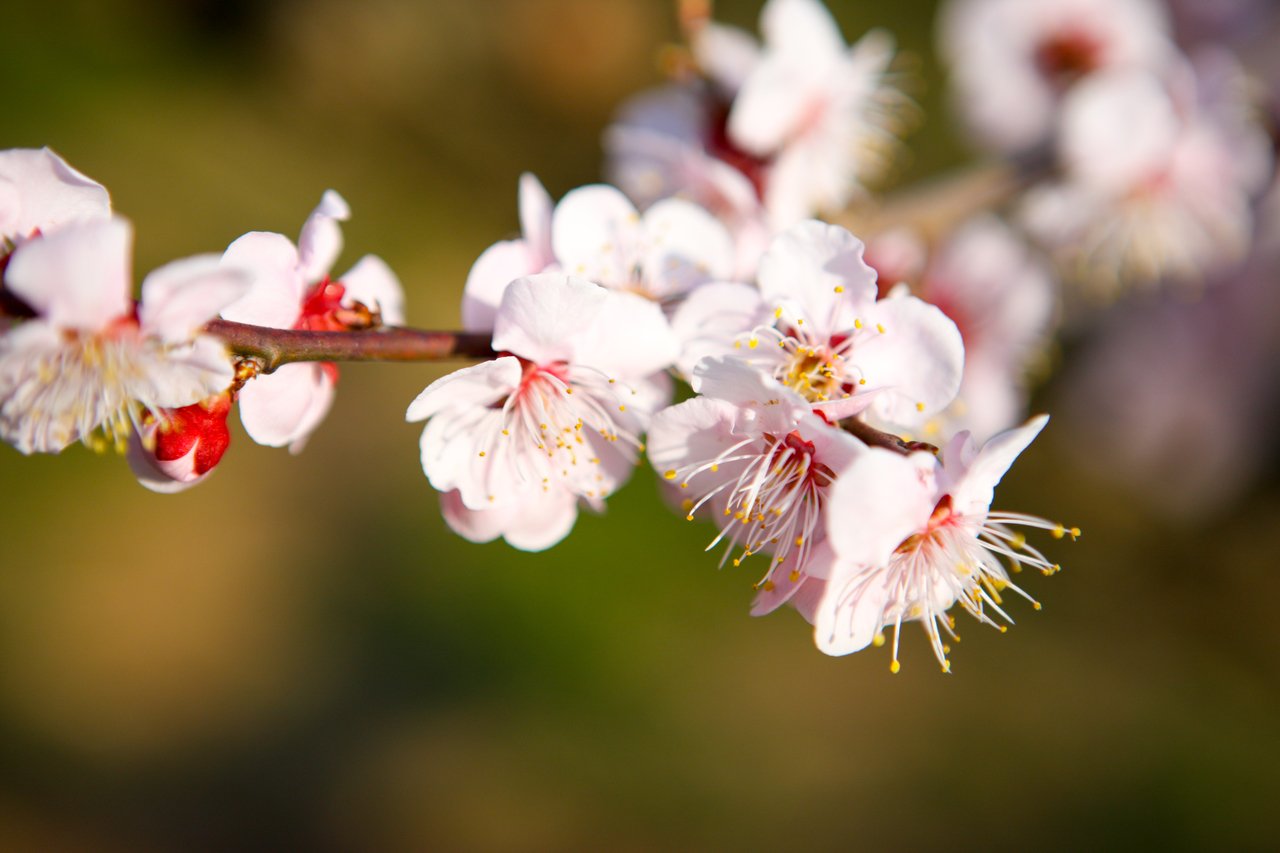
What defines the beginning of spring in Korea? While many travelers eagerly await the cherry blossoms, the true herald of the season is the Maehwa (Plum Blossom / The flower of Prunus mume). Before the winter frost fully disappears, these resilient flowers bloom, signaling the start of the “flower viewing” season. For locals, a trip to see Maehwa is not just about sightseeing; it is a cultural ritual of appreciating nature’s awakening, often accompanied by local seasonal delicacies.
If you are interested in the broader spectrum of Korea’s floral timeline, from the lingering winter blooms to the full explosion of spring, you might find these guides helpful:
- For those arriving in late winter: Exploring the Red Winter: Korean Camellia Blooming Guide
- For a complete spring overview: Beyond Cherry Blossoms: Guide to Korea’s Most Beautiful Spring Flowers
Living in Korea, I have learned that the best travel experiences often come from following the flowers. In this guide, I will take you through everything you need to know about Maehwa travel in Korea—from the deep cultural meaning behind these blooms to the best festivals, hidden photo spots, and the specific foods you must try in each region.
- The Soul of Spring: Cultural Significance of Maehwa
- Decoding the Blooms: How to Identify Maehwa
- Regional Maehwa Blooming Schedule (2020-2025 Average)
- 2026 Best Maehwa Travel Destinations
- Local Insider Tips: Weather, Food, and Photography
- FAQ: Planning Your Spring Trip
The Soul of Spring: Cultural Significance of Maehwa
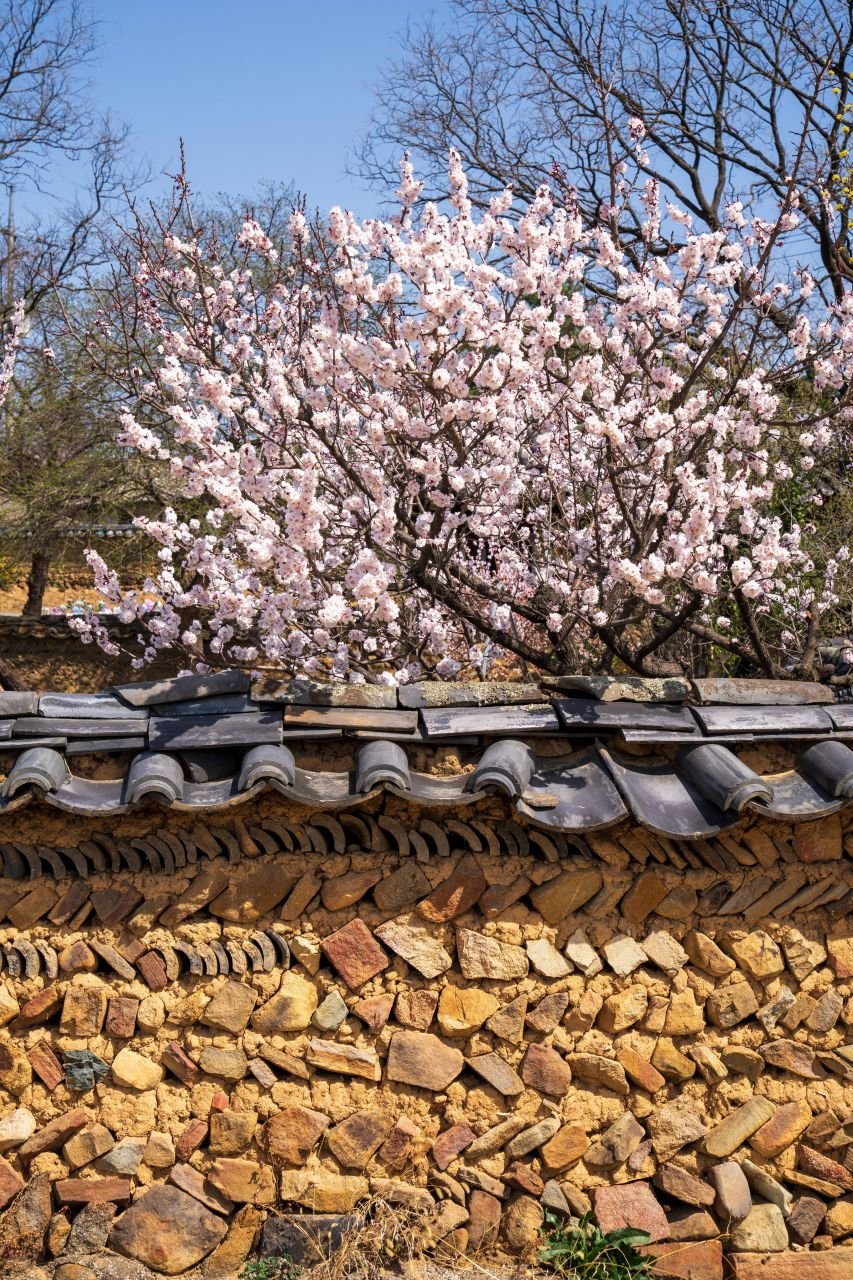
In Korea, traveling to see flowers is deeply rooted in history. It reflects a traditional appreciation for Pungryu (the enjoyment of nature and arts). Unlike the cherry blossom, which symbolizes a fleeting, explosive beauty, the Maehwa represents resilience, nobility, and the promise of life.
The Harbinger of Spring
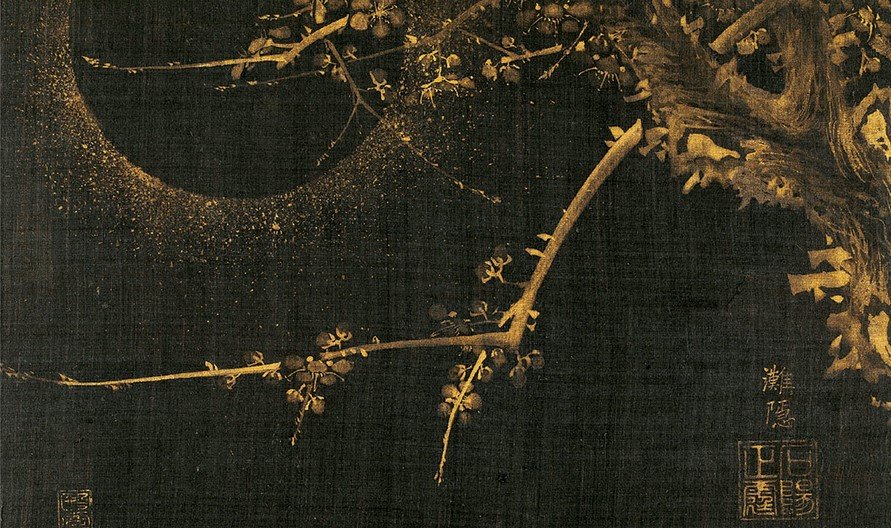
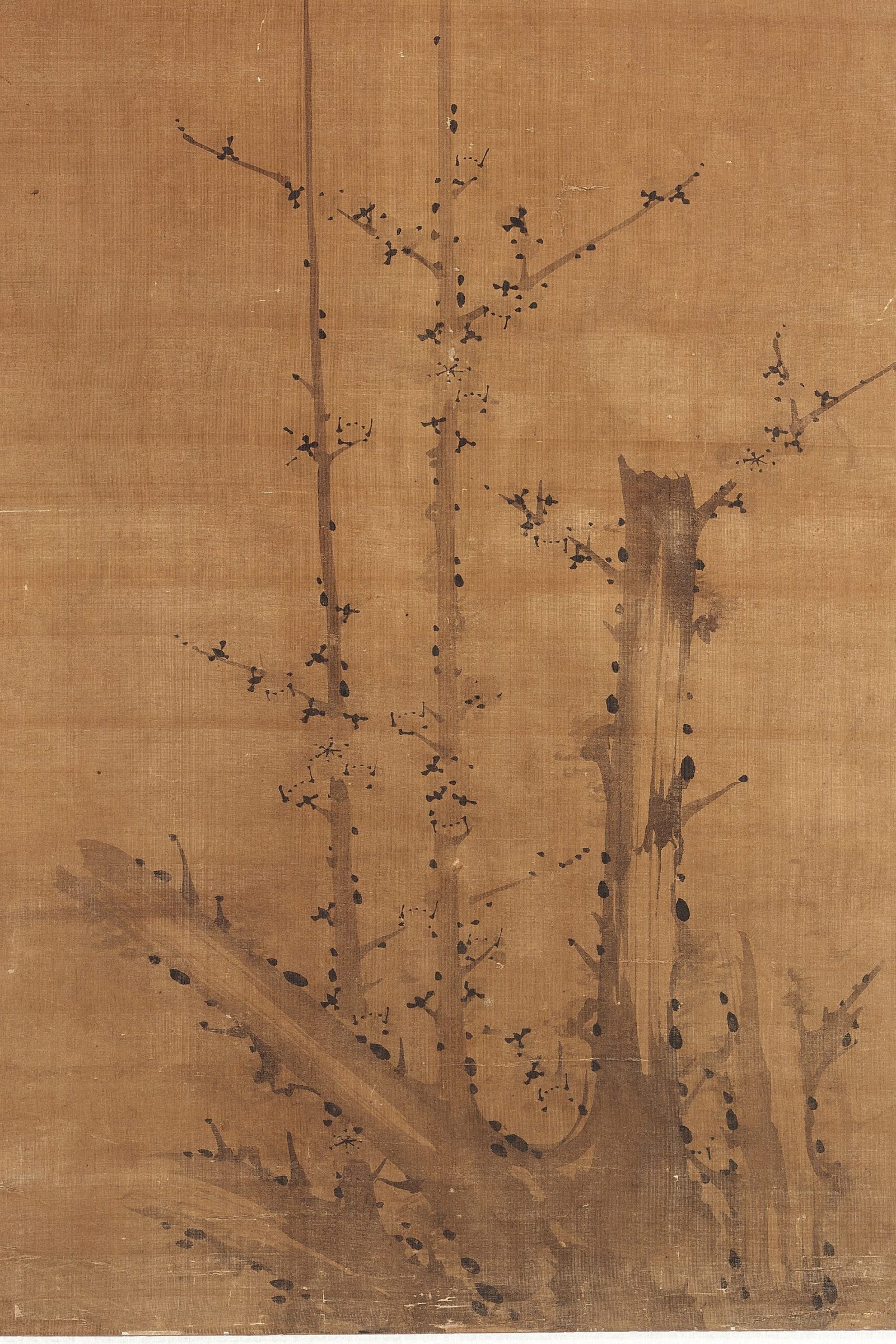
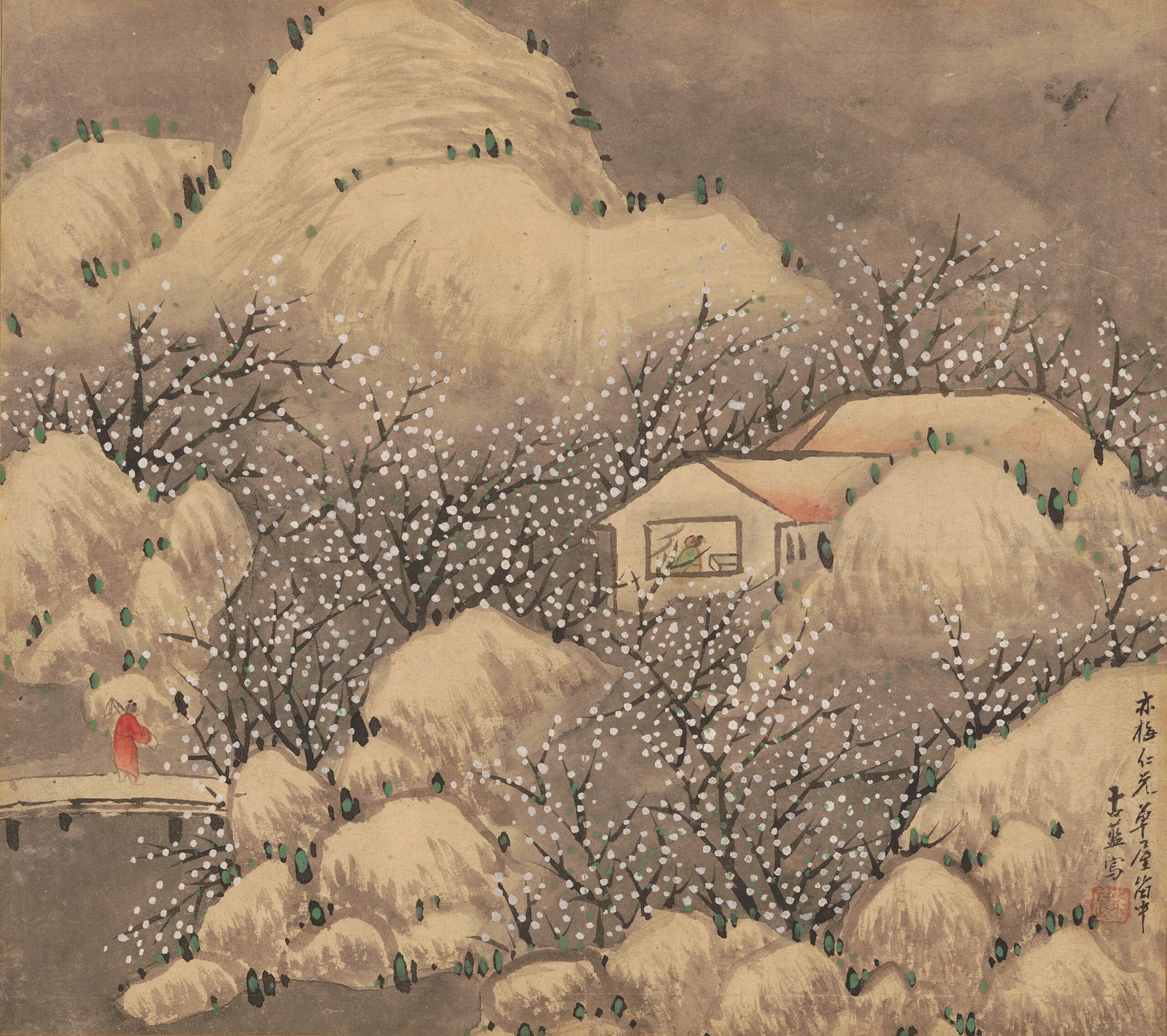
Maehwa (매화) is known as the “Harbinger of Spring” because it blooms while the snow is still melting. Historically, Korean scholars, known as Seonbi, admired the Maehwa as one of the “Four Gracious Plants” (Sagunja) alongside orchids, chrysanthemums, and bamboo. They saw the flower’s ability to bloom in the cold as a symbol of integrity and an indomitable spirit.
From Flower to Table: The Magic of Maesil
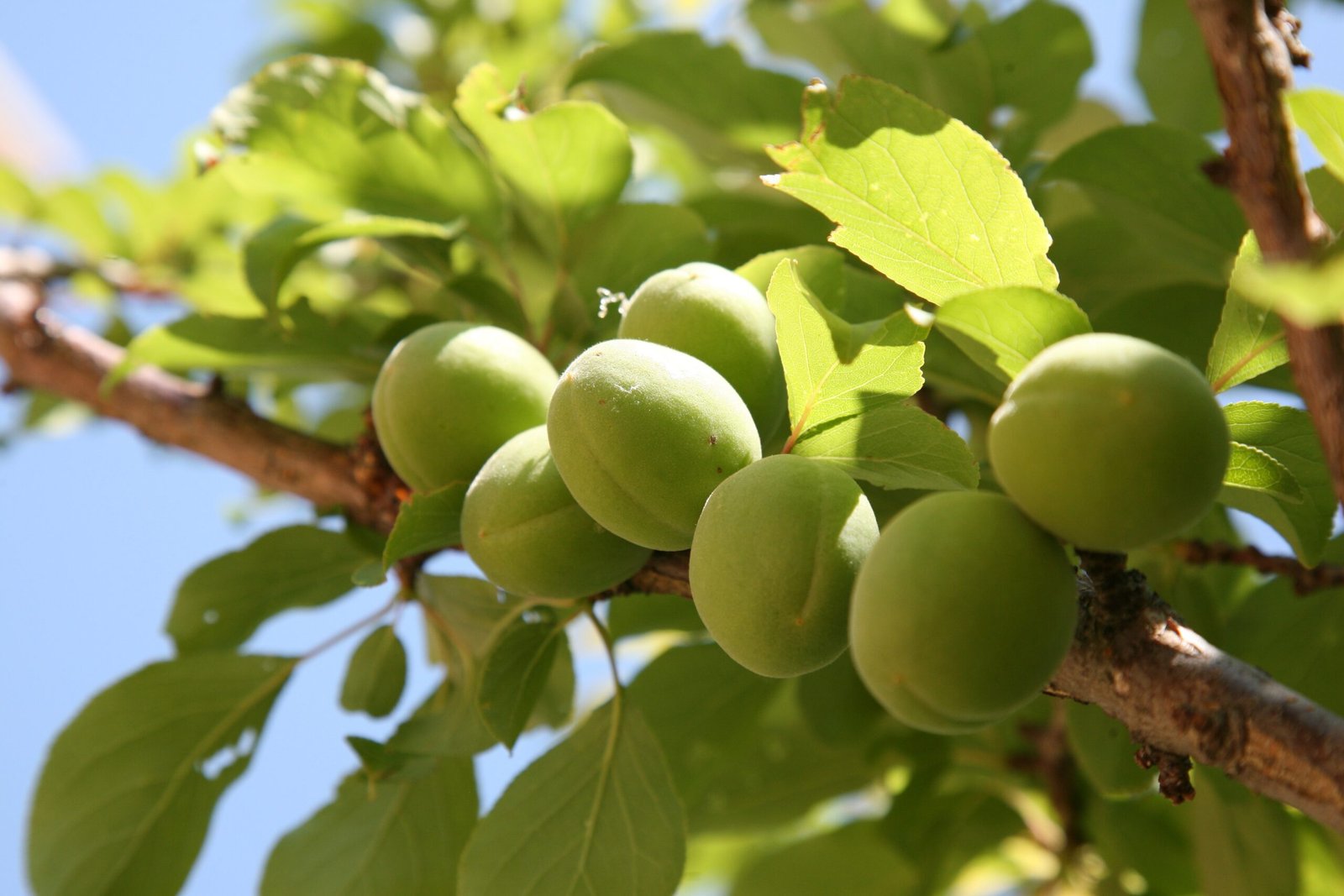
The journey of the Maehwa doesn’t end when the petals fall. Around June, the trees bear fruit known as Maesil (Green Plum). This fruit is a cornerstone of Korean culinary culture.
- Maesil-cheong (Plum Extract): Almost every Korean household has a jar of this. It is used as a natural sweetener in cooking and a powerful home remedy for digestion.
- Maesil-ju (Plum Wine): A sweet, fragrant alcohol made by aging the plums. Tasting this wine during your flower tour completes the full circle of the Maehwa experience.
Decoding the Blooms: How to Identify Maehwa
To the untrained eye, spring flowers can look similar. However, distinguishing the types of Maehwa will elevate your viewing experience.
| Type | Korean Name | Key Characteristics |
|---|---|---|
| White Plum | Baekmae (백매) 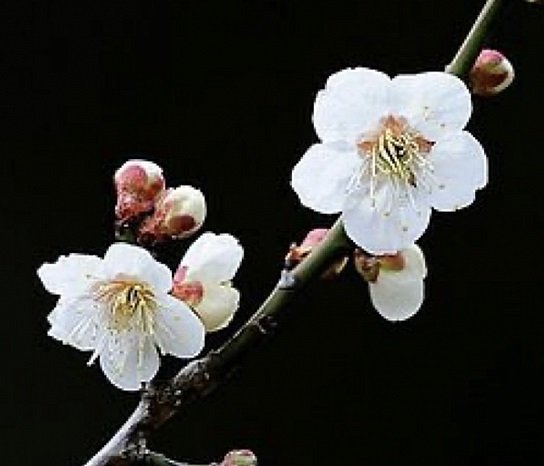 | Pure white petals with a reddish calyx. The classic, elegant standard. |
| Green Plum | Cheongmae (청매) 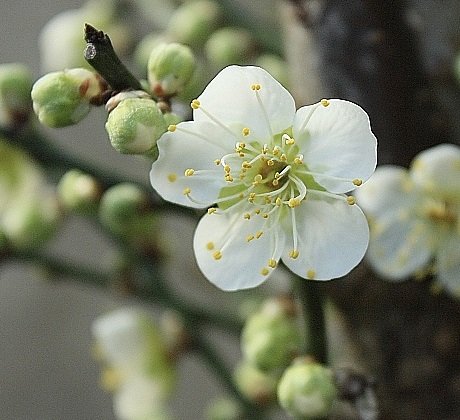 | White petals but with a distinct green calyx and stems. Known for a cleaner, sharper scent. |
| Red Plum | Hongmae (홍매) 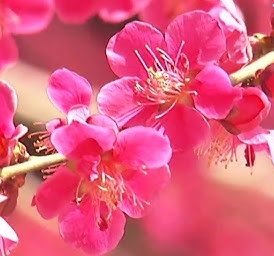 | Vibrant pink or red petals. Highly photogenic and popular for portraits. |
| Weeping Plum | Neungsu-mae (능수매)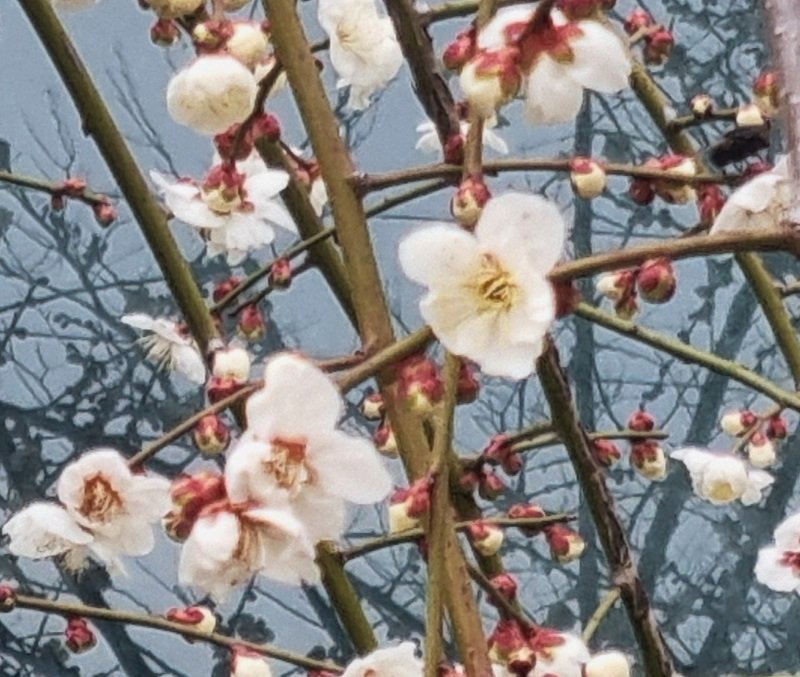 | Branches droop down like a willow tree, creating a dramatic, cascading effect. |
💡 Insider Note: You might hear about “Heukmae” (Black Plum). This isn’t actually black, but a deep, dark red Hongmae. It is rare and mysterious, most notably found at Hwaeomsa Temple.
Regional Maehwa Blooming Schedule (2020-2025 Average)
Maehwa is more cold-resistant than cherry blossoms, appearing first among spring flowers. The bloom spreads from south to north and from the coast to the inland. Below is the estimated schedule based on recent data.
| Region | Major Cities / Areas | Expected Start | Expected Peak (Full Bloom) |
|---|---|---|---|
| Jeju Island | Seogwipo, Jeju City | Late Jan ~ Early Feb | Mid Feb ~ Late Feb |
| South Coast | Busan, Tongyeong, Geoje | Mid Feb ~ Late Feb | Late Feb ~ Early Mar |
| Major Mountains | Gwangyang, Hadong (Seomjin River) | Late Feb ~ Early Mar | Mar 10 ~ Mar 20 |
| South Inland | Daegu, Gwangju, Pohang | Early Mar ~ Mid Mar | Mid Mar ~ Mar 20 |
| Central / Jeonbuk | Daejeon, Jeonju | Mid March | Mar 20 ~ Mar 25 |
| Capital / Gangwon | Seoul, Incheon, Chuncheon | Mar 20 ~ Mar 25 | Late Mar ~ Early Apr |
2026 Best Maehwa Travel Destinations
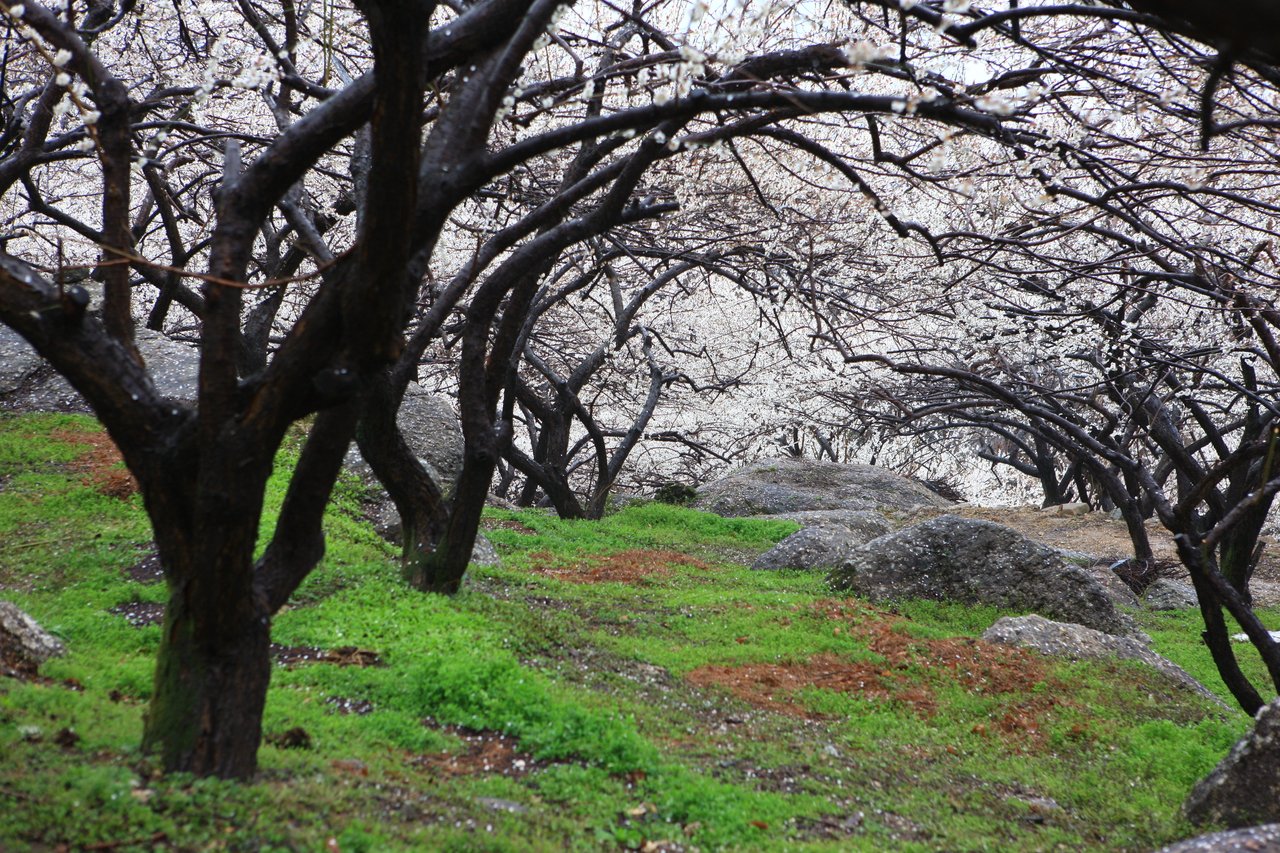
For the 2026 spring season, here are the top four locations where you can immerse yourself in the white and pink waves of plum blossoms.
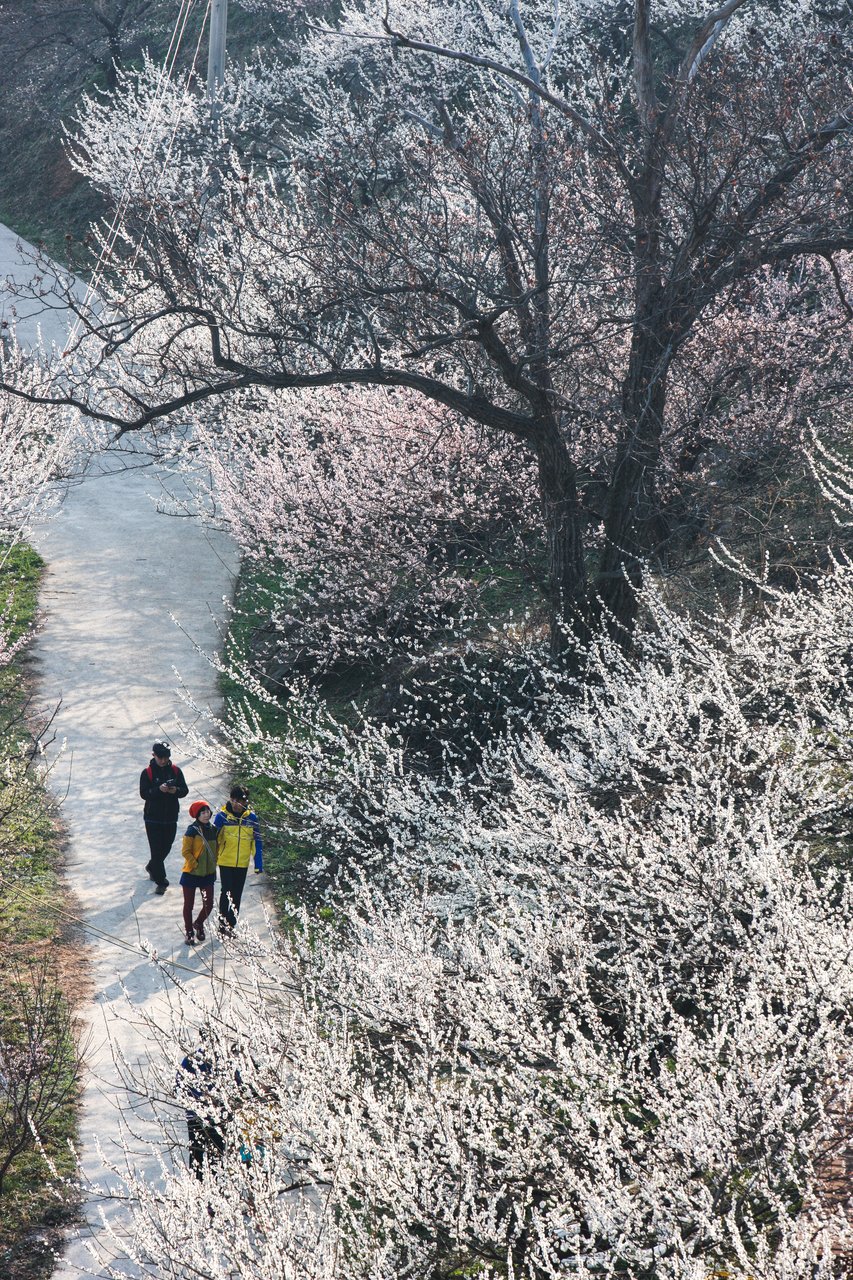
1. Gwangyang Maehwa Village (광양 매화마을)
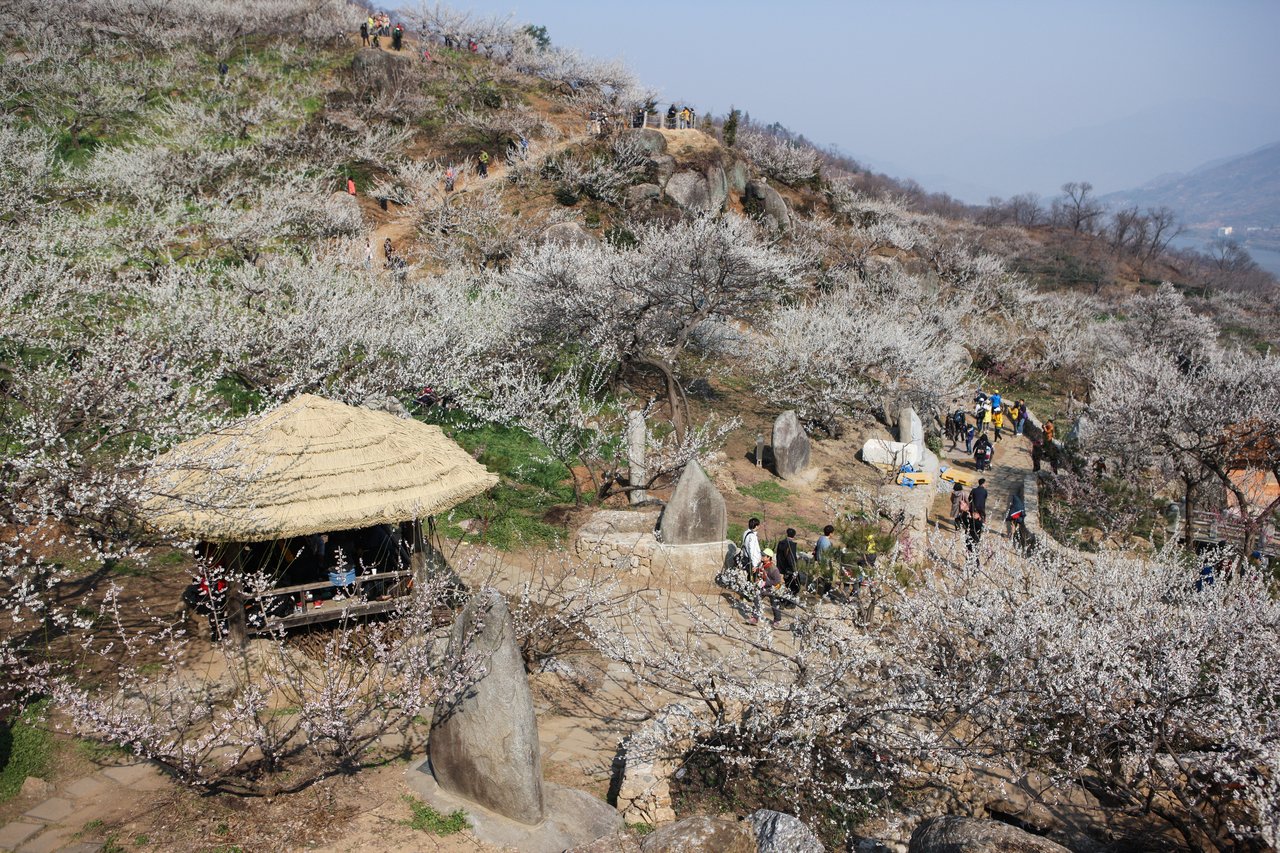
This is the undisputed capital of plum blossoms in Korea. The “village” is actually a vast hillside farm known as Cheong-Maesil Farm (청매실농원) in Daap-myeon. It offers a landscape where the mountain, the Seomjin River, and millions of white blossoms create a paradise-like scene.
[Practical Travel Info]
- Exact Location: 55 Jimak 1-gil Daap-myeon Gwangyang-si Jeollanam-do
- How to Get There (From Seoul):
- Train + Taxi (Recommended): Take the KTX to Suncheon Station (approx. 2.5 hours). From there, take a taxi to the village (approx. 40–50 minutes, costing around 40,000 KRW).
- Bus: During the festival, temporary shuttle buses often run from Gwangyang city center, but they can be crowded.
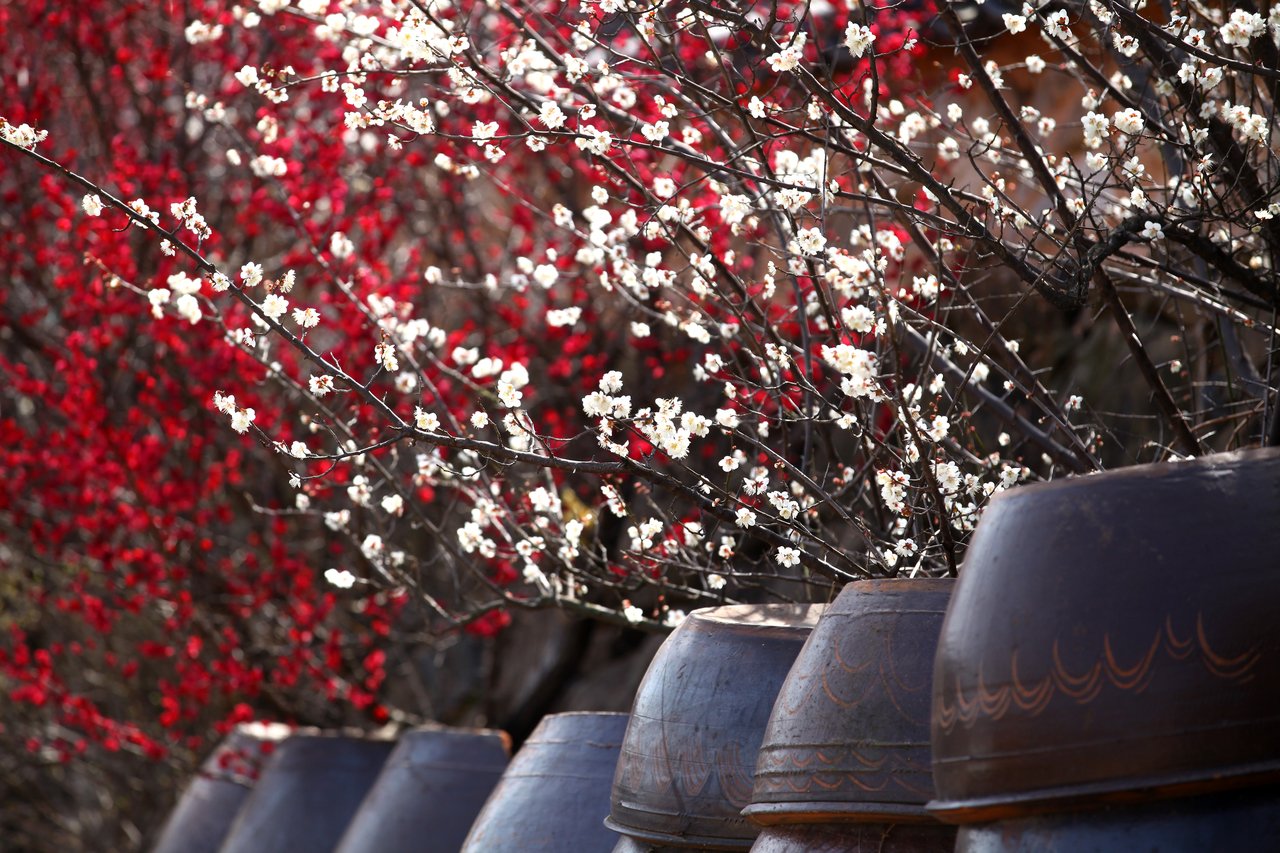
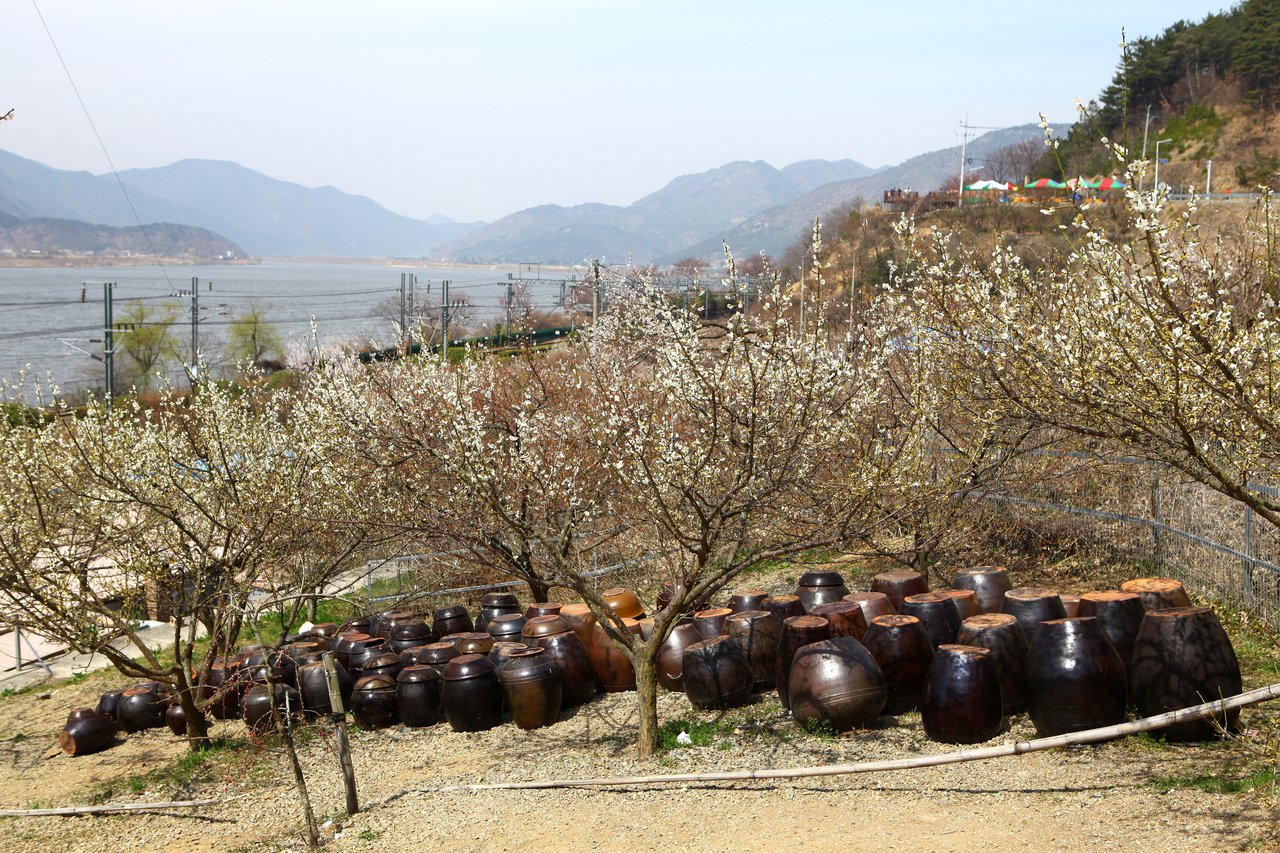
- Viewing Point (Must-Visit): Hike up to the Jangdokdae (Earthen Jar Platform). The view of over 2,000 traditional Korean pottery jars with the white plum blossoms and the river in the background is the most iconic photo spot in Korea.
[Festival & Culture: Gwangyang Maehwa Festival]
- Predicted Date (2026): Early March ~ Mid-March (Expected duration: approx. 10 days).
- What to Expect: Beyond the flowers, the festival is a celebration of “Maesil.” You can taste Maesil Highball, buy locally made plum extracts, and enjoy busking performances.
- Insider Tip: Arrive before 7:00 AM. By 9:00 AM, the road to the village becomes a massive parking lot. Early morning mist over the river makes the view even more mystical.
[Food & Nearby]
- Must-Eat: Gwangyang Bulgogi (Grilled seasoned beef) and Jaecheop-guk (Marsh clam soup).
- Nearby Gem: Ssanggyesa Temple in Hadong is just across the Namdo Bridge. Combining Gwangyang (Plum) and Hadong (Green Tea/Cherry Blossom road) is a perfect 2-day itinerary.
2. Yangsan Wondong Maehwa Village (양산 원동 매화마을)
If Gwangyang is grand and mountainous, Yangsan Wondong is romantic and nostalgic. The key charm here is the railway track running right beside the blooming trees and the Nakdong River.
[Practical Travel Info]
- Exact Location: Around Wondong Station (Wondong-myeon, Yangsan-si, Gyeongsangnam-do).
- How to Get There (Best Method): Take the Train. Drive is discouraged due to traffic. Take the Mugunghwa-ho train and get off at Wondong Station. The moment you step off the train, you are in the flower village.
- Viewing Point: Sunmaewon (순매원) Observation Deck. This is a private plum farm open to the public during the season. From the wooden deck, you can capture the famous shot of the train passing through the tunnel of flowers.
[Festival & Culture: Wondong Maehwa Festival]
- Predicted Date (2026): Around the second or third weekend of March (e.g., March 14–15 estimate).
- Experience: This is a “lifestyle” festival. Locals set up tables under the plum trees to eat and drink.
- Must-Eat (Unique Culture): Minari Samgyeopsal. Wondong is famous for its clean water parsley (Minari). In spring, greenhouses turn into pop-up restaurants where you grill pork belly (Samgyeopsal) with fresh, raw Minari. It is a flavor combination you will never forget.
[Nearby Attractions]
- Tongdosa Temple: A UNESCO World Heritage site nearby, famous for its “Ja-jang-mae” (Red Plum), which often blooms earlier than the river Maehwa.
- Eden Valley Luge: For travelers looking for activity after flower viewing, this nearby resort offers exciting luge tracks.
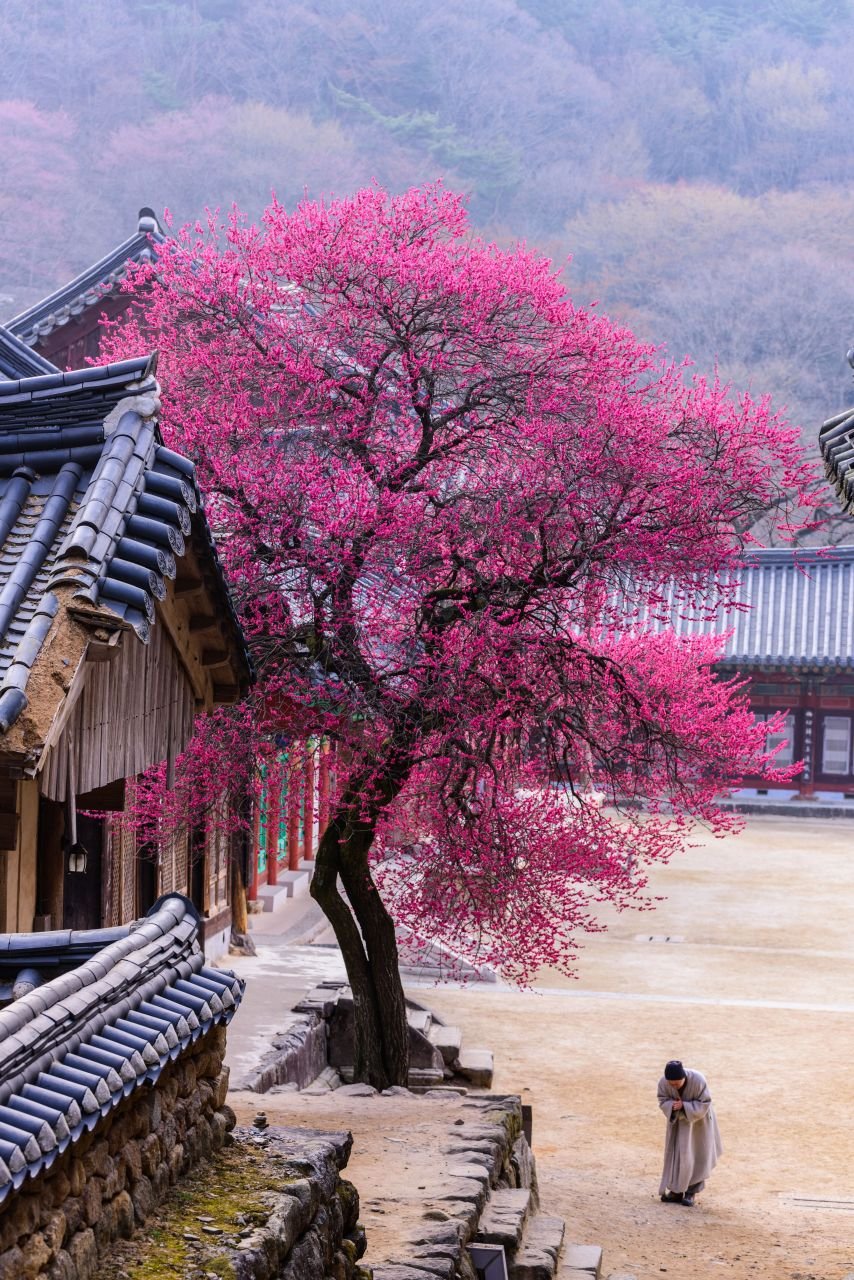
3. Gurye Hwaeomsa Temple (구례 화엄사)
For a more spiritual and aesthetic experience, visit this ancient temple near Jirisan Mountain.
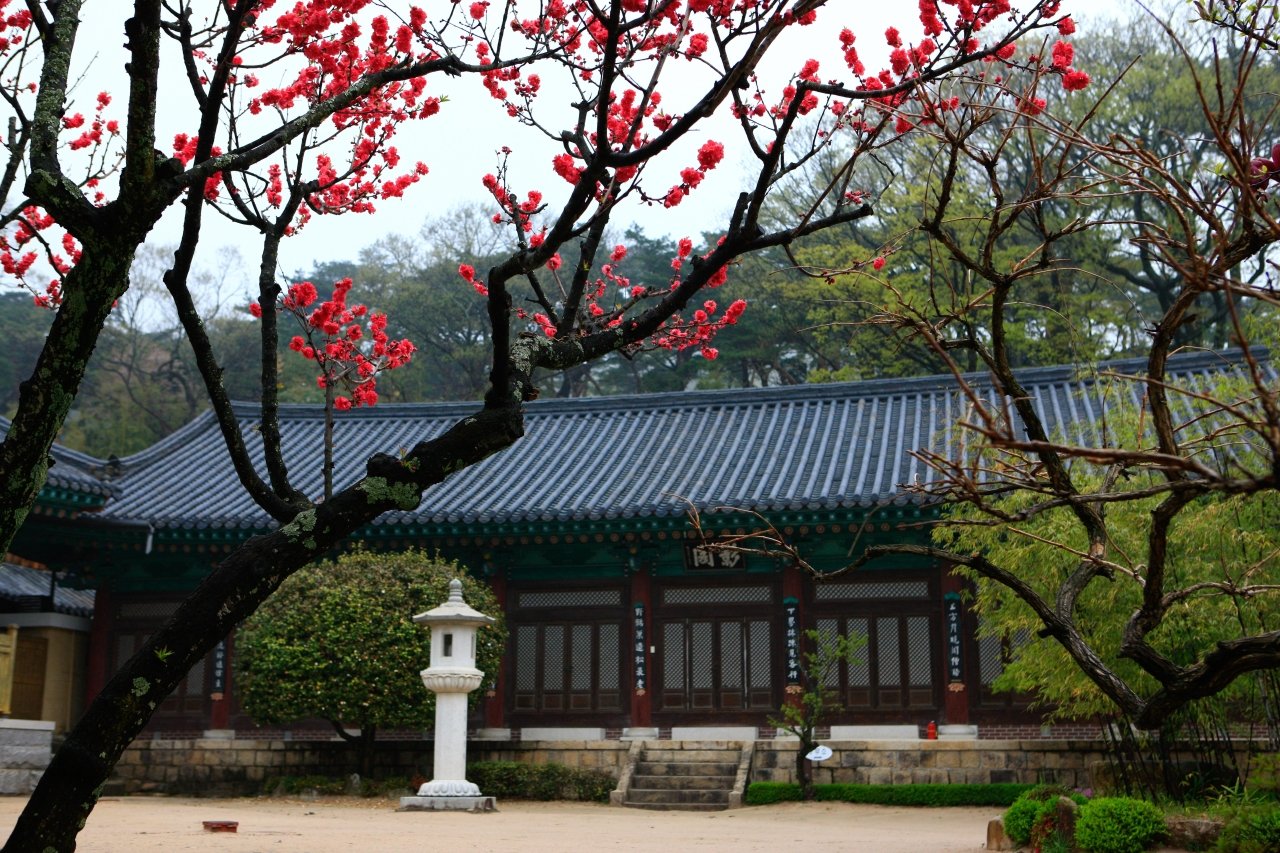
- The Highlight: The legendary Heukmae (Dark Red Plum) tree next to Gakhwangjeon Hall. It usually blooms a bit later than other varieties (Mid to Late March).
- The Vibe: Solemn, colorful, and deeply historical. The contrast between the dark wooden temple architecture and the vivid red flowers is breathtaking.
- Nearby: If you visit in mid-March, you can also see the yellow Cornelian Cherry (Sansuyu) flowers in the nearby Gurye Sansuyu Village.
4. Bongeunsa Temple & Changdeokgung Palace (Seoul)
You don’t have to leave Seoul to see Maehwa.
- Bongeunsa (봉은사): Located in Gangnam. The Red Plum (Hongmae) blooming next to the main hall is a favorite spot for photographers capturing the blend of traditional Buddhism and the modern city skyline.
- Changdeokgung (창덕궁): The Plum Blossoms near Nakseonjae Hall and the Secret Garden offer a royal elegance. Wearing a Hanbok here adds to the immersion.
*Note: Access to the Secret Garden requires a separate reservation which sells out quickly.
Essential Guide: How to Book Changdeokgung Secret Garden & Jongmyo Online (2026)
Local Insider Tips: Weather, Food, and Photography
1. Beware of “Ggot-saem-chuwi”
There is a beautiful but chilly Korean term: Ggot-saem-chuwi (꽃샘추위), which translates to “The cold that is jealous of the flowers.” Even if it looks sunny, the wind in late February and March can be freezing.
- Dress Code: Do not wear thin spring clothes yet. Wear layers, a light down jacket, or a coat with a scarf. Heat packs (Hot packs) are still useful.
2. Cultural Food Pairing
Traveling in Korea is 50% visual and 50% gustatory. When visiting these regions, don’t just look at the flowers. Stop by a local market or restaurant to drink Maesil-cha (Plum Tea) or Maesil-ju (Plum Wine). It connects your taste buds to the scenery you are viewing.
3. Photography Advice
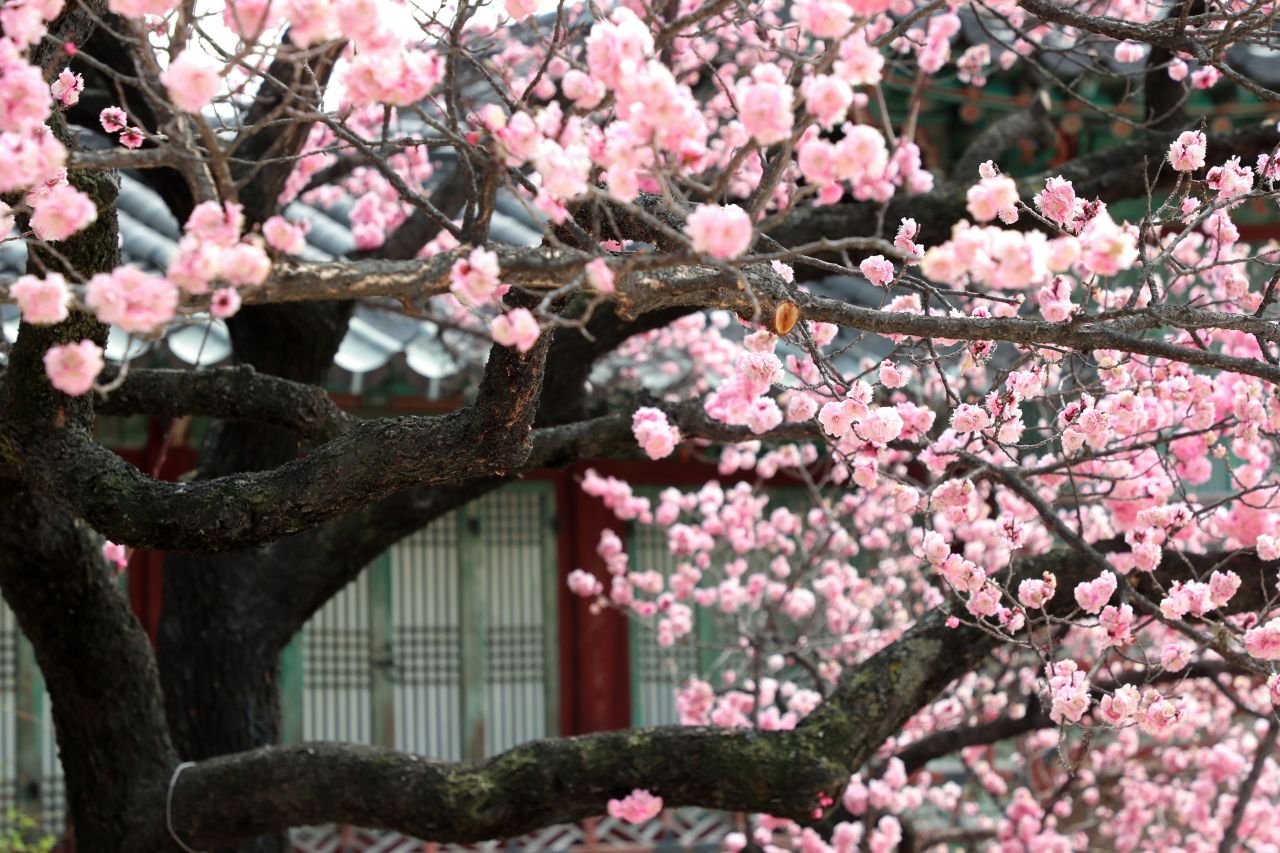
Unlike the dense clusters of cherry blossoms, Maehwa is admired for the lines of its branches.
- Technique: Use the sky as a negative space to highlight the twisted, artistic shapes of the branches.
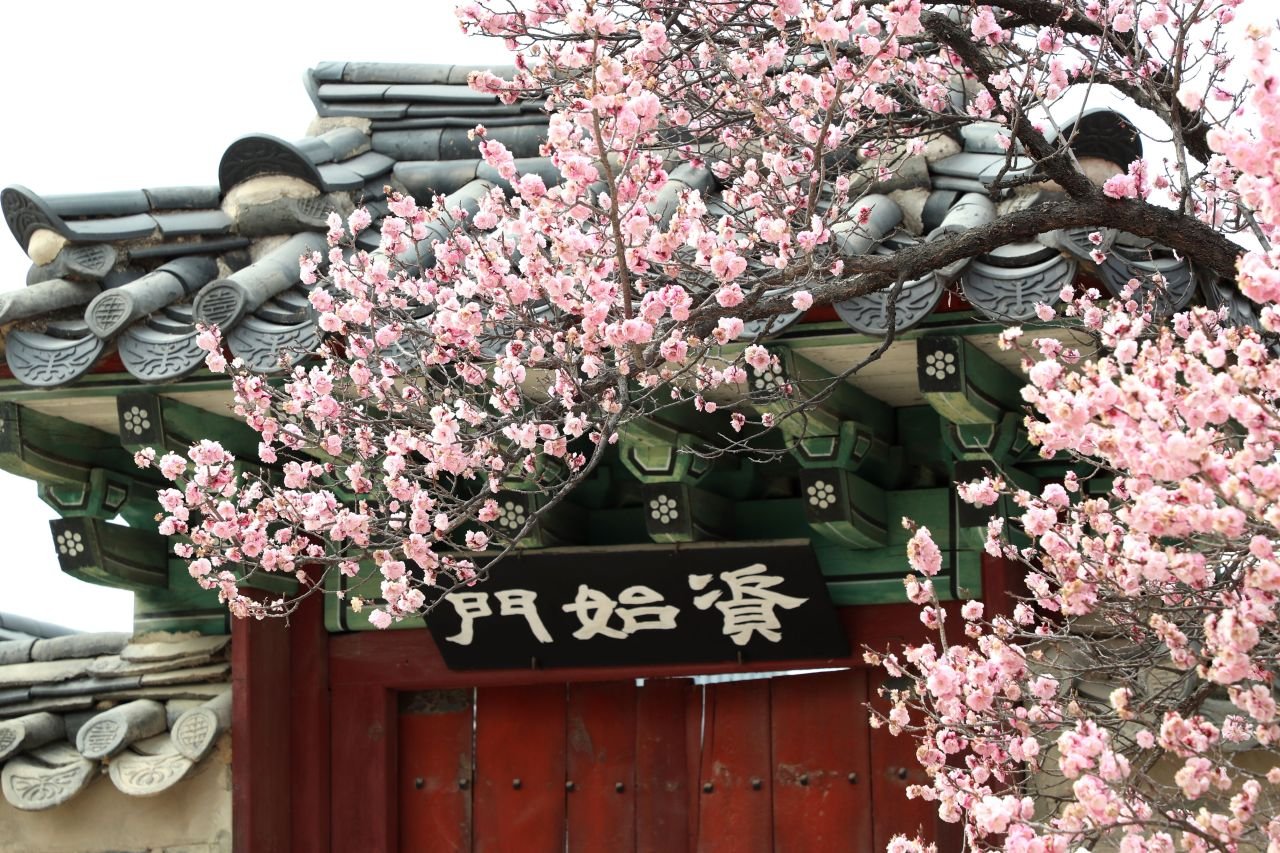
- Frame-in-Frame: Use traditional Korean windows, stone walls, or temple eaves to frame the flowers for a more authentic “Korean” look.
FAQ: Planning Your Spring Trip
Q: When is the exact peak time for Maehwa in 2026?
A: It depends on the region. The southern regions (Gwangyang, Yangsan) will likely peak around March 10th–20th. Seoul will follow about 1-2 weeks later, peaking around Late March–Early April.
Q: Is it easy to get to Gwangyang or Gurye from Seoul?
A: The most convenient way is to take the KTX train to Suncheon Station (for Gwangyang) or Gurye-gu Station. From there, renting a car or taking a taxi is recommended as rural buses can be infrequent.
Korean Culture portal KCulture.com

Founder of Kculture.com and MA in Political Science. He shares deep academic and local insights to provide an authentic perspective on Korean history and society.