Living here in Korea, it is impossible to ignore the electric atmosphere surrounding the release of the Netflix Original series, The Price of Confession. As a local cultural observer, I’ve seen many K-dramas come and go, but the pairing of acting titan Jeon Do-yeon and the chameleon-like Kim Go-eun has created a seismic shift in the industry as of December 2025. While global audiences are captivated by the thriller aspect, there is a thick layer of subtext—specifically regarding the Korean legal system, prison culture, and female solidarity—that might be lost in translation.
For those seeking a cultural analysis of The Price of Confession, this isn’t just a story about murder; it is a reflection of how Korean society views justice, hierarchy, and the desperate alliances formed behind bars. Let’s peel back the layers of this hit drama to understand the “real” Korea depicted within the fiction.
- The Power of Two: Womance or Something More?
- Inside the Walls: Decoding Korean Prison Culture
- The Iksan Set: The Holy Ground of K-Crime Drama
- The Cultural Weight of ‘Confession’ and Hierarchy
The Power of Two: Womance or Something More?
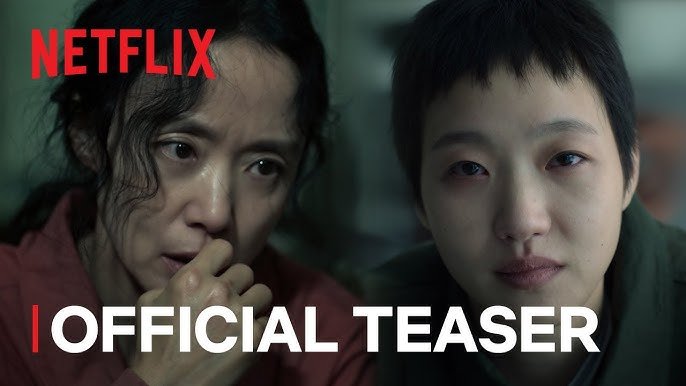
The core of this drama lies in the tension between Ahn Yun-su (Jeon Do-yeon) and the mysterious Mo-eun (Kim Go-eun). In Western media, female leads in thrillers often compete. However, The Price of Confession leans heavily into a uniquely Korean narrative device often called “Womance” (Woman + Romance), but with a darker, more ambiguous twist.
Mo-eun is referred to as a “witch” among inmates—a figure of fear. Yet, her approach to the wrongly accused Yun-su is protective, bordering on obsessive. Foreign viewers often ask: “Are they in love?”
The Concept of ‘Jeong’ in Extreme Circumstances
While the queer subtext is undeniable and widely discussed in Seoul’s online communities, culturally, this can also be interpreted through the lens of deep Jeong (bonding). In Korean storytelling, when two outcasts act as each other’s sole lifeline against a corrupt system, the bond transcends simple friendship. Whether you read it as romantic or platonic, the series highlights a shift in K-content: moving away from the “Cinderella needing a Prince” trope to “Women saving (or destroying) each other.”
Inside the Walls: Decoding Korean Prison Culture
One of the most frequent questions I get from international friends watching the show is, “Is Korean prison really like that?” The depiction in The Price of Confession is gritty, but it follows specific cultural realities that differ vastly from shows like Orange Is the New Black.
The ‘Hon-geo-sil’ (Shared Cell) Culture
Unlike many Western prisons where solitary cells or two-person bunks are common, Korean prisons heavily utilize the Hon-geo-sil (communal cell). You will notice the characters sleeping on the floor on fold-out mattresses, not beds.
- The Floor Culture: This reflects the traditional Korean Ondol (floor heating) lifestyle. Even in prison, life happens on the floor—eating, sleeping, and socializing.
- Forced Socialization: The lack of beds creates an open space that forces interaction. This is why the hierarchy within the cell (the “room leader”) is so crucial in the drama. The person who controls the limited space controls the room.
The Power of ‘Yeongchigeum’
In the drama, you might see characters buying snacks, coffee mix, or toiletries. This revolves around Yeongchigeum (deposit money). In the Korean correctional system, inmates can use deposited funds to buy items from the commissary.
💡 Cultural Insight: In Korean prison dramas, food is power. Being able to buy roast chicken or maximize your coffee mix supply isn’t just about hunger; it’s a display of outside support and financial status. In The Price of Confession, notice how characters with ample Yeongchigeum command subtle respect, reflecting the “Money talks, innocence walks” (Yujeon-mujwi, Mujeon-yujwi) sentiment prevalent in Korean social critique.
The Iksan Set: The Holy Ground of K-Crime Drama
If the prison looks familiar, it is because you have likely seen it in Miracle in Cell No. 7 or Squid Game. The series was filmed at the Iksan Prison Open Film Set. This is not an active prison, but Korea’s only dedicated filming facility for prison scenes.
From a cultural production standpoint, this set is significant. It standardizes the visual language of “crime and punishment” in Korean media. The high grey walls, the specific layout of the exercise yard, and the visiting booths have become iconic symbols of the genre.
While this is a filming location, for the purpose of this deep dive, it is important to note that the set is designed to reflect the feeling of confinement. The cold, cement aesthetics reinforce the desolation the characters feel. It stands as a physical manifestation of the rigid, uncompromising nature of the law that the protagonists are fighting against.

The Cultural Weight of ‘Confession’ and Hierarchy
The title itself, The Price of Confession, touches on a sensitive nerve in the Korean judicial context. Historically, and in dramatic tropes, there is a cynical belief that the truth matters less than the confession itself. The drama critiques the “Prosecutor Republic” image, where the prosecutor’s narrative often overrides the reality of the accused.
Furthermore, even inside the prison, the Confucian hierarchy persists:
| Factor | Explanation |
|---|---|
| Age | Even among criminals, younger inmates are often expected to use honorifics (Jondaetmal) toward older inmates unless the power dynamic is shattered by violence or status. |
| Crime Severity | The “class” of criminal matters. Financial criminals might be looked down upon by violent criminals, or vice versa depending on the narrative. Mo-eun’s character disrupts this hierarchy not through age, but through sheer psychological dominance. |
Ultimately, this drama is a masterclass in atmospheric storytelling. It uses the claustrophobia of the Korean prison system to explore the boundless capacity of human connection. As you watch, look beyond the subtitles—watch the eyes, the silence, and the floor they sleep on. That is where the real story happens.
Korean Culture portal KCulture.com
Join the mailing service and add to your favorites.

Founder of Kculture.com and MA in Political Science. He shares deep academic and local insights to provide an authentic perspective on Korean history and society.