
An Earthy and Wholesome Journey to the Mountainside
Imagine a table filled not with heavy meats, but with the pure, vibrant bounty of a Korean mountainside. This is the experience of Sanchae-jeongsik, a traditional set meal centered around an incredible variety of wild mountain vegetables, or sanchae. Often enjoyed by Koreans when visiting temples, national parks, or simply seeking a restorative and healthy meal, this dish is a direct connection to nature. The flavor profile is a celebration of subtlety; it is nutty, savory, and deeply earthy, designed to let the fresh, natural taste of each unique vegetable shine through.
Ingredients & Flavor Profile
Key Ingredients: A Forager’s Delight
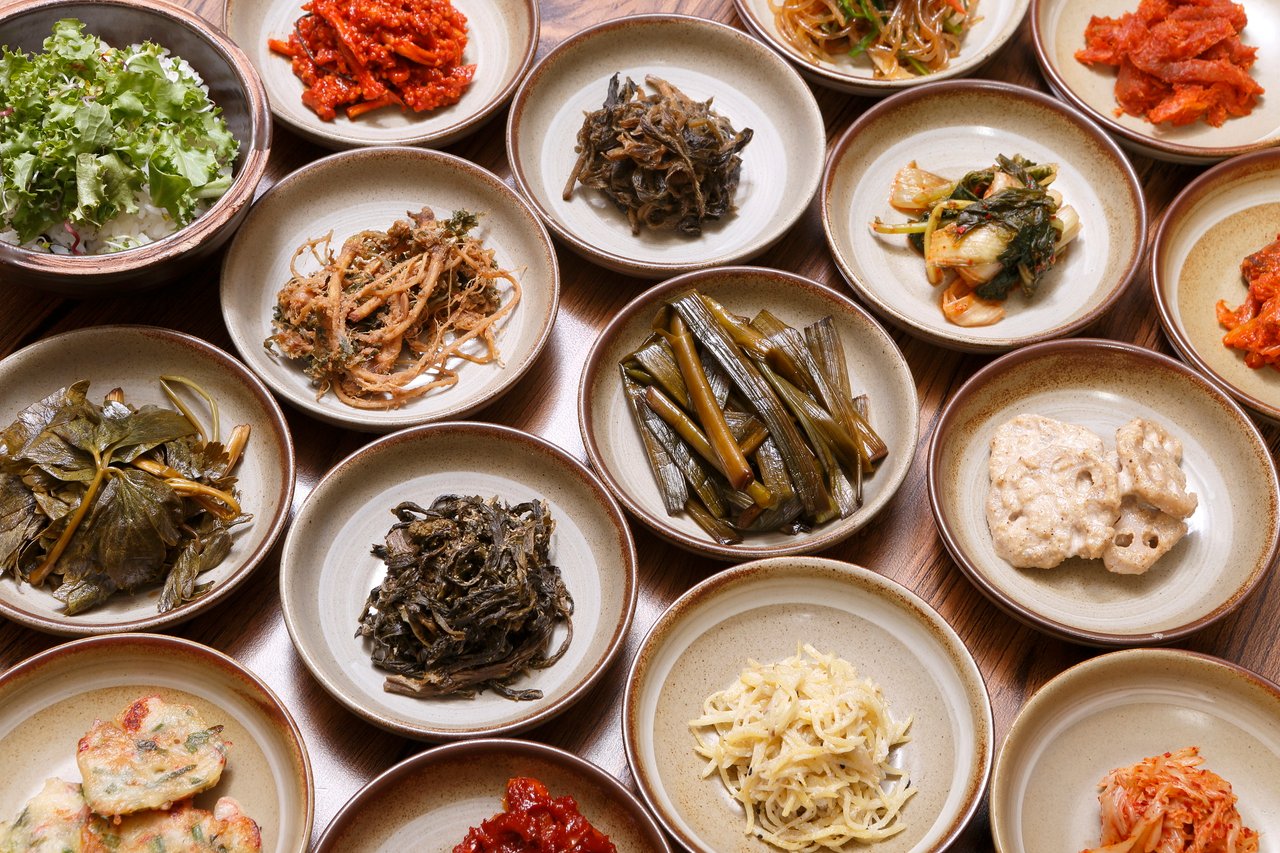
The star of Sanchae-jeongsik is the stunning assortment of wild vegetables, each prepared to highlight its unique texture and aroma. The spread is a feast for the eyes and the palate, typically featuring:
- Various Wild Mountain Vegetables (Sanchae): This can include dozens of varieties depending on the season and region. Common favorites are earthy gosari (bracken fern), fragrant chwinamul (aster scaber), and slightly bitter, crunchy deodeok (lance asiabell root).
- Doenjang-jjigae (Soybean Paste Stew): A rustic and savory stew made from fermented soybean paste serves as the hearty centerpiece, perfectly complementing the fresh vegetables.
- Rice: Usually served with healthy barley rice (boribap) or white rice, which acts as the perfect canvas for mixing.
The Secret of Taste: Seasoning with a Light Touch
The magic of Sanchae-jeongsik lies in its minimalist seasoning. The goal is to enhance, not mask, the vegetables’ inherent flavors. The primary seasonings used are:
- Perilla Oil (Deulgireum): This provides a distinctively nutty and aromatic fragrance that is the signature scent of many Korean vegetable dishes.
- Soy Sauce (Ganjang) and Salt (Sogeum): These are used sparingly to add a clean, savory depth.
- Soybean Paste (Doenjang): Used in the accompanying stew, it provides a profoundly rich umami flavor that grounds the entire meal.
Dietary Information for Travelers
Sanchae-jeongsik is a fantastic option for vegetarians and vegans. As the meal is primarily composed of seasoned vegetables (namul) and rice, it is often naturally plant-based. The provided information confirms that a fully vegan meal is possible with this menu.
Safety Tip: While typically vegan-friendly, it’s always wise for travelers to confirm with the restaurant staff. Politely ask if any fish sauce (aekjeot) was used in seasoning the vegetables or if the stew contains any meat-based broth, just to be certain.
How It’s Served: Your Personal Bibimbap Experience
As a jeongsik (set menu), this meal is a visual spectacle. The table will be covered with a multitude of small bowls, each containing a different type of beautifully prepared mountain vegetable. In the center, you’ll find a large bowl of rice and a bubbling earthenware pot of Doenjang-jjigae.
The true joy of Sanchae-jeongsik is in the interactive way it is eaten. You are the chef of your own final dish! The traditional way to enjoy it is to add spoonfuls of your favorite vegetables from the various side dishes directly into your bowl of rice. Add a scoop of the rich Doenjang-jjigae, perhaps a dash of sesame or perilla oil if provided, and mix it all together. This creates a personalized, wholesome version of bibimbap, bursting with the fresh flavors and textures of the mountains.
This is a standard method based on general recipes. Every restaurant has its own secret twist and unique style!
Nutritional & Health Benefits
Sanchae-jeongsik is more than just a meal; it’s considered a healthy, cleansing experience in Korean food culture. Its benefits are rooted in its natural ingredients:
- Rich in Fiber and Vitamins: The wide array of wild vegetables provides an excellent source of dietary fiber, essential vitamins, and minerals that support overall health and digestion.
- Probiotic Power: The accompanying Doenjang-jjigae is made from fermented soybean paste, which is a natural source of probiotics beneficial for gut health.
- Low in Fat, High in Nutrients: This plant-focused meal is naturally low in calories and fat, making it a light yet deeply satisfying option for the health-conscious diner.

The KCulture Editorial Team is dedicated to providing deep insights and accurate information about the vibrant world of Korean culture.


