Introduction & Synopsis
In the bustling urban landscape of early 1990s Seoul, a humble drama emerged to capture the hearts of a nation: Seoul Earthen Bowl (also known as Ttukbaegi). This beloved KBS daily drama is a heartwarming chronicle of ordinary, working-class families navigating life’s challenges and joys. It delves into the everyday experiences of a community, emphasizing the enduring values of family, neighborly bonds, and the simple, yet profound, aesthetics of traditional Korean life.
At its core, Seoul Earthen Bowl introduces viewers to a diverse cast of characters, including the earnest young couple portrayed by Choi Soo-jong and Do Ji-won, whose youthful aspirations and struggles form a central thread. Presiding over their world, often as a pillar of wisdom and resilience, is a matriarchal figure, powerfully embodied by veteran actress Kang Bu-ja. Together, their interwoven stories paint a vivid tapestry of human connection, demonstrating how warmth and resilience can flourish amidst life’s daily grind. Aired in the early 90s, this KBS production became an instant classic, lauded for its authenticity and relatable narrative.
Deep Cultural & Historical Insight
To understand the profound impact of Seoul Earthen Bowl, one must first appreciate the societal backdrop of South Korea in the early 1990s. This era was a fascinating crossroads: a period of rapid industrialization and economic growth, but also one where traditional values, particularly within tight-knit communities, still held immense sway. Urbanization was transforming cityscapes, yet pockets of traditional life and sentiment persisted, offering a sense of stability against the tide of change.
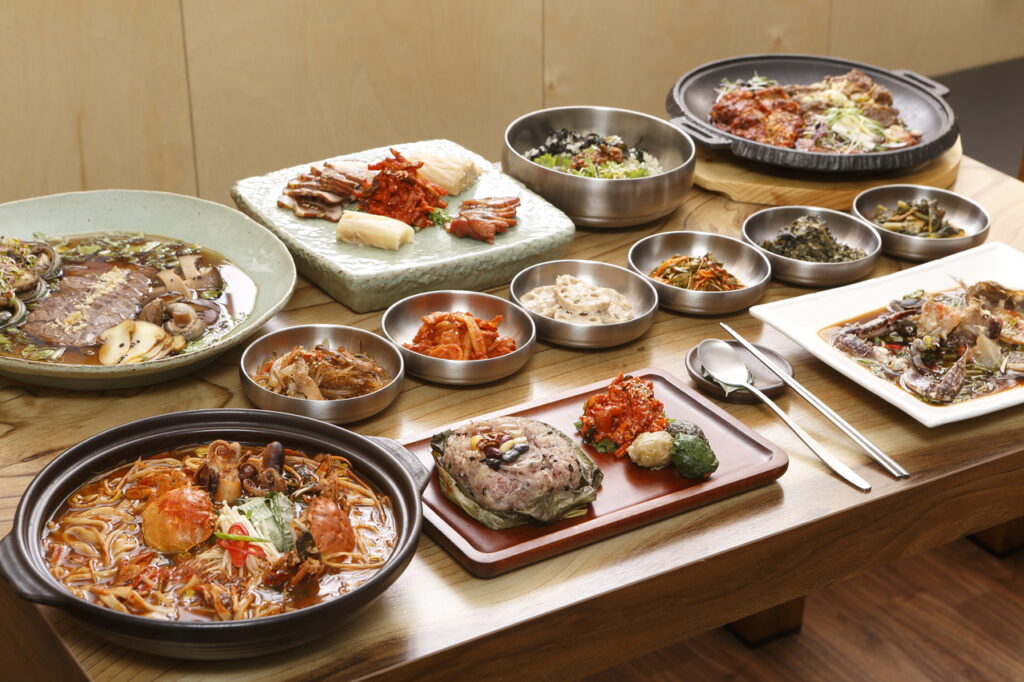
The drama masterfully tapped into the deep-seated Korean sentiment of jeong (정)—a complex emotion encompassing affection, attachment, and a profound sense of bond that forms between people, especially within families and communities. It’s the feeling of warmth and loyalty that makes sharing a simple meal or offering help to a neighbor an essential part of life. The very title, Ttukbaegi, is symbolic. A ttukbaegi is a traditional Korean earthenware pot, known for retaining heat and often used for comforting, stew-like dishes. It represents warmth, sustenance, resilience, and the shared communal experience of a home-cooked meal, embodying the very spirit of the drama.
The lives depicted—the struggles of small business owners, the dreams of young couples, the wisdom of elders—were not merely narratives; they were mirrors reflecting the realities and aspirations of countless Koreans. The drama offered a comforting embrace, reminding audiences of the dignity in everyday labor and the irreplaceable value of human connection in a rapidly changing world.
Narrative Analysis
Seoul Earthen Bowl distinguishes itself through its slice-of-life storytelling, eschewing grand dramatic arcs for the rich tapestry of daily existence. The narrative gracefully unfolds through episodic explorations of character interactions and common domestic challenges. Rather than relying on sensational plot twists, the drama finds its compelling power in the authenticity of its portrayal. Viewers are drawn into the lives of ordinary people facing universal themes: the pursuit of happiness, the navigation of family dynamics, the forging of friendships, and the quiet perseverance required to make ends meet.
The show’s strength lies in its ability to elevate the mundane, finding beauty and significance in routine tasks, shared meals, and heartfelt conversations. It explores generational gaps with sensitivity, depicting both the friction and the profound love that binds families. Themes of community support, resilience in the face of hardship, and the simple joys of life are woven seamlessly into the fabric of each episode. The drama’s gentle pacing allows for deep character development, making the struggles and triumphs of its cast incredibly relatable and emotionally resonant without resorting to overt melodrama.
The Pulse of the Time
Upon its original broadcast in the early 1990s, Seoul Earthen Bowl became a cultural phenomenon in South Korea. It wasn’t just a popular show; it was a daily ritual for many households. The drama resonated deeply with audiences who saw their own lives, their own families, and their own neighborhood dynamics reflected on screen. Its realistic depiction of working-class life, coupled with its pervasive message of hope and human connection, offered a unique comfort during a period of significant social and economic transformation.
The show’s ability to evoke genuine emotions—laughter, tears, and a profound sense of recognition—solidified its place as a national favorite. While specific viewership ratings are not readily available for this older title, its enduring legacy and frequent mentions as a classic “comfort drama” attest to its massive popularity and impact on the national psyche. It fostered a sense of collective identity, reminding Koreans of their shared heritage and the strength found in communal bonds, becoming a beloved benchmark for the daily drama genre.
Cast Spotlight
The success of Seoul Earthen Bowl was inextricably linked to the compelling performances of its main cast, who breathed life into their characters and left an indelible mark on Korean television.
- Choi Soo-jong: Already a rising star, Choi Soo-jong’s portrayal of a hardworking, earnest young man cemented his image as a reliable and charismatic lead. His performance resonated with countless young Koreans striving to build their lives, further establishing his versatility and appeal as an actor capable of embodying both relatable warmth and determined spirit.
- Do Ji-won: As the female lead, Do Ji-won brought grace and depth to her character, often portraying the challenges and joys of a young woman navigating societal expectations and personal aspirations. This role helped solidify her standing as a sympathetic and strong female presence in K-dramas, showcasing her ability to convey nuanced emotions.
- Kang Bu-ja: A true veteran, Kang Bu-ja delivered an iconic performance as the wise and resilient matriarch. Her portrayal was a masterclass in embodying the very soul of the “earthen bowl”—a steadfast, nurturing, and sometimes stern figure who held the community together. Her presence anchored the drama, earning her widespread acclaim and further cementing her status as one of Korea’s most respected character actresses.
Global Viewing Guide
For global K-drama fans eager to delve into the classics and experience a vital piece of Korean cultural history, Seoul Earthen Bowl remains an enriching watch. While older titles can sometimes be challenging to find, there are avenues for discovery:
- KBS World YouTube: As the official international arm of KBS, KBS World’s YouTube channel is often the best resource for classic KBS dramas, frequently offering episodes with subtitles for a global audience.
- Official Broadcaster Archives: Keep an eye on the official digital archives or streaming platforms associated with KBS, as they occasionally make older content available.
- Special Features/Retrospectives: Sometimes, older dramas are re-released or featured in special retrospectives on major K-drama streaming platforms, so it’s worth checking their classic sections.
Final Verdict
Seoul Earthen Bowl is more than just an old drama; it’s a timeless cultural artifact. For those seeking to understand the enduring heart of Korean society, the warmth of its people, and the beauty found in everyday struggles and triumphs, this drama offers an invaluable and deeply moving experience. It is a heartfelt recommendation for any K-drama enthusiast wishing to connect with the roots of Korean storytelling and discover the quiet power of a true classic.
Tags
K-Drama, Classic K-Drama, Seoul Earthen Bowl, Ttukbaegi, 90s K-Drama, Korean Culture, Slice of Life, Daily Drama, KBS, Choi Soo-jong, Do Ji-won, Kang Bu-ja, Cultural History, Jeong, Family Drama

The KCulture Editorial Team is dedicated to providing deep insights and accurate information about the vibrant world of Korean culture.