If you are visiting Seoul for a brief trip, fitting a sprawling eco-park into a packed schedule of palaces and shopping might seem difficult. However, if you have a slightly longer itinerary, spending a day at Seoul Forest (서울숲) is the ultimate way to experience both Korea’s modern everyday lifestyle and tranquil nature in one place. As a local living in Korea, I designed this comprehensive Seoul Forest guide to help you transition seamlessly from a relaxing morning walk among the trees to an exciting afternoon cafe-hopping in the ultra-trendy neighboring district of Seongsu-dong (성수동).
- What is Seoul Forest?
- Top Things to Do in Seoul Forest
- Essential Local Tips and Precautions
- Exploring Beyond the Park: Seongsu-dong and More
- How to Get to Seoul Forest
- Frequently Asked Questions (FAQ)
What is Seoul Forest?
Often compared to Central Park in New York, Seoul Forest is a massive, lush oasis right in the middle of our bustling megacity. Opened to the public in 2005, this area has a fascinating history. It once served as a royal hunting ground during the Joseon Dynasty, and later transformed into a horse racing track and a golf course before finally becoming the citizen-focused ecological park we love today. Spanning roughly 150,000 pyeong (about 1.2 million square meters), the park is divided into distinct themes, including the Cultural Art Park, Eco Forest, Experiential Learning Park, and Marsh Plants Garden. Each zone offers a uniquely beautiful landscape, making it a favorite retreat for locals.
Top Things to Do in Seoul Forest
Whether you want to be active or just lounge under a tree, this park has something for everyone. Here are my favorite ways to enjoy a day here:
Ride a Ttareungi Around the Park
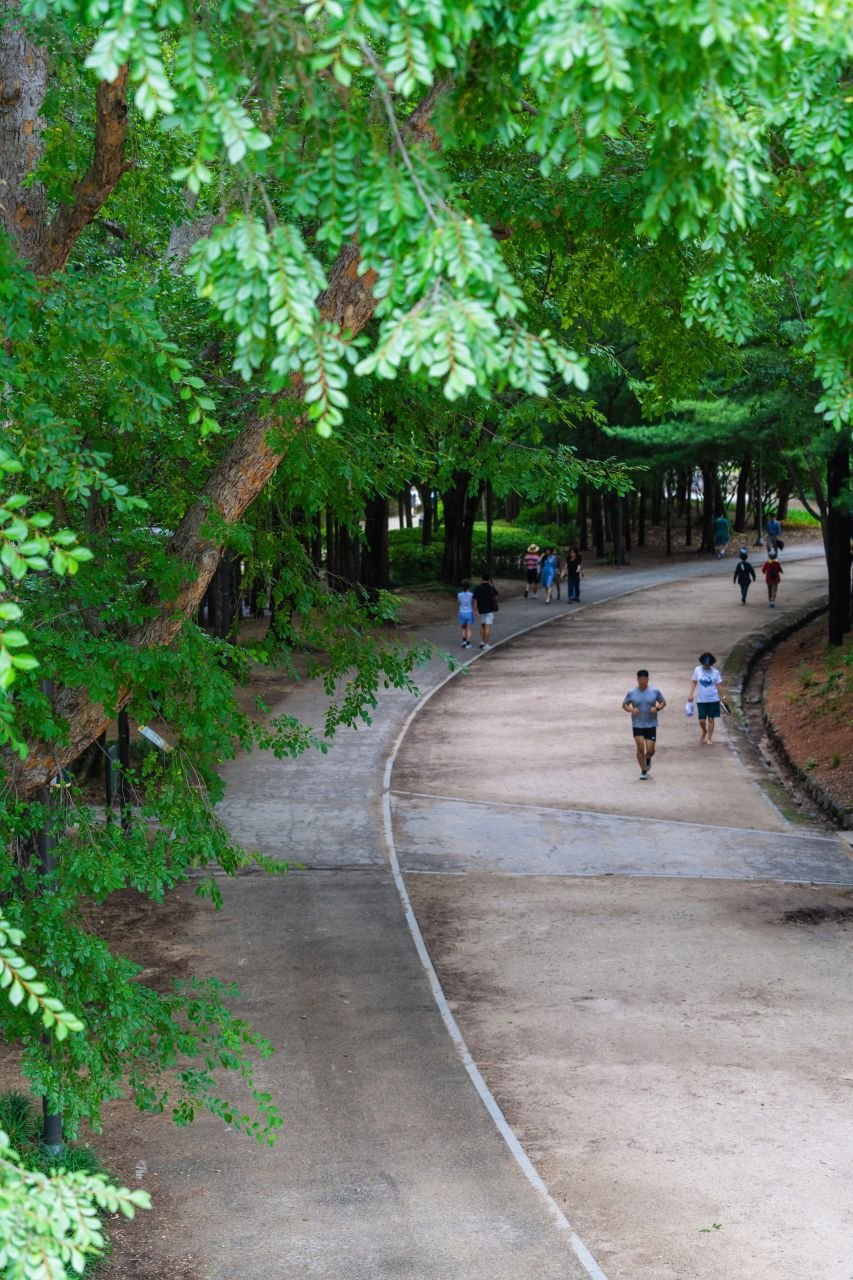
The park is absolutely enormous, so walking everywhere can tire you out quickly. I highly recommend renting a Ttareungi (따릉이), Seoul’s official public bicycle. The bike paths here are well-paved, incredibly scenic, and even connect directly to the Han River. It is an exhilarating way to cover more ground and feel the fresh spring breeze.
Experience a True K-Picnic
You have not truly experienced modern Korean leisure until you have had a K-picnic. Head over to the sprawling Family Yard (가족마당), lay down a picnic mat, and enjoy the vibe. You can easily order Korean fried chicken through delivery apps right to the park’s entrance, or grab instant ramen from a nearby convenience store and cook it in the automated ramen machines. Eating piping hot noodles outdoors is a quintessential local experience!
Stroll Through the Eco Forest and Mirror Lake
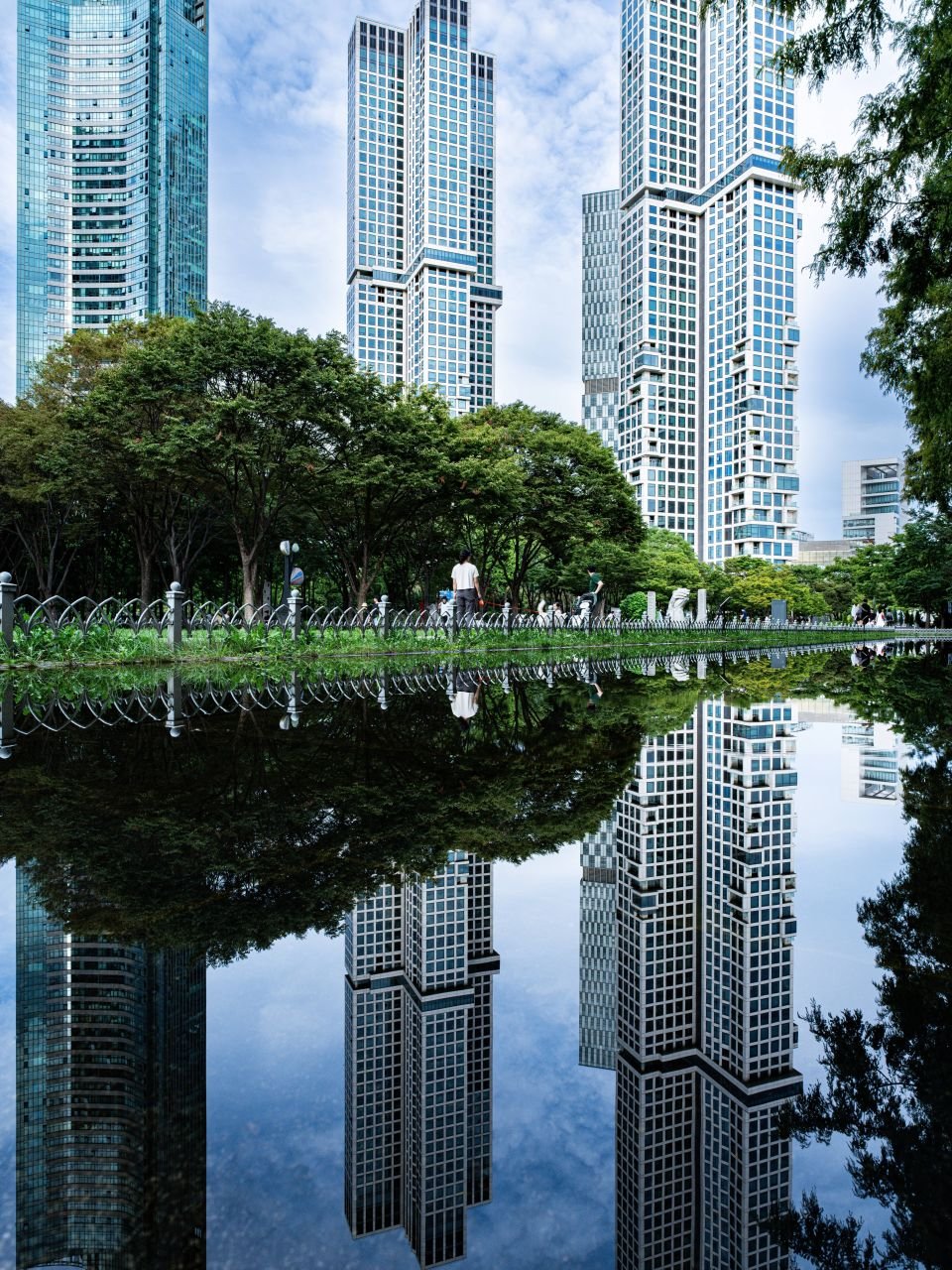
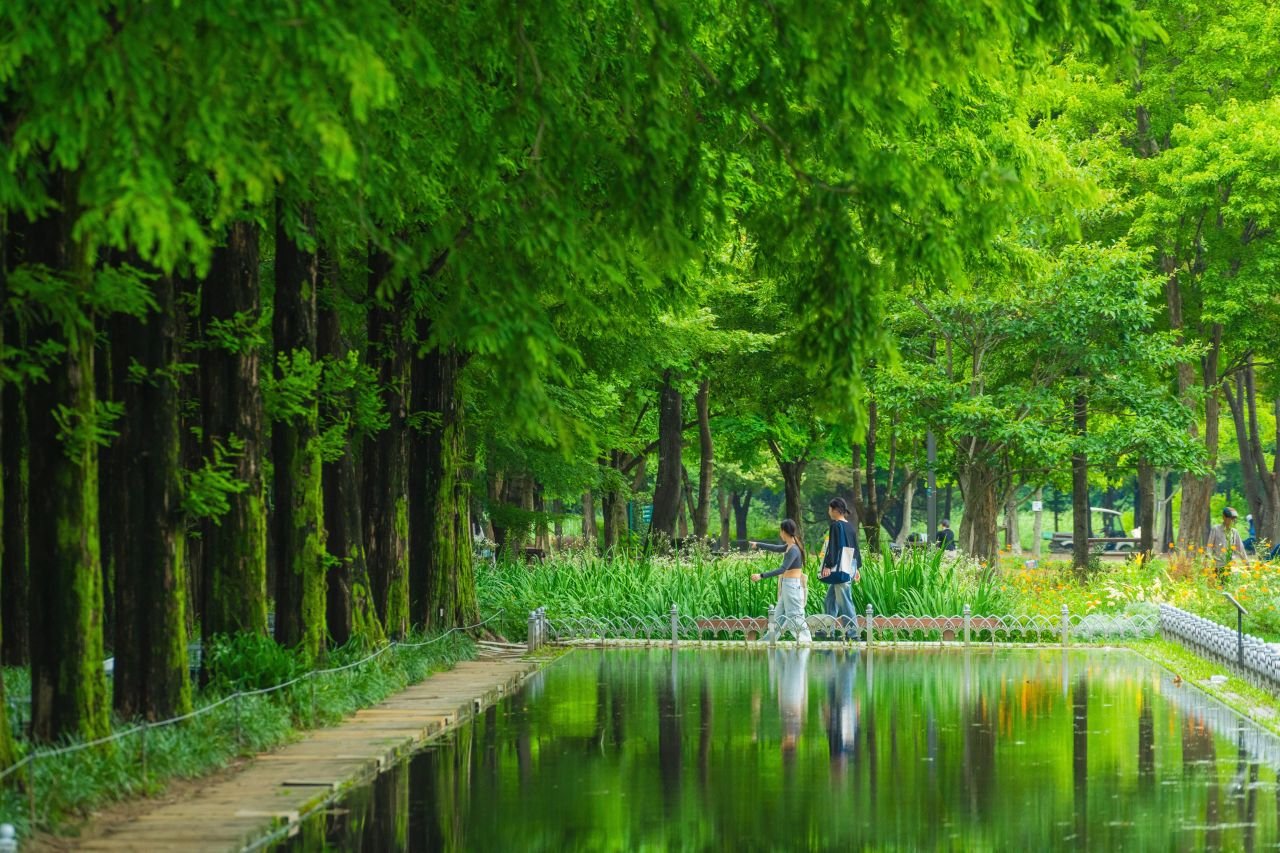
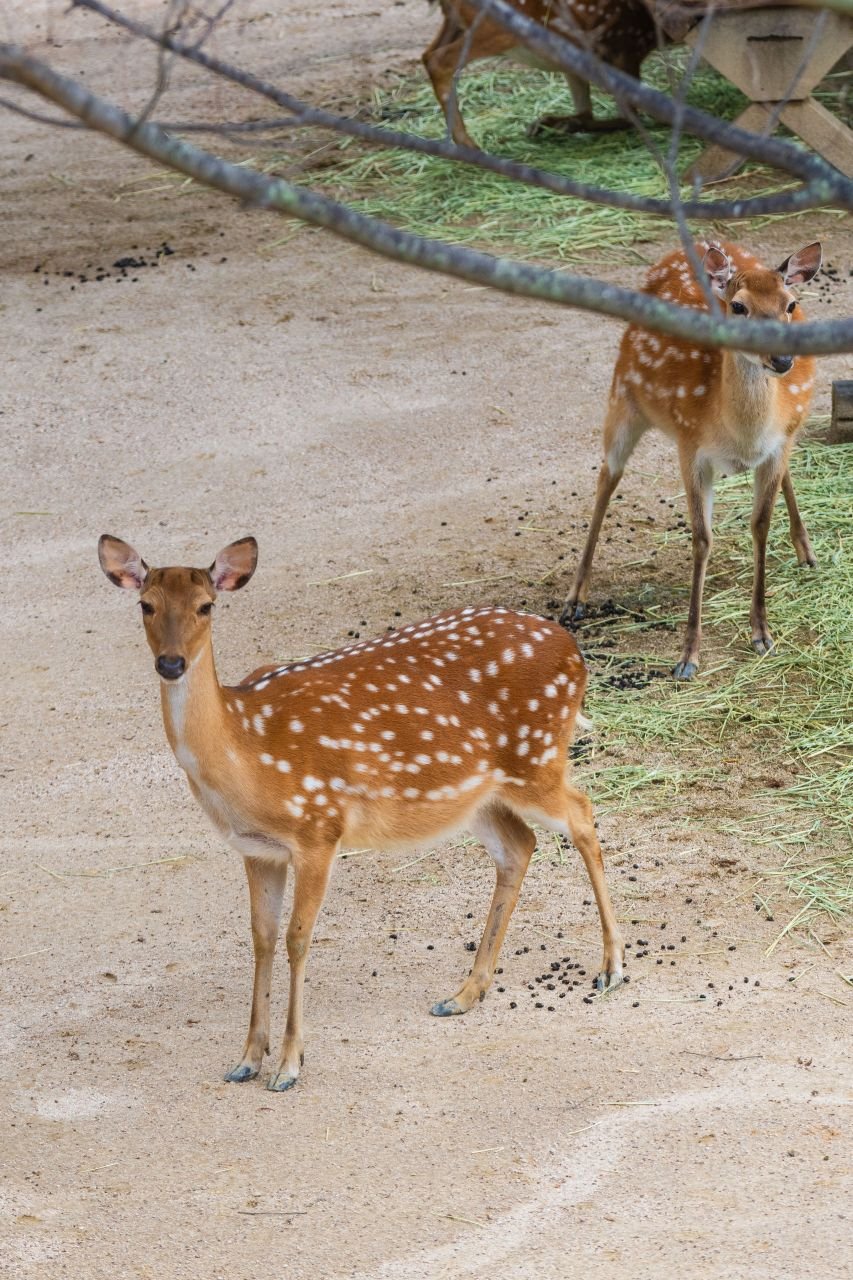
The Eco Forest zone is famous for its resident sika deer. While there used to be hands-on feeding programs, current guidelines often restrict direct feeding to protect the animals’ health, so it is best to enjoy watching these beautiful creatures from a respectful distance. Do not miss the Mirror Lake (거울연못), a stunningly calm body of water that perfectly reflects the surrounding trees—it is arguably the best photo spot in the entire park. Depending on the season, you will also be treated to spectacular cherry blossoms and tulips in the spring, or breathtaking golden ginkgo tree tunnels in the autumn.
💡 Pro Tip for Photos: If you are visiting in the autumn to see the Ginkgo Tree Forest, try to arrive right around sunrise. The morning mist mixed with the golden leaves creates a magical, cinematic atmosphere without the heavy afternoon crowds.
Essential Local Tips and Precautions
To ensure you have a smooth and enjoyable visit, keep these local etiquettes in mind:
- Trash Disposal: You will notice that public trash cans are quite rare in Korean parks. This is intentional to encourage people to take their trash home. Please pack up your picnic garbage or find the designated recycling stations (분리수거장) near the convenience stores.
- Wildlife Protection: Never feed human food to the deer or the friendly stray cats roaming the park.
- Mind the Lanes: The park features strictly separated lanes for pedestrians and bicycles/electric scooters. For your safety, always stay in the pedestrian lane when walking, and if you are cycling, be courteous to those on foot.
- Beat the Crowds: On weekends and public holidays, especially during peak spring and autumn seasons, the park gets incredibly crowded with locals. For a peaceful walk, plan your visit for a weekday morning or late afternoon.
Exploring Beyond the Park: Seongsu-dong and More
The best part about visiting Seoul Forest is what lies immediately outside its borders. Once you have soaked in the nature, just cross the street into one of Seoul’s most dynamic neighborhoods.
Seongsu-dong Cafe Street and Pop-Up Stores
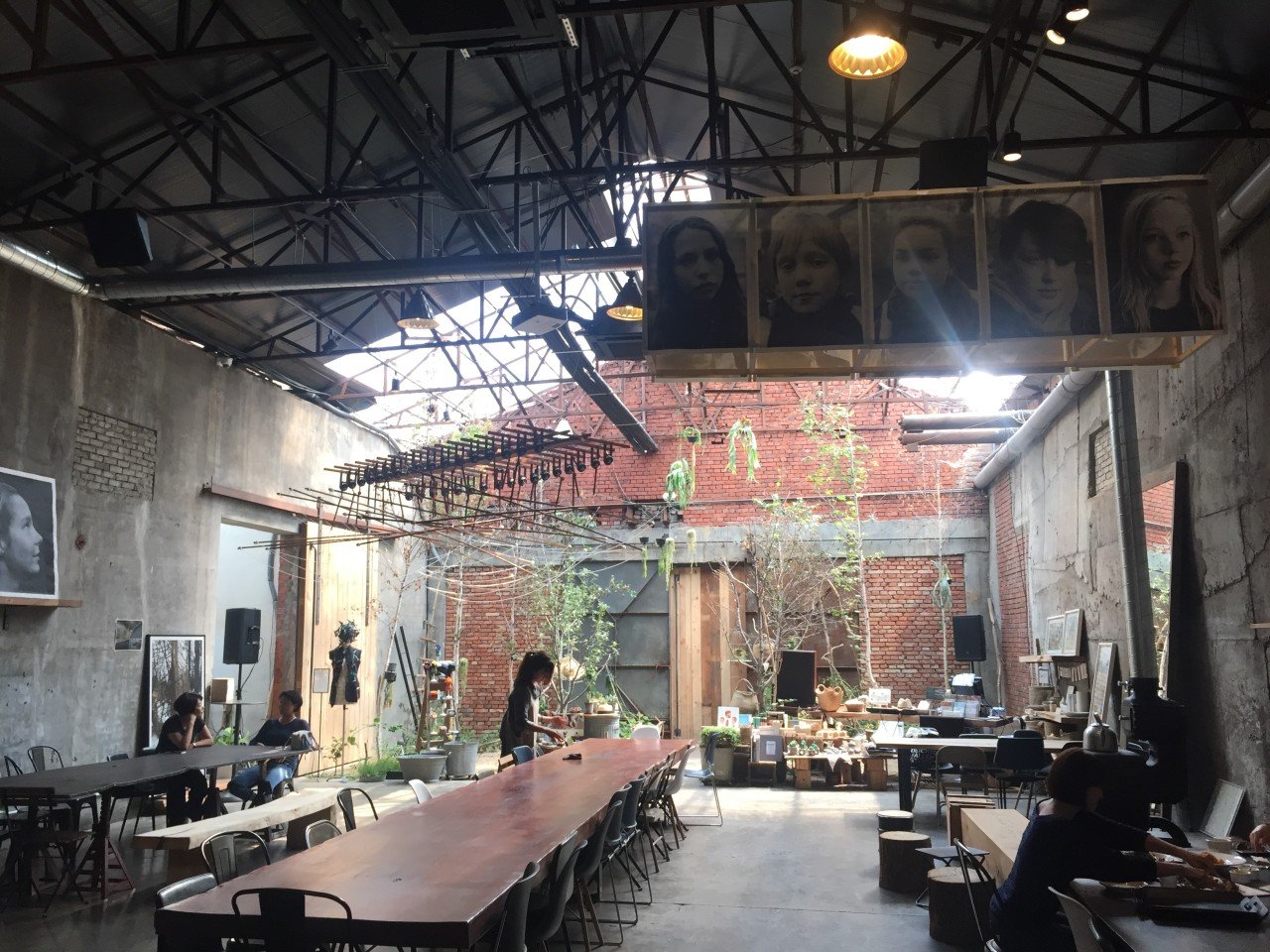
Often dubbed the “Brooklyn of Seoul,” Seongsu-dong is where industrial grit meets high-end fashion and coffee culture. Old shoe factories and warehouses have been converted into massive, aesthetic roastery cafes and designer showrooms. Every weekend, the streets are lined with creative, temporary pop-up stores from global and local brands. Getting lost in these alleys with an iced Americano in hand is the ultimate trendy Seoul experience.
Understand Avenue
Located right at the entrance of Seoul Forest, Understand Avenue (언더스탠드에비뉴) is an eye-catching cultural complex built entirely out of brightly colored shipping containers. It houses small boutiques run by young entrepreneurs, cozy cafes, and rotating exhibition spaces. It is a fantastic backdrop for your Instagram feed.
For the K-Pop Fans: KWANGYA@SEOUL
As a passionate enthusiast of K-pop, I have to insist you make a quick stop at the SM Entertainment headquarters. Connected directly to the subway station beneath the park, you will find KWANGYA (광야), the official flagship store. You can browse exclusive merchandise, view artist displays, and immerse yourself in the fandom culture. It is an absolute must-visit for any K-pop lover!
Ttukseom Hangang Park
If you want to keep the nature theme going into the evening, use the pedestrian overpass bridge from Seoul Forest to walk directly into Ttukseom Hangang Park (뚝섬 한강공원). Grab a cold local beer, sit by the riverbank, and watch the city lights reflect on the Han River as the sun goes down.
How to Get to Seoul Forest
Getting here is incredibly easy using Seoul’s highly efficient subway system. Here are the most convenient routes:
| Subway Line | Station Name | Walking Distance |
|---|---|---|
| Suin-Bundang Line | Seoul Forest Station (서울숲역) – Exit 3 or 4 | 1-minute walk (Direct access) |
| Line 2 (Green Line) | Ttukseom Station (뚝섬역) – Exit 8 | 10-minute walk |
📌 Local Note: If you are planning to explore the Seongsu-dong cafe street first and end your day at the park, getting off at Ttukseom Station is a great strategy. You can weave through the trendy alleys on your way down to the forest.
Frequently Asked Questions (FAQ)
Is there an entrance fee for Seoul Forest?
No, the park is completely free to enter and is open year-round.
What are the operating hours?
The main outdoor park areas are open 24/7. However, specific facilities like the Eco Forest have restricted hours, generally opening from 7:00 AM to 8:00 PM to let the animals rest.
Can I rent a picnic mat there?
Yes! There are several rental shops just outside the park in the Seongsu-dong area that offer full aesthetic picnic sets, including mats, baskets, and even small tables.
Korean Culture portal KCulture.com

Founder of Kculture.com and MA in Political Science. He shares deep academic and local insights to provide an authentic perspective on Korean history and society.
🇰🇷 Essential Seoul Travel Kit
- ✈️ Flights: Find Cheap Flights to Seoul
- 🏨 Stay: Top Rated Hotels in Seoul
- 🎟️ Tours: Best Activities & K-Pop Tours