Uncorking the Real Korea: Your Local Expert Guide to Makgeolli and Seoul’s Best Pubs
Seeking the ‘real’ Korea? Unpack the culture by looking beyond K-Pop and K-Dramas and diving into the rich world of traditional Korean alcohol. Honestly, as a local living here, if there is one drink that truly embodies the history, community, and soul of the Korean people, it has to be Makgeolli (막걸리). This milky, lightly carbonated rice wine is having a massive resurgence, moving from an old farmer’s drink to the hippest beverage in Seoul’s trendiest pubs.
But this article is not just about what makgeolli is; it’s your Local Travel Guide to experiencing it like a Seoulite. We’ll explore its deep societal roots, the astonishing regional variety, and, most importantly, where in Seoul you can find the absolute best places to enjoy this historical delight.
The Deep Dive: Understanding Makgeolli’s Cultural Insight and History
Makgeolli, often called “Korean Farmer’s Rice Wine,” is one of the oldest alcoholic beverages in Korea, boasting a history of over a thousand years. It is made from fermented rice, *nuruk* (a fermentation starter), and water. Unlike clear spirits, it’s unfiltered, giving it that distinct milky appearance and slightly sweet, tart, and effervescent flavor profile.
Makgeolli: A Symbol of Community and Hardship
For centuries, makgeolli was the drink of the common people. It was cheap, nutritious, and provided a much-needed energy boost to farmers working in the fields—often consumed directly from a brass bowl (*yangi*). This isn’t just a drink; it’s a cultural touchstone representing community, hard work, and the simple joys of life.
📌 Local Note: The Social Significance
In the mid-20th century, makgeolli was so central to Korean life that it’s said almost every *Myeon* (township) in the countryside had its own local *sudo-ga* (brewery). Drinking makgeolli together after a day of labor or a community event was, and still is, a deeply bonding ritual. When you drink it, you are partaking in a shared history.
The Amazing Variety: Beyond the Basics
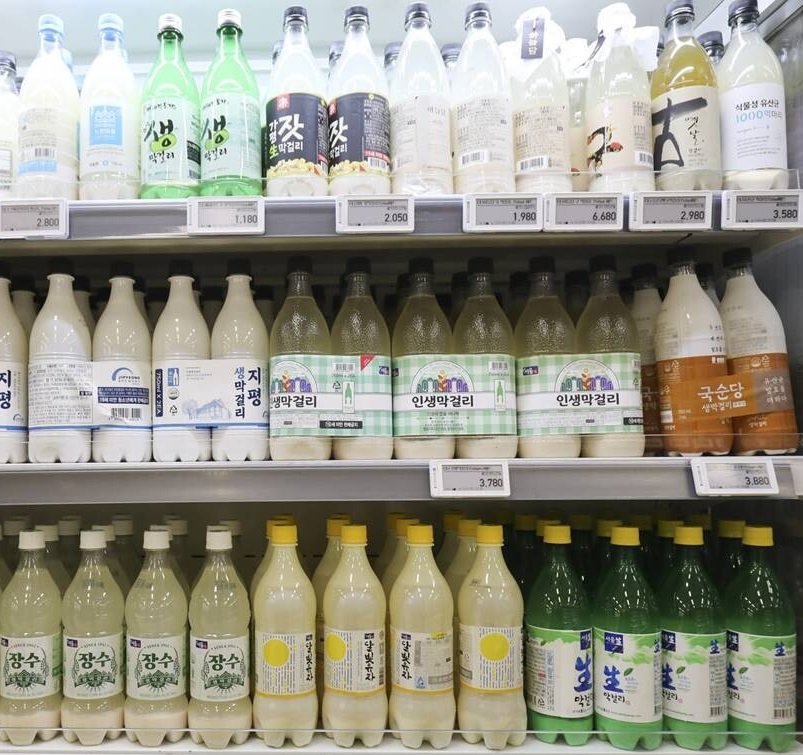
Here’s the thing many tourists don’t realize: there isn’t just one kind of makgeolli. Originally, every region had its own distinct style, leveraging local water quality and ingredients. Today, this regional pride is booming again, resulting in an explosion of fascinating options:
- Regional Makgeolli: Look for brews named after their origin, like *Songmyeong-seob Makgeolli* from Pocheon or *Boksoondoga* from Ulsan.
- Specialty Ingredients: Brews now incorporate local specialty products. You can find everything from chestnut makgeolli from Gongju to black bean, sweet potato, pine nut, and even citrus-infused variations.
- Craft Makgeolli: Younger brewers are creating small-batch, premium craft makgeolli using traditional methods but with modern quality control, often resulting in incredibly fresh, complex flavors.
Your Local Picks: Top Makgeolli Hotspots in Seoul
Ready to try it? You don’t have to leave the capital to sample the nation’s best. Seoul’s makgeolli houses (known as *makgeolli jip* or *jeontong jujeom*) are the perfect place to start. Here are my Local Picks for the best areas to go on a makgeolli crawl:
1. Insadong/Jongno Pimatgol: Timeless Tradition
This is where old Seoul comes alive. The narrow alleyways of Pimatgol (a historical nickname meaning “avoiding the horses”) are home to traditional makgeolli houses, some boasting decades of history. The atmosphere is deeply authentic, with old wooden tables and a nostalgic ambiance perfect for a Traditional Culture experience.
- What to Expect: A traditional experience, often with classic pairings like *jeon* (savory Korean pancakes) and *dubu kimchi* (tofu with stir-fried kimchi).
- Why Go: To literally drink history. Some spots are famous filming locations or old hangouts for artists and filmmakers.
2. Hongdae/Yeonnam-dong: The Trendy Craft Scene
As befits Seoul’s youth hub, Hongdae and the adjacent, slightly chiller Yeonnam-dong are the places for modern twists. Here, you’ll find hip traditional pubs (*jeontong jujeom*) that feature everything from artisanal craft makgeolli brewed on-site to fusion *anju* (drinking snacks).
- Why Go: For variety and innovation. This area excels at curating a vast selection of famous regional and seasonal brews, perfect for a tasting flight.
- The Must-Try: Look for places that offer makgeolli sets or tasting menus to sample several regional kinds at once.
3. Gangnam/Gyodae: Upscale & Specialty Brews
The Gangnam area hosts more upscale, franchised, or refined *Sul-jip* (술집). While perhaps less gritty than Pimatgol, they offer high-quality experiences and excellent food pairings. You can find major, well-known specialty chains here.
- Famous Spot Example: ‘Neurin Maeul Brewery & Pub’ (Slow Village Brewery), which often sells four distinct types of makgeolli based on the aging process (Spring, Summer, Fall, Winter).
- Perfect For: A clean, modern environment and a focus on premium makgeolli and high-end Korean cuisine.
4. Euljiro (Hipjiro): Hidden Gems in Old Alleyways
Euljiro, or “Hipjiro,” is the city’s latest trend. Hidden amongst old printing shops and industrial buildings, you’ll find hanok-converted pubs and speakeasy-style *makgeolli jip*. These spots offer a unique blend of old architecture and contemporary aesthetics, making them excellent choices for those seeking true Local Picks off the main tourist path.

How to Order and What to Expect
Don’t be shy! Ordering makgeolli is part of the fun. Traditionally, it comes in a large kettle (*joojeonja*) and is poured into small ceramic or brass bowls.
Makgeolli Pairing: The Essential Anju
Makgeolli is almost always consumed with food, known as *anju*. The best pairing is undoubtedly *Jeon* (Korean pancakes), especially on a rainy day. The slightly savory, oily nature of the *jeon* cuts perfectly through the sweet and tart makgeolli.
| Anju (Food) | Description | Best Makgeolli Type |
|---|---|---|
| Pajeon (파전) | Scallion and seafood pancake. | Classic, unfiltered, slightly tart makgeolli. |
| Kimchi Jeon (김치전) | Spicy, fermented kimchi pancake. | Nutty or sweet specialty makgeolli. |
| Dobu Kimchi (두부 김치) | Steamed tofu and stir-fried kimchi. | Fresh, craft makgeolli. |
A Foreigner’s Perspective: Taste & Experience
When I introduce makgeolli to non-Koreans, the initial reaction is often surprise. Some liken the texture to a light yogurt drink, while others compare the tartness to kombucha or the faint sweetness to sake. It’s an acquired taste, perhaps, but one that is incredibly rewarding. The low alcohol content (typically 6-8%) makes it easy to drink, but remember, the rice sediment settles at the bottom, so always gently shake or stir the bottle before pouring!
💡 Pro Tip: The Gentle Shake
The delicious, nutritious sediment at the bottom is key to makgeolli’s flavor. Gently rotate the bottle upside down a couple of times. Do NOT shake vigorously like a cocktail, or you’ll have a bubbly mess!
I highly recommend spending an evening in a Jongno *makgeolli jip*. It’s more than just drinking; it’s an immersive Korean Culture Insight experience. You’ll hear the lively chatter, the clanging of metal bowls, and the smell of savory *jeon*—it’s the authentic taste and sound of Seoul life. So, when you visit, make sure to add this local tradition to your Playbook.
The vast range of regional makgeolli available in Seoul’s specialty pubs gives you a unique opportunity to explore the country’s diverse local flavors without leaving the city. Go ahead, grab a brass bowl, say *Geonbae!* (Cheers!), and enjoy the true spirit of Korea.
Korean Culture portal KCulture.com
Join the mailing service and add to your favorites.

Founder of Kculture.com and MA in Political Science. He shares deep academic and local insights to provide an authentic perspective on Korean history and society.