Seoul’s Historic Heart: Gates, Hanoks, and Culinary Calm
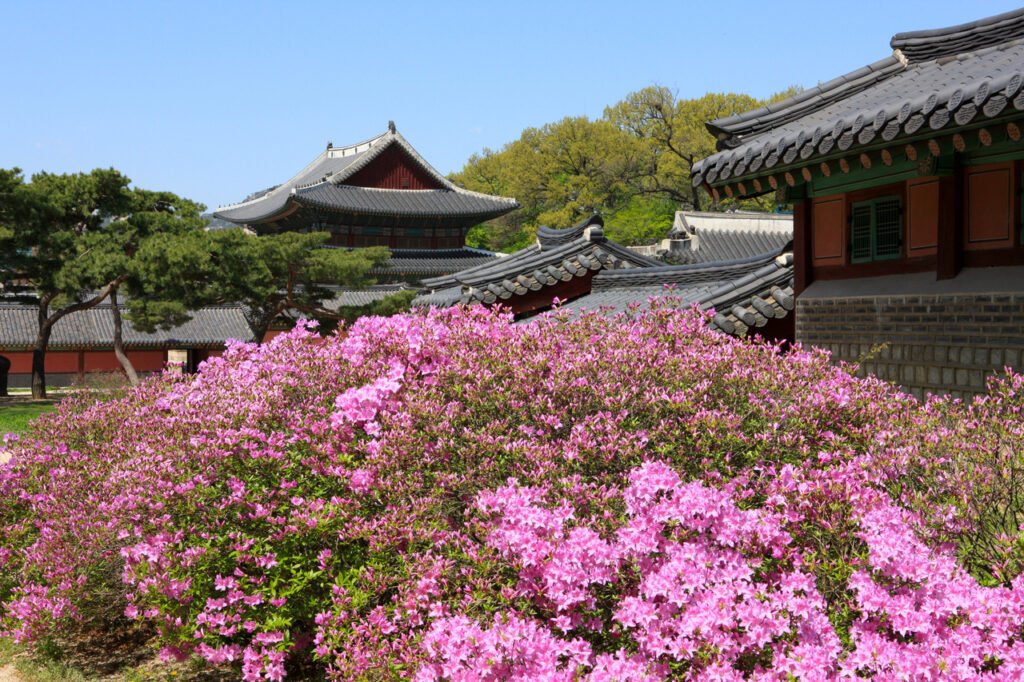
Imagine a city that breathes millennia, where the steady rhythm of ancient traditions echoes through bustling streets. Our journey begins at the very threshold of this timeless spirit, beneath the stoic, majestic gaze of Gwanghwamun Gate. Here, the air itself hums with the echoes of kings and dynasties, inviting you to step beyond its grand, painted timbers and into a narrative spun through centuries. It’s an awakening, a profound sense of connection to a history not just remembered, but vibrantly alive in the stone and structure around you.
From this majestic prologue, we’ll drift into the quiet, winding alleys of Bukchon Hanok Village, where the modern world gently recedes. Here, the whisper of wooden eaves and tiled roofs tells a more intimate story – the daily lives lived within these elegant, traditional homes, each a testament to enduring Korean beauty. The scent of pine and seasoned wood will guide you, before a moment of culinary calm awaits, a warm, comforting embrace that nourishes both body and soul. Then, a final, reflective pause at Jeongdok Library, a sanctuary where knowledge and tranquility reside, perfectly completing our exploration of Seoul’s historic heart. It’s a path from the monumental to the intimate, from grand pronouncements to quiet contemplation, woven with threads of deep tradition and unexpected delight.
Travel Tips: Seoul’s Historic Heart
- 🚌 Transportation Tip: Start at Gwanghwamun Gate (Subway Line 5, Gwanghwamun Station). From there, enjoy a scenic walk through Samcheongdong-gil to reach Bukchon Hanok Village, Hwangsaengga Kalguksu, and Jeongdok Library, all within comfortable walking distance. For direct access to Bukchon, Anguk Station (Subway Line 3) is also convenient.
- 🍽️ Local Food Recommendation: While at Hwangsaengga, be sure to try their famous Mandu Kalguksu (dumpling noodle soup). In the Bukchon/Samcheongdong area, explore traditional tea houses for a quiet break or grab a sweet Hotteok (Korean pancake) from a street vendor.
- 📅 Best Season to Visit: Spring (April-May) offers mild weather and beautiful cherry blossoms. Autumn (September-October) provides crisp air, stunning fall foliage, and comfortable temperatures, making it ideal for exploring the hanok village and walking tours.
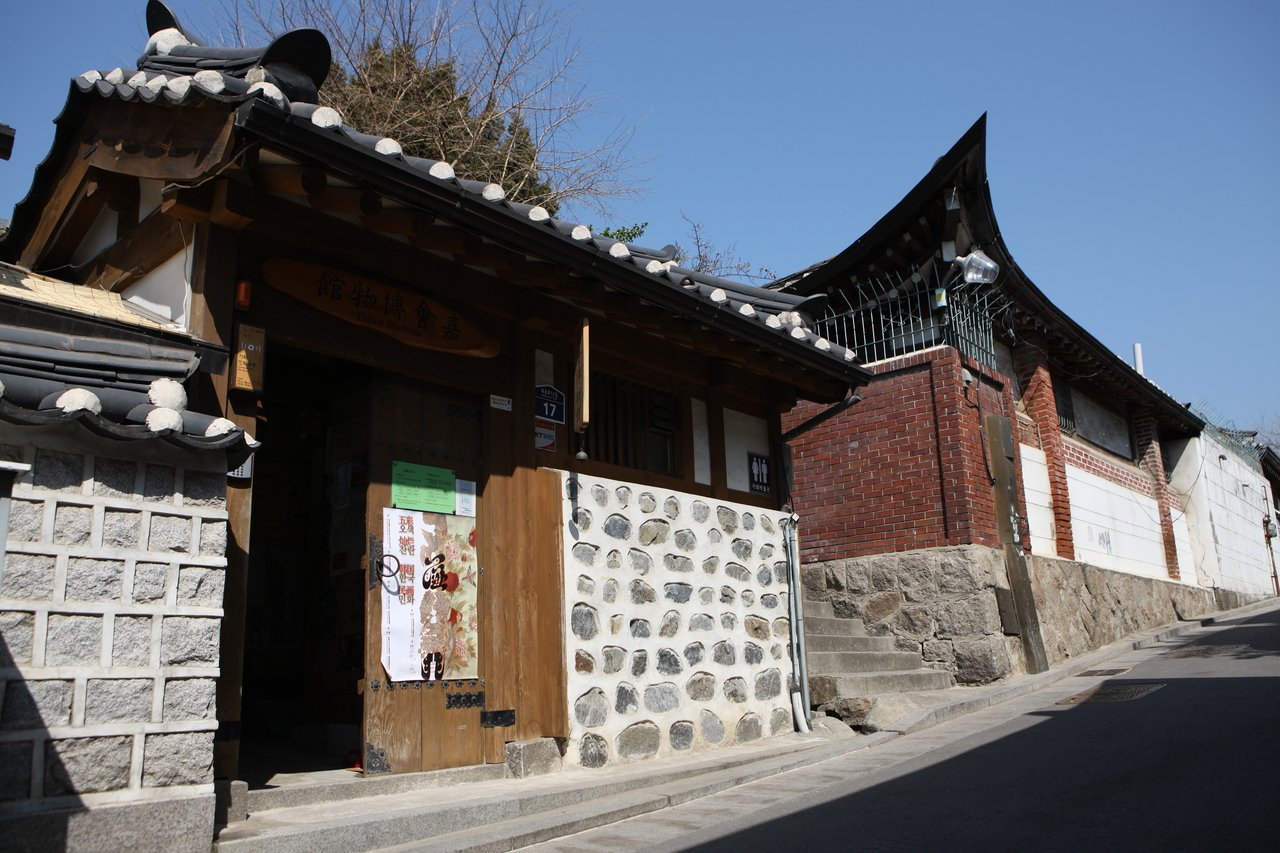
Photo: 가회박물관 (Source: KTO)
🛑 Course Itinerary
- Gwanghwamun Gate
Step back in time as you approach the magnificent main gate of Gyeongbokgung Palace, a grand symbol of Joseon royalty. Admire its intricate design and imagine the kings who once passed through this iconic gateway, uniquely flanked by its historic watchtowers. - Bukchon Hanok Village
Nestled between Seoul’s grand palaces, this charming village invites you to step directly into 600 years of Korean history. Explore its winding hanok-lined alleyways and experience the Joseon Dynasty firsthand through traditional culture and dining. - Lunch (Hwangsaengga Kalguksu)
Discover a beloved local spot renowned for its comforting kalguksu, a perfect midday treat. Don’t miss their exquisite king dumplings, handcrafted with a mother’s timeless skill for an unforgettable taste of home. - Jeongdok Library
Nestled within Bukchon Hanok Village’s charm, this former high school site offers a tranquil retreat for knowledge seekers and culture enthusiasts alike. Beyond its extensive collections, visitors can enjoy diverse monthly programs, from author lectures and photo exhibitions to delightful puppet shows and concerts.
🗺️ Route Map
#KoreaTravel #KCulture #Seoul #HistoricSeoul #BukchonHanokVillage #Gyeongbokgung #Insadong #KoreanPalace #SeoulFood #HanokLife

The KCulture Editorial Team is dedicated to providing deep insights and accurate information about the vibrant world of Korean culture.