
Navigating the healthcare system in a foreign country can be one of the most stressful parts of moving or traveling abroad. In South Korea, healthcare is more than just a service; it is a fundamental social safety net that provides high-quality care at a fraction of the cost seen in privatized markets like the United States. This 2026 guide breaks down the essential health insurance requirements for all foreigners—from short-term tourists to long-term residents—ensuring you stay protected and informed during your stay in the Land of the Morning Calm.
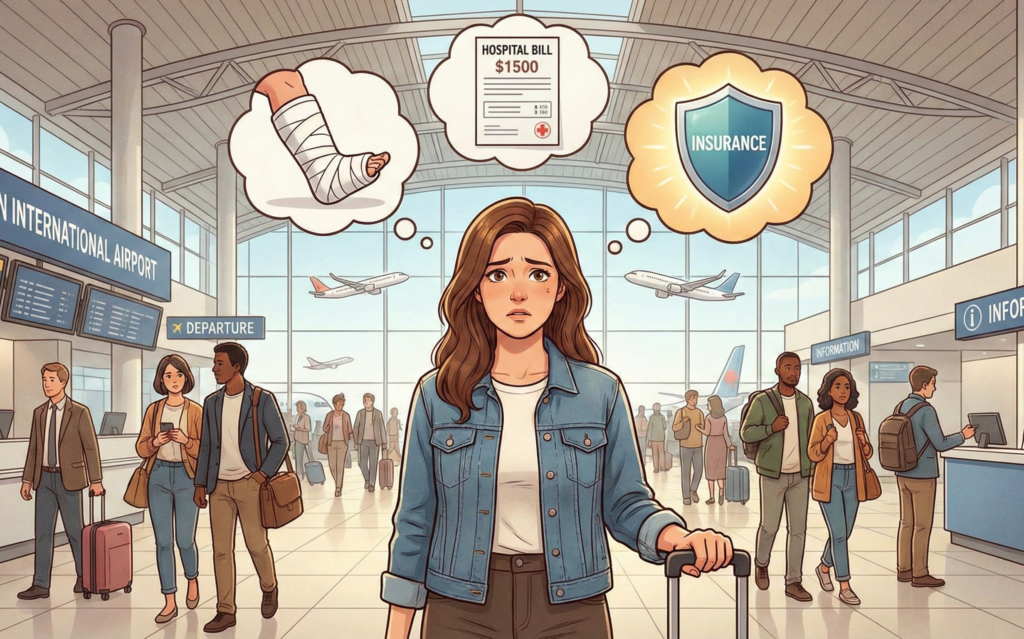
- Short-term Visitors: Choosing the Right Shield
- The 6-Month Gap: How to Stay Covered Before NHIS
- Long-term Residents (6+ Months): Joining the NHIS
- Immediate Eligibility: Visas with No Waiting Period
- Fact-Check: Medical Cost Comparison (Korea vs. USA)
- What Happens If You Don’t Pay? Penalties and Visa Risks
- Official Resources and Contact Information
Short-term Visitors: Choosing the Right Shield
For visitors staying under 90 days, you are not eligible for the national system. Although medical costs in South Korea are significantly more affordable than in many other developed nations, unexpected emergencies like a sudden surgery or an accident can still create unplanned expenses. Being prepared allows you to enjoy your trip with peace of mind.
Where to Buy Insurance
- Domestic Inbound Insurance: Major Korean insurers like Meritz Fire & Marine, Samsung Fire, and KB Insurance offer specific “Inbound” plans for foreigners. You can purchase these easily at dedicated kiosks in Incheon International Airport (ICN) arrival halls or through their English websites. These are often the easiest for local clinics to process.
- Global Travel Insurance: Providers like World Nomads or SafetyWing are ideal if you want a plan that also covers trip cancellations, lost high-end electronics, or emergency evacuation to your home country.
The 6-Month Gap: How to Stay Covered Before NHIS
Most long-term residents must wait six months before they are automatically enrolled in the National Health Insurance (NHIS). During this 180-day window, you are in a “coverage gap.” While Korean medical fees are generally low, a serious health issue during this time could be a burden.
The Solution: I highly recommend bridging this gap with Long-term Travel Insurance or Global Expat Insurance. Many international students are also offered or required to join private group plans provided by their universities (like those from DB Insurance) until their NHIS eligibility begins. Always check if your employer or school provides this temporary bridge policy.

Long-term Residents (6+ Months): Joining the NHIS
After six months of continuous residence, enrollment in the National Health Insurance Service (NHIS) becomes mandatory. This is a “social solidarity” system where everyone contributes to ensure affordable care for all. In 2026, the premiums reflect the world-class quality of Korean medical infrastructure.
- 2026 Premium Rate: 7.19% of your monthly income.
- Employee Subscriber: You pay 50% (3.595%), and your employer pays the other 50%.
- Local Subscriber: For those without a Korean employer, you pay based on income and assets. Foreigners typically pay the “Average Premium” of roughly 150,000–160,000 KRW (approx. $115–$125) per month.
- Student Discount: D-2 and D-4 visa holders generally receive a 50% discount on the local subscriber rate.
Immediate Eligibility: Visas with No Waiting Period
Certain visa categories do not have to wait six months and are eligible for coverage the day they register their stay (Alien Registration). These include:
- Study (D-2) & General Training (D-4-3)
- Non-professional Employment (E-9)
- Marriage Immigrant (F-6) & Permanent Resident (F-5)
Fact-Check: Medical Cost Comparison (Korea vs. USA)
It is important to note that the NHIS does not cover everything. Items like cosmetic surgery or premium dental work are “Non-covered” (Pi-geup-yeo). However, even for these, Korean prices are often much lower than in the U.S. due to high competition and regulated base fees.
| Procedure | NHI Status | Avg. Cost in Korea (USD) | Avg. Cost in USA (USD) |
|---|---|---|---|
| Basic Clinic Visit | ✅ Covered | $5 – $15 | $150 – $300 |
| Appendectomy (Surgery) | ✅ Covered | $800 – $1,500 | $20,000 – $35,000 |
| MRI (Medically Necessary) | ✅ Covered* | $100 – $300 | $1,000 – $3,000 |
| Dental Implant (Single) | ❌ Not Covered* | $1,000 – $2,000 | $3,000 – $5,000 |
| LASIK Eye Surgery | ❌ Not Covered | $1,500 – $2,500 | $4,000 – $6,000 |
| Rhinoplasty (Cosmetic) | ❌ Not Covered | $3,000 – $6,000 | $5,000 – $10,000 |
*MRI coverage requires a doctor’s referral for specific medical conditions. Dental implants are only covered for those aged 65+.
What Happens If You Don’t Pay? Penalties and Visa Risks
In Korea, health insurance is legally tied to your residency status. The NHIS and Immigration Office share a synchronized database, so non-payment is detected instantly.
- Visa Restrictions: Immigration will likely refuse a visa extension or only grant a 1-month “grace period” extension until the debt is cleared.
- Full Pricing: If you are in arrears, you lose all NHI subsidies and must pay the full “General” rate at hospitals.
- Asset Seizures: For long-term non-payment, the government can freeze your Korean bank accounts or seize local assets.
Official Resources and Contact Information
For the most accurate and up-to-date information, please consult these public institutions directly. They offer excellent multi-language support.
- National Health Insurance Service (NHIS):
- Website: www.nhis.or.kr
- Foreigner Hotline: 033-811-2000 (English, Chinese, Vietnamese)
- Hi Korea (Immigration Portal):
- Website: www.hikorea.go.kr
- Contact: 1345
- Ministry of Health and Welfare (MOHW):
- Website: www.mohw.go.kr
Korean Culture portal KCulture.com
Join the mailing service and add to your favorites.

Founder of Kculture.com and MA in Political Science. He shares deep academic and local insights to provide an authentic perspective on Korean history and society.