Introduction & Synopsis
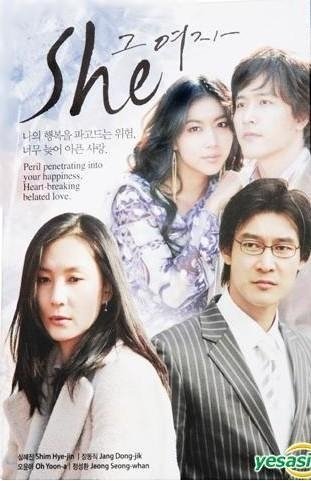
At the heart of That Woman (그 여자) is a poignant and powerful melodrama exploring the life of a woman whose identity is forged through sacrifice. The narrative centers on her unwavering dedication to her family, a path laden with personal hardship and societal judgment. Pitted against her is another woman, a contrasting figure whose life choices challenge traditional expectations. The intense dynamic between these two characters, masterfully portrayed by Choi Myung-gil and Kim Young-ran, forms the emotional core of a story that questions the true cost of duty in a restrictive world.
Aired in 1990 by the renowned production company MBC, this series arrived at a pivotal moment in South Korean history, capturing the anxieties and virtues of an era with profound emotional depth. It stands as a quintessential example of the classic Korean melodrama, a genre designed to explore the deepest recesses of the human heart.
Deep Cultural Insight: A Mirror to a Society in Transition
To watch That Woman is to look through a window into the South Korea of the early 1990s. The nation was experiencing the turbulent aftermath of its 1987 democratization and the global exposure from the 1988 Seoul Olympics. While the economy was booming and modern ideals were taking root, society was still governed by deeply entrenched Neo-Confucian values, especially concerning the role of women.
The drama’s protagonist embodies a key Korean cultural sentiment known as Han (한)—a complex feeling of unresolved sorrow, grief, and injustice. Her suffering is not merely personal; it reflects a collective female experience of being constrained by a patriarchal system. Her endurance and sacrifices are fueled by Jeong (정), the powerful, ineffable bond of loyalty and affection that connects Koreans, particularly within the family unit. For a global audience, understanding these concepts is crucial. The heroine’s choices are not signs of weakness but are presented as acts of immense strength, driven by a profound sense of communal responsibility that often supersedes individual desire.
Narrative Analysis: The Art of Emotional Endurance
A Story of Character, Not Just Plot
Unlike contemporary dramas that rely on rapid plot twists, That Woman builds its narrative power through meticulous character development and sustained emotional tension. The storytelling is a slow burn, designed to immerse the viewer in the protagonist’s psychological and emotional journey. The central conflict is less about external events and more about the internal battles waged within the characters’ hearts: duty versus desire, tradition versus self-fulfillment, and sacrifice versus personal happiness. The drama’s compelling nature lies in its raw, unfiltered exploration of these timeless human dilemmas, making every quiet moment of suffering and every small act of defiance resonate with immense power.
The Pulse of the Time: A National Phenomenon
Upon its release, That Woman was not just a television show; it was a cultural event. The series achieved massive viewership ratings, becoming a staple of household conversation across the country. It struck a powerful chord with audiences, particularly middle-aged women who saw their own unspoken struggles and sacrifices validated on screen. The drama’s raw emotional honesty created a deep connection with the public, solidifying its place as one of the most significant and beloved series of the year. The ultimate proof of its impact came when its lead actress, Choi Myung-gil, was awarded the prestigious Daesang (Grand Prize) at the 1990 MBC Drama Awards for her transformative performance.
Cast Spotlight: A Career-Defining Performance
Choi Myung-gil as the Icon of Sacrifice
Choi Myung-gil’s performance in That Woman is nothing short of legendary. She delivered a masterclass in subtlety and emotional depth, portraying a character defined by resilience rather than victimhood. She captured the essence of Han, conveying years of sorrow and fortitude through a single gaze or a trembling hand. This role cemented her status as one of Korea’s premier actresses, a talent capable of embodying the complex soul of a generation. Alongside her, Kim Young-ran provided a brilliant counterpoint, playing her character with a complexity that prevented the story from becoming a simple morality play. Their on-screen chemistry created a compelling push-and-pull that elevated the entire production.
Global Viewing Guide
For international fans looking to explore this classic, several platforms specialize in vintage Korean content. Your best options currently include:
- MBC Classic YouTube Channel: MBC often uploads full episodes of its classic dramas, sometimes with community-provided subtitles.
- Kocowa: As a joint venture of the top Korean broadcasters (KBS, MBC, SBS), this platform is a primary source for classic and repertory titles.
Final Verdict
For viewers seeking to understand the roots of modern K-drama and the cultural DNA of Korean storytelling, That Woman is essential viewing. It is more than a melodrama; it is a historical document and a poignant work of art that explores the enduring strength of the human spirit. A powerful, moving journey into the heart of a bygone era.

The KCulture Editorial Team is dedicated to providing deep insights and accurate information about the vibrant world of Korean culture.