
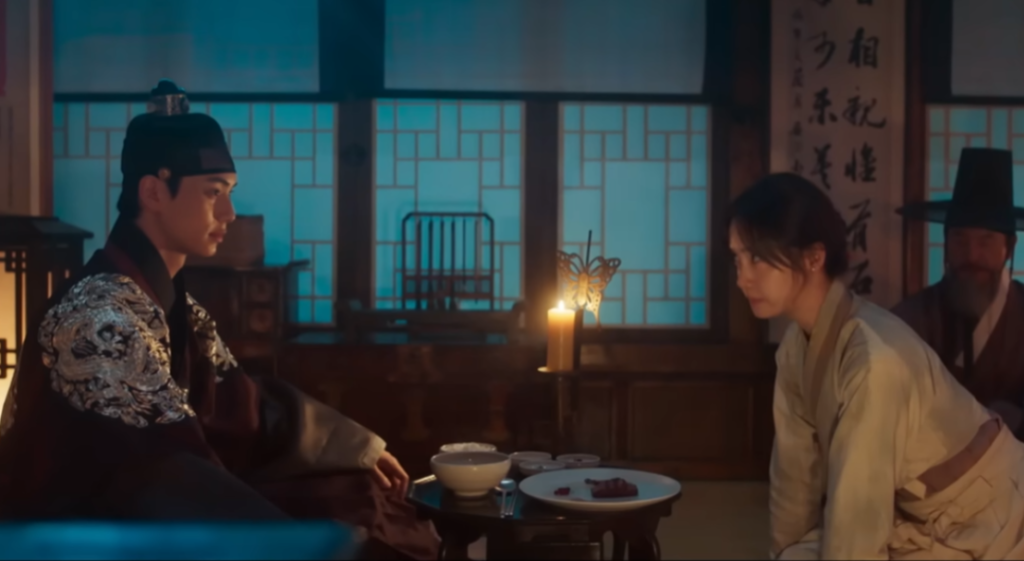
If you have ever watched a Korean historical drama, or “Sageuk,” you have likely seen royalty and scholars sitting before small, individual wooden tables filled with colorful dishes. These are known as Soban (소반), traditional Korean portable tray-tables that represent the essence of Korea’s floor-sitting culture and aesthetic philosophy. In this guide, I will explain the different types of Korean tables, focusing on the exquisite beauty and practical uses of the Soban, which remains a beloved item in modern Korean interior design.
- Understanding the Korean Sang: More Than Just a Table
- Types of Korean Tables by Purpose and Occasion
- The Masterpiece of Miniatures: The Aesthetic of Soban
- Regional Varieties: Distinctive Styles Across Korea
- Symbolism in Design: The Meaning Behind Leg Shapes
- Modern Living: How to Use a Soban Today
- Frequently Asked Questions about Korean Tables
Understanding the Korean Sang: More Than Just a Table
In traditional Korean architecture, the floor serves as the primary space for living, sleeping, and dining thanks to Ondol, the unique underfloor heating system. Because people sat directly on the floor, Korean furniture developed to be low to the ground. The general term for these tables is Sang (床).
If you’re interested in the architectural foundation behind these tables, check out our guide on The Science of Hanok: Traditional Korean Architecture.
Unlike Western dining tables that are heavy and fixed in a dining room, a Korean Sang is designed to be portable. In a traditional household, the food was prepared in the kitchen (Bueok) and then carried on the table itself to the living quarters. This required the tables to be lightweight yet sturdy enough to hold a full meal, leading to the sophisticated craftsmanship we see today.
💡 Local Note: When you see a server carrying a table directly to a guest in a traditional Korean restaurant, you are witnessing a custom that has lasted for centuries. It is a gesture of hospitality, bringing the entire “dining room” to the guest.
Types of Korean Tables by Purpose and Occasion
Korean tables are specifically named based on the items they hold or the occasion they celebrate. The “Doksang” culture, or the tradition of dining alone at one’s own table, was a way to show respect to the individual and maintain hygiene.
Common Categories of Traditional Tables
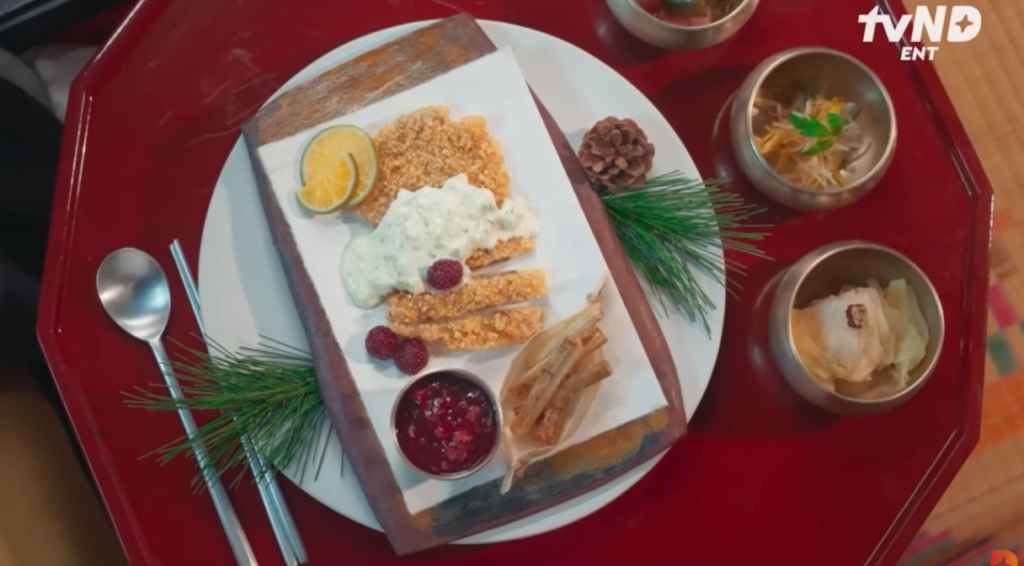
- Babsang (밥상): The most fundamental table used for daily meals consisting of rice and side dishes.
- Juansang (주안상): A table specifically prepared for serving alcohol and accompanying snacks (Anju).
- Chasang (차상): A small, elegant table used for tea ceremonies.
- Dolsang (돌상): A ceremonial table used for a child’s first birthday, decorated with symbolic items.
- Yaksang (약상): A small table used to serve medicinal decoctions or tonics to the elderly or the sick.
- Beonsang (Gonggosang): A unique table used for transporting food in government offices or palaces; it has an opening at the bottom so it can be carried on the head.
The Masterpiece of Miniatures: The Aesthetic of Soban
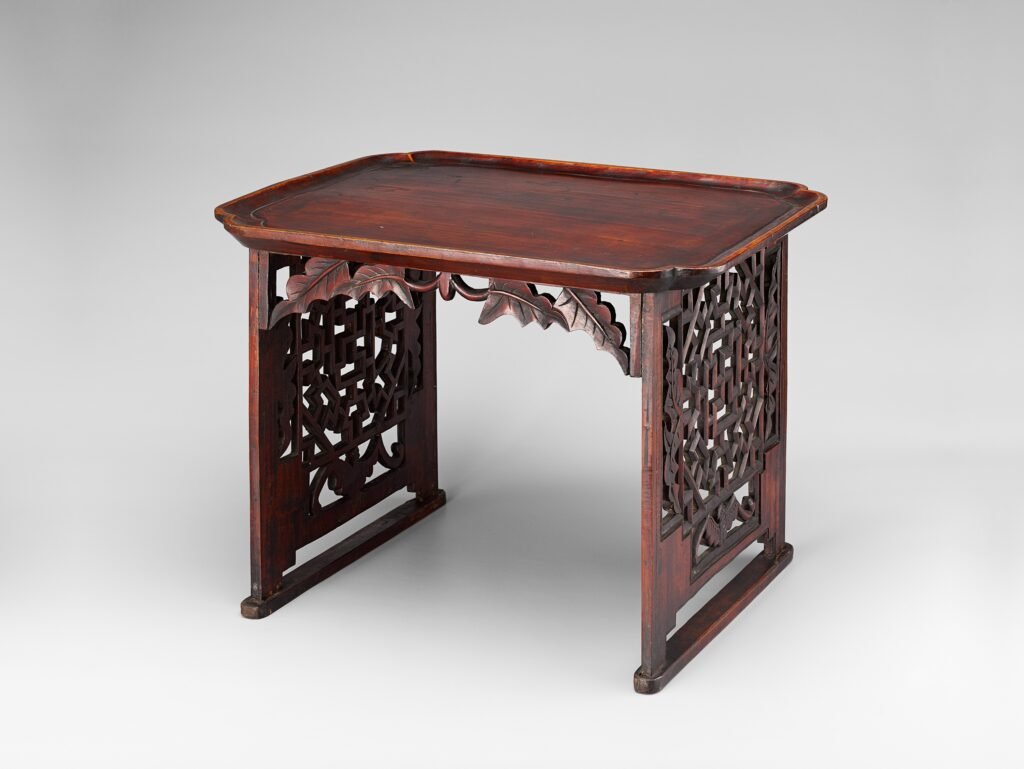
While “Sang” is a broad term, Soban refers specifically to the small, one-person pedestal tables. I consider the Soban to be the pinnacle of Korean woodwork because it balances structural integrity with artistic flair. They are usually made from light but durable woods like pine, ginkgo, or walnut, and finished with natural lacquer (Ottchil) to provide waterproofing and a deep, lustrous shine.
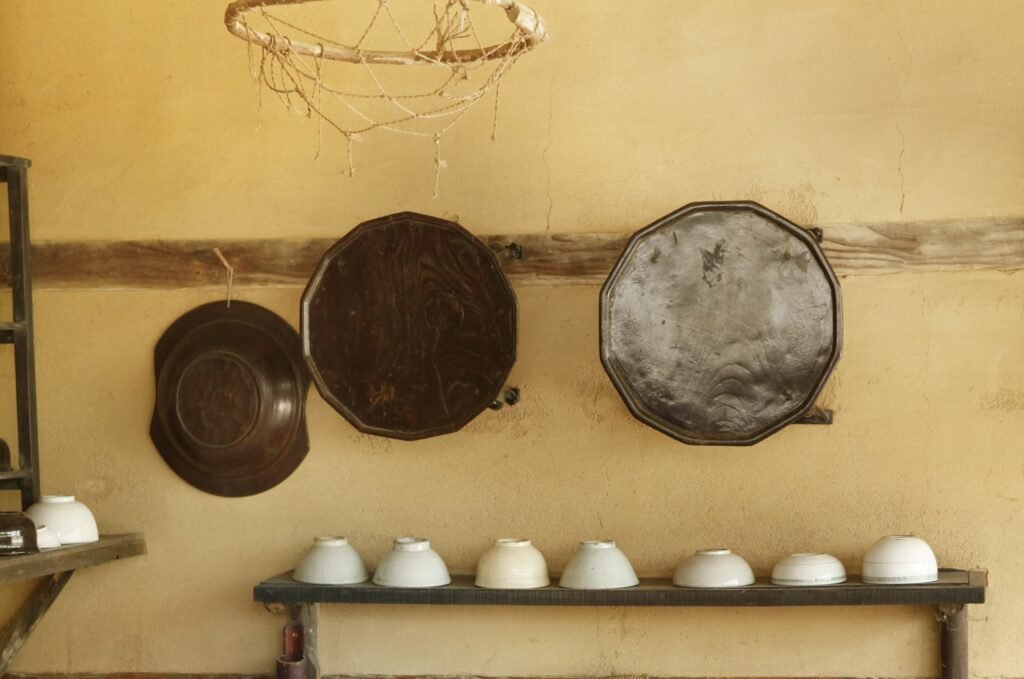
The beauty of the Soban lies in its transformative nature. It is a functional piece of furniture when in use, but when leaned against a wall or stacked, it becomes a sculptural element that enhances the space. This minimalist approach to living—where items are brought out only when needed—is a core part of Korean traditional aesthetics.
Regional Varieties: Distinctive Styles Across Korea
During the Joseon Dynasty, different regions developed their own signature styles of Soban based on local materials and artistic preferences. There are approximately 60 different types of Soban recognized today.
Comparison of Major Regional Sobans
| Region | Type Name | Key Characteristics |
|---|---|---|
| Hwanghae-do | Haejuban | Known for elaborate openwork carvings on the side panels and ornate mother-of-pearl decorations. |
| Jeolla-do | Najuban | Favors a simple, clean design that highlights the natural wood grain. Very elegant and refined. |
| Gyeongsang-do | Tongyeongban | Highly durable and practical, often featuring beautiful lacquerwork and sturdy construction. |
| Gangwon-do | Gangwonban | Reflects the mountainous region with a rugged, simple, and unadorned natural beauty. |
Symbolism in Design: The Meaning Behind Leg Shapes
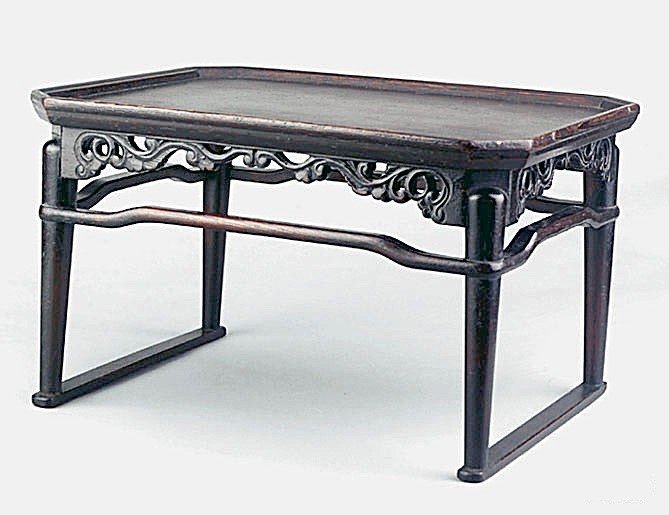
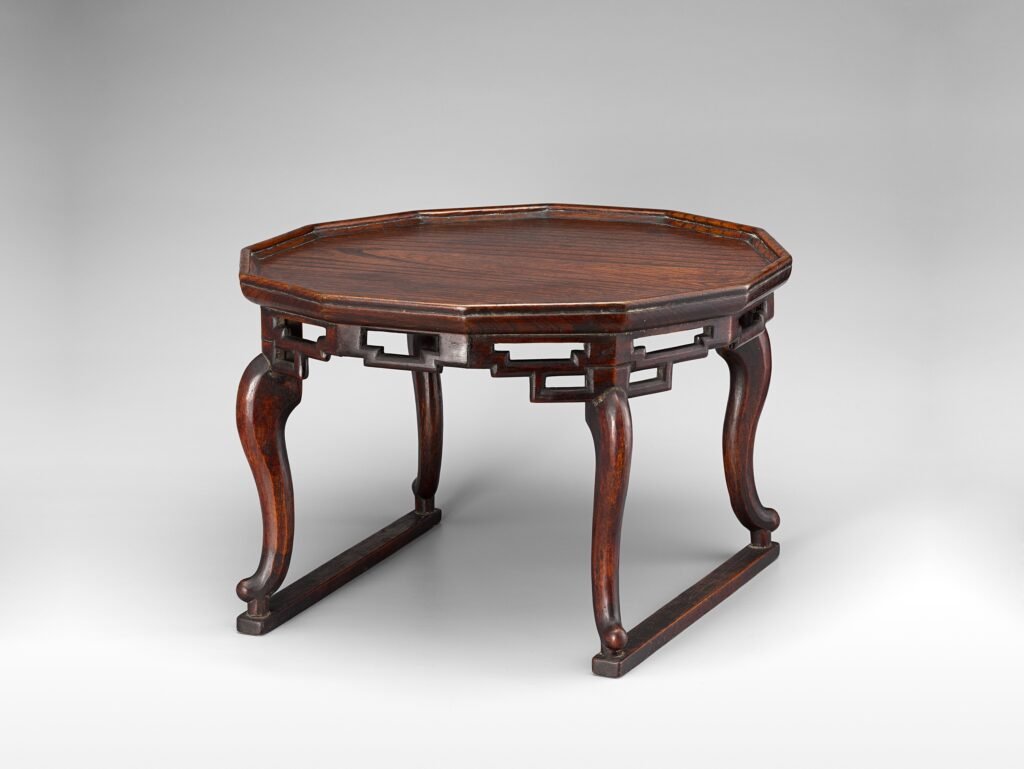
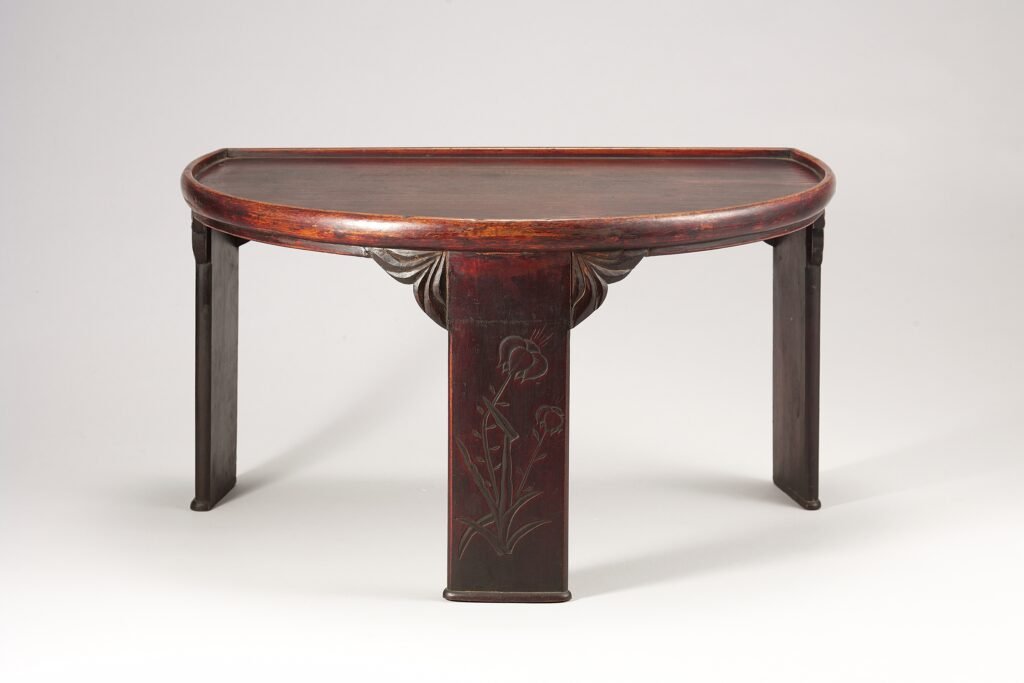
One of the most charming aspects of a Soban is its legs. The design of the legs often mimics animals or natural forms, adding a touch of personality to the furniture.
- Hojokban (Tiger-leg): The legs curve outward and then taper down, resembling the powerful legs of a tiger. These are common in the ornate Hejuban style.
- Gujokban (Dog-leg): The legs curve inward at the bottom, resembling a dog’s leg. This is the most common and friendly design found in many households.
- Iljuban (Single-leg): A table with a single central pillar, often used in temples for monks or for ceremonial purposes.
- Gakban: Refers to tables with square or rectangular tops, while Wonban refers to circular tops.
Modern Living: How to Use a Soban Today
As a local living in Korea, I see more and more young people incorporating Soban into their modern apartments. You don’t need a traditional house to enjoy the charm of these tables. Here are a few ways I recommend using them:
- The Perfect Bedside Table: A Soban is the ideal height for a nightstand. Its small surface is perfect for a book, a pair of glasses, and a phone.
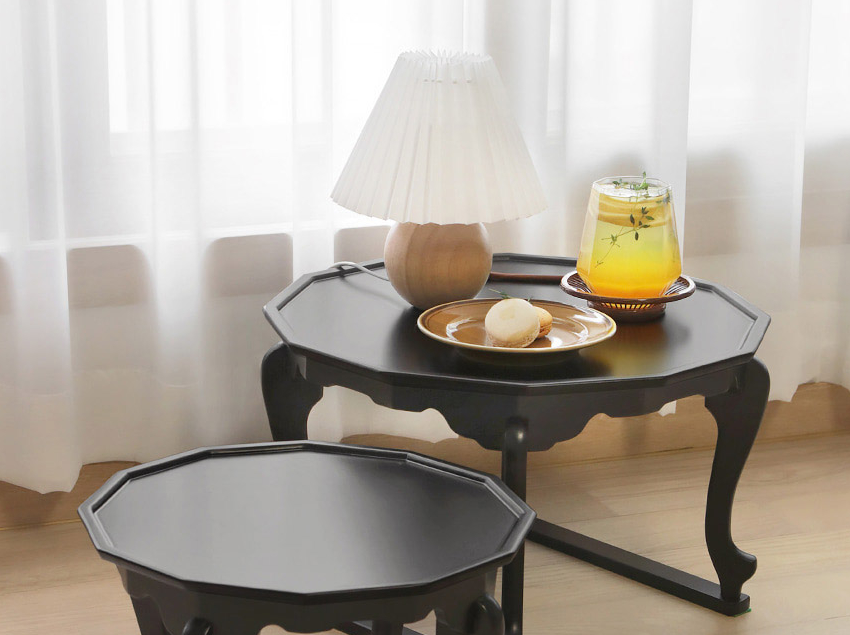
- Home Cafe Vibes: Use a Soban to serve tea or coffee to guests while sitting on a rug. It creates an intimate, cozy atmosphere that a large dining table cannot replicate.
- Artistic Display: Place a small plant or a piece of ceramic art on a Soban in your entryway. It acts as a beautiful pedestal that adds a “vintage Korean” touch to your decor.
- Work-from-Home Desk: If you enjoy sitting on the floor, a larger Soban can serve as a stylish laptop stand.
📌 Pro Tip: When moving a Soban, it is traditional etiquette to hold it with two hands by the sides of the tabletop and lift it to chest height. This shows respect for the food and the craftsmanship of the table.
Frequently Asked Questions about Korean Tables
Are Sobans expensive?
The price varies greatly. Mass-produced modern versions are affordable, but authentic, hand-lacquered pieces made by certified master craftsmen (Intangible Cultural Heritage) can cost thousands of dollars as they are considered fine art.
What kind of wood is best for a Soban?
Ginkgo wood is highly prized because it does not warp easily and is naturally resistant to insects. Pine is also very common for its beautiful grain and lightweight properties.
How do I maintain a lacquered Soban?
Avoid using harsh chemicals. Simply wipe it with a soft, damp cloth and dry it immediately. Keep it out of direct sunlight to prevent the lacquer from fading or cracking over time.
Korean Culture portal KCulture.com

Founder of Kculture.com and MA in Political Science. He shares deep academic and local insights to provide an authentic perspective on Korean history and society.