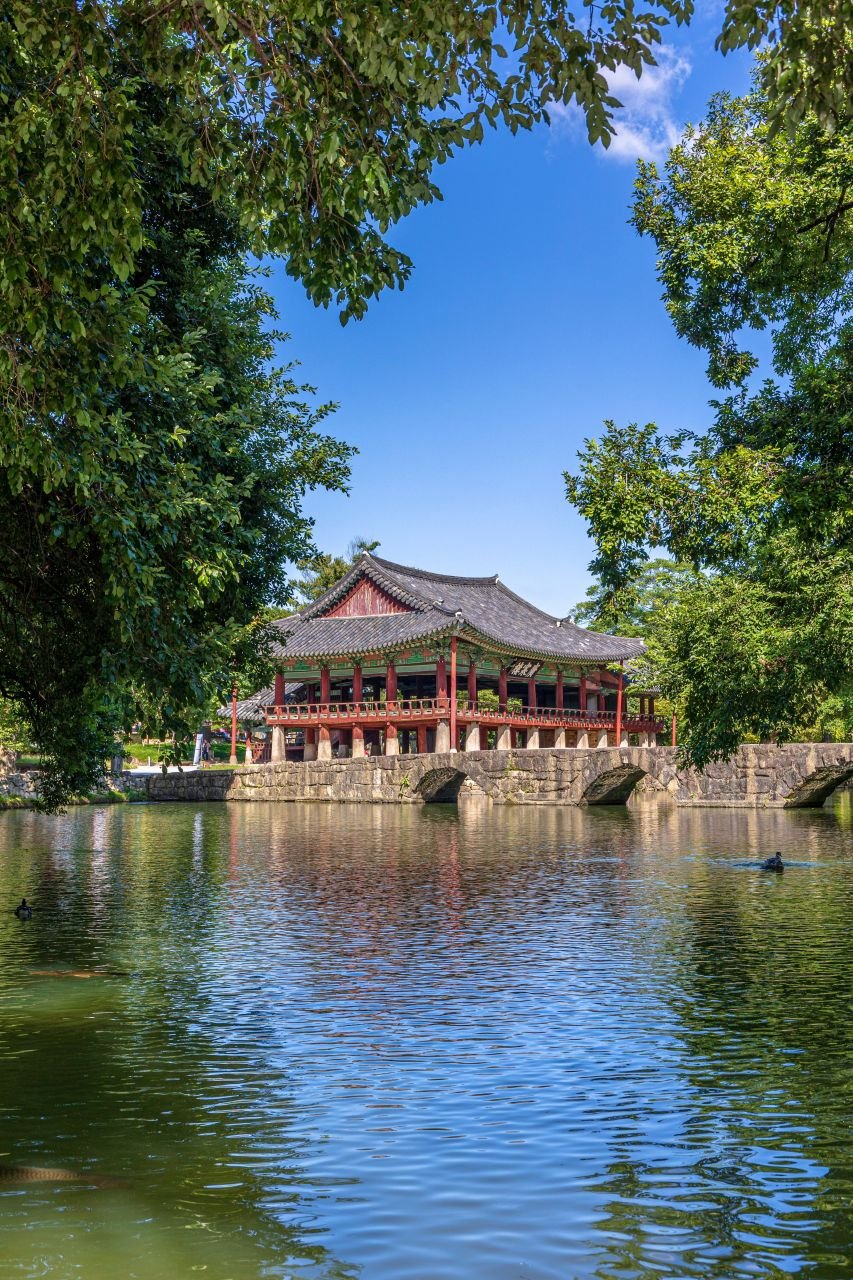
Gwanghalluwon Pavilion in Namwon is a quintessential Joseon Dynasty garden masterfully designed to replicate a heavenly Taoist palace on earth, serving as the historical birthplace of Korea’s classic romance, Chunhyangjeon, and an incredibly popular filming location for iconic K-dramas like ‘Love in the Moonlight’ and acclaimed movies like Im Kwon-taek’s ‘Chunhyang’. If you are a devoted fan of Korean historical dramas or movies, chances are you have already been captivated by the breathtakingly beautiful pavilions and stone bridges of this magical place through your screen.
Living in Korea, I can confidently tell you that stepping into this historic garden feels exactly like walking straight into a television set. The lush greenery, the tranquil pond, and the grand architecture instantly transport you back in time. In this insider’s guide, we will explore the fascinating history of this celestial garden, its deep connection to traditional Korean music, a detailed breakdown of the famous K-dramas filmed here, and highly practical travel tips to help you plan the perfect trip.
- The Heavenly Palace on Earth: History of Gwanghalluwon
- The Korean Romeo and Juliet: Chunhyangjeon and Pansori
- Namwon: The Sacred Birthplace of Dongpyeonje
- K-Drama and Movie Filming Locations at Gwanghalluwon
- Essential Visitor Info: Opening Hours, Admission & Perks
- How to Get There and Recommended Itineraries
- Local Food Recommendations and Alternatives
- Essential Travel Tips and Winter Attractions
The Heavenly Palace on Earth: History of Gwanghalluwon
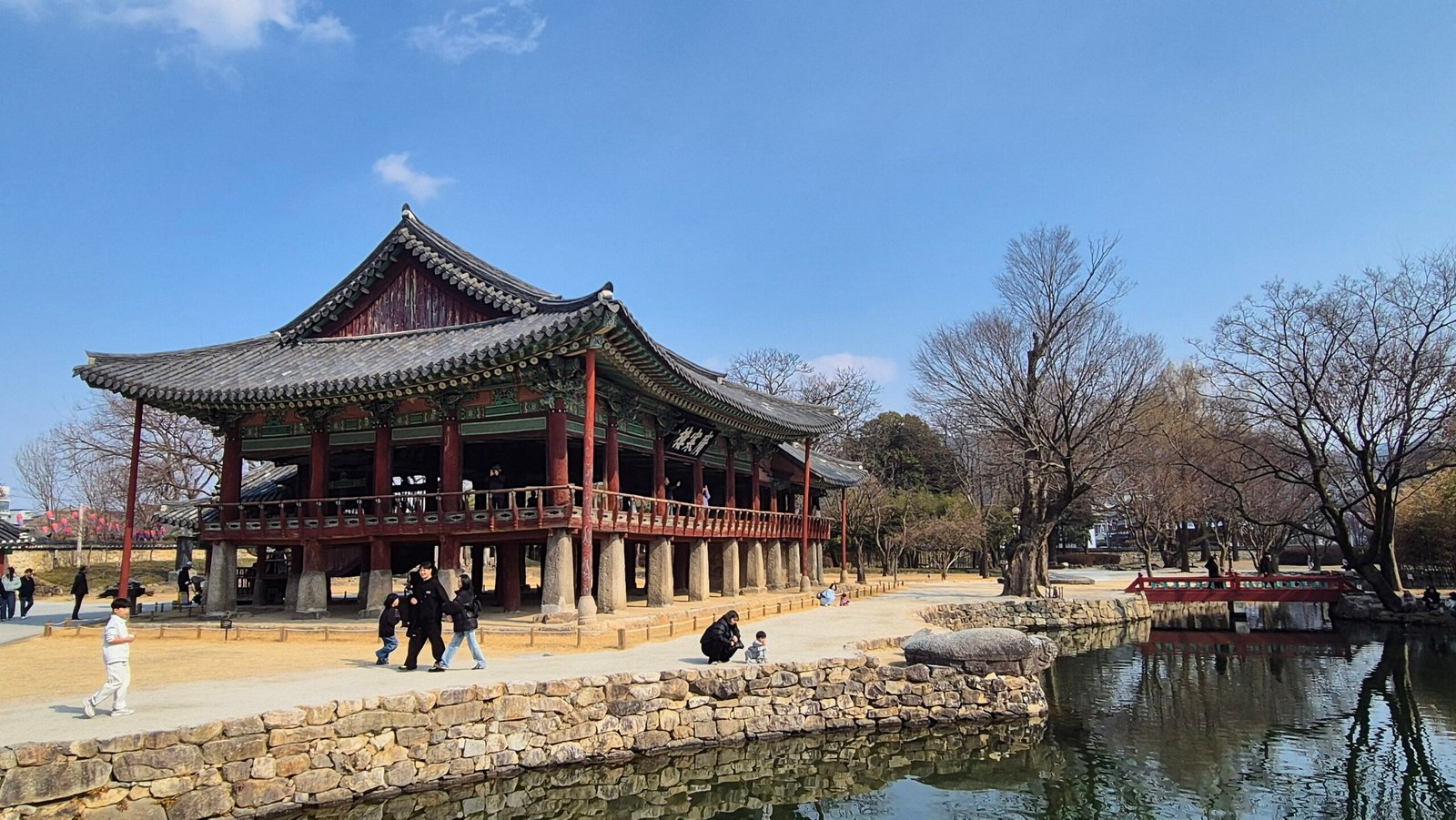
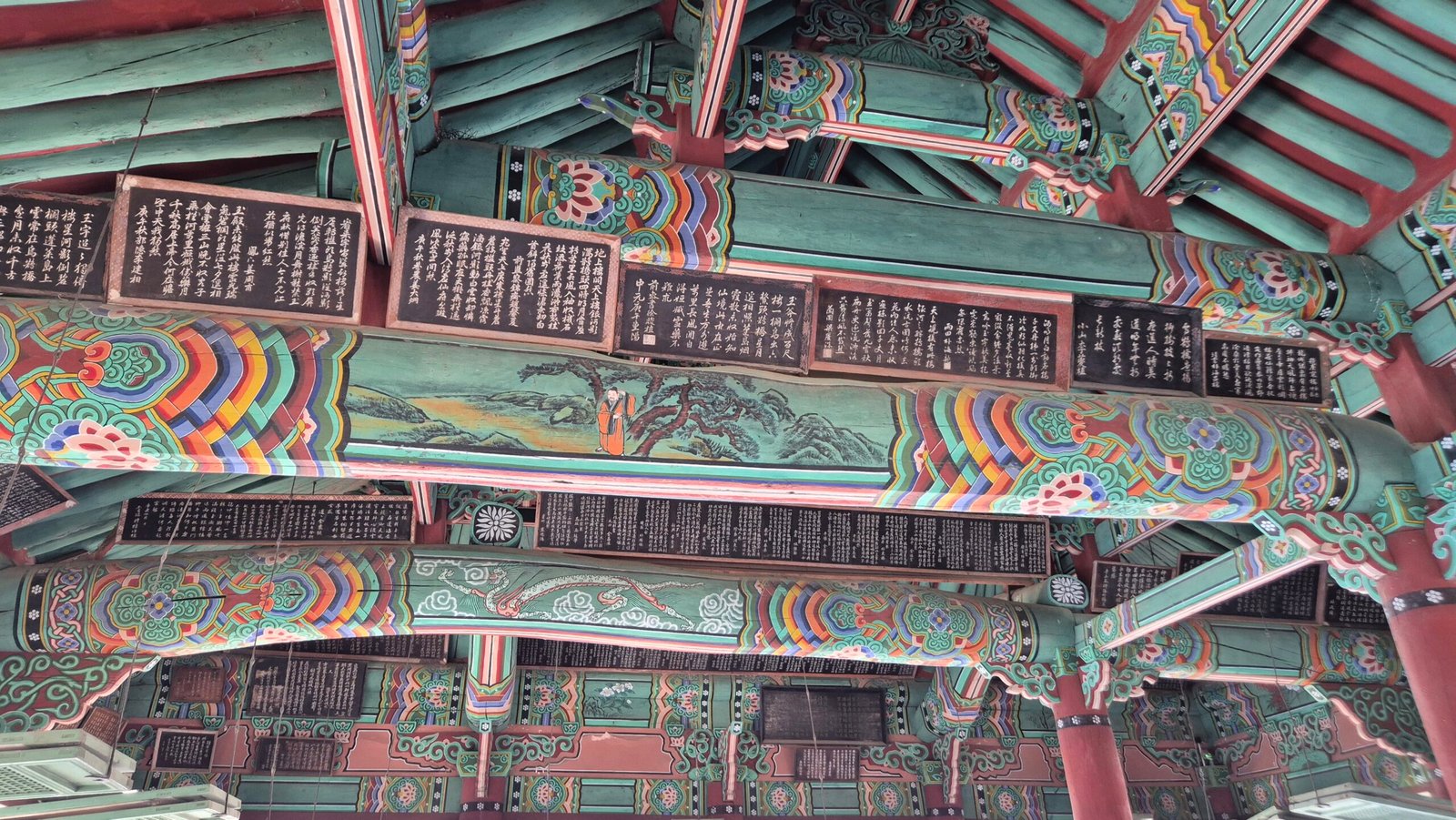
When introducing Gwanghalluwon (광한루원) to international visitors, the most crucial thing to understand is that it is not just a simple public park. It is the absolute embodiment of the Joseon Dynasty’s worldview, carefully constructed to bring the Taoist utopian ideal—a world of immortals—down to the earthly realm.
The origins of this breathtaking garden date back to 1419 during the reign of King Sejong. Hwang Hui, a renowned prime minister of the Joseon Dynasty, built a small pavilion named Gwangtongnu while in exile in Namwon. Later in 1434, the eminent scholar Jeong In-ji was so utterly mesmerized by the surrounding scenery that he famously declared it looked just like the legendary “Palace on the Moon” and officially renamed it Gwanghallu (광한루).
The garden reached its ultimate form in 1582 when the local magistrate Jeong Cheol expanded the grounds. He drew water from the nearby river to create a vast pond symbolizing the Milky Way. Over this celestial pond, he constructed the iconic Ojakgyo (오작교) bridge, inspired by the mythical tale of the cowherd and the weaver girl. Inside the pond, three artificial islands were built to represent the legendary sacred mountains where immortals reside. Although the pavilion was tragically burned down during the Japanese invasions in 1597, it was meticulously restored in 1626 to the grand state we can admire today.
The Korean Romeo and Juliet: Chunhyangjeon and Pansori
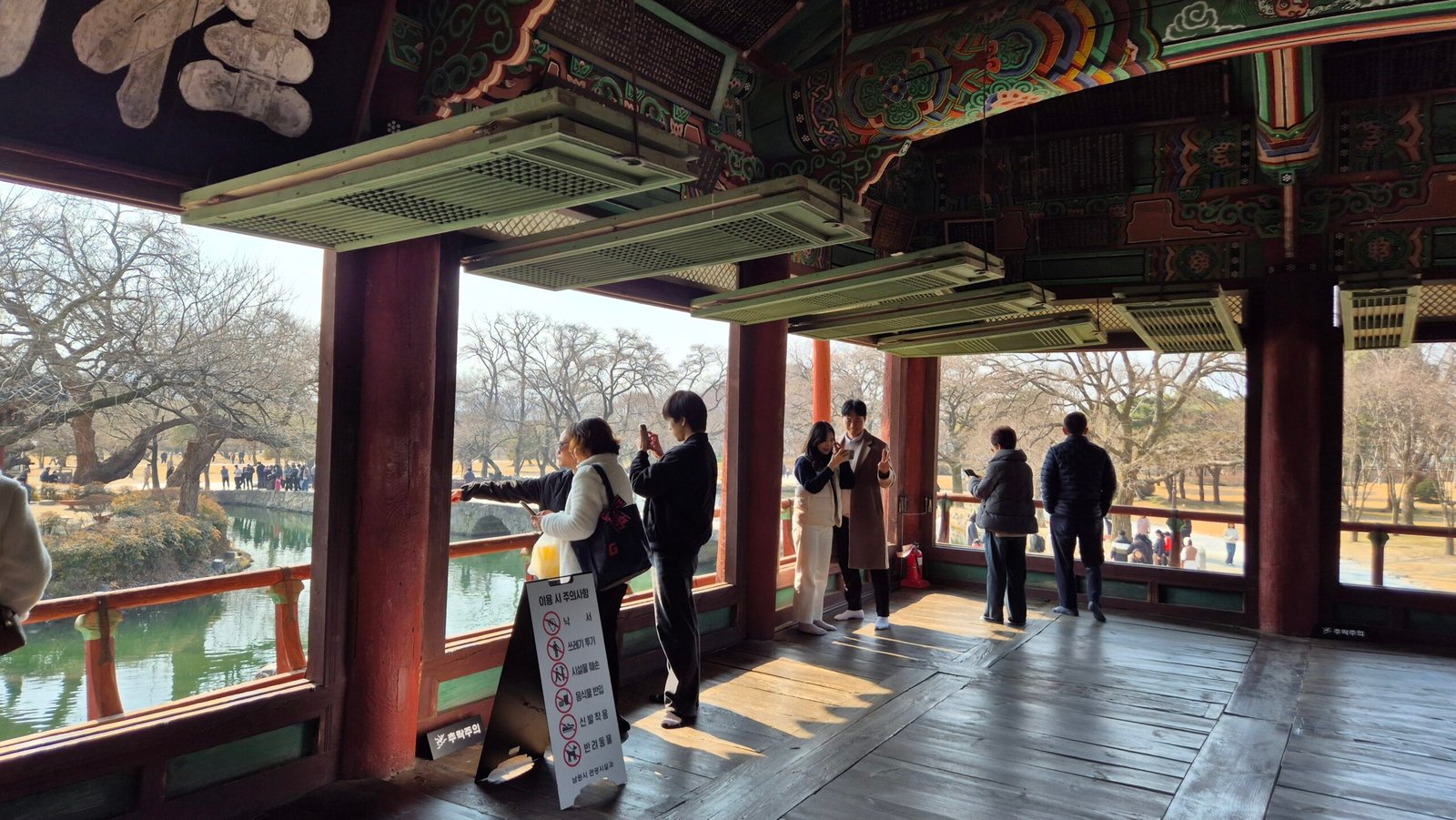
Gwanghalluwon Pavilion in Namwon is the central stage for Korea’s most beloved classic romance, Chunhyangjeon (The Tale of Chunhyang). For those unfamiliar with Korean literature, it is easiest to understand it as the “Korean Romeo and Juliet,” but with a highly satisfying happy ending that triumphantly overcomes strict social class barriers.
Meaning and Anonymous Authorship: Written by an anonymous author during the late Joseon Dynasty (estimated around the 18th century), the exact creator remains unknown. The story vividly details the passionate love between Lee Mong-ryong, the son of a noble aristocrat (Yangban), and Seong Chun-hyang, the beautiful daughter of a female entertainer (Gisaeng). Their unwavering devotion that transcended their rigid social status, coupled with the dramatic and exhilarating punishment of a deeply corrupt local official named Byeon Hak-do, provided an immense sense of emotional catharsis for the common people of that era.
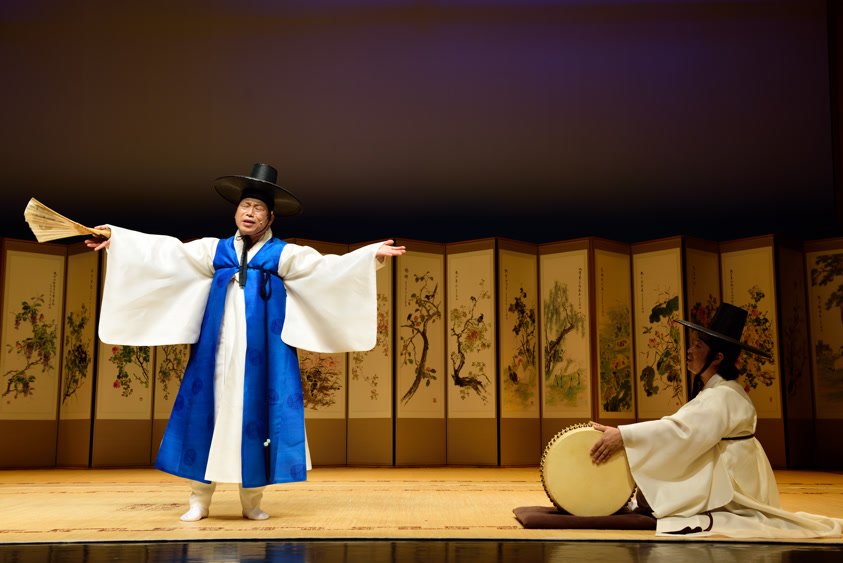
Evolution from Pansori to a Novel: It is crucial to note that Chunhyangjeon was not originally written as a novel from the start. Its true origin lies in Chunhyangga (The Song of Chunhyang), a traditional oral storytelling art form known as Pansori, which was sung and passed down from mouth to mouth by performing clowns and artists. Because this song gained such explosive popularity among the masses, it was eventually recorded in text by later generations, firmly establishing itself as a “Pansori-based novel.”
*Below is the 2000 film Chunhyang directed by Im Kwon-taek, available on YouTube.
Namwon: The Sacred Birthplace of Dongpyeonje
Gwanghalluwon Pavilion is located in Namwon, a city that is considered the sacred umbilical cord of traditional Korean music, Pansori. Pansori styles are geographically divided much like grand mountain ranges, and the style that fiercely blossomed centered around Namwon is known as Dongpyeonje (Eastern School).
The Connection Between Dongpyeonje and Namwon: Perfected in the early 19th century by the master singer Song Heung-rok, who was born in the Unbong area of Namwon, Dongpyeonje heavily mirrors the majestic and magnificent energy of nearby Jirisan Mountain. This specific singing style (known as Ujo) is characterized by a grand, deeply masculine vocal technique that completely commands the space by belting out the voice naturally without relying on delicate, artificial embellishments. Namwon is filled with historical sites related to Pansori, and it is the very place where the song of Chunhyang blossomed most beautifully.
K-Drama and Movie Filming Locations at Gwanghalluwon
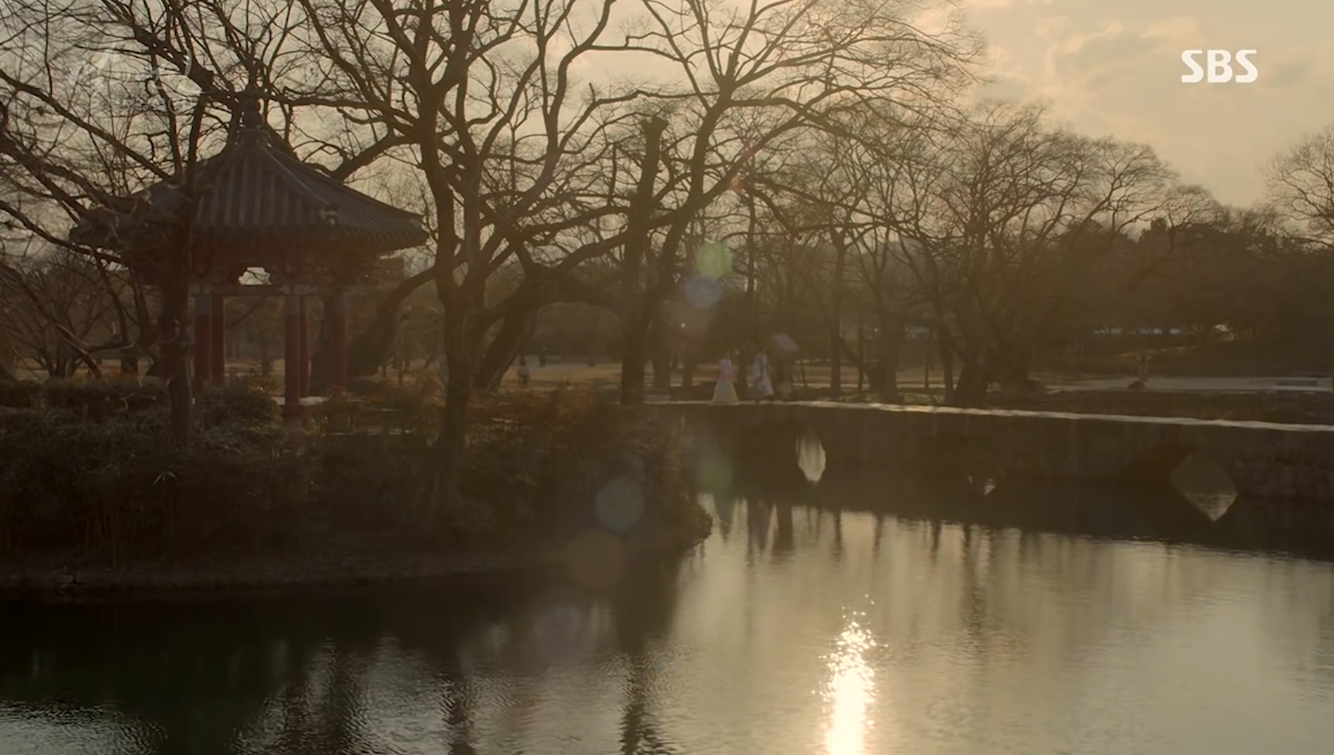
[Image of Ojakgyo bridge in Gwanghalluwon reflecting K-drama scenes]
With its serene wooden pavilions, the expansive “Milky Way” pond, and the romantic stone arches of Ojakgyo bridge, this garden is a holy grail for Korean historical drama productions. As a fan, walking across these exact bridges makes you feel like the main protagonist of a grand romantic epic.
Must-Know Masterpieces Filmed Here
- Chunhyang (2000): Directed by the legendary Im Kwon-taek, this visually stunning film is perhaps the most significant cinematic representation of the garden. It beautifully captures the authentic essence of the original tale, and walking through the grounds feels like stepping directly into the scenes of this classic masterpiece.
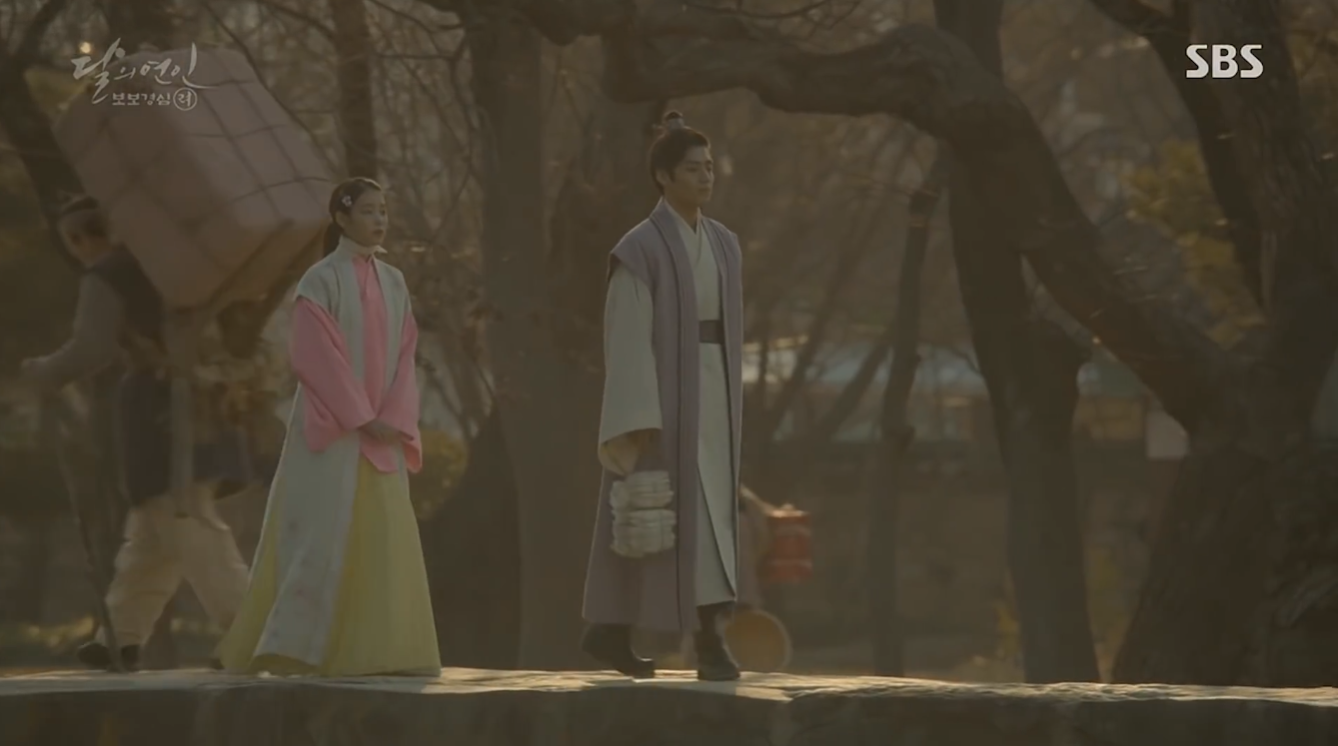
- Love in the Moonlight (2016): Starring Park Bo-gum and Kim Yoo-jung, this globally beloved romance heavily featured the garden. The unforgettable scene where the disguised eunuch Hong Ra-on accidentally falls into the water, and Crown Prince Lee Yeong unhesitatingly dives into the pond to save her, was filmed right here. The characters also shared many heartfelt conversations while strolling along the pond’s scenic edges.
- Moon Lovers: Scarlet Heart Ryeo (2016): Featuring IU and Lee Joon-gi, this drama remains a top favorite for international fans. The dreamlike sequences where Hae Soo and the royal princes wander through the palace gardens, forging deep emotional connections on a beautiful stone bridge, were captured around Ojakgyo and the Wanwoljeong pavilion.
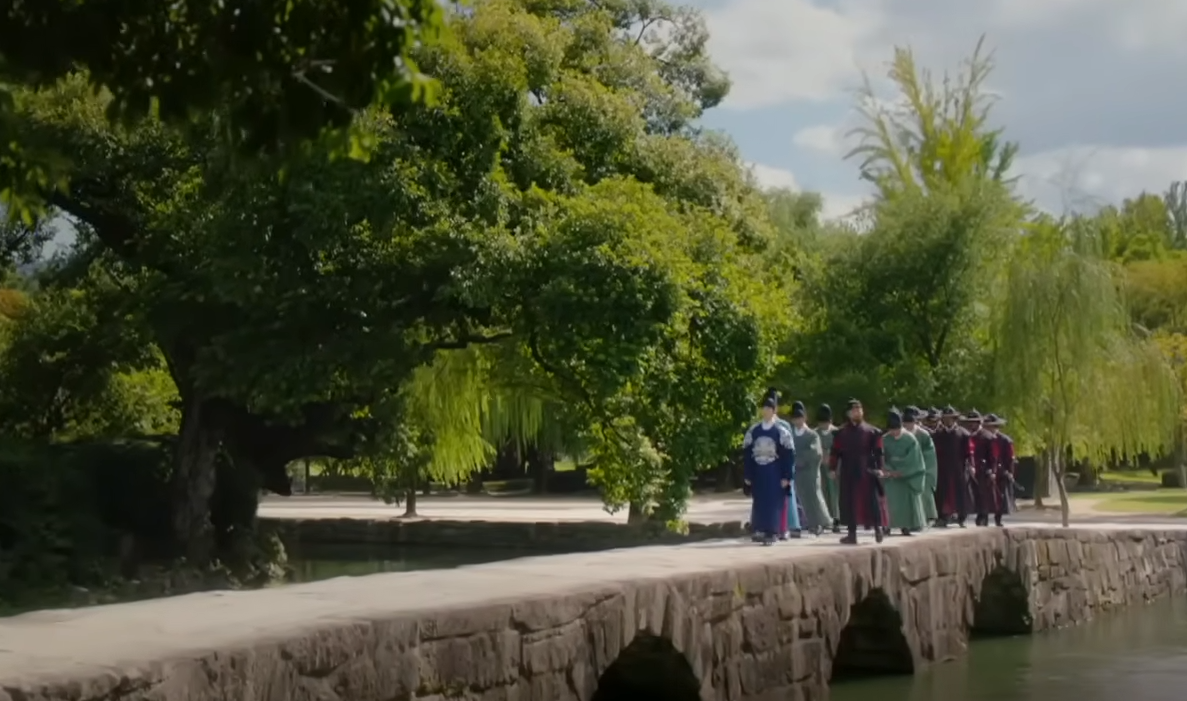
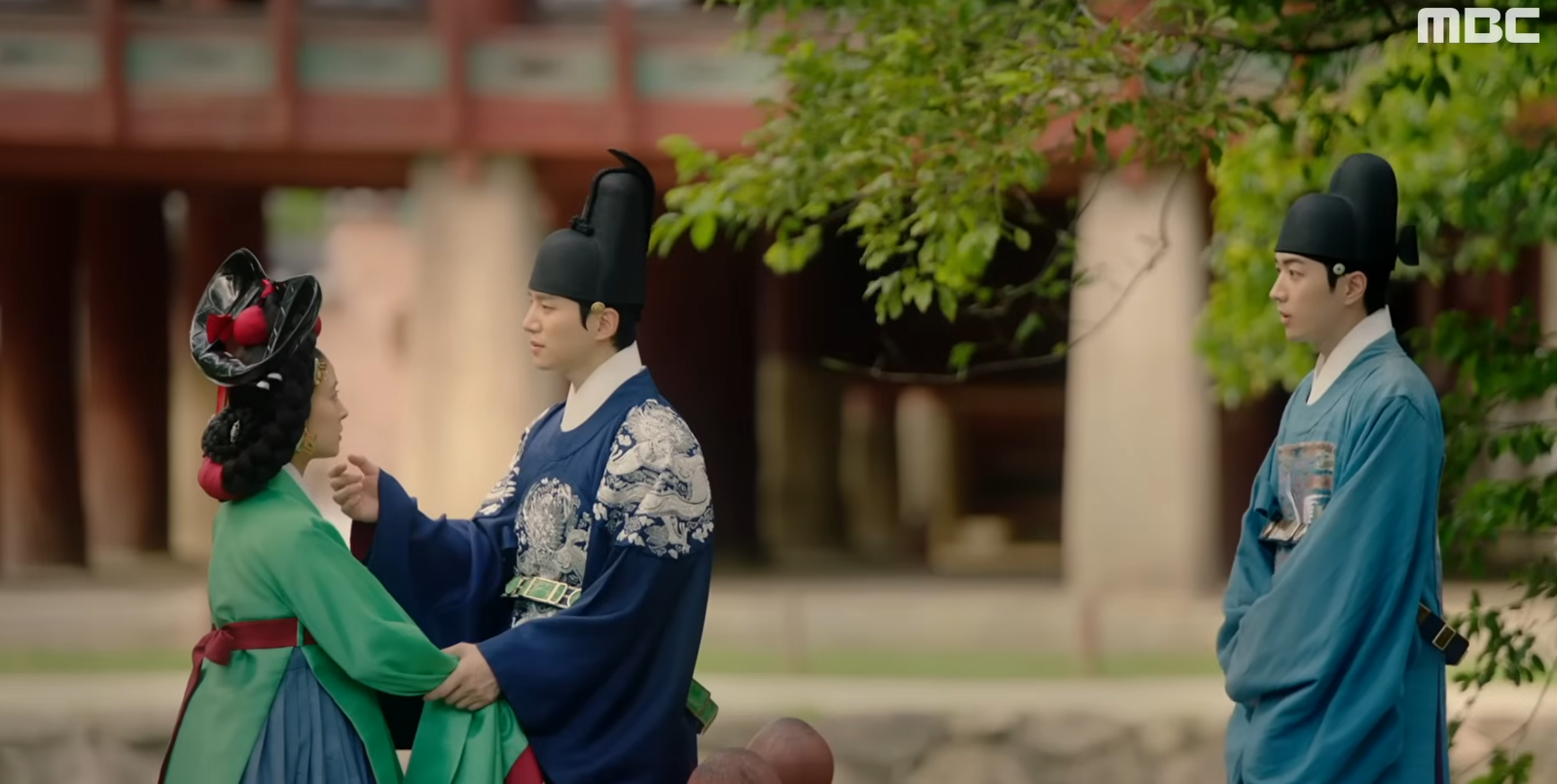
- The Red Sleeve (2021): Praised as a masterpiece of recent historical dramas, it tells the heartbreakingly beautiful romance of King Jeongjo and Royal Noble Consort Uibin Seong. The breathtaking summer scenes where court lady Seong Deok-im and Lee San walk through the lush, vibrant green palace grounds were perfectly framed by Gwanghalluwon’s brilliant foliage.
- Masquerade (2012): This blockbuster movie starring Lee Byung-hun utilized the sheer majesty of the pavilion to amplify the royal atmosphere. The memorable moments where the fake king strolls by the pond, engaging in conversations that are both highly comedic and profoundly serious with his ministers, perfectly showcased the grandeur of the architecture.
Comprehensive List of Filming Records
Beyond the major hits, countless other renowned works have utilized this celestial garden. Here is a quick reference guide:
| Year | Movies |
|---|---|
| 2000 | Chunhyang |
| 2012 | Masquerade |
| 2013 | The Face Reader |
| 2015 | The Sound of a Flower |
| 2019 | Forbidden Dream |
| Year | K-Dramas |
|---|---|
| 2016 | Love in the Moonlight, Moon Lovers: Scarlet Heart Ryeo |
| 2018 | 100 Days My Prince, Mr. Sunshine |
| 2019 | The Crowned Clown |
| 2021 | The King’s Affection, The Red Sleeve |
| 2022 | Bloody Heart, Under the Queen’s Umbrella |
Essential Visitor Info: Opening Hours, Admission & Perks
To make the absolute most out of your trip, it is crucial to know the operating hours and the amazing local perks provided to visitors.
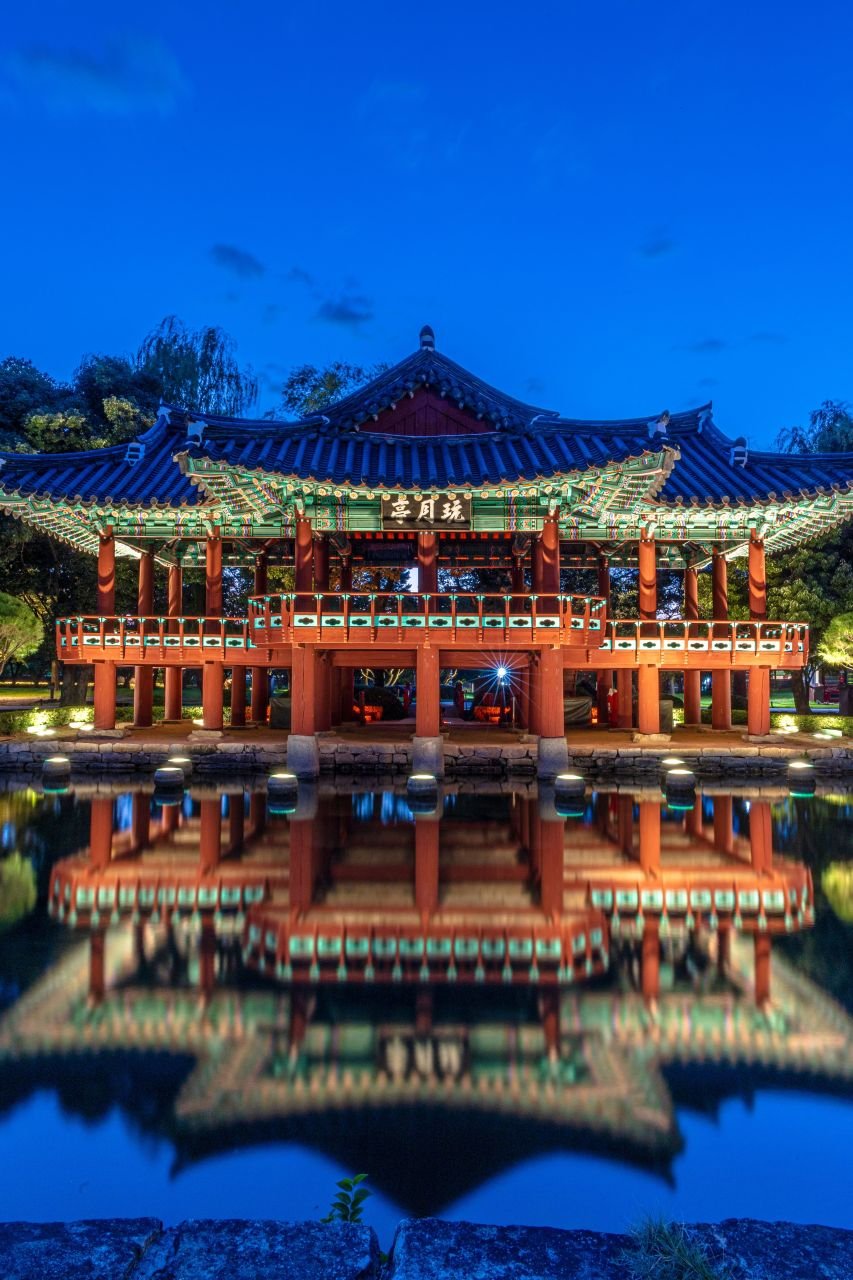
Opening Hours and Rest Days
The garden is open year-round without any regular closing days (연중무휴). The operating hours vary slightly depending on the season:
- Summer Season (April–October): 08:00 – 21:00 (Sometimes extended to 22:00 during special night opening periods)
- Winter Season (November–March): 08:00 – 20:00
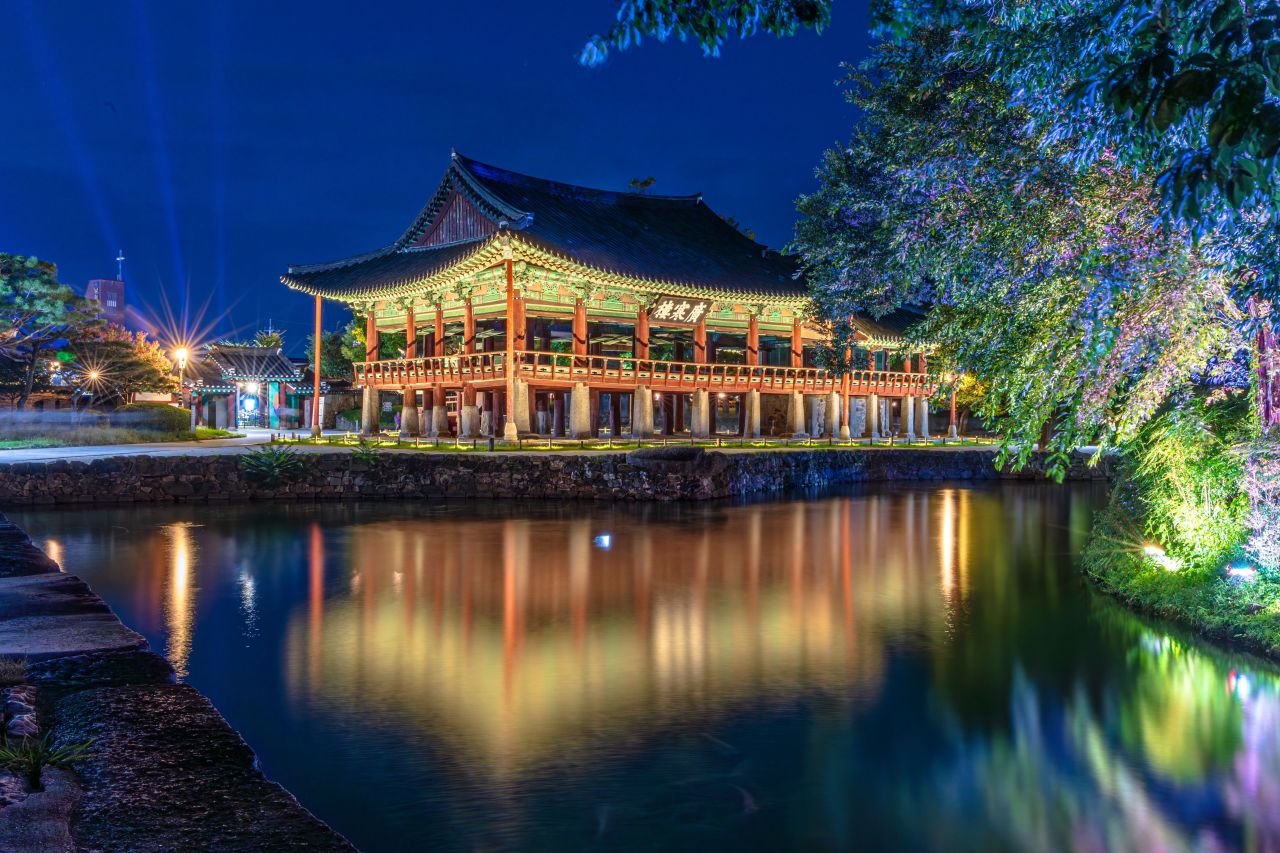
💡 Night-Time Free Admission Tip: Every single day, admission is completely free for everyone after 18:00 (6:00 PM). I highly recommend visiting in the evening! The illuminated pavilions reflecting on the dark pond create a magical, almost surreal nightscape that is even more fantastic than the daytime view.
Admission Fees and Local Currency Refund
While the admission fee was slightly adjusted in April 2023, the city introduced an incredible refund system that essentially gives half the money back to you.
- Adults: 4,000 KRW
- Teenagers and Military: 2,000 KRW
- Children: 1,500 KRW
🎁 The 50% Refund Perk: When an adult pays the 4,000 KRW entrance fee, they immediately receive 2,000 KRW back in the form of a physical Namwon Love Gift Certificate (남원사랑상품권). You can use this voucher just like cash at over 3,600 affiliated stores throughout Namwon. It is absolutely perfect for grabbing a coffee at a nearby cafe, buying snacks, or even putting it towards renting a Hanbok right outside the garden gates.
🎎 Special Perk for Foreigners (and Locals!): If you wear a traditional Hanbok, your entrance is completely free at any time of the day. Since there are many Hanbok rental shops surrounding the area, I strongly suggest renting one. Walking over the stone bridge in traditional attire will make you feel just like the protagonist of a historical drama and guarantees the best travel photos.
How to Get There and Recommended Itineraries
Traveling to Namwon from major cities is surprisingly convenient, making it an excellent addition to your South Korean itinerary.
- From Seoul: The fastest and most comfortable way is taking the KTX bullet train from Seoul Station or Yongsan Station directly to Namwon Station (남원역). The journey takes approximately 2 hours. From Namwon Station, a quick 10-minute taxi ride will bring you straight to the garden gates.
- From Jeonju: If you are already visiting the famous Jeonju Hanok Village (전주한옥마을), taking a half-day trip to Namwon is highly recommended. It takes less than an hour by intercity bus or train from Jeonju, allowing you to easily experience two of Korea’s most traditional cities in a single trip.
💡 Pro Tip for Your Itinerary: I suggest arriving in Namwon by late morning. Spend your early afternoon exploring Gwanghalluwon Pavilion in Namwon and taking stunning photos under the natural sunlight. Afterward, enjoy an early dinner nearby, and return to the garden just after sunset. The night illuminations reflecting on the pond are dramatically beautiful and offer a completely different, mystical vibe!
Local Food Recommendations and Alternatives
When Koreans visit Namwon, the absolute “national rule” for a meal is eating Chueotang (추어탕), a rich and earthy loach soup. The city is famous nationwide for this highly nutritious dish, and you will find an entire street dedicated to it right outside the garden.
However, as a local insider, I completely understand that ground freshwater fish soup can be a bit daunting for international palates. If you are not feeling adventurous, here are excellent alternatives:
- Jirisan Black Pork BBQ (흑돼지): Namwon is situated near the magnificent Jirisan Mountain, which is famous for its premium black pork. The meat is incredibly juicy, thick, and perfectly grilled over charcoal.
- Dolsot Bibimbap (돌솥비빔밥): Sizzling hot stone bowl bibimbap is always a safe, delicious, and deeply satisfying choice, packed with fresh local mountain vegetables.
Essential Travel Tips and Winter Attractions
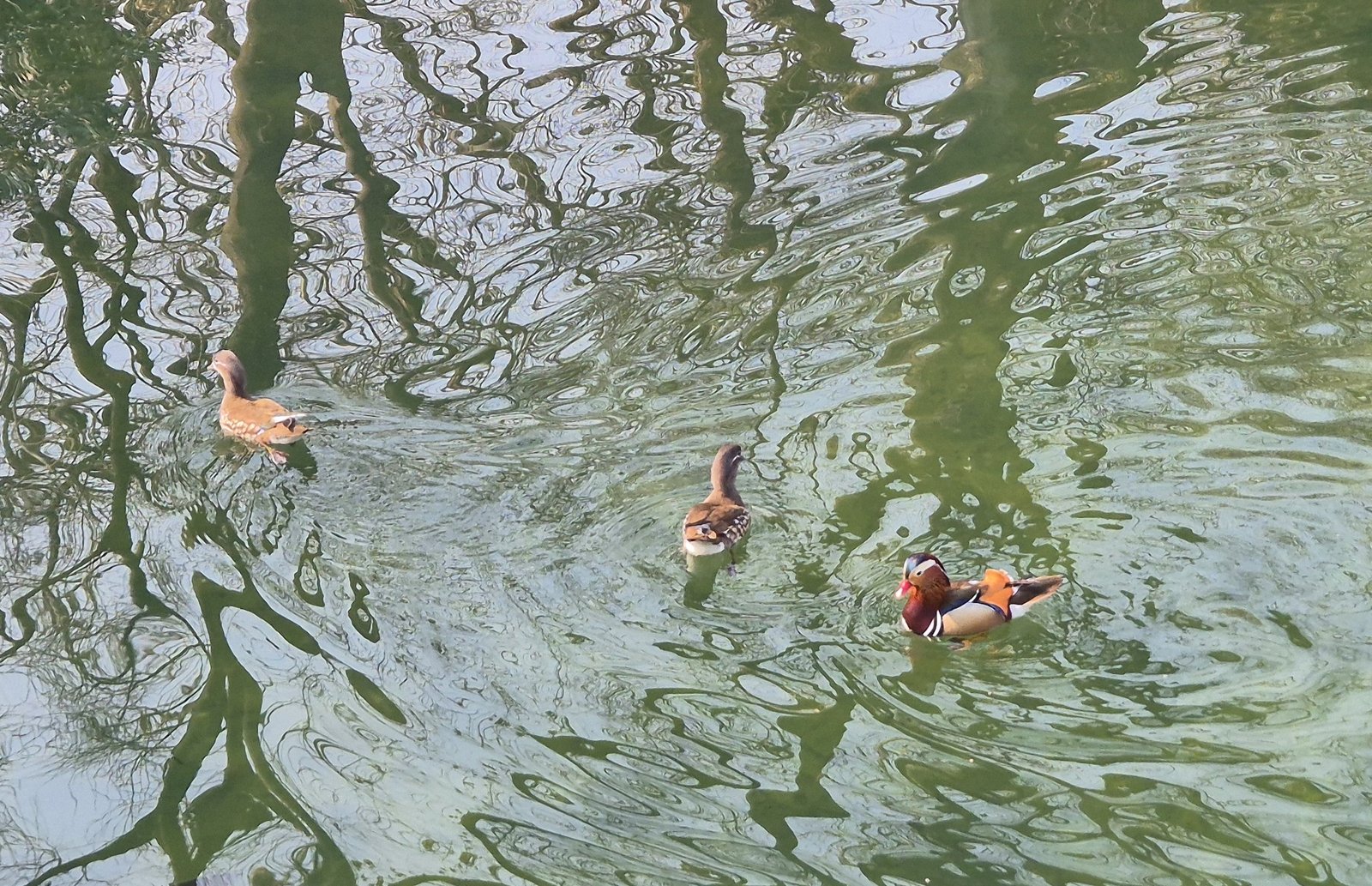
While spring and autumn are famously popular for their cherry blossoms and vibrant foliage, winter at Gwanghalluwon holds a very special, hidden charm that most tourists miss.
During the colder months, the large pond becomes a sanctuary for incredibly beautiful mandarin ducks. Because the birds are quite accustomed to the serene environment, you can observe these stunningly colorful creatures swimming gracefully from a very close distance, making for a truly unique and peaceful winter experience.
📌 Local Note: If you want to feed the massive carp in the pond (a very popular activity for visitors), make sure to purchase the designated fish food from the small kiosks inside the park. Please do not throw human snacks into the water to protect the ecosystem!
Whether you are tracing the footsteps of your favorite K-drama characters, uncovering the roots of Korean traditional music, or simply seeking a tranquil escape into a royal garden, Gwanghalluwon Pavilion is an unforgettable destination. Add it to your travel list, and experience the timeless magic of Korea firsthand!
Korean Culture portal KCulture.com

Founder of Kculture.com and MA in Political Science. He shares deep academic and local insights to provide an authentic perspective on Korean history and society.