If the 1st Generation (Chapter 5) was the “Big Bang” that created the idol universe, the 2nd Generation was the era of expansion and colonization. This is the period most “older” international fans remember as their gateway into Korean culture. It was the era of the “Hook Song”—tracks so infectious they felt like a digital virus—and the moment K-Pop stopped being a “Korean thing” and started becoming a “Global thing.”
1. The Digital Revolution and the “Hook Song” Phenomenon
In the mid-2000s, the world shifted from physical CDs to digital MP3s and streaming. To survive in a world of short attention spans, K-Pop songs evolved.
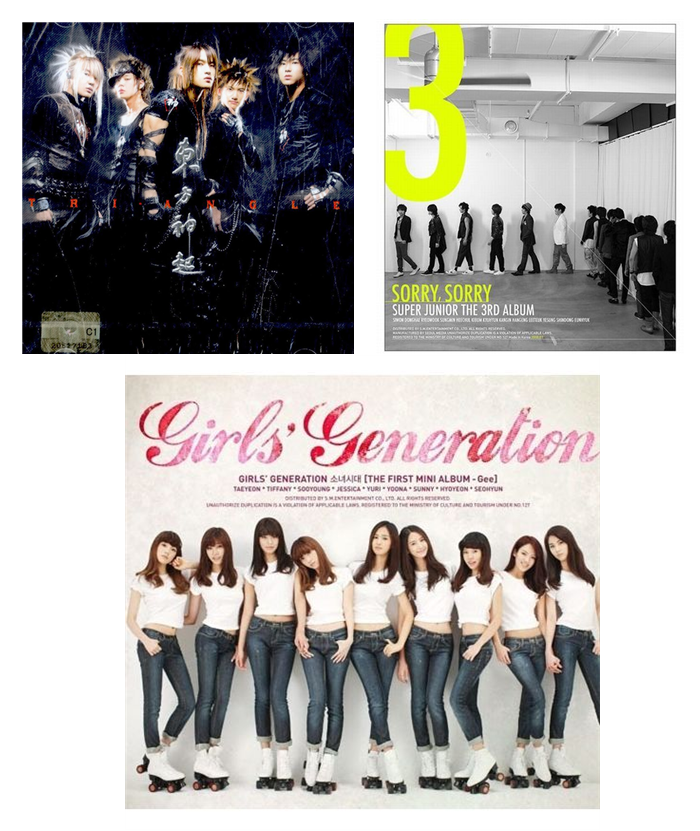
- What is a Hook Song? It’s a track built around a repetitive, highly addictive “hook”—think of the “Gee, gee, gee, gee” from Girls’ Generation or “Sorry, Sorry” from Super Junior.
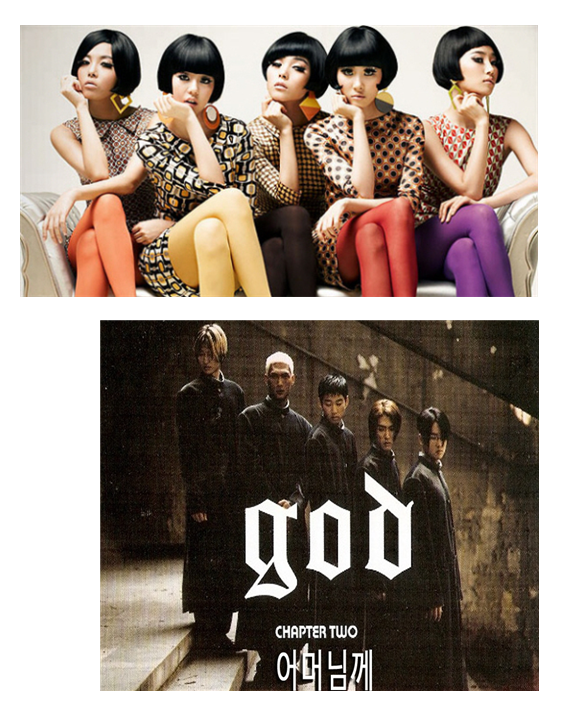
- Point Dance (포인트 안무): Music became something you watched as much as you listened to. Every hit song had a signature move that anyone could follow, regardless of language. The “Abracadabra” hip-dance by Brown Eyed Girls or the “Nobody” finger-pointing by Wonder Girls were early examples of viral content before TikTok even existed.
2. The Expansion of the “Big Three” and Competitive Diversity
This era solidified the dominance of SM, YG, and JYP, each developing a distinct “Sonic Identity.”
- SM Entertainment (The Visual & Performance Kings): They mastered the “SMP” (SM Music Performance) style—experimental, high-production tracks.
- TVXQ! & Super Junior: They conquered Japan and China, proving that large-scale groups were commercially viable.
- Girls’ Generation (SNSD): The “Nation’s Girl Group” who defined the aesthetic of the modern female idol.
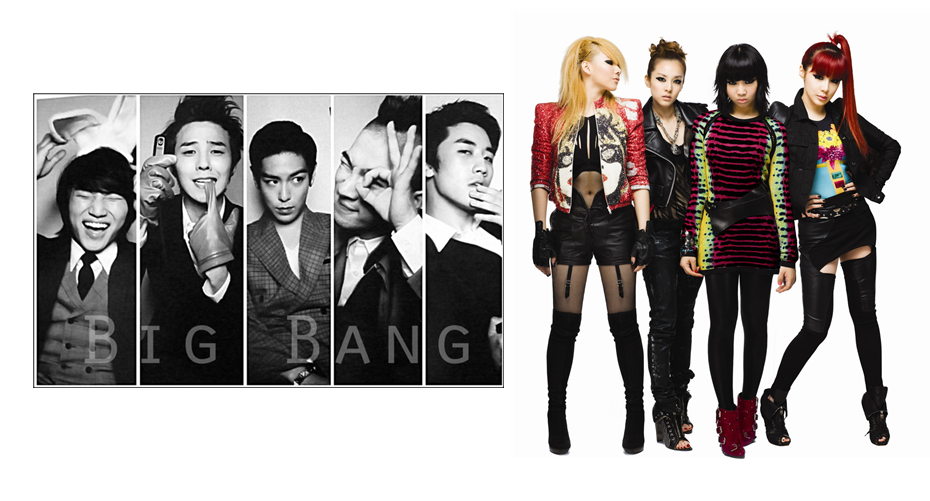
- YG Entertainment (The Hip-Hop Trendsetters): They focused on “swag” and artist individuality.
- BIGBANG: Led by G-Dragon, they were the first idols to be recognized as “Artist-Producers,” blending high fashion with street hip-hop.
- 2NE1: They shattered the “pretty girl” mold with their “Girl Crush” concept, bringing fierce independence to the stage.
- JYP Entertainment (The Soul & Groove Masters): * Wonder Girls: They were the first K-Pop group to enter the Billboard Hot 100 with “Nobody” in 2009, sacrificing their domestic peak to knock on the doors of the US market.
3. The Birth of the “Hallyu Wave” (Hallyu 2.0)
While the 1st Gen dipped their toes into Asia, the 2nd Gen dove in headfirst.
- The Japanese Market: TVXQ! (Tohoshinki) and KARA became absolute icons in Japan, selling out the Tokyo Dome. They didn’t just perform in Japan; they lived there and learned the language, setting the standard for “localization.”
- YouTube: The Game Changer: In 2009-2010, K-Pop agencies began uploading high-definition music videos to YouTube. Suddenly, a fan in Brazil or Poland could watch SHINee or f(x) the same second a fan in Seoul did. This removed the “geographic gatekeepers” for the first time.
4. Fandom 2.0: The Rise of the Global “Stanship”
Fandoms moved from offline raincoats to online forums and social media.
- Light Sticks: This era saw the invention of official, battery-powered light sticks. Each fandom now had a unique glowing symbol (BIGBANG’s yellow crown, SNSD’s pink heart), turning concert venues into “Oceans of Light.”
- Variety Shows: Idols became “Multi-Entertainers.” Shows like Family Outing, Star King, and We Got Married allowed fans to see the “human side” of their idols, creating a deep emotional bond that transcends music.
5. Notable Pioneers: The Soloists
It wasn’t just groups. Two soloists in particular bridged the gap between Korea and the world:
- Rain (Bi): The “World Star.” He became a symbol of Korean masculinity and stage presence, even starring in Hollywood films like Ninja Assassin.
- IU: Debuting in 2008, she began her journey as the “Nation’s Little Sister,” later becoming the most respected digital powerhouse in Korean music history.

Summary of the 2nd Generation (2003 – 2011)
| Feature | Details |
| Musical Style | Electropop, Synth-pop, R&B, “Hook Songs” |
| Key Groups | BIGBANG, Girls’ Generation, TVXQ!, Super Junior, Wonder Girls, 2NE1, SHINee |
| Tech Shift | MP3s, YouTube, Early Social Media (Cyworld/Facebook) |
| Market Focus | Japan, China, Southeast Asia, First US attempts |
Kyoung’s Local Insight: > If you go to a “Noraebang” (Karaoke) in Seoul today, the songs most frequently requested by people in their 20s and 30s are still from this era. 2nd Gen K-Pop is the “Golden Age of Nostalgia.” It was a time when the whole country knew the dance moves to one song. It was a shared cultural experience that we rarely see in today’s fragmented digital world.
But as the 2010s arrived, a man in a tuxedo and sunglasses was about to break the internet, and a small group from a tiny agency was beginning to find their “Voice.”
Are you ready for Chapter 7: “The Global Explosion & The 3rd Generation (BTS, BLACKPINK, and the Social Media Era)”?
💡 Go to related article
- The Grand Odyssey of K-Pop: A Century of Rhythm, Resilience, and Revolution
- Chapter 1: The Colonial Roots & The Soul of Trot – Where K-Pop’s Heartbeat Began
- Chapter 2: The US 8th Army Era & The Kim Sisters – The Neon Lights of a New Frontier
- Chapter 3: The “Jeans and Guitars” Revolution – Youth, Resistance, and the King (1970s – 1980s)
- Chapter 4: The Golden Age of Ballads & the 1988 Seoul Olympics – A Nation Finds Its Voice (1980s – 1990s)
- Chapter 5: The Seo Taiji Revolution & the 1st Generation Idols – The Big Bang of Modern K-Pop (1990s – Early 2000s)
- Chapter 7: The Global Domination – 3rd Generation & the Social Media Revolution (2012 – 2017)
- Chapter 8: The Digital Natives – 4th Generation & The Performance Revolution (2018 – 2022)
- Chapter 9: The 5th Generation – The Era of Naturalism & Hyper-Globalization (2023 – Present)
- Chapter 10: The Future of K-Pop – Beyond the Stage and Into the Multiverse (2030 & Beyond)

A lifestyle writer covering K-beauty, fashion, and art. Kyoung shares honest insights on K-pop and smart shopping, capturing the vibrant trends of modern Korea.