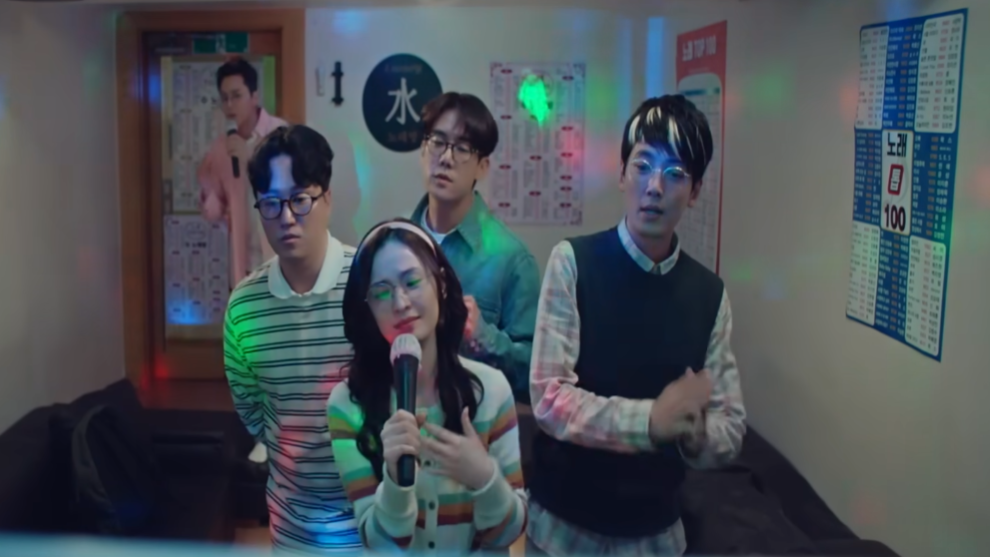
If you want to understand the true heartbeat of modern Korea, you have to step off the streets and into a neon-lit room filled with echo-heavy microphones and tambourines. The Korean “Noraebang” (song room) is more than just karaoke; it is a cultural ritual, a stress-relief valve, and the secret training ground for the world’s most passionate music fans. In this playbook, I’ll guide you through the etiquette of “Round 2” socializing, the convenience of coin-operated booths for solo travelers, and how to navigate the massive song libraries that explain why K-pop has taken over the globe.
- The Music-Loving Soul: Tte-chang and Why Korea Sings
- Where the Party Starts: From Hongdae to Gangnam
- The “Round 2” Ritual: Socializing Like a Local
- Standard Noraebang vs. Coin Noraebang: Which One is for You?
- Fueling the Performance: Snacks, Drinks, and Service
- The Tech Playbook: TJ vs. Geumyoung and Foreign Song Lists
- The Ultimate K-Pop Playbook: Experience the “Heung”
The Music-Loving Soul: Tte-chang and Why Korea Sings
Living in Korea, you quickly realize that music isn’t just something we listen to; it’s something we participate in. This participatory spirit is most famously seen in “Tte-chang” (communal singing). If you’ve ever seen a video of a global pop star performing in Seoul, you’ll notice the crowd doesn’t just cheer—they sing every single lyric in perfect unison, often surprising the artists themselves. This deep-rooted love for collective melody is the exact same energy that fuels the Noraebang culture.
Historically, Koreans have always cherished Pungnyu—the art of enjoying music, dance, and poetry together. Today, that spirit lives on in private song rooms. Unlike Western karaoke bars where you sing in front of strangers, the Korean Noraebang offers a private space for you and your friends to let loose. It is this national passion for singing that provided the foundation for the global K-pop phenomenon; every idol you see on screen likely spent their youth honing their craft in a local Noraebang booth.
Where the Party Starts: From Hongdae to Gangnam
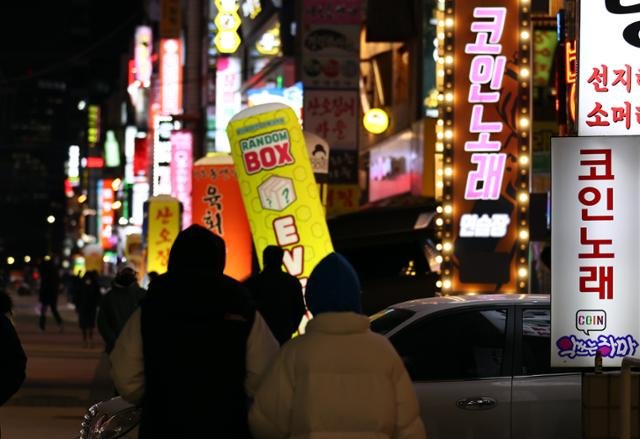
You are never more than a five-minute walk from a microphone in any major Korean city. Urban centers are packed with Noraebangs, often located on the second or third floors (or basements) of buildings, signaled by bright, flashing neon signs.
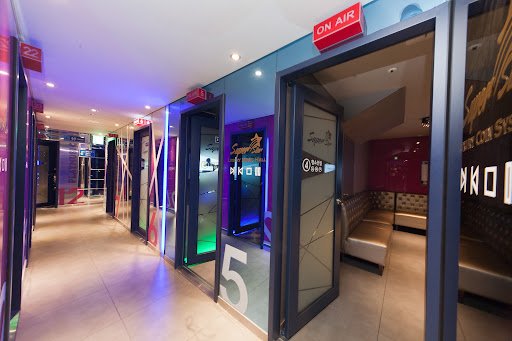
If you are looking for the absolute peak of this culture, head to Hongdae. This youth-centric district in Seoul is home to “Luxury Su Noraebang,” famous for its floor-to-ceiling windows that look out onto the busy streets. Other hotspots include Gangnam, for more upscale and spacious rooms, and Sinchon, where the student vibe keeps the prices low and the energy high. In these areas, Noraebangs stay open until the early hours of the morning, sometimes 24/7.
Along with Hongdae Su Noraebang, Junco Music Town is widely favored by foreigners as a unique ‘gastropub-karaoke’ hybrid where you can enjoy singing alongside a full meal and drinks, unlike standard singing rooms. Junco Music Town is a franchise with many locations throughout Seoul.
The “Round 2” Ritual: Socializing Like a Local
In Korea, a night out is rarely just one event. It follows a “Round” (Cha) system. Typically, 1-cha (Round 1) is a heavy dinner with drinks, like Korean BBQ. Once the mood is lifted and the inhibitions are slightly lowered, someone will inevitably shout, “Noraebang?”
This is 2-cha (Round 2). For Koreans, going to a Noraebang after drinking is the ultimate way to bond. It’s where hierarchies melt away—you might see a strict manager singing a K-pop girl group song while his juniors shake tambourines. If you are visiting Korea, skipping the Noraebang means missing out on the most authentic social experience the country has to offer. It is where memories are made and stress is vaporized.
Standard Noraebang vs. Coin Noraebang: Which One is for You?
The industry has evolved to cater to both party squads and solo adventurers. Understanding the difference is key to your “Playbook” strategy.
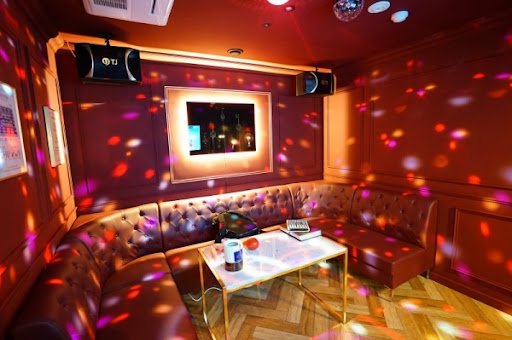
- Standard Noraebang (Room-based): You pay by the hour (usually 15,000 to 30,000 KRW). These rooms are large, often featuring couches, disco lights, and multiple microphones. Best for groups and long sessions.
- Coin Noraebang (Koin-Noraebang): Specifically designed for solo travelers or people who just want to sing 2–3 songs. You pay per song (usually 500 KRW for one song or 1,000 KRW for three). These booths are smaller but use the same high-quality machines.
📌 Local Note: Coin Noraebangs are incredibly popular near universities and subway stations. They are a “judgment-free zone” where you can practice your favorite K-pop tracks alone before debuting them in front of friends.
Fueling the Performance: Snacks, Drinks, and Service
What can you buy inside? Standard Noraebangs often have a “front desk” where you can order a variety of refreshments.
| Item Type | Common Examples | Note |
|---|---|---|
| Beverages | Canned coffee, Sikhye (sweet rice drink), soda, water. | Hydration is vital for high notes! |
| Alcohol | Beer is common; some high-end places offer Soju or Whiskey. | Legal rules vary; “Dry” Noraebangs are for minors. |
| Snacks | Saeukkang (shrimp crackers), nuts, dried squid, fruit platters. | Standard rooms often serve large fruit platters. |
| “Service” (Bonus) | Extra minutes added to your timer for free. | The “Jeong” (affection) of the owner! |
In most Coin Noraebangs, you’ll find vending machines for drinks, but they rarely serve food or alcohol, keeping the focus strictly on the music.
The Tech Playbook: TJ vs. Geumyoung and Foreign Song Lists
There are two giants in the Korean karaoke machine world: TJ Media (Taijin) and Geumyoung. Both offer incredible technology, including real-time scoring, pitch adjustment, and even recording features.
One of the biggest surprises for travelers is the Foreign Song Library. You aren’t limited to K-pop!
- English: Thousands of tracks, from 1950s classics to the latest Billboard hits.
- Japanese: A massive selection of J-pop and Anime soundtracks (often the largest foreign section).
- Chinese/Vietnamese/Thai: Many machines in districts like Hongdae or near industrial areas now include dedicated sections for these languages to cater to the growing international community.
The remote controls are in Korean, but most have a “Search” button (검색) where you can toggle the language to find your favorite English pop songs.
The Ultimate K-Pop Playbook: Experience the “Heung”
Just as a trip to a Jjimjilbang (sauna) relaxes the body and a PC Bang (internet cafe) showcases Korea’s gaming prowess, the Noraebang is where the country’s artistic spirit truly shines. If you are currently in Korea or have a trip on the horizon, consider the Noraebang a non-negotiable part of your itinerary. It is the most direct way to immerse yourself in “Heung” (흥)—that uniquely Korean sense of collective joy, energy, and unbridled passion for song and dance.
This isn’t just an activity; it’s a profound cultural experience that explains why K-pop artists are so technically proficient and emotionally expressive. They were born into a culture that rewards performance and vocal effort. By picking up the microphone and hitting that start button, you aren’t just observing Korean culture from the outside—you are becoming a part of the melody that drives it. Even if you’re slightly off-key, the professional-grade echo will make you sound like a star. So, lean into the “Heung,” feel the rhythm, and let your inner K-pop idol shine. It’s the ultimate playbook move for an unforgettable night in Korea!
Korean Culture portal KCulture.com
Join the mailing service and add to your favorites.
Founder of Kculture.com and MA in Political Science. He shares deep academic and local insights to provide an authentic perspective on Korean history and society.
🇰🇷 Essential Seoul Travel Kit
- ✈️ Flights: Find Cheap Flights to Seoul
- 🏨 Stay: Top Rated Hotels in Seoul
- 🎟️ Tours: Best Activities & K-Pop Tours