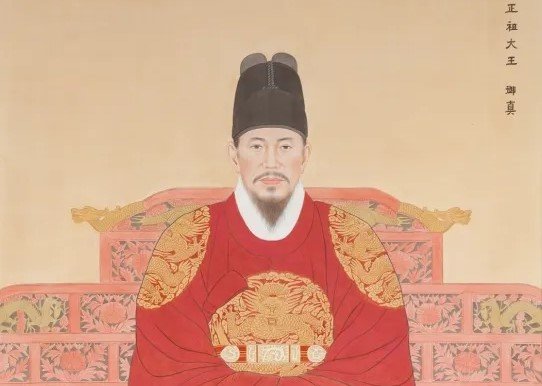
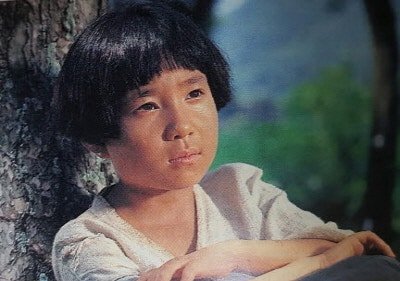
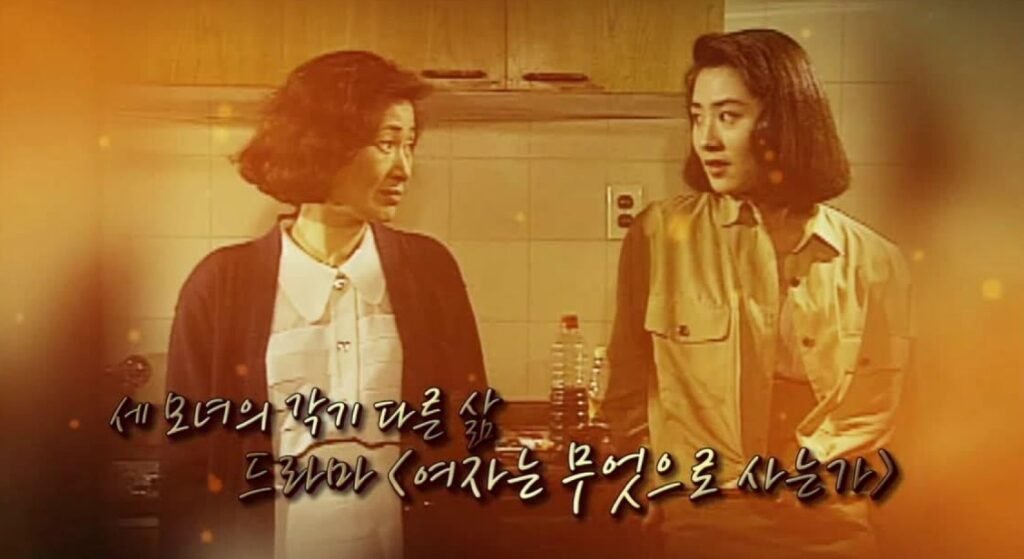
Are you truly seeking the ‘real’ Korea beyond the surface-level trends? Then you need to unpack the phenomenon known globally as Hallyu, or the Korean Wave. As a local expert living here, I’ve witnessed this cultural tsunami grow from local TV dramas to a global powerhouse that shapes music, fashion, food, and even politics.
Hallyu is more than just K-Pop or K-Drama; it’s a profound cultural, economic, and social movement that reflects Korea’s own maturation on the global stage. This deep dive will explore the complete history of Hallyu, its generational evolution, its broad reach across various industries, and critically, the mature social foundations—including the development of democracy and citizen freedoms—that made this cultural explosion possible. Understanding this context is key to gaining a true Korean Culture Insight.
Understanding Hallyu: The Korean Wave Defined
The term Hallyu (한류) literally translates to “Korean Wave.” It was coined in the mid-1990s by Beijing journalists surprised by the sudden popularity of South Korean pop culture in China. Initially, it referred to Korean TV dramas and pop music, but its scope has since grown exponentially.
At its core, Hallyu represents the successful global export and consumption of Korean culture. This wasn’t a sudden, unprompted success; it was a result of strategic government support, high-speed internet penetration, and a post-financial crisis need for new growth engines. More importantly, it was fueled by content that resonated with universal human emotions, packaged in a highly professional and aesthetically pleasing manner.
💡 Pro Tip: The Han (한) in Hallyu
The “Han” in Hallyu is the same syllable as in “Hanguk” (Korea). It signifies the distinctly Korean element. However, in Korean culture, “Han” also carries the meaning of deep, collective sorrow or longing, often subtly interwoven into the emotional narratives of K-Dramas and the lyrics of K-Pop. This emotional depth is a powerful driver of global connection.
The Early Waves: First and Second Generation Hallyu
To truly appreciate the current K-Pop global dominance, we must look back at the pioneering years. I remember when the streets here were abuzz with the shows that started it all.
The First Wave (Late 1990s – Early 2000s): K-Drama Anchors
The first generation of Hallyu was predominantly driven by K-Drama. Series like What Is Love? (사랑이 뭐길래) in China and Winter Sonata (겨울연가) across East Asia are considered pivotal. These dramas introduced traditional Korean values, family dynamics, and stunning cinematography to an international audience, especially in neighboring Asian countries.
- Key Content: Melodramas, Historical Sagas (Sageuk).
- Geographic Focus: China, Japan, Taiwan, and Southeast Asia.
- Cultural Impact: Created initial curiosity about Korean life and language.
The Second Wave (Mid-2000s): K-Pop Takes the Stage
The second generation saw the rise of systematic idol training and the emergence of groups with dedicated fanbases. This is when the term K-Pop began to gain traction internationally. Groups like TVXQ!, Super Junior, Girls’ Generation, and Wonder Girls started to penetrate overseas markets beyond Asia, utilizing early digital platforms like YouTube.
The focus shifted slightly from pure emotional narrative to high-quality musical production and perfectly synchronized performances. This period solidified the training system that produces the polished idols we see today.
The Global Explosion: Third and Fourth Generation Hallyu
This is the phase where Hallyu truly became a global phenomenon, shattering regional barriers and entering the Western mainstream. This shift was entirely dependent on digital connectivity and social media.
The Third Wave (Early 2010s – Late 2010s): Digital Dominance
The third wave is characterized by unprecedented global reach thanks to social media and strategic international expansion. The viral success of PSY’s “Gangnam Style” in 2012 proved K-Pop’s global potential, but it was groups like BTS and BLACKPINK that solidified its permanent place.
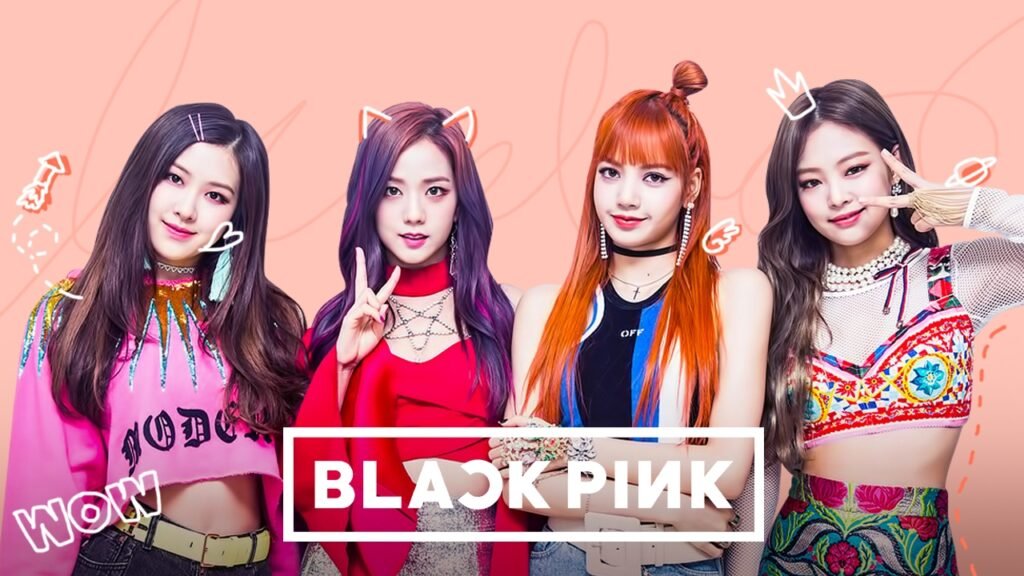
These groups mastered the art of online engagement, building deep, personal connections with their global fanbases (ARMY, BLINKs). Their music often tackled social commentary and self-love, resonating with a younger generation worldwide.
| Feature | Second-Gen Hallyu | Third-Gen Hallyu |
|---|---|---|
| Core Medium | Broadcast TV, Physical Albums | YouTube, Twitter, Streaming Services |
| Primary Audience | Asian countries | Global (US, Europe, Latin America) |
| Key Strategy | Local market penetration | Digital fan engagement, Social activism |
The Fourth Wave (Late 2010s – Present): The Netflix Effect and Genre Blending
Today’s Hallyu is a highly diversified, genre-blending force. The rise of global OTT platforms like Netflix brought K-Dramas like Squid Game and All of Us Are Dead to non-Asian audiences, often surpassing Hollywood production values and narrative complexity. At the same time, newer K-Pop groups continue to push boundaries in concept, visual art, and musical fusion.
This wave sees a deeper integration of Korean art, fashion, and cultural aesthetics. The world isn’t just watching; they’re actively trying to understand and consume the lifestyle.
Beyond Entertainment: The Expansion of Hallyu into K-Lifestyle
Hallyu has long surpassed the entertainment industry, becoming a formidable engine for promoting broader Korean Culture. The appeal of K-Idols and K-Drama stars naturally led to global interest in what they eat, wear, and use.
K-Food (Hansik) and Its Global Rise
From kimchi (김치) to Tteokbokki (떡볶이), K-Food has gained unprecedented global appeal. K-Dramas featuring mouth-watering scenes of comfort food have driven the demand for Korean restaurants and ingredients overseas. My local friends and I are constantly amazed at how easy it is to find Korean food everywhere now. It’s an essential element of the Local Picks and Deep Dive categories of modern Korean life.
K-Beauty (Korean Skincare and Cosmetics)
The Korean focus on skincare—often framed by the flawless complexions of K-Pop idols—has revolutionized the global beauty market. Concepts like “glass skin” and the “10-step routine” are now common terms, showcasing Korea’s innovation in product development and cosmetic science.
K-Fashion and Cultural Pride
Hallyu has also spurred an interest in both modern Korean streetwear and Traditional Culture elements like the modernized Hanbok. Korean designers are now major players on international runways, mixing traditional silhouettes with edgy, modern styles. This cultural confidence is a direct result of Hallyu’s success.
The Unseen Foundation: Social and Political Maturity as Hallyu’s Bedrock
Here’s a crucial insight that often gets missed by external observers: Hallyu’s success isn’t just about good music or compelling stories; it’s rooted in the profound social and political development of modern South Korea. As a local, I believe this is the most important Korean Culture Insight.
The Democratization Process
The cultural production engine we see today was born out of Korea’s transition to a vibrant, functioning democracy, solidified in the late 1980s. This shift brought with it:
- Freedom of Expression: Democratization significantly reduced government censorship, allowing artists to explore more complex, critical, and diverse themes—from social inequality (e.g., Parasite) to nuanced personal identity.
- Citizen Empowerment: The high level of citizen participation and freedom of the press created a dynamic, self-correcting society, which in turn fosters more authentic and relatable cultural output.
- Global Openness: A democratic society is naturally more open to absorbing global trends while confidently exporting its own, creating a powerful cultural synthesis.
⚠️ Warning: Avoiding the ‘Only Entertainment’ Trap
To fully unpack the culture, remember that the high production value and emotionally resonant themes in K-Content often mirror the intense, fast-paced, and complex social issues being debated in South Korea’s mature democratic society. The content is not empty entertainment; it is a reflection of a nation confronting its own identity and history.
The maturity of Korean society, its resilience, and its embrace of civil liberties have provided the fertile ground for creativity to flourish. The emotional complexity that draws global audiences to K-Content is a reflection of a society that has grappled with its own history and is confidently stepping onto the world stage.
The Future of Hallyu: Sustaining a Cultural Authority
The question is no longer “Will Hallyu last?” but “How will Hallyu evolve?” To sustain its cultural authority, the industry is focusing on diversification and quality.
- Webtoons and Webnovels: These digital storytelling formats are the new raw content pool, often adapted into hit K-Dramas.
- Niche and Indie: Beyond the major entertainment companies, indie music and specialized art forms are gaining recognition, adding layers of authenticity.
- Digital-Native Content: Utilizing the Metaverse and A.I. to create immersive fan experiences and new forms of interaction.
For us at KCulture.com, Hallyu is an ongoing Deep Dive into what makes Korea tick. It’s a continuous story of a nation finding its voice and, in the process, transforming global popular culture. I encourage you to look deeper than the spectacle and appreciate the deep societal roots that make the Korean Wave so powerful and enduring.
Korean Culture portal KCulture.com
Join the mailing service and add to your favorites.

Founder of Kculture.com and MA in Political Science. He shares deep academic and local insights to provide an authentic perspective on Korean history and society.