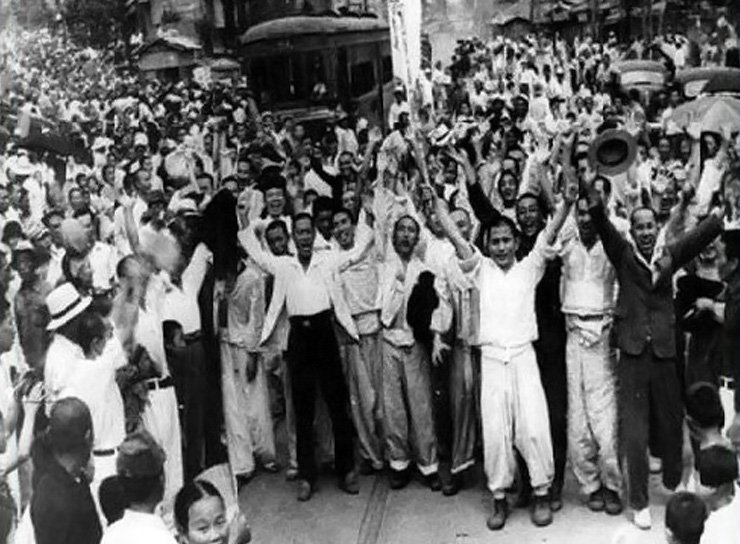
The March 1st Independence Movement, known as Sam-il Undong (3.1 운동), was a non-violent nationwide protest in 1919 that marked the birth of modern Korean national identity and led to the establishment of the Provisional Government. It was the moment Korea transitioned from a fallen empire to a democratic republic, fueled by the global cry for self-determination following World War I. If you want to understand why Koreans are so fiercely proud of their sovereignty today, this is the single most important event to study.
- The Catalyst: Why did Korea Rise in 1919?
- The Day the Earth Shook: Outbreak and Development
- Symbols of Resistance: The Secret Taegeukgi
- The Price of Freedom: Japanese Suppression & Casualties
- The Birth of a Republic: The Provisional Government
- A Global Spark: Influence on India and China
- March 1st Today: Remembrance and Celebration
- Watching History: Movies and Dramas to Watch
- Living History: Must-Visit Sites in Korea
The Catalyst: Why did Korea Rise in 1919?
Living in Korea, I often walk past monuments that feel like silent echoes of 1919. To understand why this year was the “spark,” we have to look at the global stage. After the carnage of World War I, U.S. President Woodrow Wilson proposed the idea of “Self-Determination”—the principle that every nation should have the right to govern itself. While Wilson mostly had European nations in mind, his words ignited a wildfire of hope across the colonized world, especially in Korea, which had been under Japanese rule since 1910.
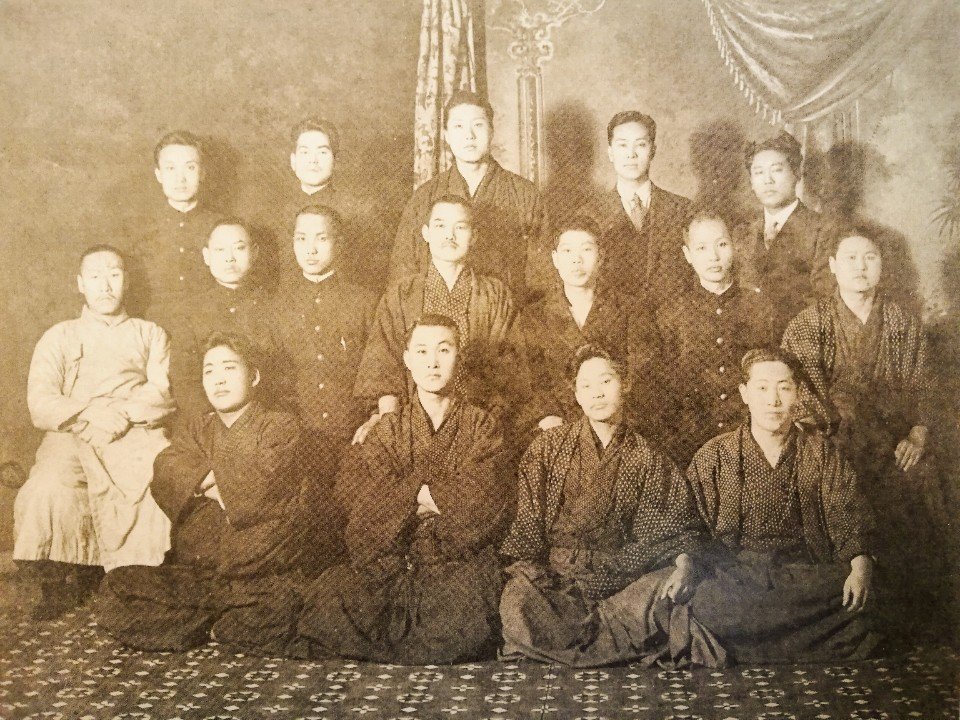
Two major events served as the immediate triggers. First, the 2.8 Declaration of Independence (2.8 독립선언) occurred in the heart of Tokyo, where Korean students riskily declared their desire for freedom. Second, the sudden death of the former Emperor Gojong (고종) sent shockwaves through the peninsula. Rumors spread that he had been poisoned by Japanese authorities, and as his funeral approached on March 3rd, 1919, hundreds of thousands of people flocked to Seoul, creating the perfect environment for a mass movement.
The Day the Earth Shook: Outbreak and Development
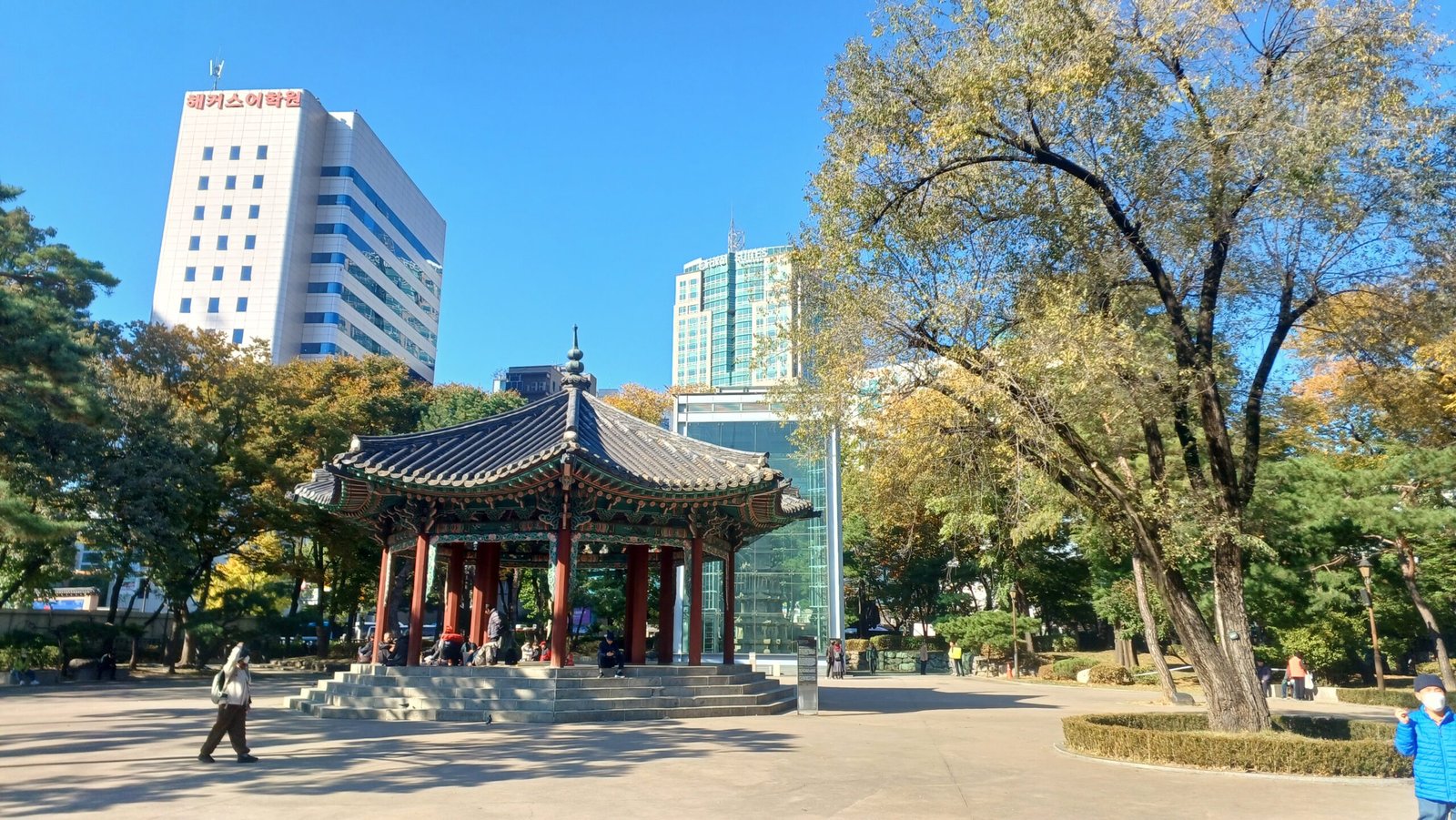
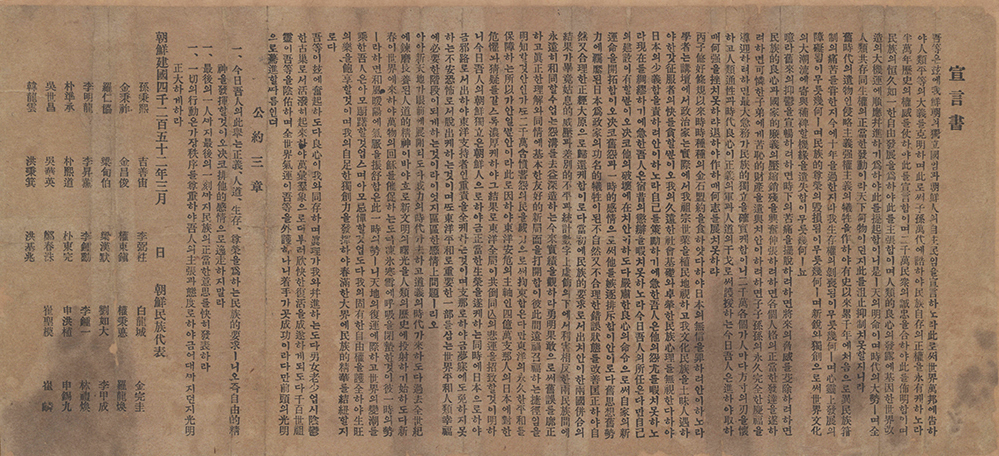
On March 1, 1919, at exactly 2:00 PM, 33 national leaders gathered at a restaurant called Taehwagwan to sign the Korean Declaration of Independence. Simultaneously, a student read the declaration aloud at Pagoda Park (탑골공원), now known as Tapgol Park, in the center of Seoul. The crowd erupted into deafening cheers of “Manse!” (Long live Korean Independence!).
What makes this movement unique is its scale and philosophy. It wasn’t just a political protest; it was a peaceful, cross-class explosion of national will. From farmers in the countryside to students in the city, nearly 10% of the entire population took to the streets over the following months.
| Category | Estimated Figures of the 3.1 Movement |
|---|---|
| Total Participants | Approx. 2,000,000 people |
| Number of Demonstrations | Over 1,500 separate events |
| Duration | Active for over 2 months nationwide |
Symbols of Resistance: The Secret Taegeukgi
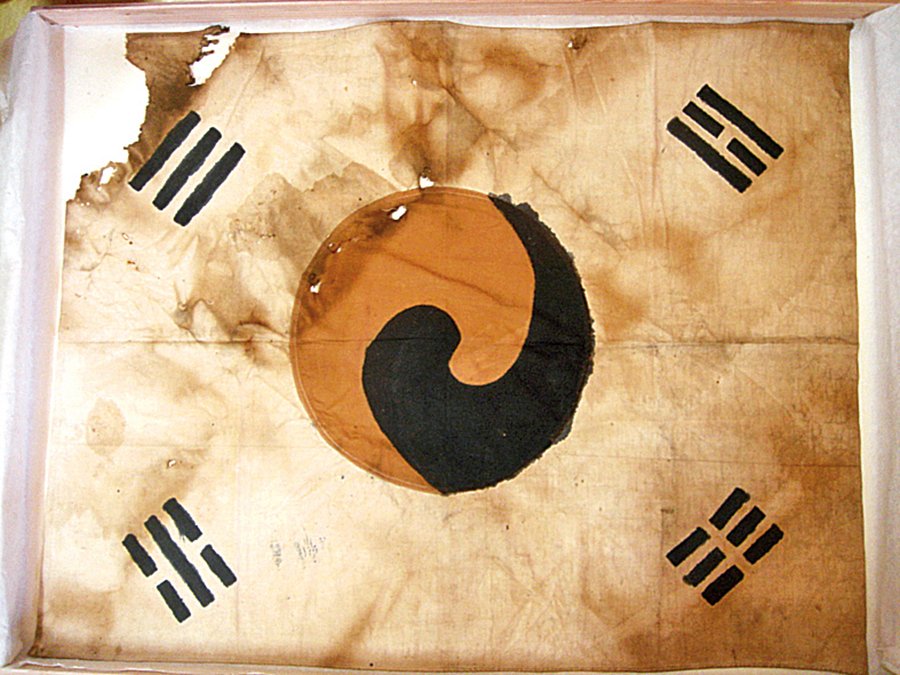
Possessing a Korean flag, the Taegeukgi (태극기), was a crime during the colonial era. Yet, on March 1st, the streets were filled with them. How? Koreans showed incredible ingenuity in making flags in secret. Since no printing shop dared to print them, activists carved wooden blocks by hand to mass-produce thousands of paper flags in basements and hidden rooms.
One of the most moving stories involves the Jingwansa Taegeukgi (진관사 태극기), which was discovered recently hidden behind a wall in a temple. It was a Japanese flag that an independence fighter had painted over with black ink to create the Korean symbols—a literal act of reclaiming their identity. Because they were made in haste and secrecy, many historical flags from this era have slightly different shapes and trigram positions, reflecting the raw, unpolished spirit of the people who made them with whatever they had—ink, charcoal, or even blood. (If you want to learn more about the meaning and history of the Korean flag, read ‘Decoding Korean National Symbols: Taegeukgi, Aegukga, Mugunghwa‘.)
The Price of Freedom: Japanese Suppression & Casualties
The Japanese colonial government responded with brutal military force. Because the movement was largely non-violent, the sheer violence used to suppress it shocked the international community. One of the most horrific events was the Jeam-ri Massacre (제암리 학살사건), where Japanese police locked residents into a local church and set it on fire, shooting anyone who tried to escape.
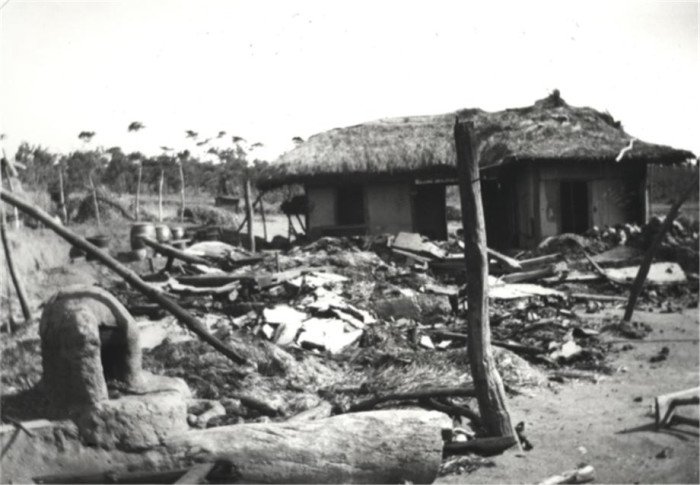
The human cost was staggering. While official Japanese records tried to downplay the numbers, independent Korean historical records (such as those by Park Eun-sik) tell a much grimmer story:
- Deaths: Approximately 7,509 people killed.
- Injuries: Over 15,961 people wounded.
- Arrests: Approximately 46,948 people detained and tortured.
- Property Damage: 715 houses, 47 churches, and 2 schools were intentionally burned to the ground.
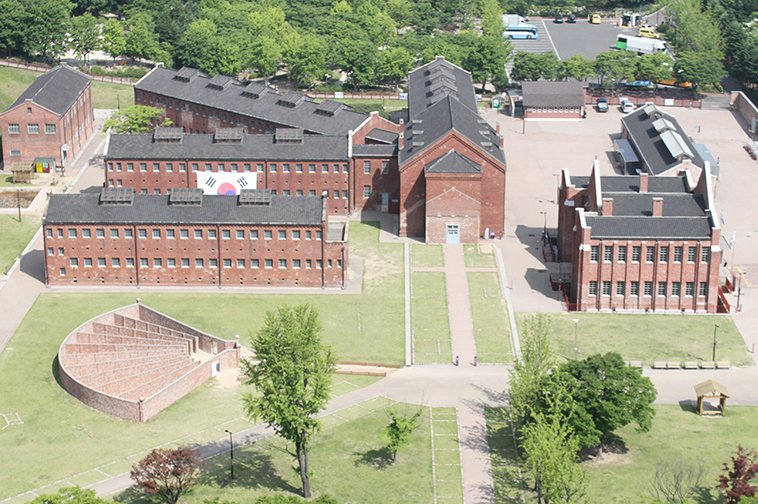
💡 Local Note: If you visit Seoul, the Seodaemun Prison History Hall (서대문형무소역사관) stands as a grim reminder of this era. Thousands of activists were tortured here, including Yu Gwan-sun (유관순), an 18-year-old student who became the “Korean Joan of Arc.” She continued to shout for independence even while in her cell, eventually dying from the injuries she sustained during torture.
The Birth of a Republic: The Provisional Government
The most significant political outcome of the March 1st Movement was the establishment of the Provisional Government of the Republic of Korea (대한민국 임시정부), founded in Shanghai in April 1919. This was a radical departure from Korea’s past. For 5,000 years, Korea had been a monarchy. However, the leaders of 1919 decided that the new Korea would be a Republic.
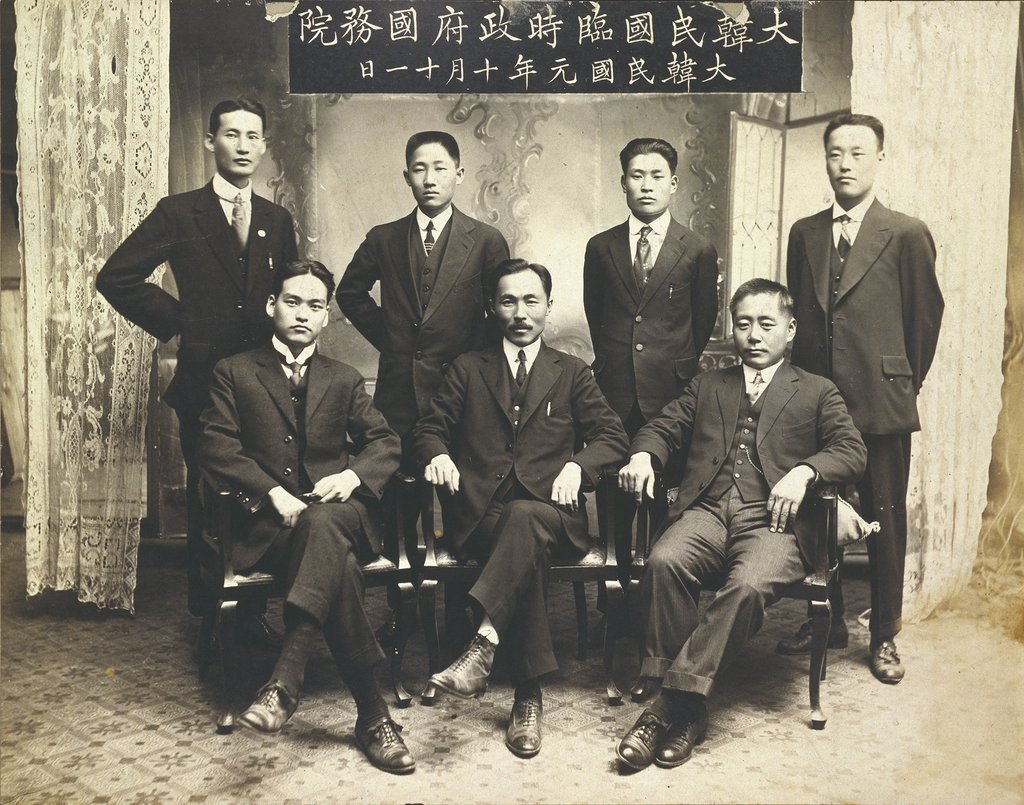
Ahn Chang-ho served as the first Minister of Home Affairs and Acting Prime Minister.
How it differed from other Governments-in-Exile
Unlike many contemporary movements that sought to restore old kings or emperors to their thrones, the Korean Provisional Government (KPG) was built on modern democratic principles. They established a constitution, a legislative branch, and an administrative body. It functioned as the “control tower” for the independence movement, coordinating diplomatic efforts in the U.S. and military resistance in Manchuria.
Today, the South Korean constitution explicitly states that the modern Republic of Korea “upholds the cause of the Provisional Republic of Korea Government born of the March First Independence Spirit.” When you see the Korean flag today, you are seeing the legacy of those who operated out of small offices in Shanghai and Chongqing for decades, refusing to give up their dream of a democratic home.

A Global Spark: Influence on India and China
The March 1st Movement wasn’t just a Korean event; it was a beacon for all colonized nations. In India, the non-violent nature of the 3.1 Movement is often cited as a source of inspiration for Mahatma Gandhi’s own non-violence movements. Similarly, in China, the movement directly influenced the May Fourth Movement, where Chinese students and intellectuals rose up against imperialism. It proved that a unified, peaceful population could challenge the might of an empire.
March 1st Today: Remembrance and Celebration
In modern South Korea, March 1st is a major national holiday called Samiljeol (삼일절). It is not a day of mourning, but a celebration of the resilience of the Korean spirit. At 10:00 AM, sirens sound across the country for a moment of silence to remember the fallen.
The atmosphere is vibrant—Taegeukgi flags are displayed on almost every apartment balcony and street lamp. You will see grand reenactments of the “Manse” protests in Jongno and Tapgol Park, where people dress in traditional white Hanbok and march through the streets. For Koreans, this day is a reminder that their democracy and sovereignty were not given to them—they were earned through the collective courage of ordinary people.
Watching History: Movies and Dramas to Watch
If you want to feel the emotion of this era, I highly recommend these titles. They offer a window into the desperation and bravery of the independence fighters.
- Anarchist from Colony (박열): This tells the incredible true story of Park Yeol, a radical activist in Tokyo. You can watch this on Netflix (available in many regions), stream it for free with ads on Tubi TV, or rent/buy it on Amazon Prime Video and Google Play.
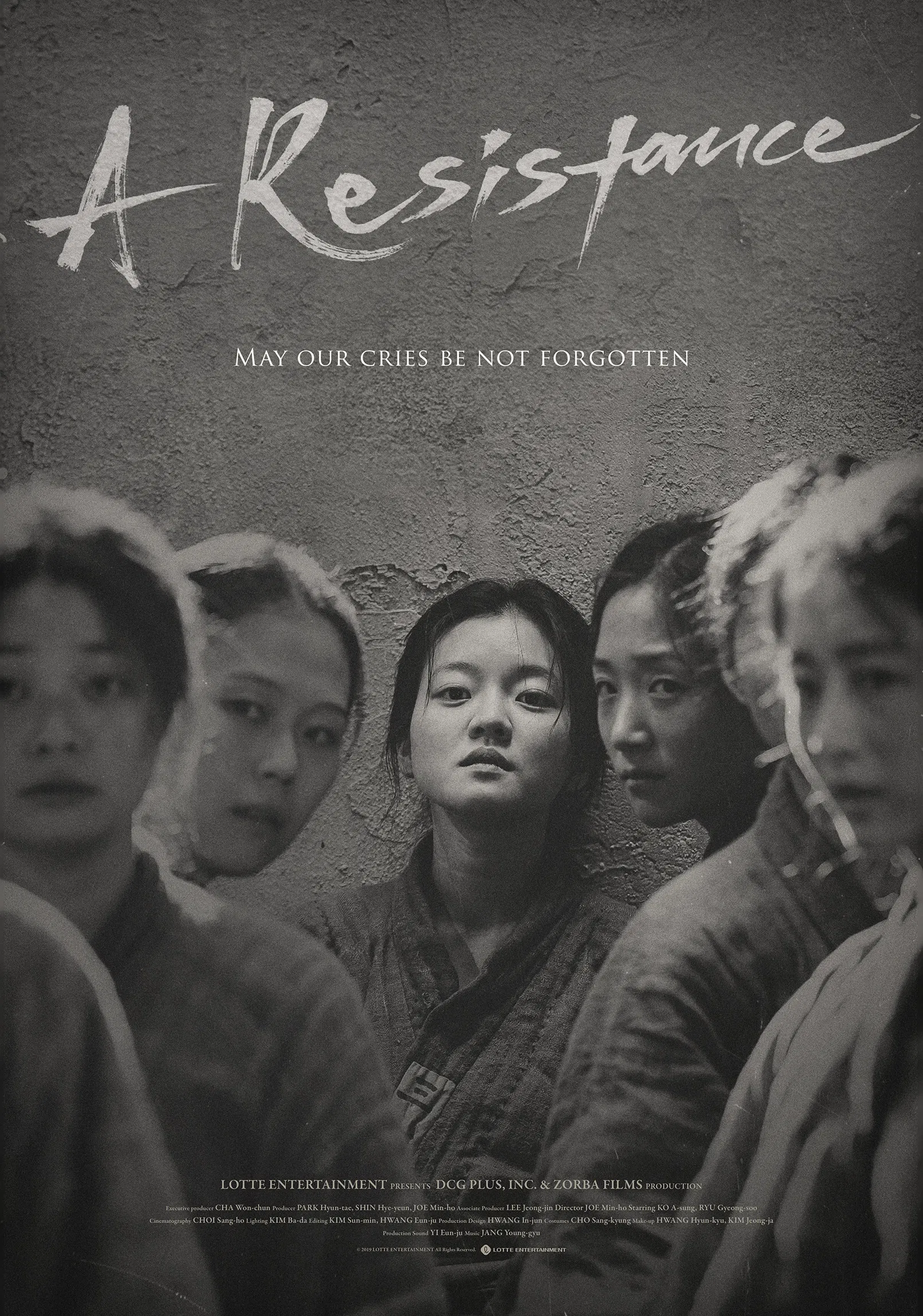
- A Resistance (항거: 유관순 이야기): A deeply moving film focusing on the life of Yu Gwan-sun inside Seodaemun Prison. It captures the spirit of the March 1st Movement beautifully. (Available on Viki).
- Mr. Sunshine (미스터 션샤인): While it takes place slightly before 1919, it provides the perfect cultural and historical context for *why* the independence movement became so organized. (Available on Netflix).
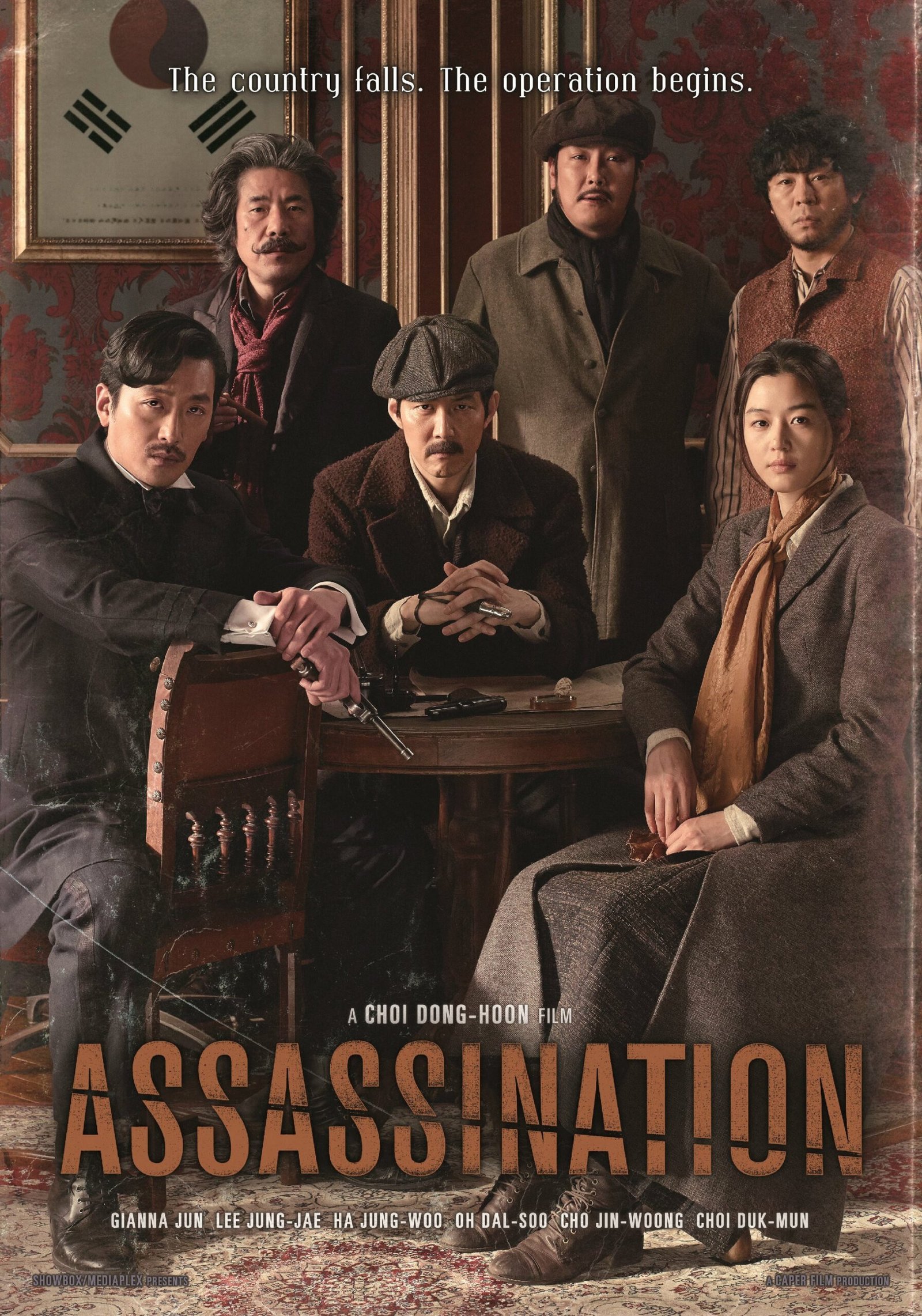
- Assassination (암살): A high-budget action film about a group of independence fighters working for the KPG in the 1930s. (Available on Amazon Prime/iTunes).
Living History: Must-Visit Sites in Korea
If you are currently living in Korea or planning a visit, these sites are essential for connecting with the spirit of the independence movement.
1. Seodaemun Prison History Hall (서대문형무소역사관)
This is perhaps the most impactful site. You can walk through the actual cells and execution grounds where independence fighters were held.
- How to get there: Dongnimmun Station (Subway Line 3), Exit 5.
- Tip: It can be emotionally heavy, so give yourself at least 2 hours to process everything.
2. Hyochang Park (효창공원)
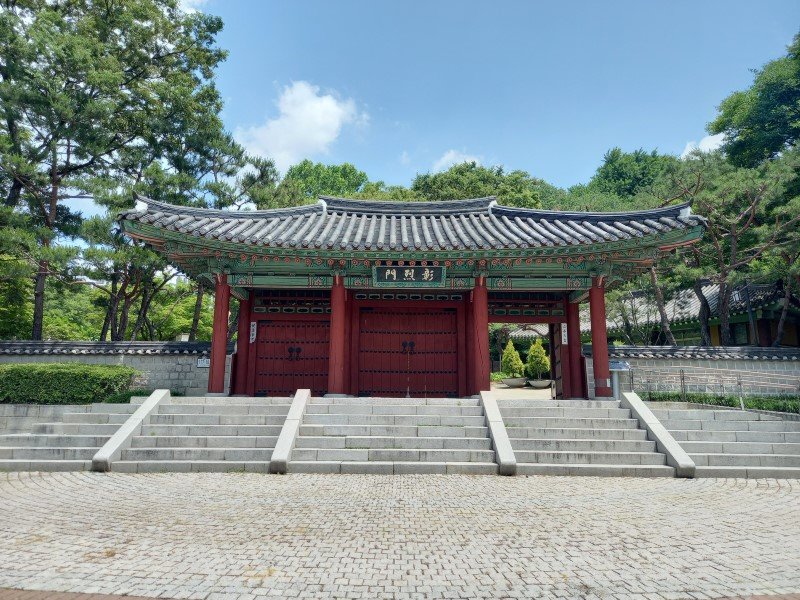
This is a sacred ground where many leaders of the Provisional Government, including Kim Gu (김구), are buried. It is a quiet, contemplative park in the middle of the city.
- How to get there: Hyochang Park Station (Line 6 or Gyeongui-Jungang Line).
- Note: Be respectful as this is a memorial site. You can visit the Kim Gu Museum (백범김구기념관) located within the park.
3. Tapgol Park (탑골공원)
The “Ground Zero” of the March 1st Movement. You can see the 10-story stone pagoda and murals depicting the events of 1919.
- How to get there: Jongno 3-ga Station (Line 1, 3, or 5), Exit 1.
- Local Tip: It is right next to the vibrant Insadong area, making it an easy stop during a day of sightseeing.
Korean Culture portal KCulture.com

Founder of Kculture.com and MA in Political Science. He shares deep academic and local insights to provide an authentic perspective on Korean history and society.