Are you wondering why the stylish, translucent black hats in Netflix’s “Kingdom” have taken the world by storm? In the Joseon Dynasty, hats—collectively known as “K-Hats” today—were the ultimate social signifier, representing a person’s rank, philosophy, and adherence to Confucian etiquette. From the iconic Gat (Heukrip) worn by noble scholars to the intricate winter caps for women, Joseon was truly a “Nation of Hats” where your headwear spoke louder than your words. In this guide, I will take you on a deep dive into the history, craftsmanship, and cultural codes embedded in these remarkable artifacts of Korean heritage.
- The Nation of Hats: A Historical Perspective
- Hierarchy on the Head: A Comprehensive Classification
- The Philosophy of the Gat: Transparency and Integrity
- The Art of the 51-Step Process: How a Gat is Made
- Practicality and Survival: Rain Covers and Commoner Gear
- From ‘Kingdom’ to the World: The Modern K-Hat Renaissance
The Nation of Hats: A Historical Perspective
When Western explorers first set foot in Korea during the late 19th century, they were mesmerized by the sheer variety of headwear they encountered. Percival Lowell, an American astronomer and diplomat, famously remarked that Joseon was a “land of hats,” where everyone from the king to the lowliest street vendor wore a distinct style of headgear. This wasn’t merely a fashion statement; it was a manifestation of the Neo-Confucian value Uigwan-jeongje, which literally means “arranging one’s clothes and hat properly.”
I find it fascinating that for a Joseon gentleman, being seen without a hat was considered as scandalous as being seen naked. The hat was an extension of the soul. It protected the Sangtu (topknot), which was never to be cut because it was a precious gift from one’s parents. This deep-rooted cultural importance led to the development of hundreds of different hat styles, each tailored to specific social roles and life events.
Hierarchy on the Head: A Comprehensive Classification
To truly understand the “K-Hat,” we must look at how they differentiated the social strata. The material, height, and even the “wings” on a hat indicated exactly where a person stood in the royal court or the village hierarchy. Below is a detailed breakdown of the most significant hats you will encounter in historical records and K-dramas.
The Joseon Headwear Classification Table
| Class | Hat Name | Primary Material | Context & Symbolism | |
|---|---|---|---|---|
| Royalty | Myeonryugwan | 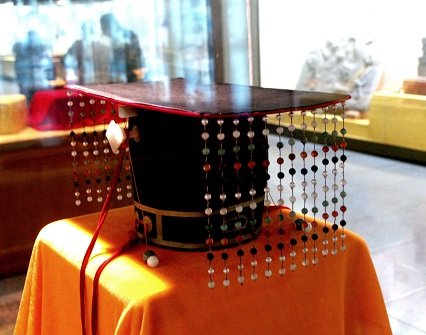 | Silk, Jade, Gold | Ceremonial hat with dangling bead curtains to “limit” the King’s view, encouraging focus on justice. |
| Royalty | Ikseongwan | 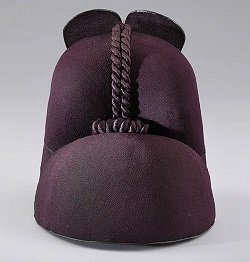 | Purple/Black Silk | The “Cicada Wing” hat worn by kings during daily governance, symbolizing a cicada’s frugality and purity. |
| Nobility | Heukrip (Gat) | 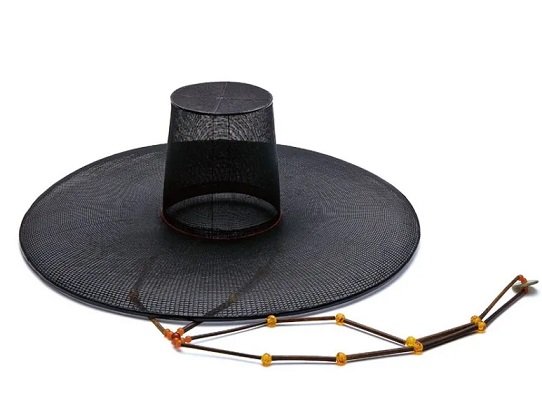 | Horsehair, Bamboo | The formal outdoor hat of the Yangban. Its wide brim provided shade while maintaining elegance. |
| Nobility | Jeongjagwan | 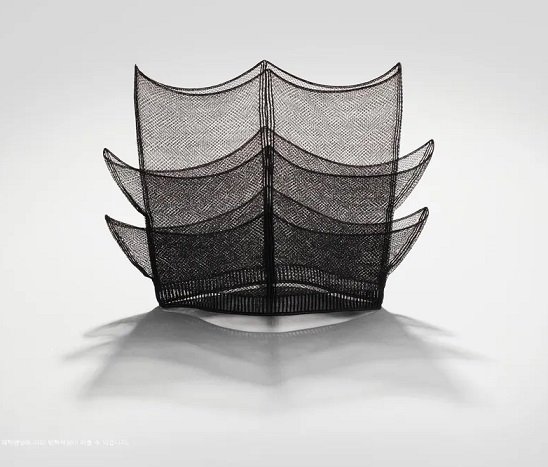 | Horsehair | A multi-peaked indoor hat. The more layers it had, the higher the scholar’s prestige. |
| Officials | Samo | 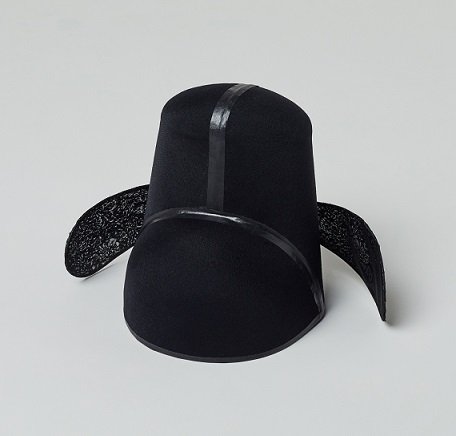 | Silk, Bamboo | The standard official’s hat with two wings at the back. Today, it’s still worn by grooms in traditional weddings. |
| Military | Jeonrip | 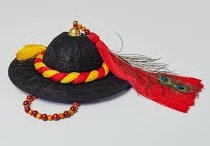 | Boiled Wool, Fur | A sturdy, rounded hat often decorated with peacock feathers or beads to denote military rank. |
| Commoners | Paerangi | 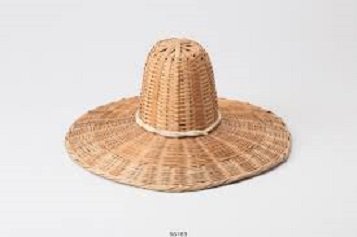 | Bamboo, Straw | A lightweight, functional hat used by peddlers and laborers for sun protection. |
| Children | Hogeon | 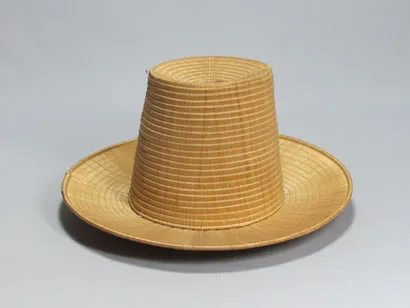 | Silk, Embroidery | A tiger-shaped cap for young boys, meant to ward off evil spirits and pray for strength. |
The Philosophy of the Gat: Transparency and Integrity
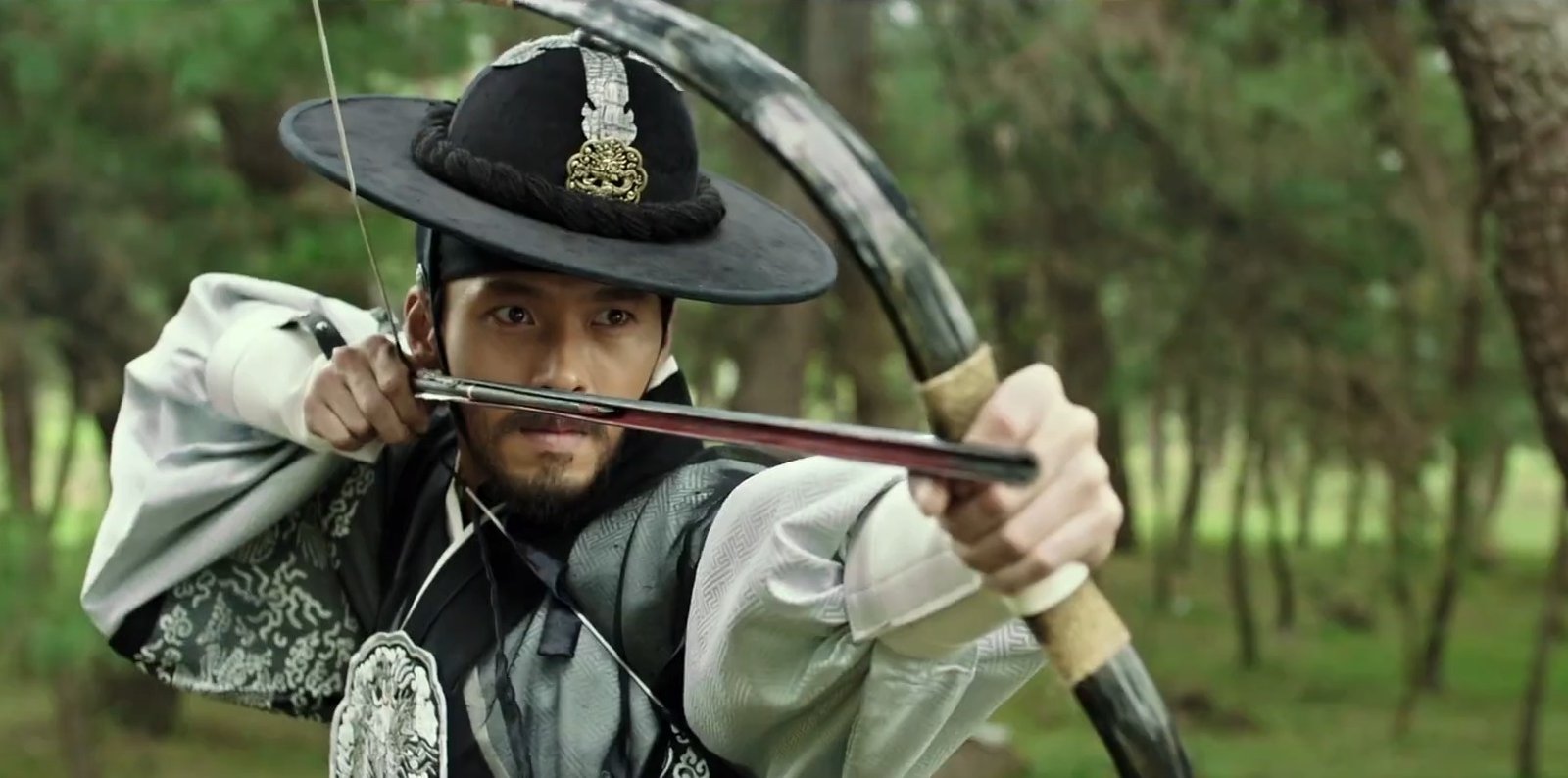
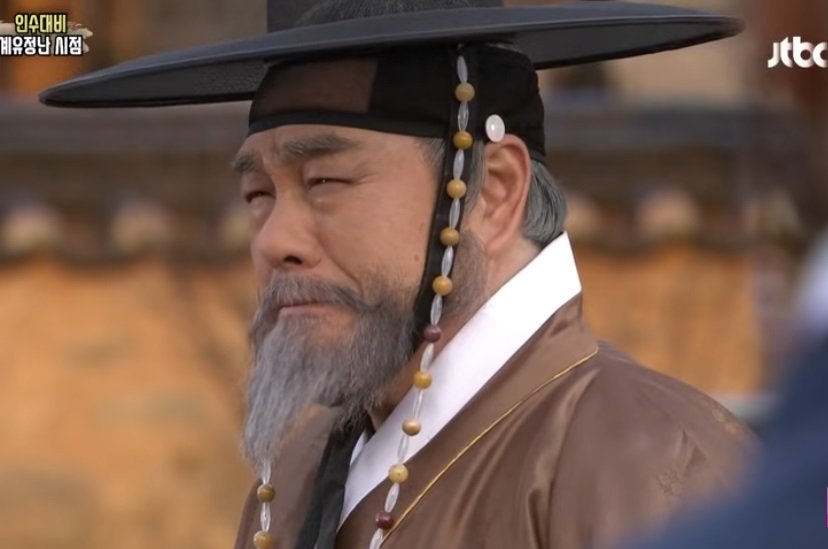
The Gat (specifically the Heukrip) is arguably the most beautiful hat ever designed. What makes it unique is its translucency. When a scholar wore a Gat, the sunlight would filter through the fine horsehair mesh, making the Sangtu (topknot) visible beneath. This was a deliberate philosophical choice.
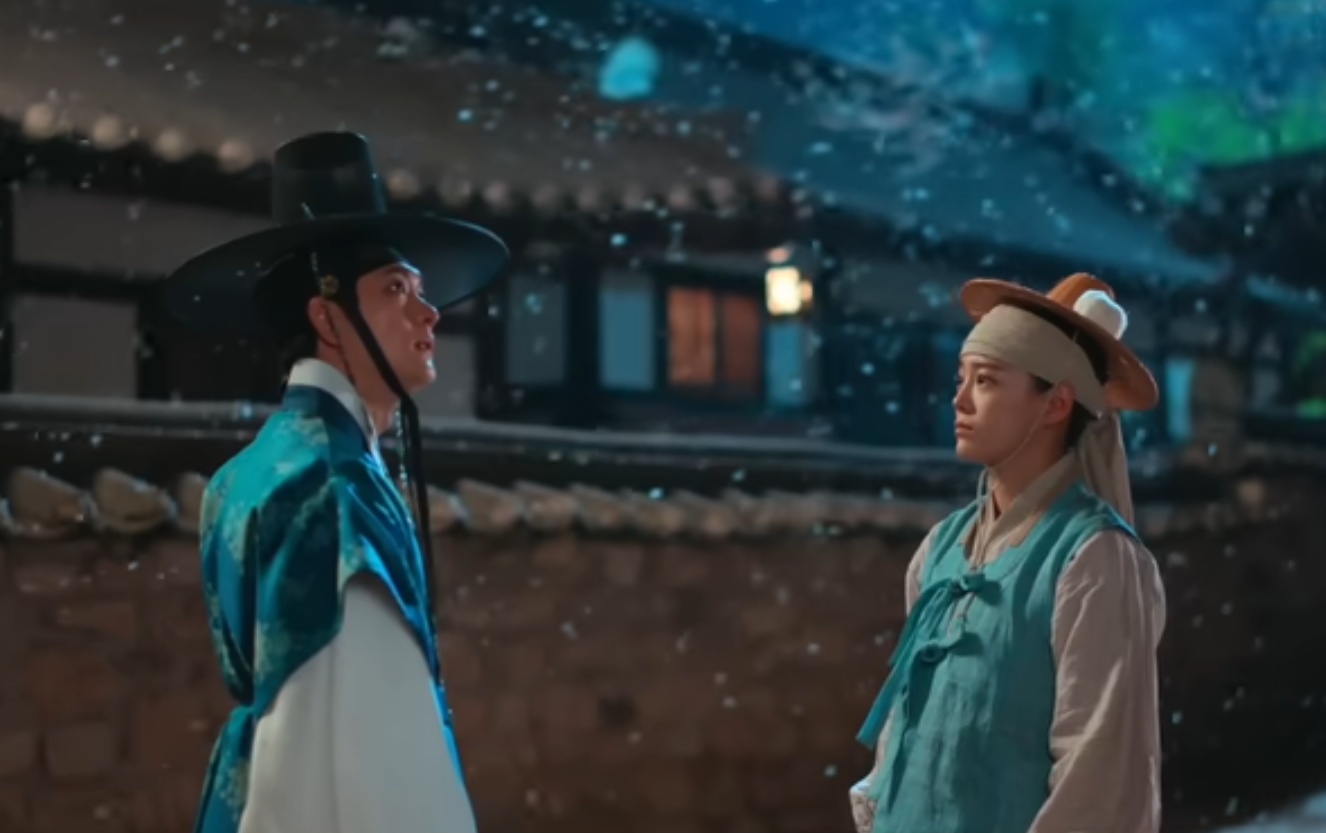
In the eyes of a Joseon scholar, a gentleman had nothing to hide. The transparent nature of the hat symbolized an “open mind” and a “clear conscience.” Furthermore, the large, round brim represented the sky (heavenly principles), while the cylindrical top represented the earth (human discipline). Wearing the Gat was a daily ritual of aligning oneself with the universe. In dramas like “The King’s Affection,” you can see how the Gat frames the face, emphasizing the wearer’s moral gravity and stoicism.
📌 Local Note: If you see a character in a drama wearing a Gat with long, dangling strings made of amber or bamboo (called Gat-keun), they are flaunting their wealth and high status. These strings weren’t just for fastening; they were the “jewelry” of the Joseon man.
The Art of the 51-Step Process: How a Gat is Made
A high-quality Gat is not “built”; it is “woven” through an excruciatingly delicate process that takes months. It requires the mastery of three different artisans, each designated as a National Intangible Cultural Heritage in Korea today.
- The Chongmoja-jang (Top Weaver): This master weaves the cylindrical top portion using horsehair. The hair must be of uniform thickness, often sourced from the tails of horses in Jeju Island.
- The Yangtae-jang (Brim Weaver): This artisan splits bamboo into threads as fine as a human hair. These “bamboo threads” are then woven into the wide, flat brim. A single mistake in the tension can ruin the entire piece.
- The Ipja-jang (The Assembler): The final master combines the top and the brim. They use natural glue and coats of black lacquer (Ochil) to give the hat its signature deep black sheen and structural rigidity.
(Below is a video showing the process of a master craftsman making a Gat.)
Practicality and Survival: Rain Covers and Commoner Gear
Each Gat involves over 50 distinct steps. This is why a genuine, hand-crafted Gat today can cost thousands of dollars. It is not just a hat; it is a marvel of ancient engineering that is incredibly light yet maintains its shape against the wind.
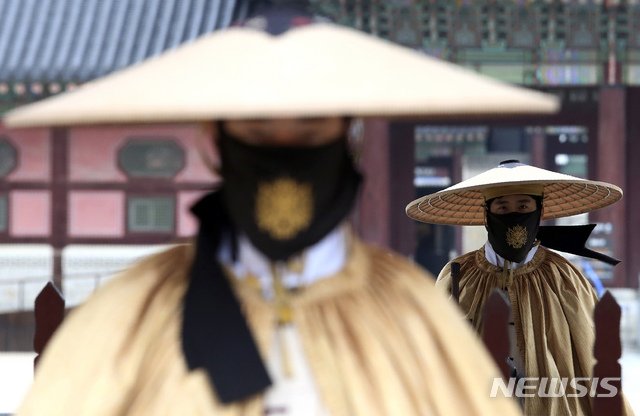
While the Gat was for “show” and “spirit,” the common people had ingenious ways to deal with the elements. One of my favorite examples is the Galmo. Since a horsehair Gat would lose its shape if it got wet, Joseon people carried a foldable “rain cover” made of oiled paper. It looked like a small fan when folded but expanded into a waterproof cone that fit perfectly over the Gat.
For the winter, women and children wore the Jobawi or Ayam. These were beautifully embroidered caps that covered the ears, often lined with fur. In dramas like “Under the Queen’s Umbrella,” you can see the intricate needlework and the auspicious symbols (like peonies for wealth or cranes for longevity) stitched into these winter garments. These hats prove that even in survival, the Joseon people never sacrificed their aesthetic standards.
From ‘Kingdom’ to the World: The Modern K-Hat Renaissance
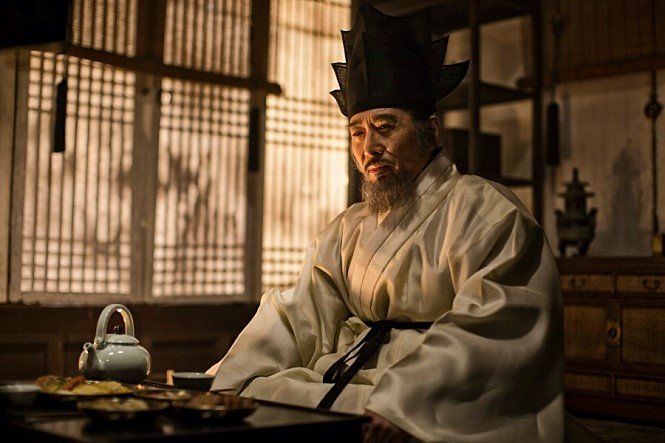
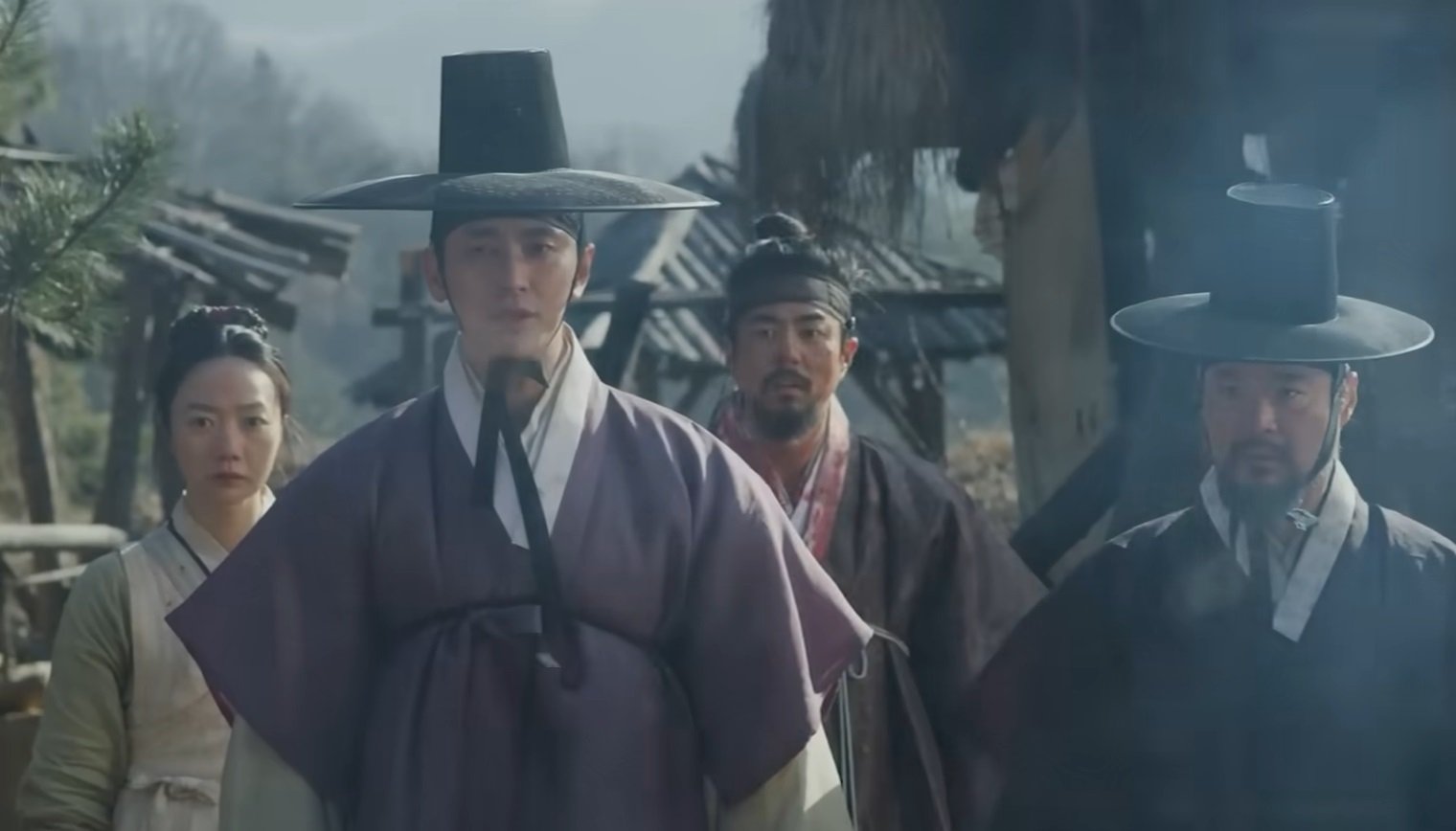
The global success of Netflix’s “Kingdom” changed everything for the Gat. International viewers were captivated by the contrast of the elegant, wide-brimmed hats against the gritty, zombie-infested backdrop. It sparked a “K-Hat” craze on social media, with fans trying to recreate the look.
This renaissance has led to a renewed interest in preserving the craft. Modern designers are now incorporating Gat elements into high-fashion runways and interior design. But for us living in Korea, the Gat remains a symbol of a time when the way you presented yourself to the world was a reflection of your inner character. The next time you see a Gat on screen, remember: you’re not just looking at a hat; you’re looking at the rigid, beautiful spirit of a scholar who refused to let his soul go uncovered.
FAQ
What is the “cicada wing” hat seen on kings in dramas?
That is the Ikseongwan. The two upright “wings” at the back represent the wings of a cicada. In Joseon philosophy, the cicada was a symbol of purity (living on dew) and frugality, reminding the king to lead a clean and modest life for his people.
Can anyone wear a Gat today?
Historically, only the Yangban (nobility) could wear the Heukrip (black Gat). Today, it is a symbol of cultural heritage. While anyone can wear one for cultural experiences or photoshoots at palaces like Gyeongbokgung, a genuine handmade Gat is still treated with immense respect as a work of art.
Is the Gat heavy to wear?
Surprisingly, no! Because it is made of horsehair and thin bamboo, a Gat is incredibly lightweight—almost like wearing a cloud. However, it is quite fragile and can easily be crushed if not handled with care.
Korean Culture portal KCulture.com

Founder of Kculture.com and MA in Political Science. He shares deep academic and local insights to provide an authentic perspective on Korean history and society.