If you’ve ever wondered when the “modern” K-Pop era truly began, look no further. This is the decade that changed everything. We are moving from the era of melodic ballads into the era of syndicated idols, hip-hop rebellion, and the birth of the “fandom universe.” In the early 90s, the Korean music industry was hit by a sonic earthquake. Three young men walked onto a TV talent show, and by the time they walked off, the old world of Korean music was dead.
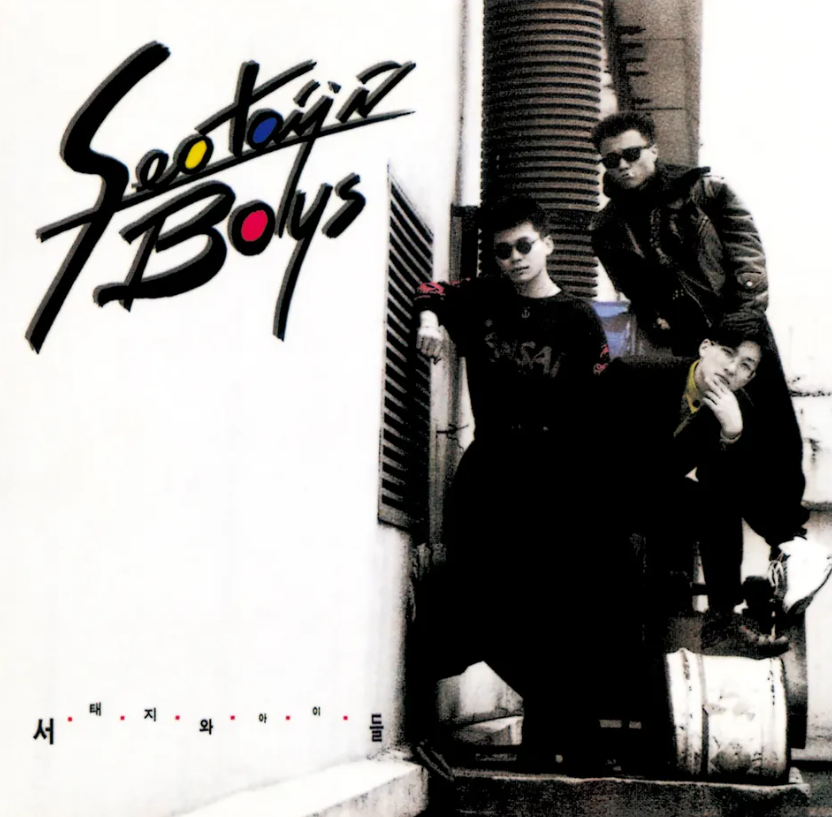
1. 1992: The Seo Taiji Earthquake
On April 11, 1992, Seo Taiji and Boys debuted on an MBC music show with their track “Nan Arayo” (I Know). The judges gave them the lowest score of the night. But the youth of Korea? They were electrified.
- The Revolution: Seo Taiji (the leader/producer), Yang Hyun-suk (later founder of YG), and Lee Juno brought MIDI-based rap, heavy metal, and breakdancing into the mainstream.
- Social Commentary: Seo Taiji became the “President of Culture.” He didn’t just sing about love; he sang about the soul-crushing education system (“Classroom Idea”) and the pain of national division (“Dreaming of Balhae”).
- The Impact: They proved that teenagers were the most powerful consumers in the country. When Seo Taiji retired suddenly in 1996, it was reported on the national evening news—a testament to his god-like status.
2. The Birth of the “Idol System”: Lee Soo-man and SM Entertainment
Following Seo Taiji’s retirement, Lee Soo-man, a former singer and visionary, realized that the demand for “Teen Icons” was permanent. He pioneered the “CT” (Cultural Technology) system—the blueprint for the modern trainee system.
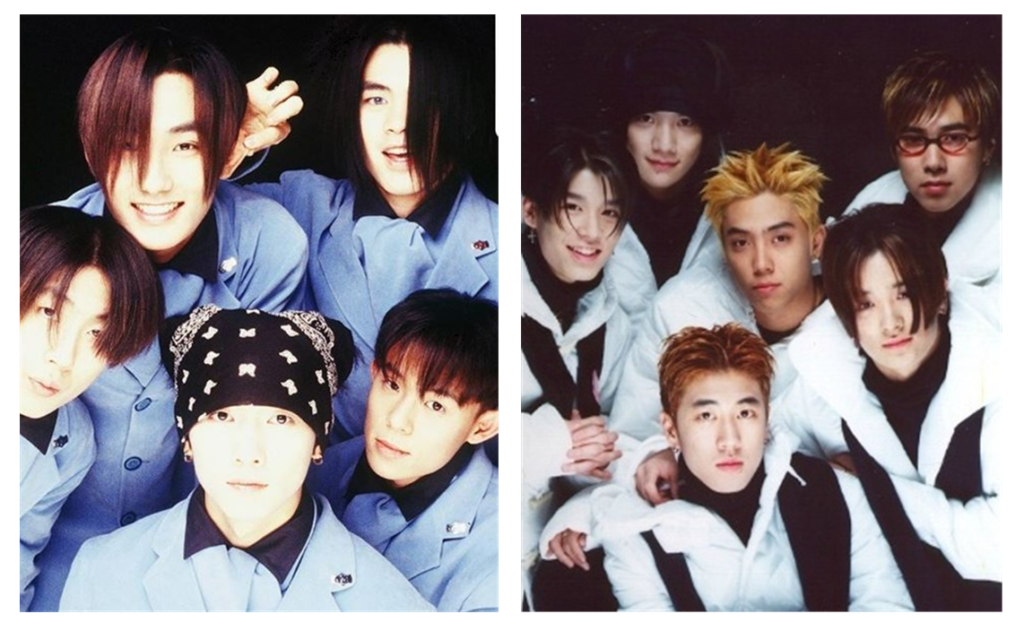
- H.O.T. (High-five Of Teenagers): Debuting in 1996, they were the first “manufactured” idol group. They had it all: synchronized choreography, distinct “characters” for each member, and a massive, organized fandom.
- The Big Three Beginnings: * SM: Focused on visual perfection and global expansion (H.O.T., S.E.S., Shinhwa).
- DSP: The rivals who brought us Sechs Kies and Fin.K.L.
- JYP & YG: Founded by Park Jin-young and Yang Hyun-suk, they brought a more soulful, hip-hop-centric flavor (g.o.d., Jinusean, 1TYM).

3. The First “Fandom Wars”: Raincoats and Balloons
If you think modern Twitter “stanning” is intense, you should have seen Seoul in the late 90s.
- Color Coding: Each group had a representative color. If you wore a White raincoat, you were an H.O.T. fan. Yellow was for Sechs Kies. Pearl Violet was for S.E.S.
- The Rivalry: The clash between H.O.T. and Sechs Kies fans was so legendary it was famously depicted in the K-drama Reply 1997. Thousands of fans would gather at music shows, creating a sea of colored balloons.
- Fan Support: This era saw the beginning of “fanchants” and fans donating food and gifts to their idols, a tradition that has evolved into today’s massive global charity projects.
4. BoA and the “K-Pop Global” Blueprint
As the 90s turned into the 2000s, Korea looked beyond its borders. The domestic market was recovering from the 1997 IMF financial crisis, and export was the key to survival.
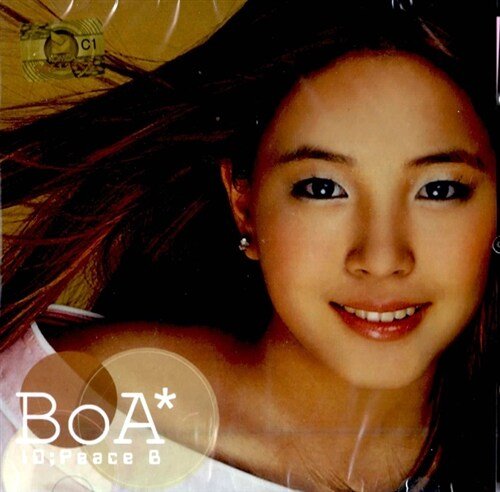
- BoA (The Star of Asia): Debuting at just 13 years old, BoA was the first artist to be trained specifically for a foreign market (Japan). She became the first Korean artist to top the Oricon Chart, proving that K-Pop could become a “Global Standard.”
- S.E.S. and Baby V.O.X.: These first-generation girl groups began touring across China and Southeast Asia, planting the seeds for what would soon be called the “Hallyu Wave.”
5. Tech & Media: The Shift from TV to PC Bangs
- The CD Era: This was the peak of physical album sales. Groups like H.O.T. and g.o.d. were selling over a million copies of every release.
- Starcraft and PC Bangs: The rise of high-speed internet and “PC Cafes” meant that fans began communicating via online bulletin boards (Daum Cafes), allowing fandoms to organize faster than ever before.
- Visual Media: Music videos became cinematic masterpieces with massive budgets, often featuring famous actors and dramatic storylines.
Summary of the 1st Generation (1992 – 2002)
| Feature | Details |
| Pivotal Moment | Seo Taiji and Boys’ debut (1992) |
| Main Genre | Hip-hop, R&B, Euro-dance, Bubblegum Pop |
| Key Groups | H.O.T., Sechs Kies, S.E.S., Fin.K.L, Shinhwa, g.o.d. |
| Solo Icons | Seo Taiji, BoA, Uhm Jung-hwa, Rain (Early era) |
Kyoung’s Local Insight: > When you walk through the streets of Apgujeong (where SM was originally located), you are walking on the holy ground of the 1st Gen. Even now, 1st Gen groups like Shinhwa are still active, proving the incredible longevity of the idol-fan bond. They didn’t just sell music; they sold a lifestyle that defined an entire generation of Koreans.
But the 1st generation was just the beginning. In the mid-2000s, a new wave of groups with even more addictive “hooks” and digital savvy was about to take K-Pop to the next level.
💡 Go to related article
- The Grand Odyssey of K-Pop: A Century of Rhythm, Resilience, and Revolution
- Chapter 1: The Colonial Roots & The Soul of Trot – Where K-Pop’s Heartbeat Began
- Chapter 2: The US 8th Army Era & The Kim Sisters – The Neon Lights of a New Frontier
- Chapter 3: The “Jeans and Guitars” Revolution – Youth, Resistance, and the King (1970s – 1980s)
- Chapter 4: The Golden Age of Ballads & the 1988 Seoul Olympics – A Nation Finds Its Voice (1980s – 1990s)
- Chapter 6: The Hook Song Era & Hallyu 2.0 – When K-Pop Became a Digital Virus (Mid-2000s – Early 2010s)
- Chapter 7: The Global Domination – 3rd Generation & the Social Media Revolution (2012 – 2017)
- Chapter 8: The Digital Natives – 4th Generation & The Performance Revolution (2018 – 2022)
- Chapter 9: The 5th Generation – The Era of Naturalism & Hyper-Globalization (2023 – Present)
- Chapter 10: The Future of K-Pop – Beyond the Stage and Into the Multiverse (2030 & Beyond)

A lifestyle writer covering K-beauty, fashion, and art. Kyoung shares honest insights on K-pop and smart shopping, capturing the vibrant trends of modern Korea.