Hello there! I’m Min, your local cultural guide living in the heart of Korea.✨
As someone who holds professional certifications in both Korean Cuisine (Hansik) and Confectionery/Bakery, I spend a lot of time thinking about the “chemistry” of ingredients. But more than that, I’m a local who loves the stories hidden inside a steaming bowl of noodles.
Today, I want to take you on a journey through the “Slurp-tastic” world of Korean noodles. Trust me, by the end of this post, you’ll be checking your calendar for the next flight to Seoul!
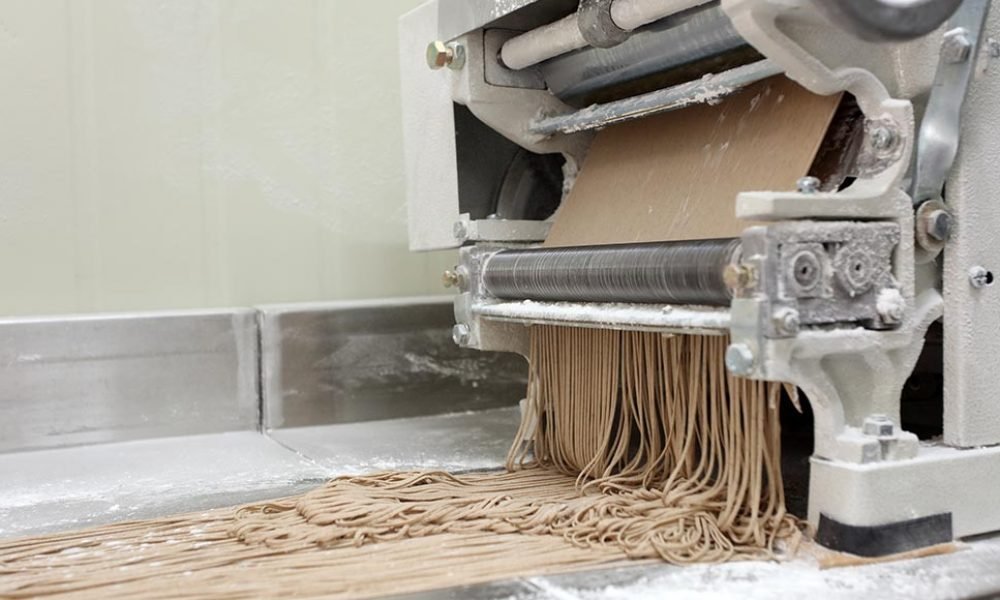
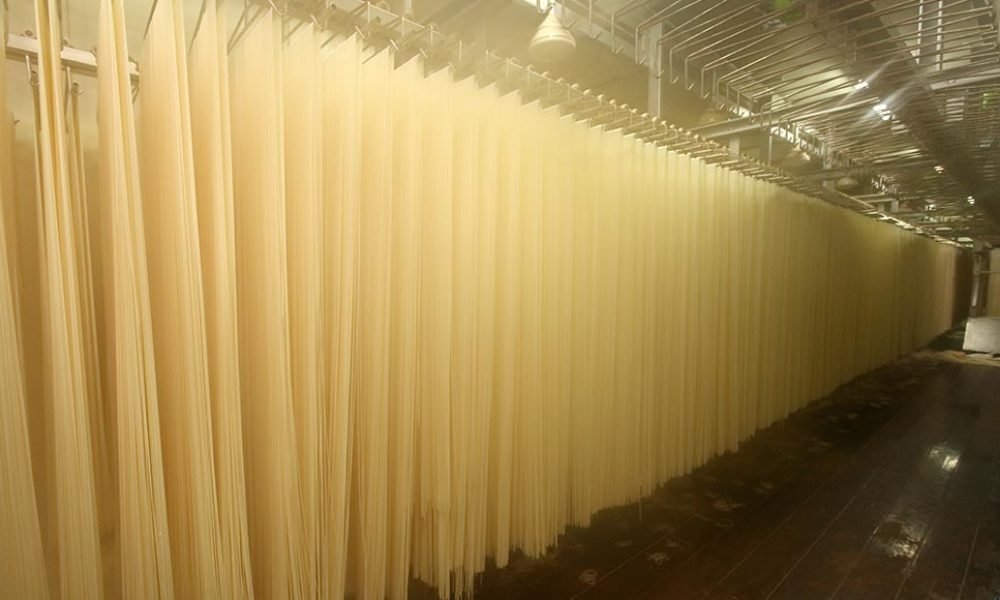
Beyond Ramen: The Ultimate Guide to Korea’s Rich and Soulful Noodle Culture
When most people think of Korean noodles, “Ramen” is the first thing that pops into their heads. But did you know that in Korea, noodles are so much more than a quick snack? They represent longevity, celebration, and even a cooling escape from the humid summer heat.
From the chewy snap of potato starch to the earthy aroma of buckwheat, let’s dive into the delicious variety that makes Korea a true “Noodle Nation.”
1. A Tangled History: The Story of Korean Noodles
In Korea, we traditionally use two words: Guksu (국수) and Myeon (면). While Myeon is a Sino-Korean loanword often used for wheat-based noodles, Guksu is the native Korean term that feels a bit more warm and “homey.”
Historically, wheat was a luxury item in Korea because it didn’t grow as well as rice or barley in our soil. Because of this, noodles were once a special treat reserved for weddings and 60th birthday celebrations. The long shape of the noodle symbolizes a long and healthy life, which is why even today, if someone asks, “When are we getting to eat your wedding noodles?” they are actually asking when you’re getting married! 💍
2. A Symphony of Flavors: Must-Try Korean Noodle Dishes
The Classics: Warm & Comforting
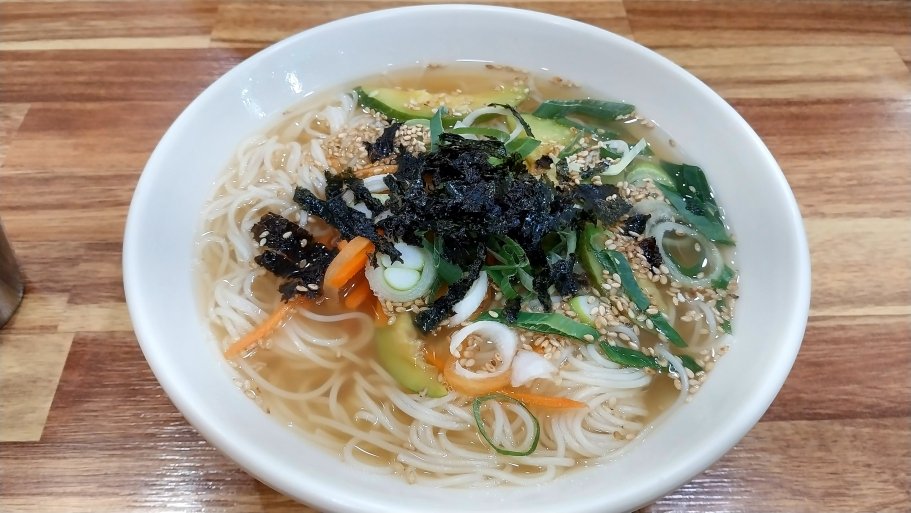
- Janchi Guksu (Banquet Noodles): This is the “soul food” of Korea. It features thin wheat noodles in a clear, light anchovy broth. It’s topped with colorful strips of egg garnish, zucchini, and seaweed. It tastes like a warm hug from a Korean grandmother.
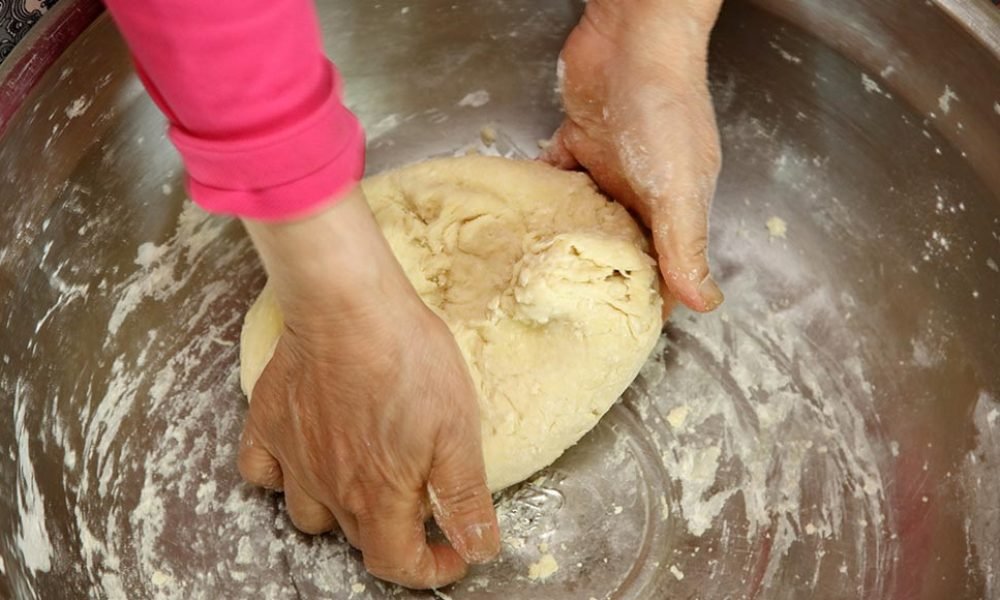
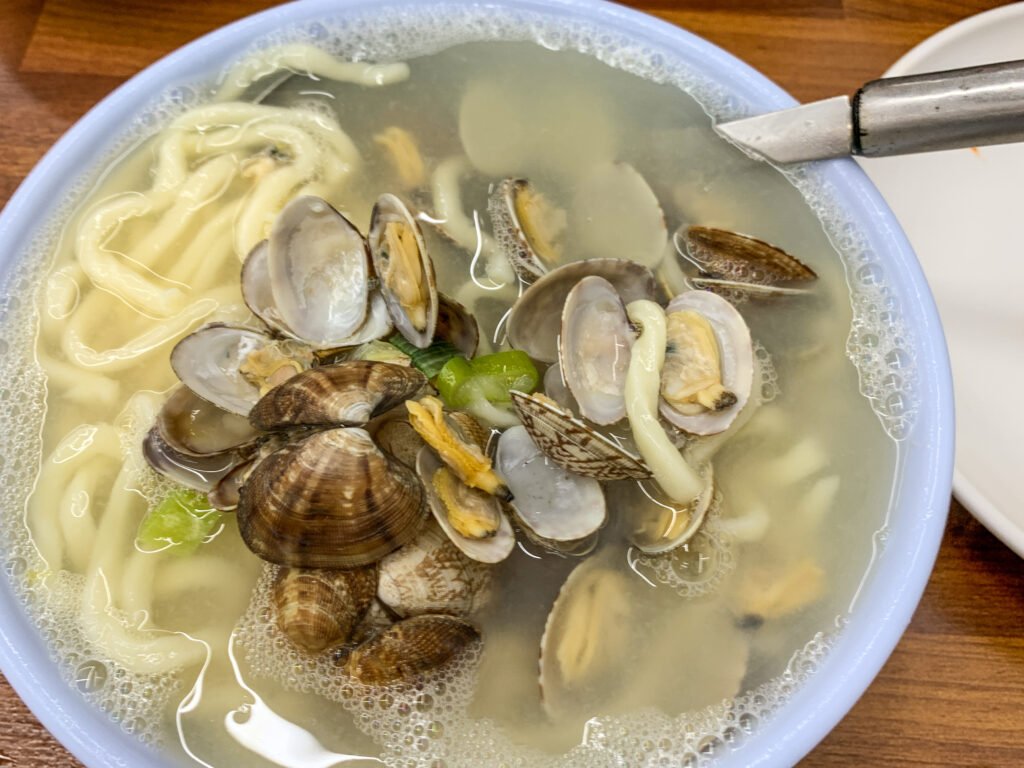
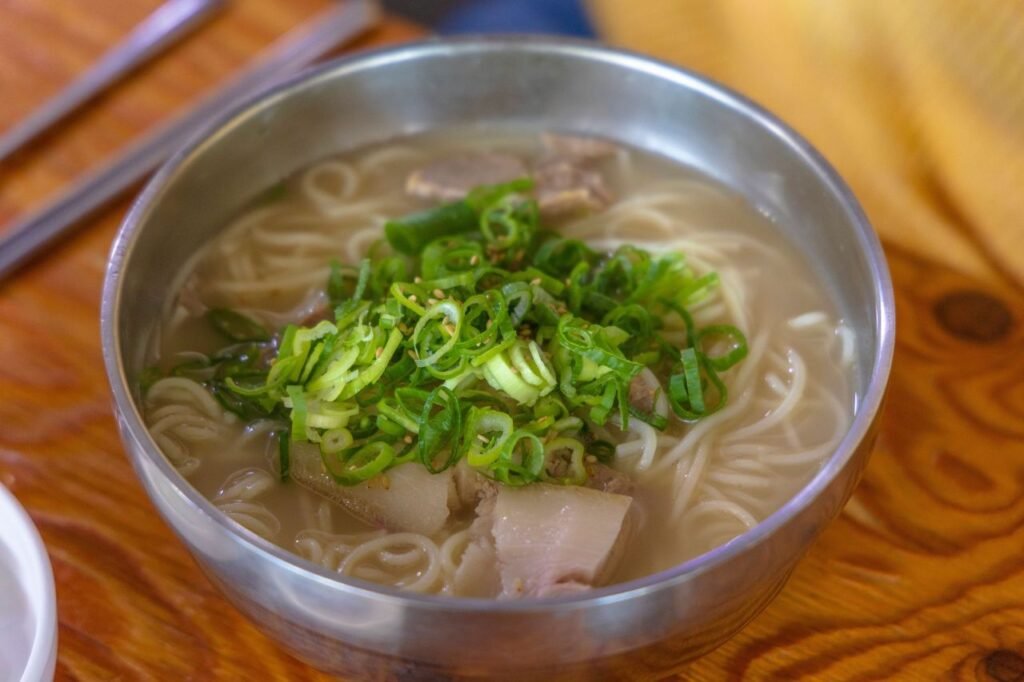
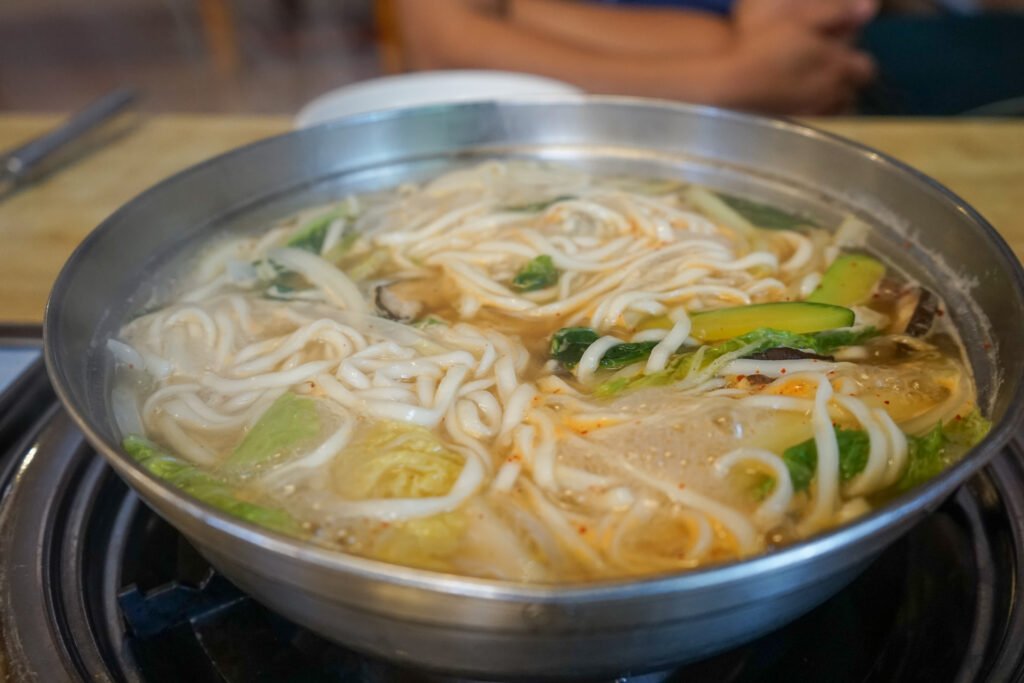
- Kalguksu (Knife-cut Noodles): Imagine dough being rolled out flat and then rhythmically sliced with a heavy knife. These noodles are thick and chewy. The Bajirak (Clam) Kalguksu offers a refreshing taste of the ocean, while Pat-kalguksu (Red Bean) provides a thick, nutty, and slightly sweet experience.
The Chilled Wonders: Korea’s Secret Weapon
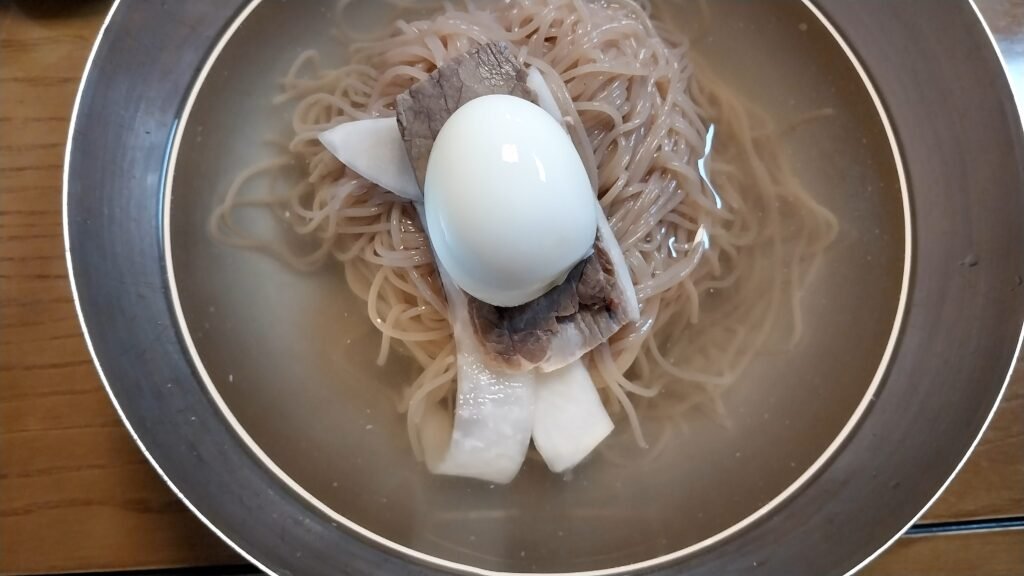
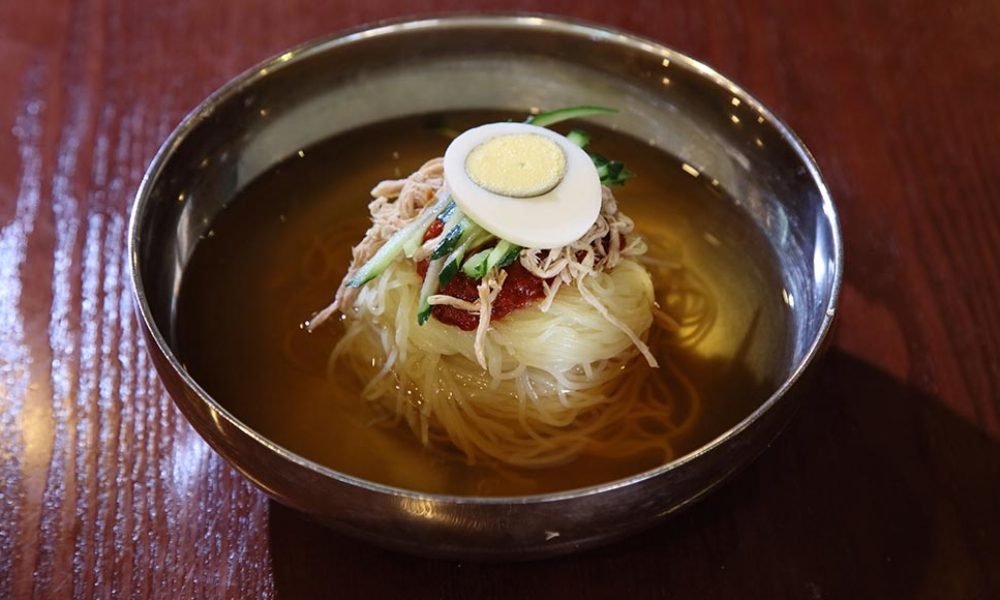
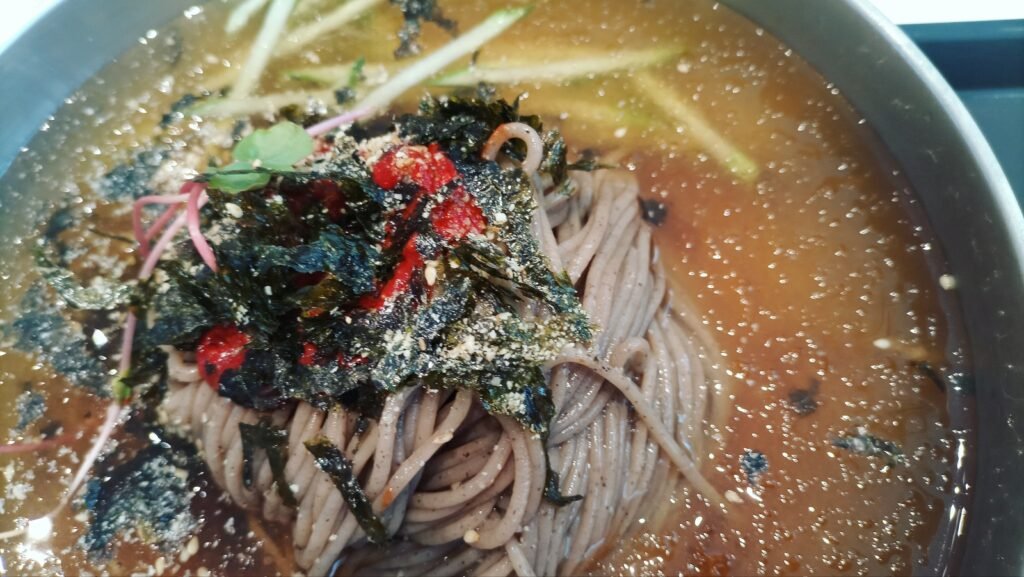
- Naengmyeon (Cold Buckwheat Noodles): This is where it gets interesting!
- Pyongyang-style: Known for its subtle, sophisticated “plain” taste in a cold beef broth.
- Hamhung-style: Chewier noodles made with potato or sweet potato starch, usually served with a spicy red chili sauce (Bibim-naengmyeon).
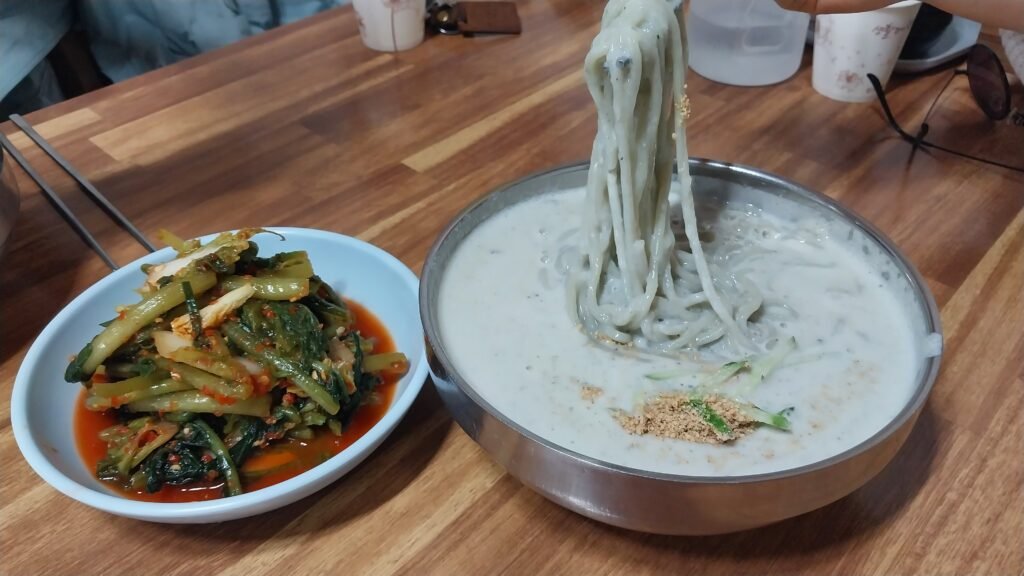
- Kong-guksu (Soy Milk Noodles): A summer favorite! Freshly ground soybeans create a creamy, thick, cold broth. It’s incredibly high in protein and has a velvety texture that feels like a savory milkshake.
The Fun & Trendy
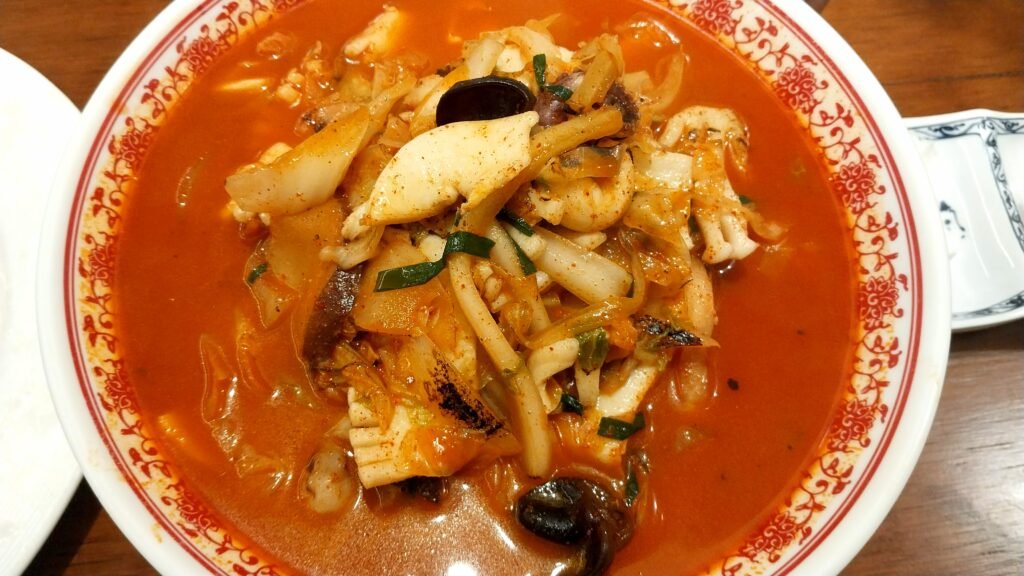
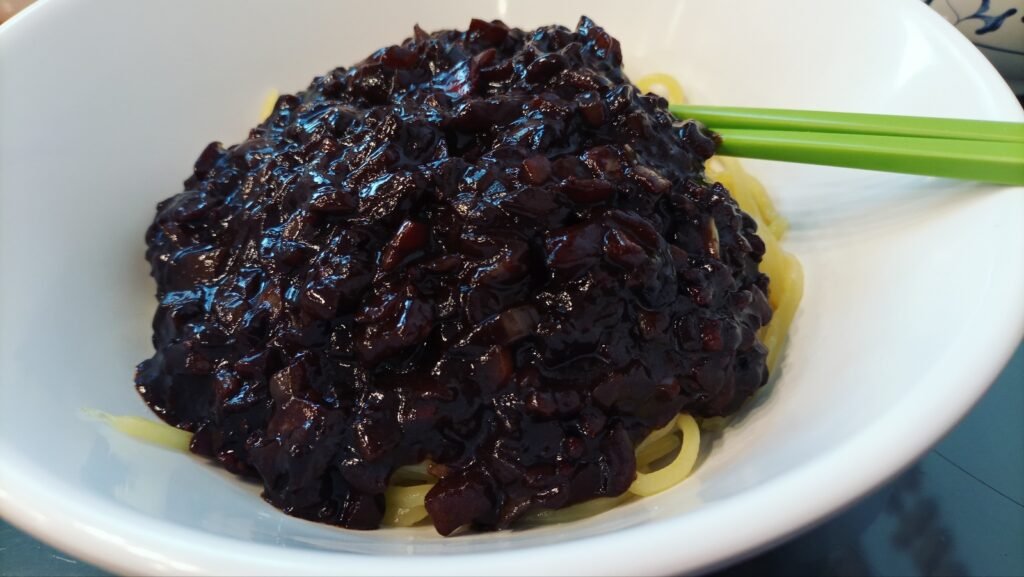
- Jjamppong & Jajangmyeon: The ultimate rivalry! One is a spicy, smoky seafood noodle soup, and the other is a thick, sweet, and savory black bean sauce noodle. You’ll often see Koreans agonizing over which one to order!
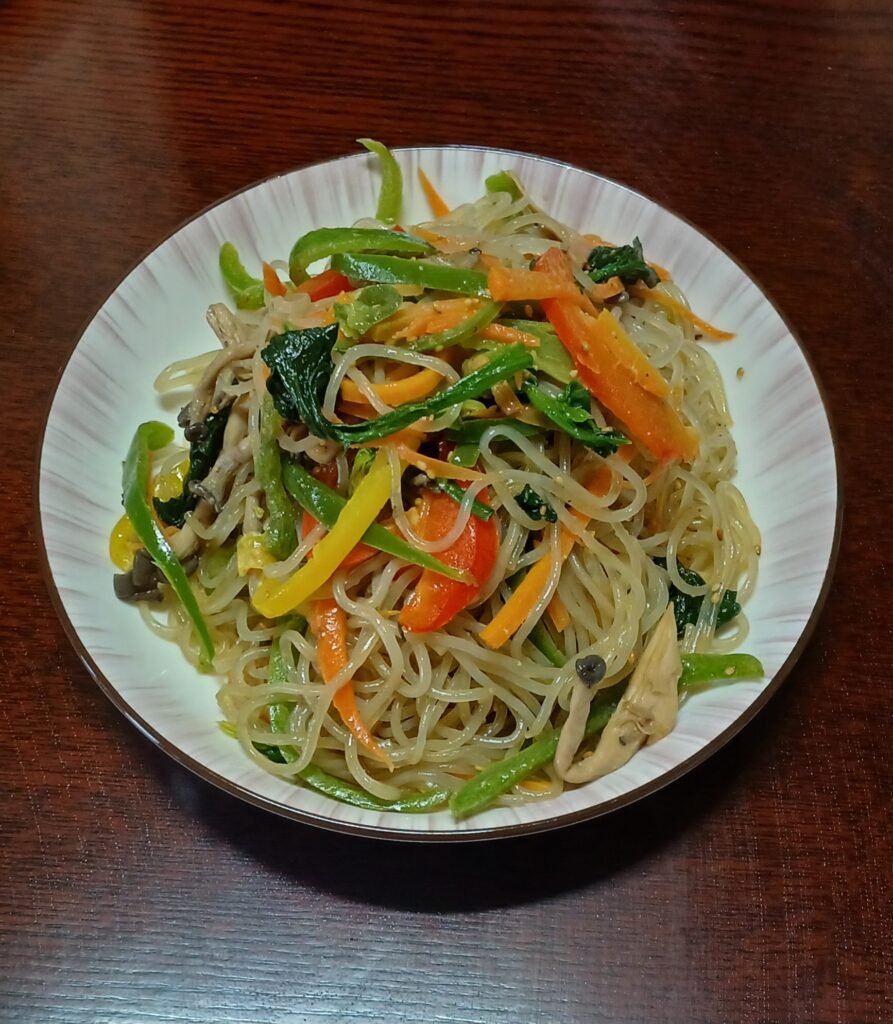
- Japchae: Unlike the others, this is a “glass noodle” dish made from sweet potato starch. Stir-fried with colorful vegetables and beef, it’s glossy, chewy, and a staple at any festive party.
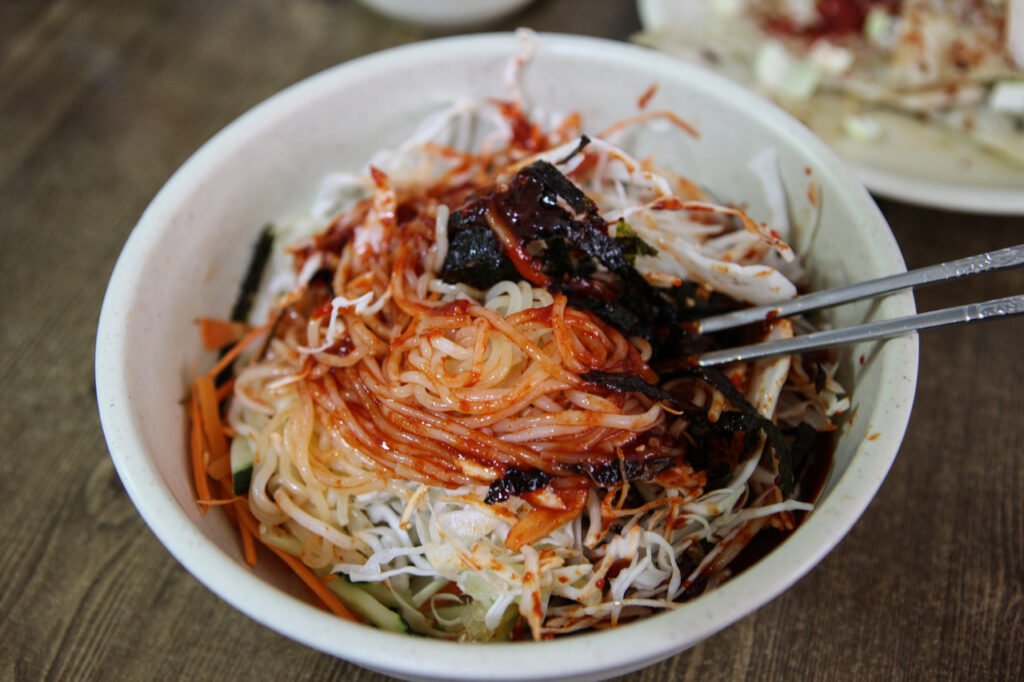
- Jjolmyeon: These are incredibly “bouncy” noodles served with a spicy-sweet sauce and crunchy cabbage. They were actually created by mistake at a factory, but we loved the texture so much it became a national hit!
3. A Regional Road Trip Through Noodles 🗺️
If you travel across the peninsula, the noodles change as much as the scenery:
| Region | Must-Eat Noodle | Why it’s Special |
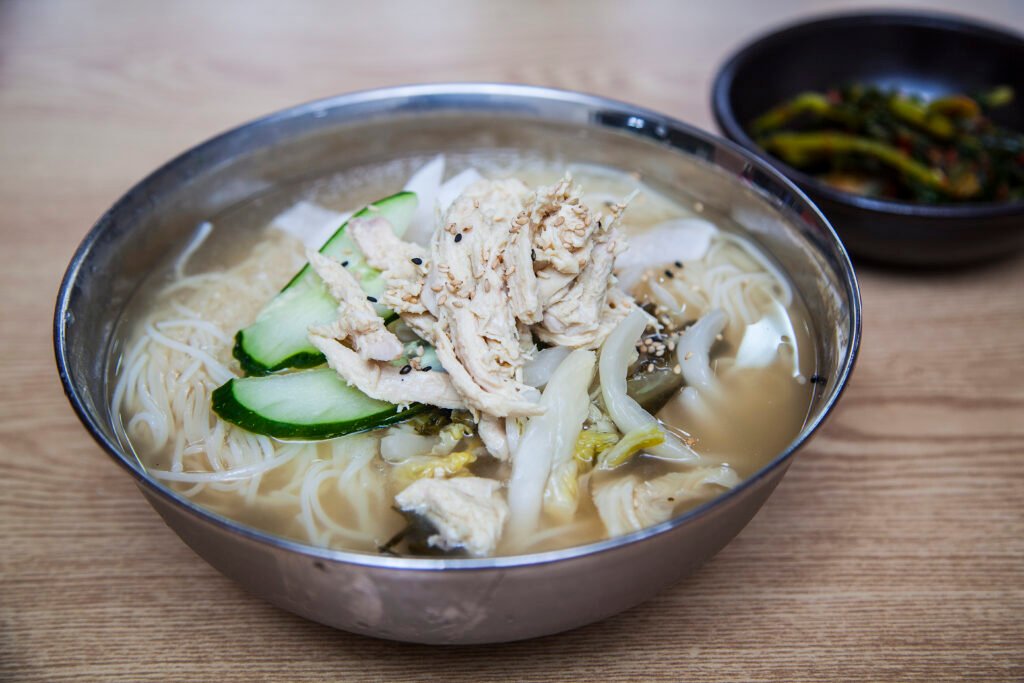
| Seoul | Chogye-guksu | A chilled chicken noodle soup seasoned with vinegar and mustard. It’s zesty and incredibly refreshing! |
| Busan | Milmyeon | Born during the Korean War using wheat flour provided by aid, these noodles are faster to make and have a unique, spicy kick compared to Naengmyeon. |
| Gangwon | Makguksu | The home of buckwheat! These noodles are served rustic-style with plenty of seaweed and sesame oil. |
| Jeju Island | Gogi-guksu | Thick flour noodles in a rich, creamy pork bone broth, topped with succulent slices of boiled pork. |
4. Min’s “Chewy & Easy” 15-Minute Kalguksu Recipe 🍜
Want to taste Korea at home? You don’t need a professional kitchen! Here is a simple 1-person recipe for a cozy Kalguksu.
Ingredients:
- Noodles: 1 serving of store-bought Kalguksu noodles (or thick linguine in a pinch!)
- Broth: 500ml water, 1 dried anchovy packet (or 1 tsp of dashi powder)
- Vegetables: 1/4 zucchini (sliced), 1/4 onion (sliced), 1 shiitake mushroom.
- Seasoning: 1 tbsp soy sauce, 1/2 tbsp minced garlic, a pinch of salt.
Quick Steps:
- Boil the Broth: Boil the water with your anchovy packet for about 10 minutes. Remove the packet.
- Add Veggies: Toss in the onions and mushrooms. Let them soften and release their sweetness.
- The Noodles: Shake the excess flour off your noodles (this keeps the soup from getting too thick) and add them to the pot.
- Season: Add the garlic, soy sauce, and zucchini.
- Finish: Boil for 4-5 minutes until the noodles are translucent and chewy. Season with salt to your liking.
- Pro Tip: Top with a little toasted sesame oil and a sprinkle of black pepper for that “local expert” touch!
Did you know? According to recent data, South Koreans consume about 77 servings of noodles per person per year, ranking among the highest in the world! Whether it’s a quick Ramen or a traditional bowl of Naengmyeon, noodles are the thread that weaves our daily lives together.
I hope this guide makes you hungry for more than just Ramen. The world of Korean noodles is deep, chewy, and full of heart!

A certified Korean chef and baker. Min shares authentic tastes of Korea, from hidden local gems to traditional recipes and everyday lifestyle.