The Timeless Elegance of Traditional Korean Hanbok: From K-Drama Screens to Your Wardrobe
If you have walked through the grand gates of Gyeongbokgung Palace in Seoul or binge-watched global hits like Kingdom or The Red Sleeve, you have witnessed the mesmerizing beauty of the Traditional Korean Hanbok. The flowing lines, the vibrant color combinations, and the unique silhouette are unmistakable. For many international visitors, renting a Hanbok for a photo op is a rite of passage. However, as a local living here in Korea, I can tell you that this attire is far more than just a tourist costume or a relic of the past.
While we don’t wear it to the office every day, the Hanbok remains the ceremonial soul of Korea. It is deeply embedded in our major holidays like Seollal (Lunar New Year) and Chuseok (Korean Thanksgiving), and it is the centerpiece of weddings and family celebrations. Today, we are going to move beyond the rental shops and dive deep into the history, anatomy, and modern resurgence of this iconic dress. Whether you want to understand the cultural context behind your favorite drama or are looking to buy your very own custom set in Seoul, this guide covers it all.
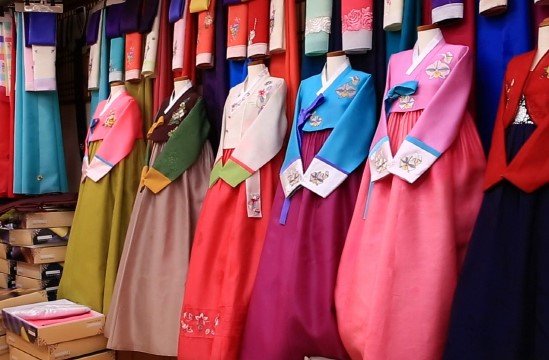
- Visual Storytelling: Hanbok in Pop Culture
- The Enduring Legacy: A History of Consistency
- The Anatomy of Hanbok: Basic Components
- The Social Language: Class and Occasion
- The Finishing Touches: Hairstyles and Accessories
- Beyond Renting: The Rising Trend of Ownership
- A Local’s Guide to Buying Hanbok
- The Modern Renaissance: Evolution of Tradition
Visual Storytelling: Hanbok in Pop Culture
It starts with the screen. When you see a character in a historical drama (Sageuk) running through a palace courtyard, their skirts billowing like a watercolor painting, you are seeing centuries of aesthetic refinement. The Hanbok helps tell the story. In dramas, the colors worn by the King (often red with dragon embroidery) differ vastly from the scholars (modest white or pale blue) and the commoners.
This media exposure has sparked a massive interest in “Hanbok Experiences.” Areas like Bukchon Hanok Village are filled with visitors transforming themselves into Joseon-era royalty for a day. (If you’re interested in renting a Hanbok in Seoul, please refer to ‘Gyeongbokgung Hanbok Rental 2025: 30+ Best Shops Compared‘ for more details.) But beneath the Instagram filters lies a garment with a profound structural philosophy.
The Enduring Legacy: A History of Consistency
The history of the Hanbok stretches back over 1,600 years to the Three Kingdoms period (57 BC – 668 AD). While fashion is usually fleeting, the fundamental structure of the Hanbok has remained remarkably consistent. While the lengths of the jacket or the width of the sleeves have fluctuated with trends—most notably during the Joseon Dynasty—the basic “two-piece” framework has survived millennia.
💡 Local Insight: The Hanbok reflects the nomadic roots of the Korean people (specifically the Scythian influence). Unlike the wrapped robes of neighboring cultures, the Hanbok was designed as separate upper and lower pieces to facilitate movement and horseback riding. It is practical beauty.
The Anatomy of Hanbok: Basic Components
To appreciate the Hanbok, you must understand its composition. It relies on flat fabric creating 3D curves on the body, emphasizing a “flow” rather than a tight fit.

Women’s Hanbok
- Jeogori (Jacket): The upper garment. Over time, this became shorter and shorter, eventually sitting just above the chest line in the late Joseon era.
- Chima (Skirt): A high-waisted, wrap-around skirt. It is voluminous and pleated, allowing for graceful movement and hiding the lower body’s shape, which was considered modest and elegant.
- Otgoreum (Ribbon tie): The two long ribbons hanging from the front of the Jeogori. Tying this correctly is an art form and serves as the visual focal point of the outfit.
- Beoseon (Socks): Padded white socks with a uniquely upturned toe, designed to fit into traditional rubber shoes (Gomusin).
Men’s Hanbok
- Jeogori (Jacket): Generally longer than the women’s version, reaching down to the waist.
- Baji (Pants): Unlike Western trousers, these are baggy and roomy, tied at the ankles with straps (Daenim). This design accommodates sitting on the floor (Ondol culture).
- Durumagi (Overcoat): A long outer coat worn for warmth and formality when going outdoors.
The Social Language: Class and Occasion
In the past, your Hanbok was your ID card. The fabric and color immediately signaled your social standing. Commoners mostly wore white cotton or hemp (hence Koreans being called the “White-Clad People”), reserving colored silk for their wedding day. Aristocrats (Yangban) wore vibrant silks and ramie cloth.
Today, we still use color to convey meaning, especially at weddings:
| Role | Traditional Color Code | Meaning |
|---|---|---|
| The Bride | Red Skirt, Green Jacket (Historically) / Pastels (Modern) | Youth and purity. |
| Groom’s Mother | Blue Tones | Coolness, yin energy. |
| Bride’s Mother | Pink or Red Tones | Warmth, yang energy. |
The Finishing Touches: Hairstyles and Accessories
A Hanbok is incomplete without the proper styling. In historical contexts, hair was never cut (Confucian filial piety), leading to elaborate styles that you often see in dramas.
Hairstyles
- Sangtu (Topknot): The standard style for married men. The hair was pulled up and knotted on top of the head, held together with a pin (Donggot) and a headband (Manggeon).
- Jjok-jin-meori: The classic bun worn by married women at the nape of the neck, secured with a Binyeo (large hairpin).
- Daenggi-meori: A long braid worn by unmarried women, tied at the end with a colorful ribbon called a Daenggi.
- Eoyeo-meori: If you watch palace dramas, you will see Queens wearing a massive, halo-like wig made of braided hair. This heavy style signified immense royal authority.
Essential Accessories
- Norigae: A decorative pendant hung from the Jeogori’s tie or the skirt’s waist. It served as both jewelry and a good-luck charm.
- Binyeo: An ornamental hairpin made of jade, silver, or wood. The length and material often indicated class.
Beyond Renting: The Rising Trend of Ownership
For years, the standard tourist itinerary involved renting a Hanbok for two hours. However, there is a growing shift. Many visitors now want to own a piece of Korean culture. They realize that the rental shop quality—often made with flashy, cheap synthetics and wire hoops to puff up the skirt—pales in comparison to an authentic, tailored Hanbok.
Buying a Hanbok is investing in a piece of art. Whether it is for a special event back home or simply as a collector’s item, purchasing a set allows you to choose high-quality fabrics and proper traditional lines that rental shops rarely offer.
A Local’s Guide to Buying Hanbok
If you are ready to buy, you need to know where to go. In Seoul, there are two main hubs for Hanbok shopping, catering to different needs.
Where to Shop
- Gwangjang Market: This is the beating heart of traditional textiles. The second floor is a maze of silk shops and custom Hanbok tailors. It is authentic, slightly chaotic, and offers excellent value. You can choose your own fabric and have it measured on the spot.
- Dongdaemun General Market: Similar to Gwangjang but more focused on wholesale fabrics. Good for DIY enthusiasts.
- Cheongdam-dong & Gangnam: Here you will find high-end designer boutiques. These shops offer “Couture Hanbok” using the finest natural dyed silks. Expect to pay a premium for exquisite craftsmanship.
The Buying Process & What You Get
When you buy a tailored Hanbok, it is not just buying a dress off the rack. It is a consultation.
- Fabric Selection: You will decide between Bon-gyeon (100% silk) and Hwahak-seomyu (synthetic/polyester). Silk has a luxurious, subtle sheen and deeper colors but requires dry cleaning and care. High-quality synthetic Hanbok is durable, cheaper, and easier to maintain, making it a popular choice for first-time buyers.
- Measurements: The tailor will measure your arm length (for the sleeve), chest, and height.
- The Full Set: A purchase usually includes the Jeogori and Chima, but don’t forget the undergarments. You need a Sokchima (petticoat) to give the skirt its volume. Most sets sold today also include a matching handbag and sometimes simple shoes.
📌 Buying Tip: If you are buying in a market like Gwangjang, negotiation is possible, but don’t push too hard. Focus on asking for “Service” (freebies) like a matching Norigae or socks instead of a deep price cut.
The Modern Renaissance: Evolution of Tradition
Finally, it is crucial to understand that Hanbok is not dead; it is evolving. We are seeing a surge in “Saenghwal Hanbok” (Modern/Daily Hanbok). Designers are cropping the skirts to knee-length, replacing tie ribbons with buttons or zippers, and using cotton or linen fabrics suitable for modern life.
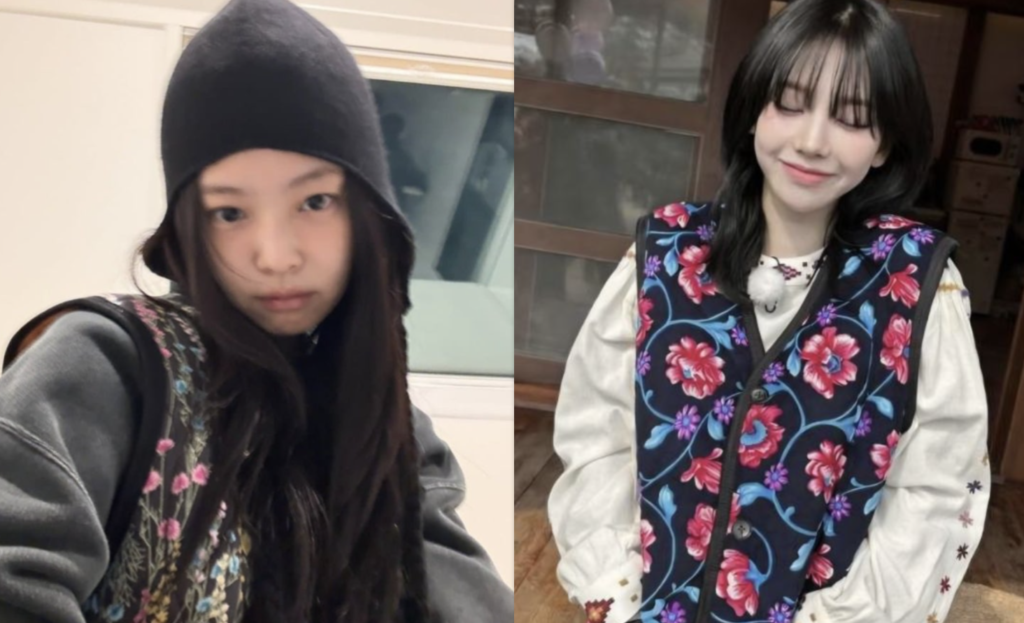
K-pop stars like BTS and BLACKPINK have worn these modernized versions in music videos, proving that Hanbok can be edgy and fashionable. This fusion keeps the tradition alive. The Hanbok maintains its fundamental “roots”—the collar shape, the curve of the sleeve—while adapting to the rhythm of the 21st century.
Whether you stick to the strictly traditional silk grandeur or opt for a modern cotton interpretation, wearing a Hanbok is an embrace of Korean spirit. It connects you to a history of resilience and beauty that refuses to fade away.
Korean Culture portal KCulture.com
Join the mailing service and add to your favorites.

Founder of Kculture.com and MA in Political Science. He shares deep academic and local insights to provide an authentic perspective on Korean history and society.