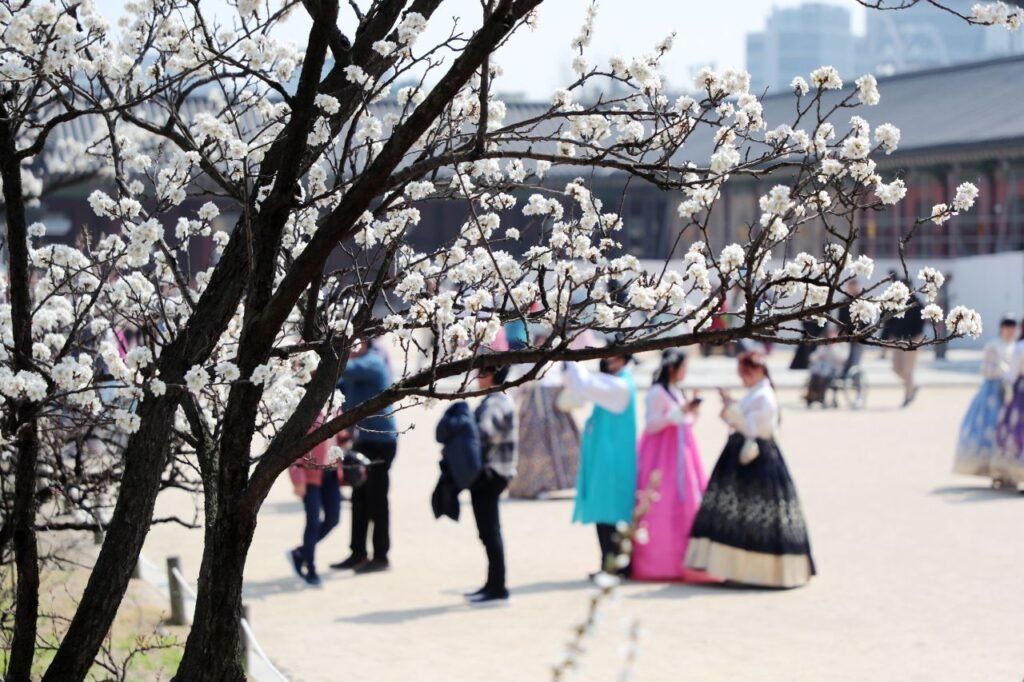
As of May 2026, the ultimate Korean travel trend is shifting away from overcrowded major cities to immersive regional getaways in the southern provinces, specifically focusing on traditional Hanok stays and authentic local gastronomy. If you want to escape the massive tourist crowds of Seoul, Busan, or the packed East Coast beaches this summer, exploring the rich culinary heritage and peaceful landscapes of regional cities like Jeonju, Yeosu, Suncheon, and Mokpo is the perfect solution. As a local living in Korea, I know how exhausting it can be to navigate through seas of tourists. That is why I have put together this insider guide to help you experience the true, unhurried charm and deep flavors of Korea’s southern regions.
- Why Regional Travel is the Best Choice in 2026
- Jeonbuk: Hanok Stays and the Capital of Gastronomy
- Namdo: Healing and Culinary Delights in Yeosu, Suncheon, and Mokpo
- Local Insider Tips: Navigating Regional Korea
- More Korea Travel Guides
Why Regional Travel is the Best Choice in 2026
While Seoul and Busan remain fantastic destinations, they have reached a saturation point with international visitors in 2026. Furthermore, heading to the East Coast during the summer holidays often means enduring severe traffic jams and crowded beaches, which defeats the purpose of a relaxing vacation. To truly understand Korean culture, you need to head south. Thanks to Korea’s highly efficient high-speed rail network, reaching Jeollabuk-do (전라북도) and Jeollanam-do (전라남도)—regions renowned for having the best food in the country—takes only two to three hours from the capital.
Jeonbuk: Hanok Stays and the Capital of Gastronomy
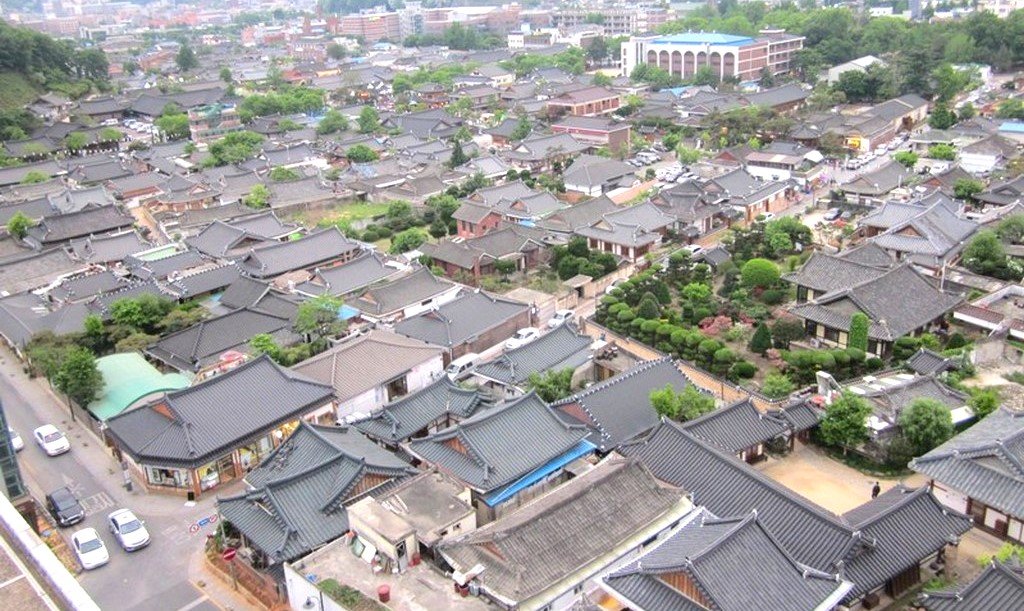
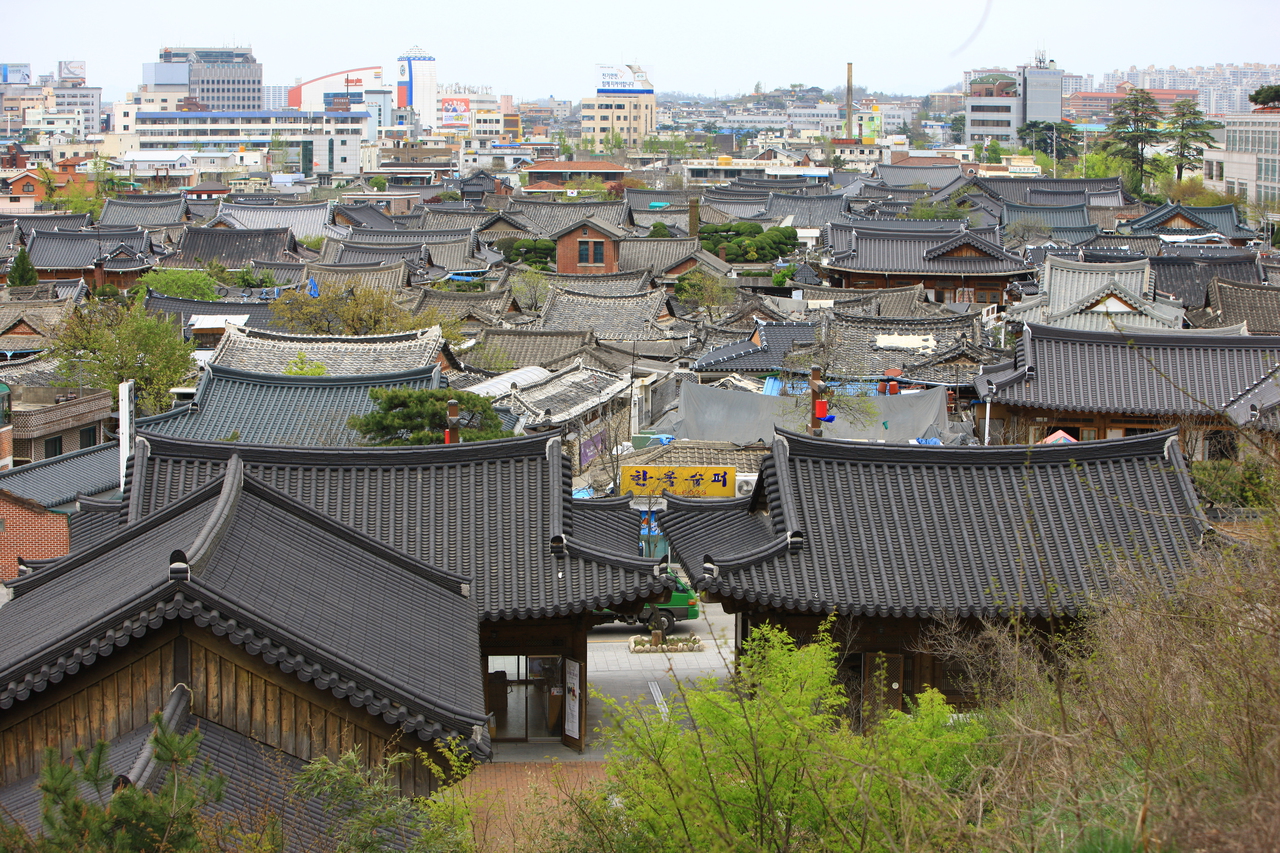
The Jeonbuk region is widely considered the heartland of Korean traditional culture and cuisine. A stay in the iconic Jeonju Hanok Village (전주 한옥마을) offers an experience that goes far beyond standard sightseeing. Spending a night in a traditional wooden house, sleeping on a warm Ondol floor, is the ultimate way to decompress. When visiting Jeonju (전주), you absolutely must try the authentic Bibimbap topped with fresh local greens, and the hearty Kongnamul-gukbap (bean sprout soup) that locals swear by for breakfast. For a deep dive into local pricing and itineraries, check out our Jeonju Hanok Village Guide: History, Food, and Local Prices.
Not far from Jeonju lies Namwon (남원), a city steeped in romance and history. It is home to the stunning Gwanghalluwon Pavilion (광한루원), the backdrop for Korea’s classic folktale “Chunhyangjeon” and a famous filming location for numerous hit K-dramas. Strolling around its picturesque ponds and ancient trees is incredibly peaceful. You can plan your visit using The Guide to Gwanghalluwon Pavilion in Namwon.
Namdo: Healing and Culinary Delights in Yeosu, Suncheon, and Mokpo
Locals often refer to the Jeollanam-do region simply as “Namdo.” It is universally acknowledged among Koreans as the absolute pinnacle of domestic culinary trips. The coastal geography provides an abundance of fresh seafood, paired with intensely flavorful side dishes.
Yeosu: Romantic Night Seas and Seafood Feasts
Your first stop should be the romantic coastal city of Yeosu (여수). Riding the marine cable car over the ocean at sunset provides a breathtaking view of the city’s sparkling coastline. For dinner, head to a local restaurant to devour Ganjang Gejang (soy sauce marinated raw crab) paired with Dolsan Gat-kimchi (mustard leaf kimchi), a pungent and spicy local specialty. You will quickly understand why Koreans call this crab dish a “rice thief.”
Suncheon: Ecological Wonders and Ancient Temples
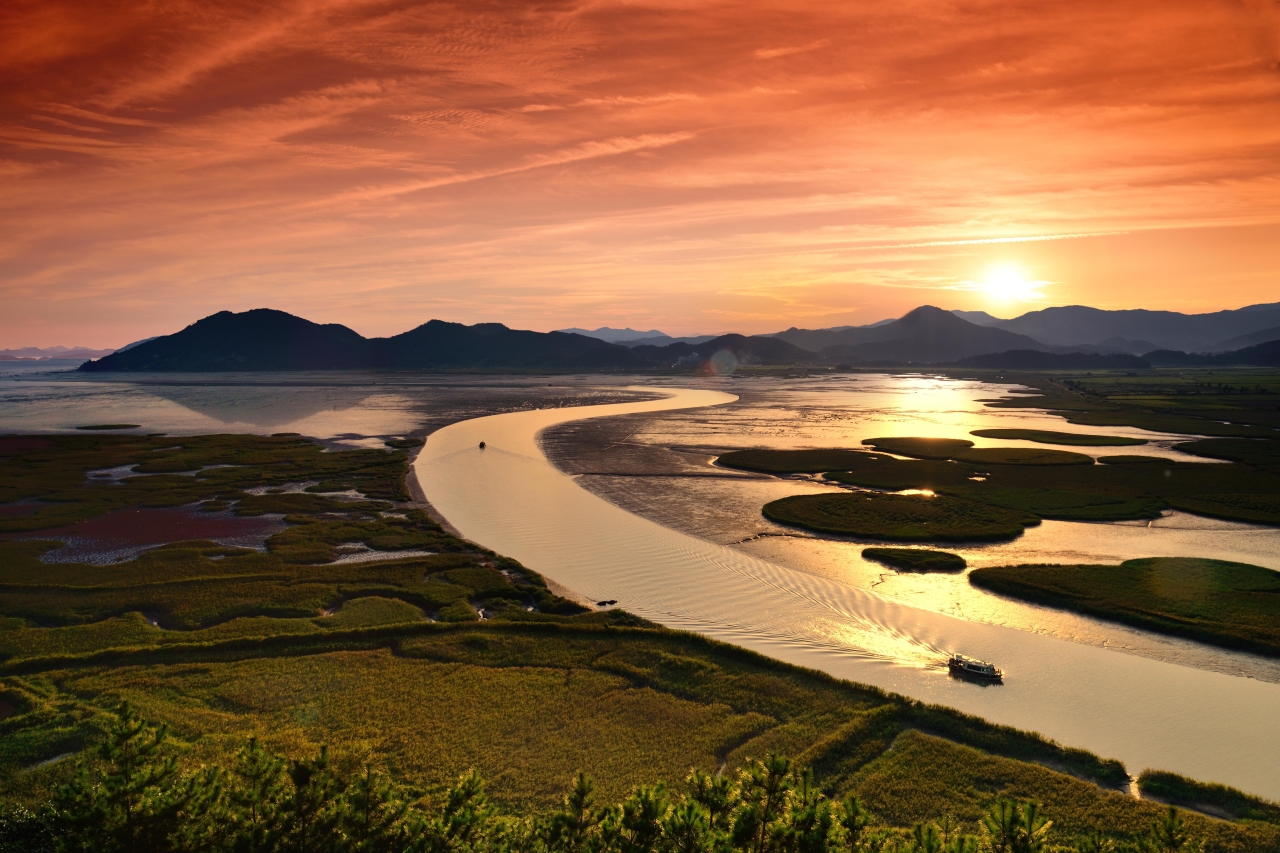
Next is Suncheon (순천), a city defined by its pristine nature. Walking through the vast reed beds of the Suncheonman Wetland (순천만습지), a sanctuary for migratory birds, is a deeply grounding experience. The city also boasts the UNESCO World Heritage Seonamsa Temple (선암사) and the Naganeupseong Walled Town (낙안읍성), where residents still live in traditional thatched-roof houses. To map out your days perfectly, read the articles on Suncheonman Wetland : A Winter Journey and Suncheon : Seonamsa Temple & Naganeupseong Living Village.
Mokpo: A Historic Port with Bold Flavors
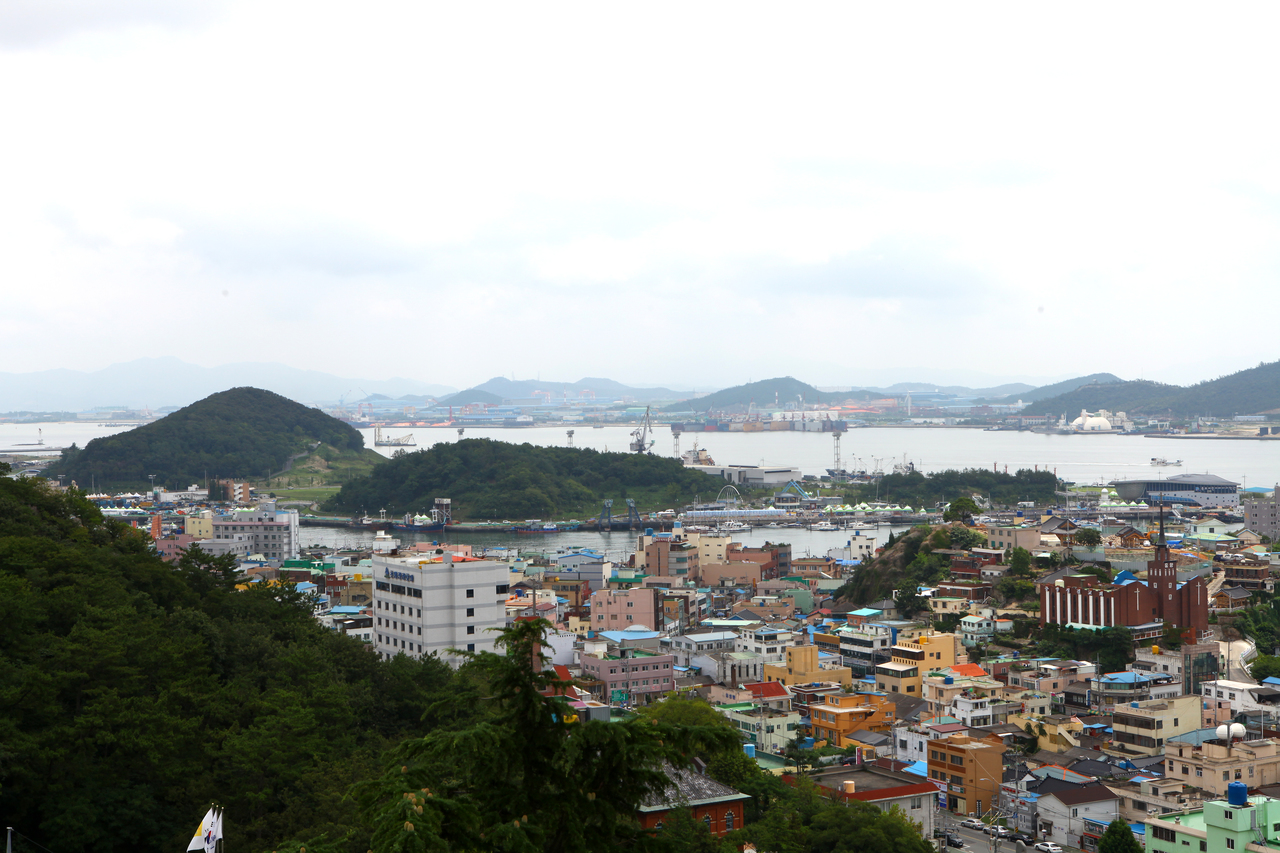
Finally, visit Mokpo (목포), a historic port city rich in modern history. Ride the extensive marine cable car for panoramic views of the archipelago. Mokpo is for adventurous foodies; the local gastronomy streets offer Sannakji (live octopus) and Hongeo (fermented skate), a dish with an incredibly strong aroma that has a massive cult following among Korean epicures. However, be cautious about ordering hongeo (fermented skate). While many locals love it, you might find it too challenging. Therefore, it would be a wise decision to first check if the restaurant offers a tasting service, try a sample, and then decide whether to order the full dish.
Local Insider Tips: Navigating Regional Korea
To help you travel like a true local, I have compiled the essential transit times and insider advice for navigating these southern gems.
| Destination | Departure Station (Seoul) | Estimated Time (KTX/SRT) | Must-Try Local Dish |
|---|---|---|---|
| Jeonju | Seoul Station (서울역) / Yongsan Station (용산역) | 1 hr 40 mins | Traditional Bibimbap, Bean Sprout Soup |
| Yeosu | Yongsan Station | 3 hrs | Soy Sauce Crab, Mustard Leaf Kimchi |
| Suncheon | Yongsan Station | 2 hrs 30 mins | Cockle Thali (Kkomak Jeongsik) |
| Mokpo | Yongsan Station | 2 hrs 30 mins | Live Octopus, Fermented Skate |
💡 Pro Tip: When planning regional trips in Korea, try to visit during the weekdays. Highly rated local restaurants often sell out of ingredients early and may close before dinner time, so aim to eat your heaviest meals for lunch. Additionally, you must book your KTX or SRT train tickets via the official apps at least two weeks in advance, as weekend routes to these southern food capitals sell out incredibly fast.
More Korea Travel Guides
Looking for more ways to escape the crowds and explore authentic Korea? Check out these highly recommended itineraries to round out your 2026 trip:
- For a quick weekend getaway near Seoul: Suwon Hwaseong Fortress: Your Perfect 2-Day Getaway from Seoul!
- For UNESCO-level cultural heritage: Haeinsa & Daegu Kansong Museum: Tripitaka Koreana, National Treasures
- For island explorers: Jeju Travel : Where to Stay and Go(for Every Traveler Type)
- For historical and geopolitical insight: How to Visit the Korean DMZ in 2026: Fees & Booking Guide
Korean Culture portal KCulture.com
Founder of Kculture.com and MA in Political Science. He shares deep academic and local insights to provide an authentic perspective on Korean history and society.