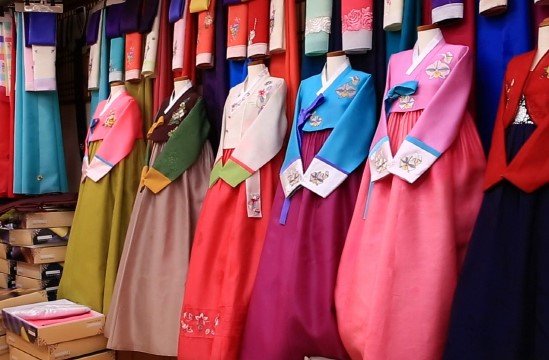
The Ultimate Foreigner’s Guide to Buying Hanbok in Korea: Custom, Ready-Made, and Online Options
Buying a Hanbok in Korea involves choosing between practical modern ready-made options (150,000–400,000 KRW) or investing in traditional bespoke tailoring (400,000–2,500,000+ KRW). The right choice depends entirely on your budget, whether you prefer low-maintenance washable fabrics or luxurious natural silk, and your willingness to navigate unique Korean tailoring systems. For international visitors and culture enthusiasts, purchasing this traditional garment is more than a simple souvenir—it is an investment in centuries of craftsmanship and elegant aesthetics.
While renting a Hanbok for a quick photo session at the royal palaces is incredibly popular, purchasing a set to take home can feel overwhelming due to language barriers, wildly varying price tags, and unfamiliar garment structures. Many travelers struggle to decide whether to invest in a premium formal gown or to opt for a breezy, contemporary piece that can be effortlessly paired with everyday clothing back home.
This comprehensive 2026 guide is designed to walk you through the entire purchasing journey. Below is a breakdown of the fundamental styles, Hanbok components, an up-to-date price guide with insights into local consumption culture, the best offline shopping districts and global online platforms, and critical tips on sizing and fabric care so you can make a confident, lasting purchase.
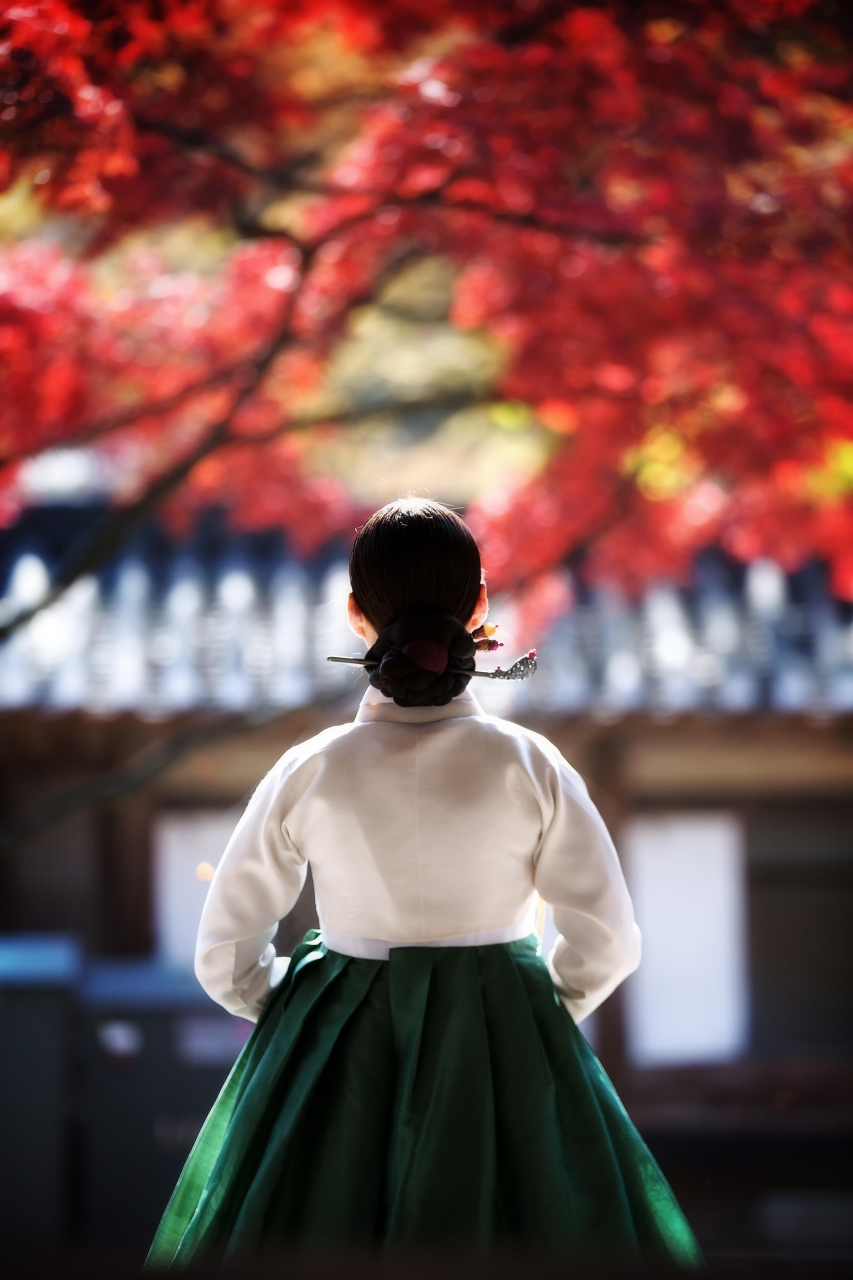
- Choosing Your Style: Traditional vs. Modern Hanbok
- What is Included: Understanding Hanbok Components
- 2026 Hanbok Price Guide and Korean Rental Culture
- Bespoke Custom vs. Ready-Made: Which is Right for You?
- Where to Buy Hanbok Offline and Online
- How to Measure for Hanbok: Four Essential Steps
- Essential Buying Tips: Fabric Care, Seasons, and Checklists
- FAQ
- Read More About Hanbok
Choosing Your Style: Traditional vs. Modern Hanbok
The first decision to make before stepping into a boutique or browsing an online store is defining the purpose of your garment. Hanbok generally falls into two distinct categories, each serving a very different lifestyle.
- Traditional Hanbok: This is the classic, voluminous silhouette recognized worldwide. Characterized by a short jacket known as a Jeogori (저고리) and a sweeping, bell-shaped skirt called a Chima (치마), traditional styles are perfect for formal occasions, weddings, official cultural events, and high-end photography. While breathtakingly elegant, they are bulky and require careful maintenance.
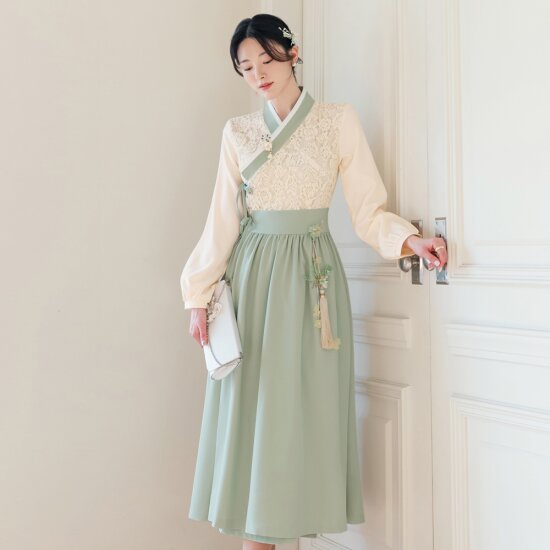
- Modern / Casual Hanbok: Also known as lifestyle or modified Hanbok, this style has seen a massive surge in global popularity, frequently worn by K-pop idols on stage. Designers reinterpret traditional elements into practical everyday wear—such as shirt-style jackets, wrap dresses, and shorter skirts. If you want a functional piece of Korean culture to wear comfortably in your home country, this is the most highly recommended option.
What is Included: Understanding Hanbok Components
When purchasing a traditional Hanbok, it is crucial to know exactly what garments make up a complete set. A standard purchase usually covers only the main outer garments, meaning undergarments and formal outerwear might be sold separately.
Women’s Hanbok Components
- Jeogori (저고리) and Chima (치마): The foundational women’s set consists of the short jacket (Jeogori) and the voluminous wrap skirt (Chima). This is what you are primarily paying for when quoted a base price.
- Sokchima (속치마 – Petticoat): This is the structured under-skirt essential for creating the iconic bell-shaped silhouette. Important: It is often sold separately. Wearing a Chima without a Sokchima will result in a flat, lifeless skirt, so acquiring one is mandatory for traditional styles.
Men’s Hanbok Components
- Jeogori (저고리) and Baji (바지): The basic men’s set includes a jacket and roomy, comfortable trousers tied at the waist and ankles.
- Jokki (조끼) and Magoja (마고자): To complete a formal look, men typically wear a vest (Jokki) and an outer jacket (Magoja) over the Jeogori. These are often included in a standard men’s set, but always verify with the tailor.
- Durumagi (두루마기): A traditional overcoat worn outdoors or for highly formal occasions. This is considered an additional premium piece and is usually priced separately.
Traditional footwear (Gomusin) and accessories like the Norigae (decorative tassel) or Beoseon (traditional socks) are typically not included in the base price, though traditional market vendors may throw them in as a complimentary bonus if requested politely.
2026 Hanbok Price Guide and Korean Rental Culture
Hanbok pricing fluctuates primarily based on two factors: the fabric used (synthetic polyester versus natural dyed silk) and the production method (factory-made versus 100% hand-stitched tailoring). Here is a look at what you can expect to spend.
| Category | Estimated Price (KRW) | Best Suited For |
|---|---|---|
| Ready-Made Modern Hanbok | 150,000 – 400,000 | Travelers wanting a washable, easy-to-wear introduction to Korean fashion. |
| Standard Custom Hanbok | 400,000 – 800,000 | Buyers seeking an authentic, tailored fit using blended fabrics or mid-tier silk. |
| Premium Couture Custom | 1,000,000 – 2,500,000+ | Collectors looking for 100% natural silk, hand-embroidery, and natural dyes. |
| Premium Couture Rental (1-Day) | 500,000 – 1,200,000 | Wedding and formal event participants needing top-tier luxury for a single day. |
📌 Local Cultural Insight: The Luxury Rental Phenomenon
You might wonder why anyone would pay over 1,000,000 KRW simply to rent a dress for one day. In modern Korea, locals rarely wear traditional clothes in their daily lives. For standard family events, many will visit traditional markets to custom-make a set for around 500,000 KRW. However, for a once-in-a-lifetime event like a wedding, Koreans value the exquisite drape of 100% natural silk (Bon-gyeon) from high-end boutiques in districts like Cheongdam-dong. Because a purchased Couture piece costs thousands of dollars and is notoriously difficult to maintain, renting these museum-quality garments has become the standard cultural practice.
Bespoke Custom vs. Ready-Made: Which is Right for You?
Your itinerary and patience will largely dictate how you purchase your outfit.
Buying Ready-Made: If you are a traveler with a tight schedule, ready-made (off-the-rack) is the fastest option. You can step into a store, try on various colors, and walk out with your purchase on the same day. Modern casual Hanbok is almost exclusively sold this way, featuring standard sizing that feels intuitive.
Bespoke Tailoring: Creating a custom piece is a slower process that takes anywhere from three to six weeks. It requires an initial consultation, fabric selection, and precise measuring. This route is ideal for long-term expats or international buyers who can send measurements online. The result is a garment featuring a silhouette that perfectly complements your unique body shape.
Where to Buy Hanbok Offline and Online
Seoul offers distinct shopping hubs depending on the level of luxury and style you seek, while global e-commerce has made cross-border shopping easier than ever.
Top Offline Shopping Districts
- Gwangjang Market (광장시장) & Jongno: The beating heart of traditional textiles. It offers the most authentic experience and excellent value for standard custom pieces. While negotiation is possible, it is best to ask for small freebies—known as “Service”—like a matching handbag or socks rather than pushing for a deep discount.
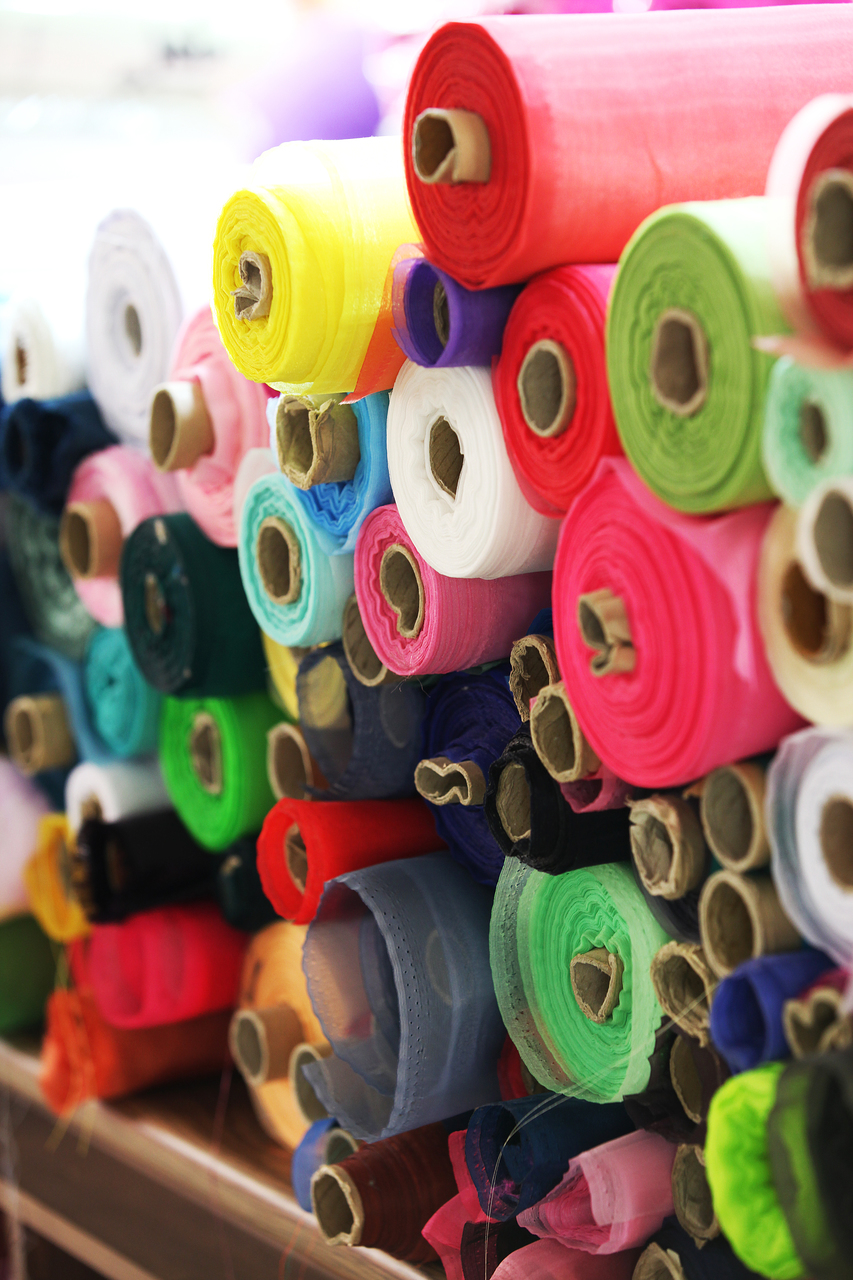
- Dongdaemun General Market (동대문종합시장): Similar to Gwangjang but heavily focused on wholesale fabrics. It is a fantastic spot for DIY enthusiasts and those who want to select raw textiles before commissioning a tailor.
- Cheongdam-dong (청담동): The destination for high-end designer boutiques. Expect a quiet, VIP consultation environment with the finest silks and premium wedding Hanbok.
- Insa-dong (인사동) & Hongdae (홍대): The best neighborhoods to find modern and lifestyle Hanbok. You can try on trendy, everyday designs that merge heritage with streetwear aesthetics.
Global Online Shopping
If you cannot visit Korea, the online market is incredibly robust. Global K-fashion platforms like Musinsa, alongside dedicated lifestyle brands like Leesle and Danha, operate English websites and ship worldwide. Traditional tailors in Jongno also frequently conduct remote consultations via email or WhatsApp, crafting custom garments based on user-submitted measurements.
How to Measure for Hanbok: Four Essential Steps
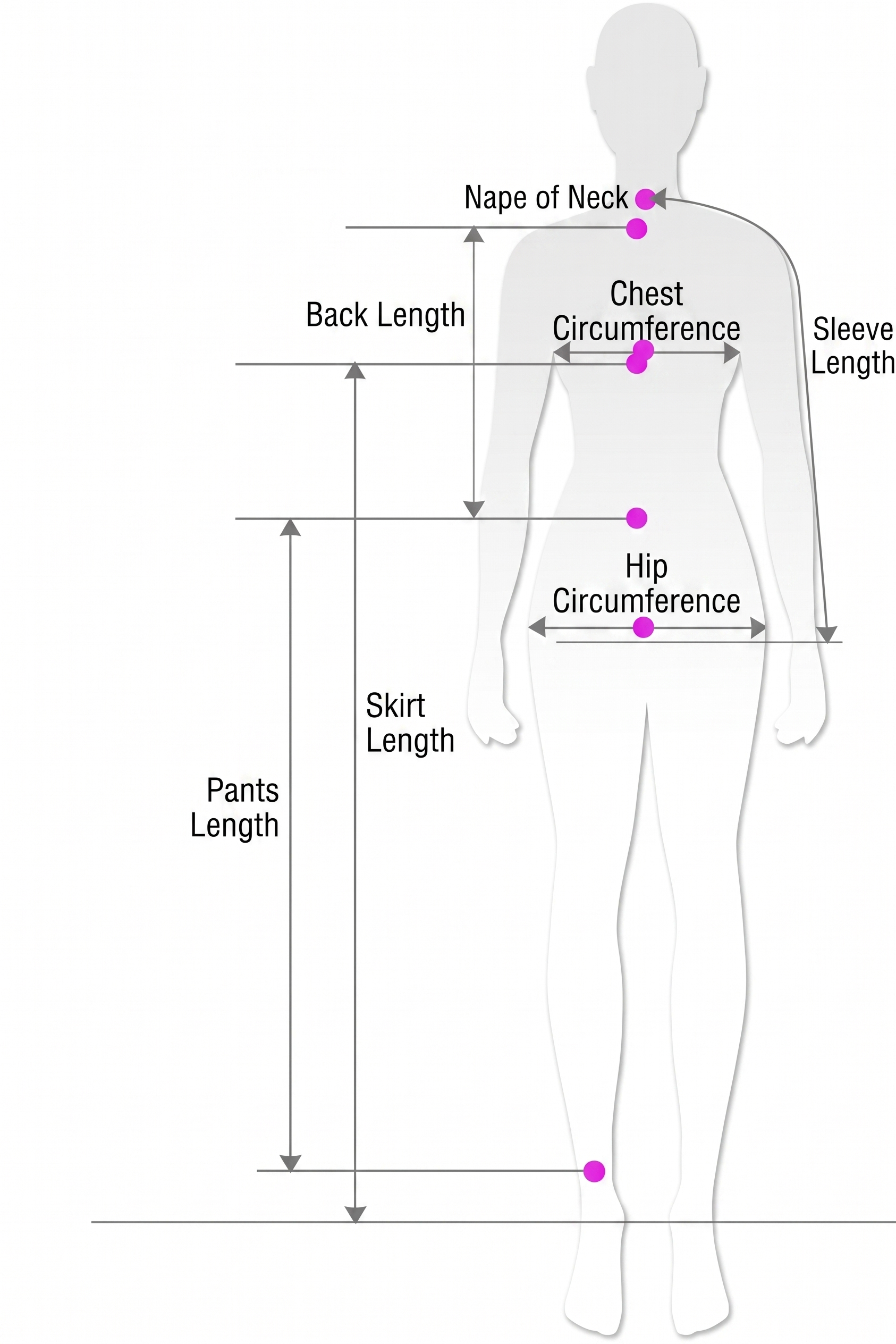
Traditional Korean clothing features a pattern structure fundamentally different from Western apparel. Jackets do not have standard shoulder seams, and the aesthetic relies on compressing the chest while maximizing the volume of the skirt. If ordering online or remotely, you must master these crucial measurements as outlined in standard tailoring guides.
- Bust Size (Pum / 가슴둘레): Measure horizontally across the fullest part of your chest. The width of the traditional jacket is dictated entirely by the bust circumference, so this number must be exact. Measure while wearing your everyday bra.
- Sleeve Length (Hwajang / 화장): Unlike Western shirts measured from the shoulder seam, a traditional sleeve starts from the prominent bone at the back center of your neck (Dwit-mok-jeom / 뒷목점). Trace the tape measure down the slope of your shoulder to your wrist bone.
- Skirt & Pants Length (Chima & Baji Gili / 치마 & 바지 길이): For women, measure from the point just under the armpit (where the chest band sits) straight down to the floor. Crucial step: You must factor in the height of the shoes you plan to wear. For men, measure the pants length from the waistline down to the ankle.
- Back Length & Hip (Deung Gili & Eongdeongi-dulle / 등 길이 & 엉덩이둘레): For a precise custom fit, tailors also need your back length (measured straight from the back neck point down to the waistline) and your horizontal hip circumference.
- Height and Weight: Many Korean tailors will request your overall height and weight in addition to standard measurements to better gauge the overall proportions of the garment.
Essential Buying Tips: Fabric Care, Seasons, and Checklists
To ensure your purchase remains pristine and you avoid common beginner mistakes, keep this checklist in mind before finalizing your payment.
- Prioritize Washable Fabrics: Natural 100% silk (Bon-gyeon) boasts a luxurious sheen but is incredibly fragile and requires professional dry cleaning only. For a stress-free experience, ask the tailor for high-quality synthetic “Washable Silk” (Hwahak-seomyu). It is durable, visually stunning, and much easier to maintain.
- Check What is Included: As mentioned, always ask whether undergarments are included in the price. The majestic “A-line” silhouette of women’s Hanbok is impossible without a traditional petticoat, known as a Sokchima (속치마).
- Clarify Alteration Costs: Ask whether final fitting alterations are included in your custom order price.
- Bring Reference Photos: If you have a preferred color palette or style, bring photos. It bridges the language gap perfectly during consultations.
- Consider the Season: Hanbok fabrics are strictly seasonal. Summer garments use sheer ramie, while winter versions feature heavy, quilted silks. Tell the tailor about the climate of your home country so they can recommend a four-season blended fabric if needed.
FAQ
Is it cheaper to rent or buy a Hanbok?
For a single palace visit or a quick vacation photo session, renting (usually 15,000–50,000 KRW per day) is absolutely cheaper. However, if you plan to wear it for multiple events, cultural festivals back home, or long-term ownership, purchasing a modern or standard custom piece makes more financial sense.
How long does a custom Hanbok take?
Most custom Hanbok orders require between three to six weeks from measurement to final fitting, though high-end luxury workshops during the busy wedding season (Spring and Autumn) may require longer.
Can foreigners order Hanbok from overseas?
Yes. Many Korean Hanbok brands and traditional tailors now offer international ordering via English websites or messaging apps (WhatsApp, Instagram), complete with worldwide shipping via services like DHL.
What is the best first Hanbok for international buyers?
A high-quality Modern Hanbok or a standard custom Hanbok made with washable synthetic fabric is usually the most practical choice. It offers the beauty of traditional design without the demanding upkeep of pure silk.
Read More About Hanbok
To deepen your understanding of Hanbok culture, history, and rental tips for sightseeing, explore our detailed guides below:
- The Ultimate Hanbok Guide: History, Meaning, and Where to Buy
- Gyeongbokgung Hanbok Rental 2026: 30+ Best Shops Compared
- Gyeongbokgung Palace Hanbok Tour Guide: Hanbok Rental Tips
Korean Culture portal KCulture.com

The KCulture Editorial Team is dedicated to providing deep insights and accurate information about the vibrant world of Korean culture.