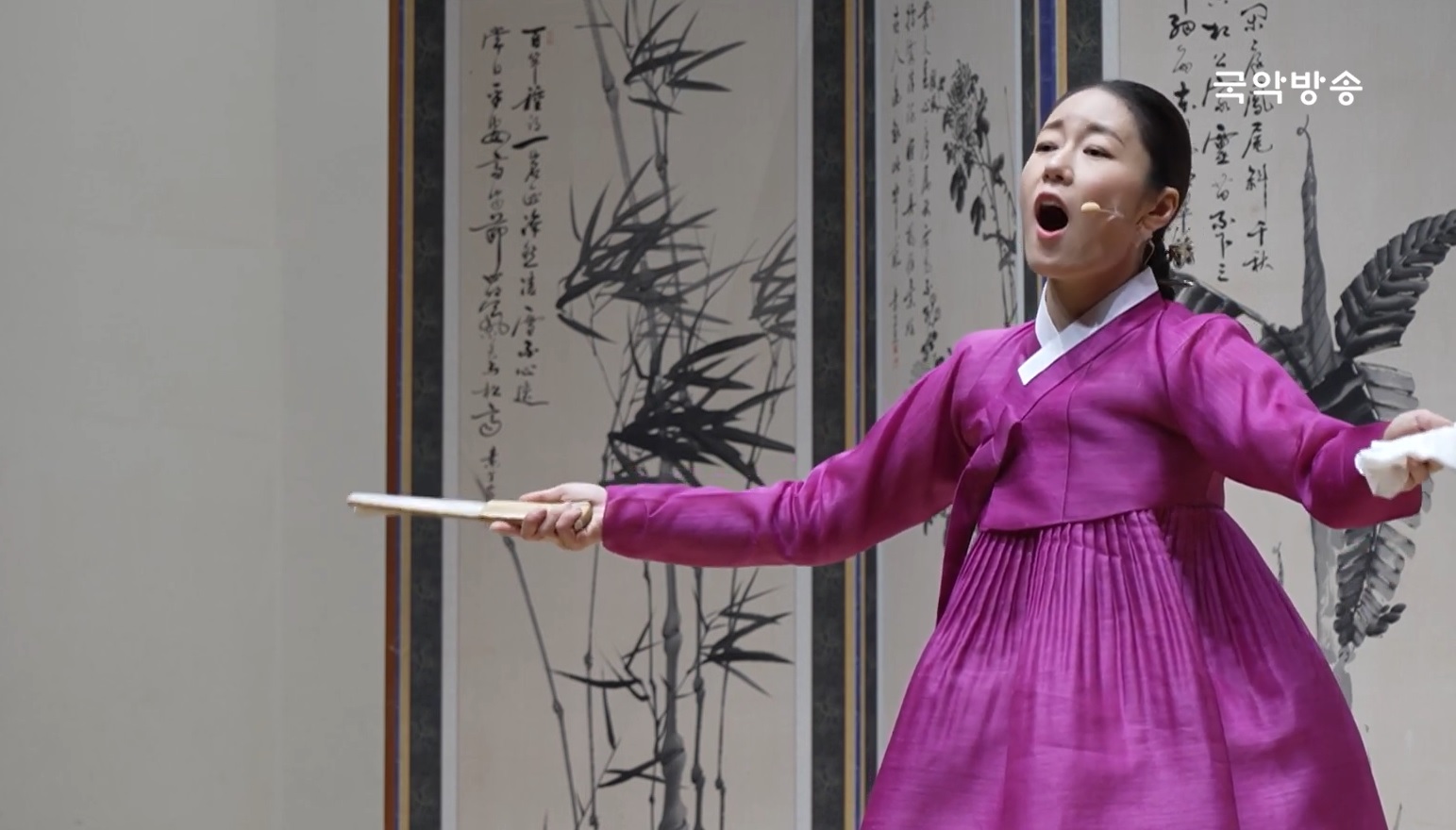
Pansori is a traditional Korean musical storytelling art form where a single vocalist, accompanied by a drummer, weaves epic tales through singing, narration, and dramatic gestures. Among the original twelve repertoires, only the Pansori Five Epics (Pansori Daseot Madang) have survived to modern times, representing the pinnacle of Korea’s musical soul. If you have ever been mesmerized by the deep, raw emotions of Korean traditional music and wondered about the stories behind those powerful voices, you are in the right place.
For many international listeners, the structure and history of these traditional vocal performances can seem shrouded in mystery. We understand how daunting it can be to navigate centuries of cultural history, especially when looking for authentic ways to experience it during a trip to Korea. In this guide, we will explore the origins of this interactive art form, dive into the fascinating narratives of the surviving five epics, uncover why seven original stories were lost to history, and share practical tips on how to enjoy these performances today.
- The Basics: What is Pansori and the “Madang”?
- The Pansori Five Epics: Korea’s Masterpieces
- Origin and Evolution: From Street to Stage
- The Lost Seven Stories: Why Did They Disappear?
- How to Experience Pansori Today
- Frequently Asked Questions
- More Korean Cultural Heritage to Explore
The Basics: What is Pansori and the “Madang”?
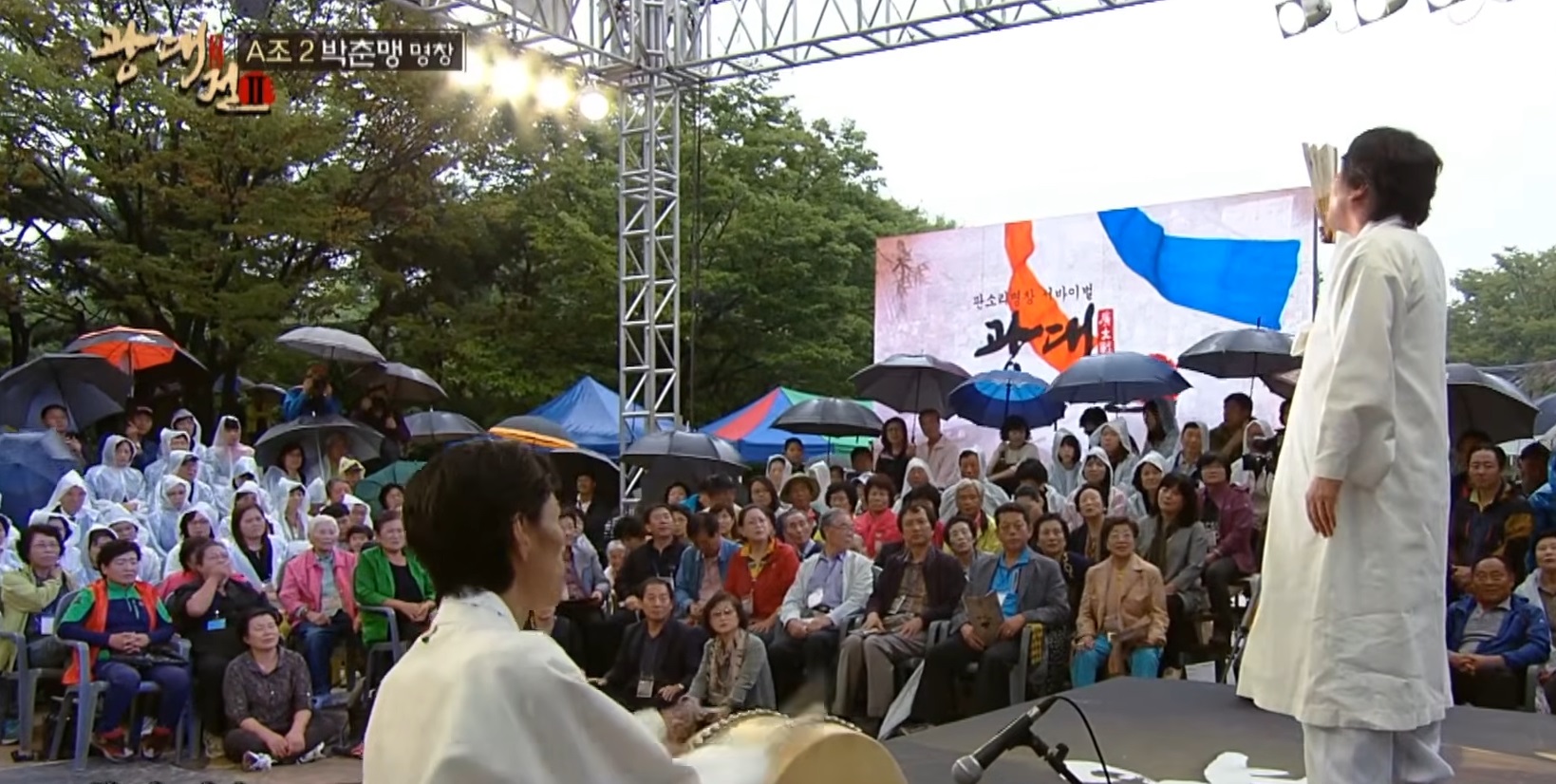
To truly appreciate this unique genre, it helps to break down the word itself. “Pansori” is a combination of two words: pan (a public place where people gather) and sori (sound or singing). Simply put, it is a song sung in a public square for the masses. To get a broader sense of how this fits into the nation’s musical history, you can explore our overview of Traditional Korean Music: Gugak, Pansori, Daechwita.
A traditional performance is built upon three essential elements:
- Sorikkun: The vocalist and actor who carries the entire narrative. They constantly shift between three artistic techniques:
- Sori: Fully sung passages filled with powerful vocal expression.
- Aniri: Spoken narration that explains the story and delivers humor.
- Ballim: Expressive gestures and subtle body movements with a fan, transforming one performer into many characters.
- Gosu: The drummer who provides the rhythm with a barrel drum. Experienced Gosu often anticipate tiny changes in breathing before the singer even begins, making them an equal partner on stage.
- Chuimsae: The interactive exclamations of encouragement—such as “Eolsigu!” or “Jota!” (Meaning “Great!” or “Nice!”)—shouted by both the drummer and the audience.
The term madang originally refers to an open courtyard, but in this context, it signifies an entire performance cycle or complete story.
The Pansori Five Epics: Korea’s Masterpieces
For international audiences, the heavy Confucian themes of the past might feel unfamiliar at first glance. However, when we look closer, these five epics are deeply rooted in universal human emotions—love, sacrifice, brotherhood, wit, and the tragedy of war.
| Madang | Main Theme | Best Known For |
|---|---|---|
| Chunhyangga | Love, loyalty, and justice | Being Korea’s greatest, most romantic love story. |
| Simcheongga | Family devotion and sacrifice | Highly emotional, tear-jerking vocal passages. |
| Heungboga | Generosity versus greed | Comedy, humor, and lively audience interaction. |
| Sugungga | Wit, satire, and survival | A clever political allegory told through an animal fable. |
| Jeobbyeokga | War, heroism, and human cost | Epic scale, booming vocals, and dramatic intensity. |
Chunhyangga (The Tale of Chunhyang)
Often considered the crowning jewel of the genre, Chunhyangga is a story of true love and unyielding fidelity. It follows the romance between Yi Mong-ryong, a nobleman’s son, and Seong Chun-hyang. When a corrupt magistrate demands Chun-hyang become his concubine, she risks execution to remain faithful. Think of it as a Korean Romeo and Juliet, but with a triumphant, happy ending when Mong-ryong returns as a secret royal inspector.
Simcheongga (The Song of Sim Cheong)
This epic explores the ultimate act of filial piety. Sim Cheong sells herself as a human sacrifice to the sea in exchange for 300 sacks of rice, believing it will cure her father’s blindness. Thanks to the Dragon King, she survives, becomes a queen, and reunites with her father. The heart-wrenching melodies beautifully showcase the deep sorrow and resilience known as Han.
Heungboga (The Song of Heungbo)
The most humorous of the five, Heungboga tackles brotherhood. It tells the story of two brothers: the wicked Nolbo and the kind Heungbo. After Heungbo heals a bird’s broken leg, he is rewarded with a magic seed yielding immense wealth. Nolbo intentionally breaks a bird’s leg out of greed, only to be punished by goblins. Its universal folktale structure makes it perfect for beginners.
Sugungga (The Song of the Underwater Kingdom)
Filled with wit and political satire, Sugungga is a fascinating fable. When the Dragon King falls ill, a loyal turtle fetches a rabbit, needing its liver for a cure. The rabbit is tricked into the underwater palace but uses quick wit to survive, lying that it left its liver on land. It historically served as a sharp critique of the rigid ruling class.
Jeobbyeokga (The Song of the Red Cliffs)
Unlike the other four, Jeobbyeokga adapts the famous Battle of Red Cliffs from the Chinese classic literature, “Romance of the Three Kingdoms.” It is celebrated for its majestic, booming vocal styles as it depicts clashes of great heroes. Yet, beneath the heroism, it delivers a deeply modern anti-war message, giving voice to the sorrow of nameless foot soldiers.
* Below is the full-length video of Seo Jin-hee’s Simcheongga performance. (Singer: Seo Jin-hee / Gosu (Drummer): Kim Tae-young, Lim Hyun-bin / Video: National Folk Gugak Center)
Origin and Evolution: From Street to Stage
In the late 17th and 18th centuries, the art form emerged in bustling outdoor markets and village festivals. Influenced by shamanistic chants, it was pure street culture—a way for commoners to vent their frustrations and relieve daily stress. If you are curious about other grass-roots music, our Guide to Korean Traditional Folk Music provides great context.
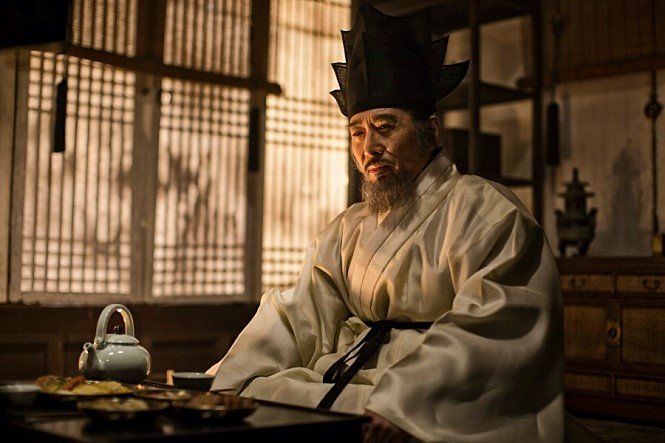
By the 19th century, upper-class aristocrats (the Yangban) began to take an interest. Crude slang was reduced, replaced by elegant Sino-Korean poetry and strong Confucian morals. During this renaissance, a theorist named Shin Jae-hyo (1812–1884) stepped in to organize the oral traditions. He refined the scattered texts and famously trained Jin Chae-seon, recognized as Korea’s first great professional female Pansori singer, moving the genre from informal street gatherings to structured stage art.
The Lost Seven Stories: Why Did They Disappear?
Historical records, such as the 19th-century text Gwanuhee, state that there were originally Twelve Madang. Seven of these complete epics were lost to time:
- Byeongangsoetaryeong: A hyper-sexualized tale filled with earthy humor, eventually deemed too vulgar by Confucian elites.
- Onggojiptaryeong: An absurd, fantasy-driven story about a stubborn miser and his magical clone.
- Baebijangtaryeong: A witty satire of a hypocritical government official who falls victim to temptation.
- Gangneung Maehwataryeong, Gatja Sinseontaryeong, Musukitaryeong, & Sukyeong Nangjataryeong: Tales of fake immortals, romance, and regional myths that gradually lost their complete performance lineages.
Why did they disappear? Pansori is an oral tradition passed down directly from master to student. (Learn more about preserving Korean music in Jeongganbo Explained). As the primary audience shifted from commoners to conservative aristocrats, stories that were deemed vulgar or lacked literary sophistication were simply abandoned by singers. Forgetting just one generation meant losing centuries of artistic knowledge.
How to Experience Pansori Today
Whether you are planning a trip to Korea or want to explore from home, there are plenty of ways to experience this profound musical heritage.
💡 Local Note: The Reality of “Wanchang” (Full Performance)
A full, uninterrupted performance of a single epic is called Wanchang. Because it causes extreme physical fatigue, Wanchang performances are quite rare. When you visit a theater in Korea today, it is highly likely you will see a curated performance featuring a 20 to 90-minute highlight rather than the entire saga.
Typical Wanchang Lengths:
- Heungboga: 3–4 hours
- Sugungga: 4–5 hours
- Simcheongga: 5 hours
- Jeokbyeokga: 5–6 hours
- Chunhyangga: Up to 8 hours or more
In-Person Venues in Korea
Institutions like the National Theater of Korea (국립극장) in Seoul occasionally host master vocalists for special Wanchang events with subtitles. For more accessible programming, the National Gugak Center (국립국악원) has branches nationwide. The Jeonju International Sori Festival held every autumn is a spectacular global event. For an exhaustive list of venues, please refer to our comprehensive guide: What is Pansori? A Deep Dive into Korea’s Musical Soul.
Online Streaming and Modern Fusions
If pure traditional vocals feel intimidating, the modern fusion movement is the perfect entry point. Bands like LEENALCHI revolutionized the scene by blending the Sugungga epic with psychedelic pop. Artists like ADG7 and Ko Yeong-yeol also mix rock and pop with intense traditional vocal techniques (a skill historically achieved through Deugeum—training one’s voice next to roaring waterfalls until it bleeds and heals).
You can also find high-definition, authentic performances with English subtitles on YouTube channels like Gugak TV or the official National Gugak Center channel.
Frequently Asked Questions
Do I need to understand Korean to enjoy Pansori?
Not necessarily. Many major theaters provide English subtitles, and the sheer emotional expression, acting, and interaction with the drummer communicate the story beautifully beyond the language barrier.
Which story is best for first-time visitors?
Heungboga and Chunhyangga are usually the best starting points thanks to their engaging, straightforward plots, memorable characters, and moments of humor.
Is Pansori only music?
No. It combines singing, acting, storytelling, oral literature, comedy, and spontaneous audience participation, making it a comprehensive theater experience.
More Korean Cultural Heritage to Explore
The rhythm and soul of Korea stretch far beyond vocal music. Deepen your appreciation with these resources:
- Korean Traditional Dance: Court Dance, Folk Dance & Where to Watch
- Korean Martial Arts Guide: Taekkyeon and Taekwondo History
- Gukgung: Korean Traditional Archery History & Where to Try It
- What is Arirang? The Deep Meaning Behind the BTS New Album
Korean Culture portal KCulture.com

Founder of Kculture.com and MA in Political Science. He shares deep academic and local insights to provide an authentic perspective on Korean history and society.