A Taste of Nostalgia: The Story of Jajangmyeon
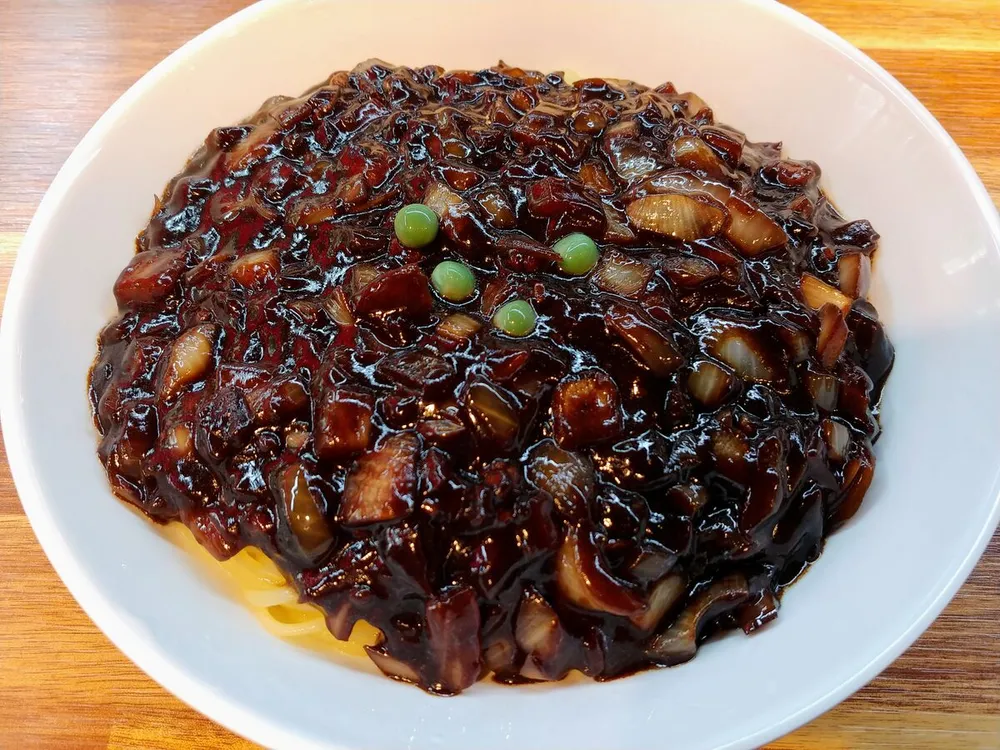
If there is one dish that universally signals comfort and nostalgia for Koreans, it’s Jajangmyeon. These iconic Korean-Chinese noodles, slathered in a thick, savory black bean sauce, are more than just a meal; they’re a cultural touchstone. Often enjoyed on moving days, after graduation ceremonies, or simply as a satisfying weekly treat, Jajangmyeon is a staple of everyday Korean life. Its flavor profile is a delightful harmony of deep, earthy savoriness from fermented black bean paste, balanced by a subtle sweetness and a rich umami depth, making every bite incredibly addictive and heartwarming.
Ingredients & Flavor Profile
Key Ingredients
The magic of Jajangmyeon lies in its simple yet powerful combination of core components:
- Wheat Noodles: Thick, chewy, and satisfying noodles that serve as the perfect vessel for the rich sauce.
- Chunjang (Black Bean Paste): The heart and soul of the dish, this fermented paste provides the signature dark color and a complex, savory flavor.
- Pork: Diced pork adds a tender, juicy texture and savory depth to the sauce.
- Onion: Sautéed until sweet and tender, onions form the aromatic base of the sauce.
The Secret of Taste
The unmistakable flavor of Jajangmyeon comes from its carefully balanced seasoning. The star is Chunjang, a salty and earthy fermented black bean paste that is stir-fried to release its deep aroma. To counteract its intensity, a touch of sugar is added, creating a perfect savory-sweet balance that appeals to all ages. Finally, oyster sauce is often incorporated to introduce another layer of umami and complexity, rounding out the sauce into a glossy, rich, and utterly delicious coating for the noodles.
Dietary Information (Vegetarian/Allergy)
Jajangmyeon can be adapted for a vegetarian diet. Many restaurants offer a version where mushrooms are used as a satisfying substitute for pork, providing a similar chewy texture and earthy flavor. However, the standard recipe contains meat.
Safety Tip: If you are vegetarian, it is crucial to confirm with the restaurant staff. Always ask if their vegetarian Jajangmyeon sauce is made without any meat, meat-based broth, or other non-vegetarian ingredients to ensure it meets your dietary needs.
How It’s Cooked and Served
As a beloved single-dish meal, the preparation of Jajangmyeon is an art form focused on developing deep flavors. The process begins with stir-frying diced pork and vegetables, primarily onions, until they are aromatic and tender. The key step follows, where the chunjang (black bean paste) is added to the hot oil and fried separately for a moment to bloom its rich, smoky aroma and remove any bitterness. Afterward, everything is combined, and a mixture of water, sugar, and other seasonings is added. The sauce is then left to simmer gently until it thickens into a glossy, dark, and savory gravy. This luscious sauce is generously poured over a bed of freshly boiled, chewy wheat noodles, often accompanied by slivers of fresh cucumber. You then mix it all together, coating every strand of noodle in the delectable sauce before taking your first satisfying slurp.
This is a standard method based on general recipes. Every restaurant has its own secret twist and unique style!
Nutritional & Health Benefits
While known as a comfort food, Jajangmyeon offers several nutritional benefits derived from its core ingredients:
- Energy Source: The wheat noodles are a great source of carbohydrates, providing quick and sustained energy.
- Rich in Protein: The pork in the traditional recipe offers a healthy dose of protein, essential for muscle repair and growth.
- Vitamins and Antioxidants: Onions are packed with antioxidants and vitamins that support overall health and immune function.

The KCulture Editorial Team is dedicated to providing deep insights and accurate information about the vibrant world of Korean culture.