Introduction & Synopsis
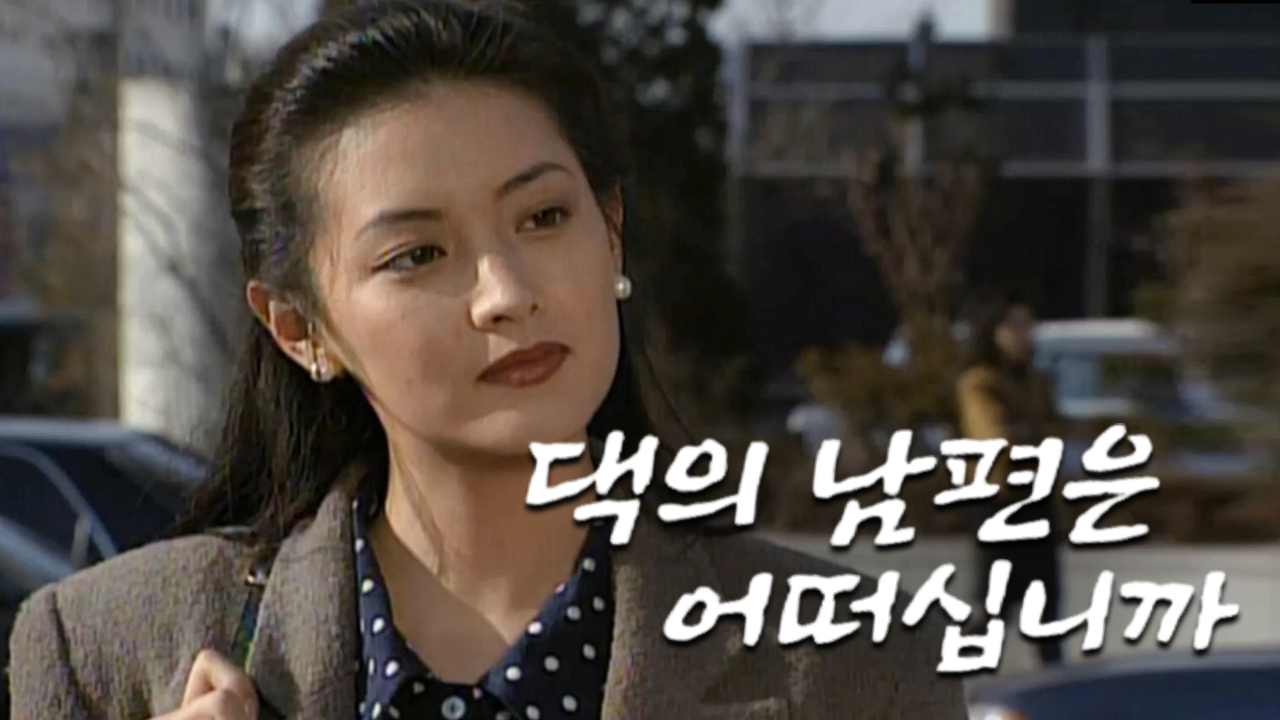
Before the glossy romances and high-concept fantasies that define the modern K-wave, there was How is Your Husband? (댁의 남편은 어떠십니까). Aired in 1993 by the then-fledgling broadcaster SBS, this is not a fairy tale. It is a razor-sharp, brutally honest home drama that peels back the pristine wallpaper of middle-class life to expose the cracks in the institution of marriage. The story unfolds within a single, newly built apartment complex, focusing on the intertwined lives of three neighboring couples, each grappling with their own unique brand of domestic crisis. Penned by the legendary screenwriter Seo Young-myeong, the series became a cultural phenomenon by asking a question many were thinking but few dared to voice aloud.
Deep Cultural/Historical Insight: The Rise of the “Apartment Republic”
To understand the impact of How is Your Husband?, one must understand Korea in the early 1990s. The nation was rapidly transitioning from decades of authoritarian rule to a vibrant civilian democracy, accompanied by an economic boom. This gave rise to a new, aspirational middle class whose ultimate status symbol was a brand-new apartment in a sprawling complex. These complexes, often called “Apartment Republics,” represented modernity, prosperity, and the dream of a standardized, comfortable life.
This drama brilliantly uses the apartment setting as a microcosm of society. While the identical concrete exteriors suggested a uniform happiness, the show masterfully revealed that behind each identical front door lay a vastly different, and often turbulent, emotional landscape. It captured the anxieties of a generation that had achieved material wealth but was now confronting a profound sense of spiritual and personal emptiness. The series tapped directly into the growing pains of a society grappling with rapid modernization, questioning if traditional patriarchal values could survive within these new concrete towers.
Narrative Analysis: The Power of Hyper-Realistic Dialogue
The genius of How is Your Husband? lies in its script. Screenwriter Seo Young-myeong is revered in Korea for her distinctive dialogue, and this drama is arguably her masterpiece. The conversations are not poetic or stylized; they are rapid-fire, brutally direct, and uncomfortably real. Characters talk over each other, bicker about mundane details, and unleash devastating verbal assaults with terrifying precision. Watching the show feels less like viewing a drama and more like eavesdropping on your neighbors’ most private arguments.
Without resorting to dramatic plot twists, the narrative explores profound themes of infidelity, communication breakdown, emotional neglect, and the conflict between individual desire and societal expectation. It argues that the greatest crises in a marriage often aren’t explosive events, but the slow, quiet erosion of respect and understanding. The story’s relentless pace and psychological depth made it not just compelling, but essential viewing.
The Pulse of the Time: A National Sensation
Upon its release, the drama wasn’t just a hit; it was a societal earthquake. It recorded astonishingly high viewership ratings, reportedly exceeding 50% at its peak, meaning half the television-owning population of South Korea was tuned in. The show’s provocative title became a national buzzword, and its raw depiction of marital strife sparked widespread public debate.
One line in particular became an iconic catchphrase of the era. The coolly detached wife, played by Lee Mi-sook, would often address her husband with a deceptively simple “저기요” (Jeo-gi-yo), which translates to “Excuse me” or “Hey, you.” Her delivery—flat, emotionless, and dripping with contempt—perfectly encapsulated the cold distance in their relationship. The phrase instantly entered the cultural lexicon as a symbol of profound marital discontent.
Cast Spotlight: A Trio of Dysfunctional Unions
The drama’s success rested on the pitch-perfect performances of its ensemble cast, who embodied the three central couples with unnerving authenticity.
- The “Show Window” Couple (Lee Mi-sook and Yoo Dong-geun): As the elegant, educated housewife and the successful, charismatic husband, they were the picture of 90s aspiration. Lee Mi-sook delivered a legendary performance as a woman suffocating under the weight of a perfect facade, her quiet rebellion simmering beneath a placid surface. Yoo Dong-geun portrayed a type of modern patriarch—outwardly charming but unable to connect with his wife’s deep-seated unhappiness.
- The Volatile Couple (Kim Chung and Song Ki-yoon): In stark contrast, this pair was a whirlwind of raw emotion. Their relationship was a cycle of passionate fights and equally passionate reconciliations. Kim Chung and Song Ki-yoon showcased a fiery, almost primal chemistry, representing a marriage held together by sheer, chaotic force of will.
- The Traditional Couple (Yang Mi-kyung and Kil Yong-woo): Offering both a grounding presence and relatable domestic struggles, this couple represented a more conventional marriage. Their day-to-day squabbles and pragmatic approach to life provided a poignant contrast to the existential crises of their younger neighbors.
Global Viewing Guide
For international fans looking to discover this classic, finding subtitled versions can be a challenge, but here are the best places to start:
- SBS World / SBS Catch YouTube Channels: The official broadcaster often uploads classic dramas. Check their channels for official, legally available streams.
- Kocowa: As a streaming service co-owned by the major Korean broadcasters, including SBS, Kocowa is a prime destination for classic titles and often has professional subtitles.
Final Verdict
How is Your Husband? is more than a nostalgic trip back to the 90s; it is a timeless masterclass in character-driven drama. Its unflinching examination of marriage, identity, and the illusion of happiness remains as relevant and powerful today as it was three decades ago. For anyone interested in the evolution of Korean television and the social history embedded within it, this drama is absolutely essential viewing.

The KCulture Editorial Team is dedicated to providing deep insights and accurate information about the vibrant world of Korean culture.