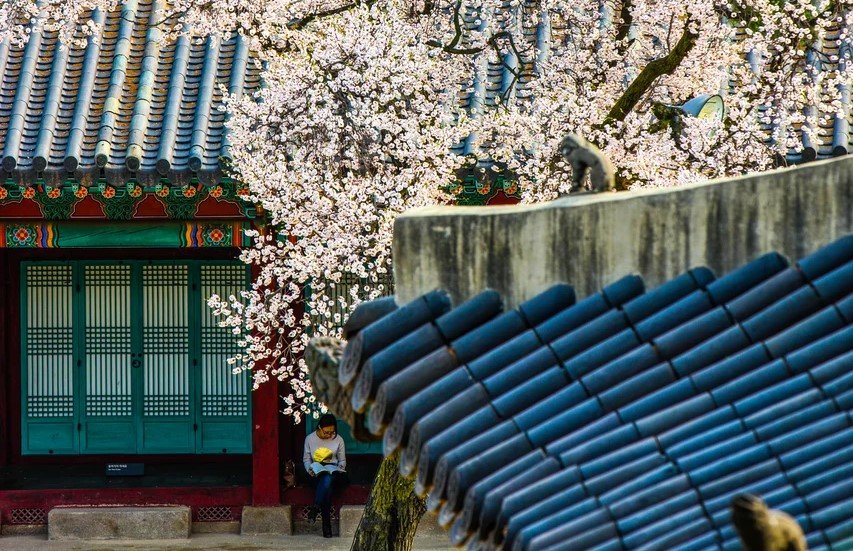
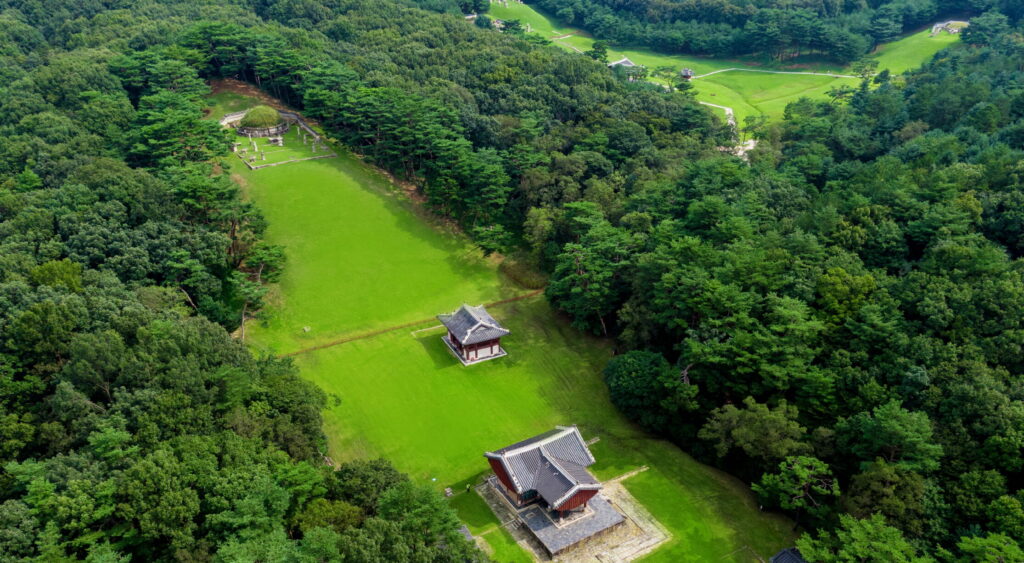
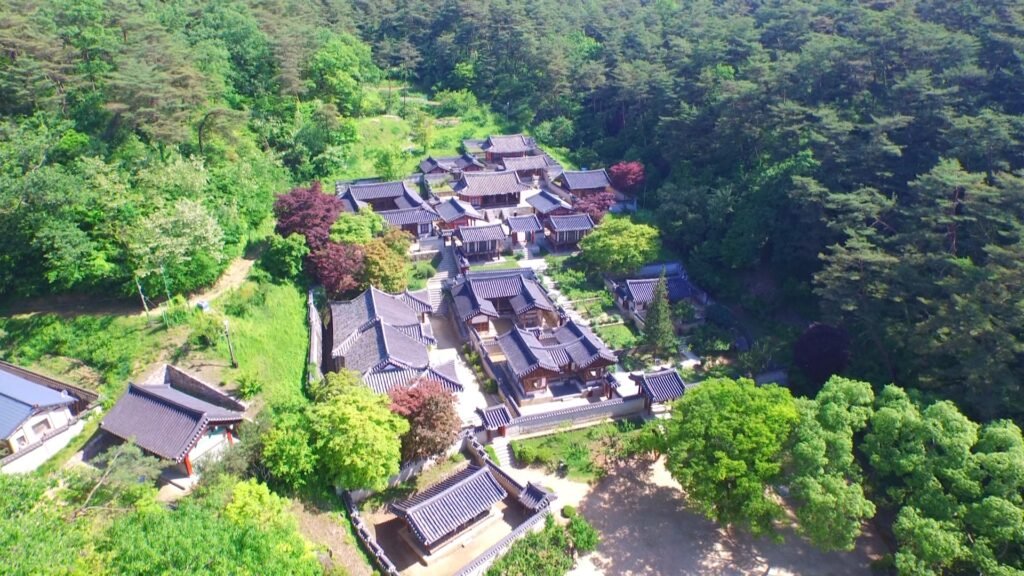
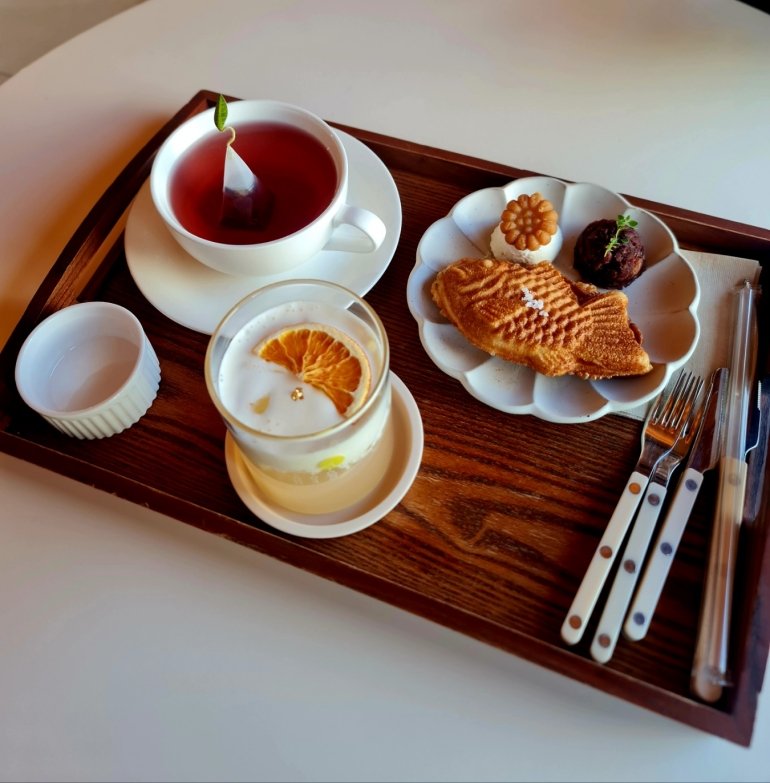
The Suwon Hwaseong Cultural Festival 2026 will take place from October 4 to October 11, 2026, transforming the UNESCO World Heritage site of Suwon Hwaseong Fortress (수원화성) into a breathtaking open-air stage of 18th-century royal court life. For international travelers planning an autumn trip to South Korea, securing your travel dates and accommodations early is essential, as this eight-day celebration is one of the country’s largest and most historically immersive historical festivals.
- Festival at a Glance
- The Story Behind the Festival: An 8-Day Royal Journey
- Major Highlights and Performances to Expect
- Hands-On Experiences for Global Visitors
- Must-Visit Spots Around the Fortress Grounds
- Why You Must Plan Early and Practical Travel Tips
- Build Your Complete Suwon Itinerary
Festival at a Glance
Before diving into the rich historical background and event schedules, here is a quick overview of what you need to know to start planning your visit to Suwon.
| Category | Festival Details |
|---|---|
| Official Name | Suwon Hwaseong Cultural Festival 2026 (수원화성문화제) |
| Confirmed Dates | October 4 (Sunday) – October 11 (Sunday), 2026 [8 Days] |
| Main Locations | Hwaseong Haenggung Palace (화성행궁), Haenggung Square (행궁광장), and Suwon Hwaseong Fortress |
| Admission Fee | Free general admission (Select premium evening shows and royal banquets require paid advance reservations) |
| Best For | History enthusiasts, K-culture fans, photographers, and autumn travelers looking for a 2-day getaway from Seoul. |
The Story Behind the Festival: An 8-Day Royal Journey
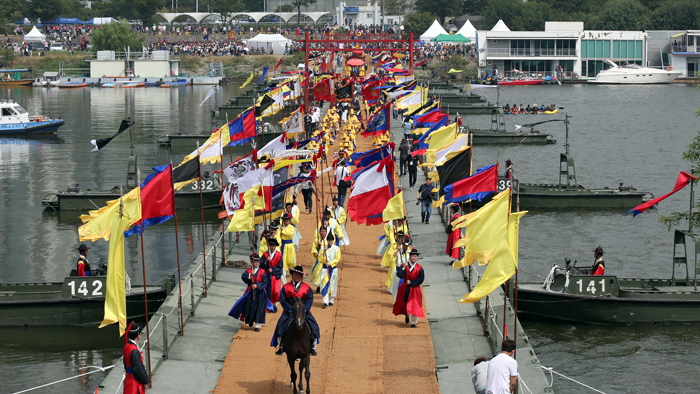
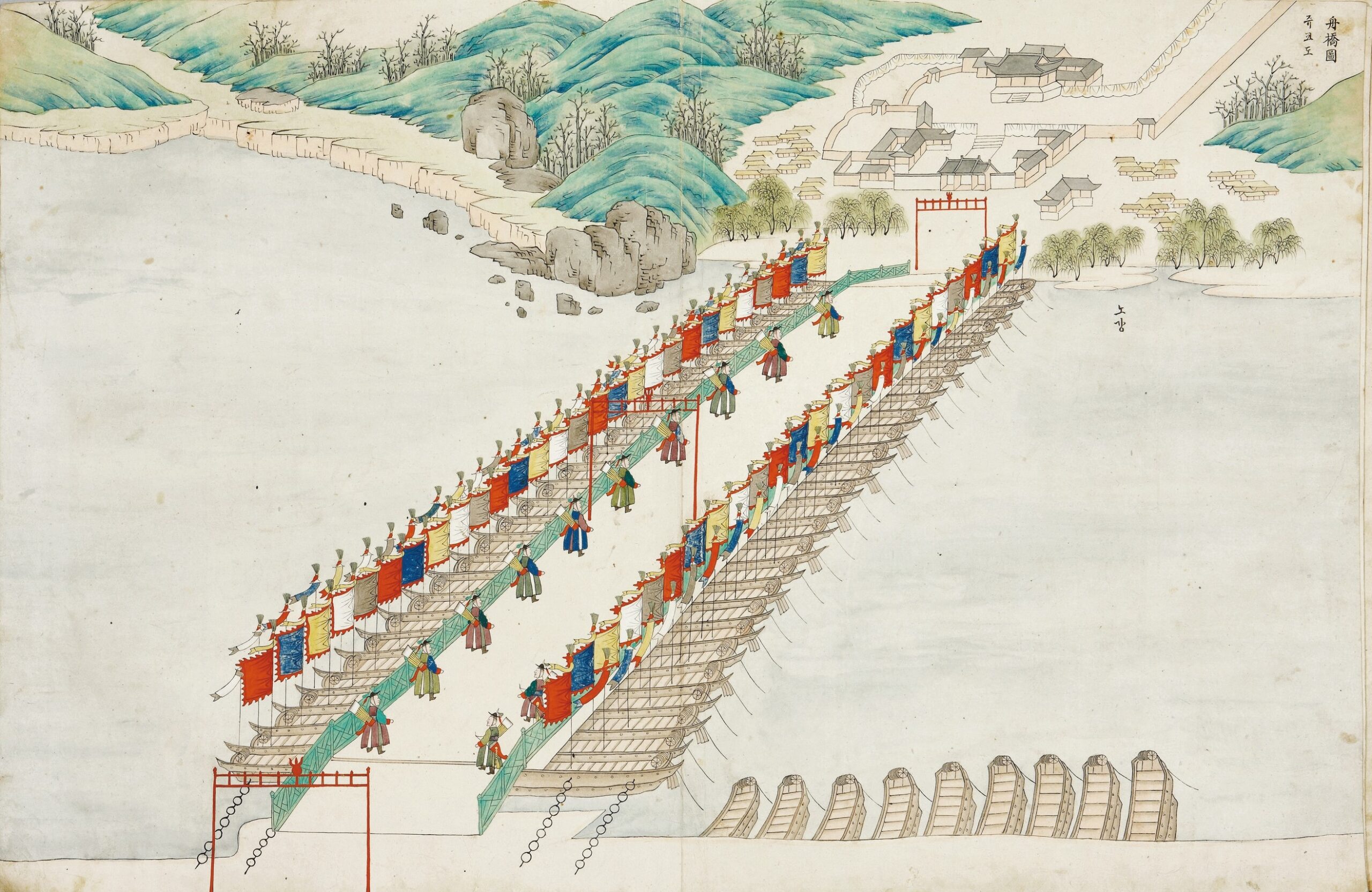
To truly appreciate the grandeur of the Suwon Hwaseong Cultural Festival, one must understand the poignant historical narrative that inspired it. In the spring of 1795, King Jeongjo, the 22nd ruler of the Joseon Dynasty, embarked on a monumental eight-day royal procession from Seoul to Suwon. This historic journey served a dual purpose: to celebrate the 60th birthday of his mother, Lady Hyegyeong, and to visit the newly relocated tomb of his late father, the tragic Crown Prince Sado.
What makes this festival stand out from ordinary reenactments is its absolute historical accuracy. Every parade formation, royal banquet dish, traditional performance, and court garment is meticulously reconstructed from the Wonhaeng Eulmyo Jeongri Uigwe, an exhaustive royal illustration collection recording King Jeongjo’s 1795 journey in astonishing detail. When you attend this festival, you are stepping directly into a living royal diary.
To deepen your understanding of the royal family’s dramatic history before you arrive, we recommend exploring these historical backgrounds:
- The Uigwe: A Window into King Jeongjo’s 8-Day Royal Journey
- King Jeongjo and Crown Prince Sado History: A Royal Tragedy
- Beyond Castles: The Survival Strategy of Korean Fortresses
Major Highlights and Performances to Expect
While exact hourly schedules for the 2026 season will be released closer to autumn, the lineup builds upon the overwhelming success of the 2025 signature events. The festivities offer a seamless balance of daytime historical immersion and breathtaking nighttime spectacles.
| Program Name | Event Type | Key Highlight |
|---|---|---|
| King Jeongjo’s Royal Parade | Street Procession | South Korea’s largest traditional parade spanning 33km with thousands of participants and horses in period armor. |
| Suwon Fantasy “Yajo” | Night Spectacular | A grand outdoor martial arts and media art performance featuring traditional K-fireworks along the fortress walls. |
| Immersive “Jinchan” Banquet | Cultural Theater | A modern, immersive retelling of the royal birthday feast originally hosted for King Jeongjo’s mother. |
| “Seonyumong” Water Show | Aquatic Performance | An elegant, poetic traditional Korean performance staged directly on the waters of the fortress pond. |
The undisputed centerpiece of the week is King Jeongjo’s Royal Parade. Watching thousands of citizens, actors, and martial artists march through the ancient city gates creates an unforgettable visual bridge between modern Korea and its dynastic past.
Hands-On Experiences for Global Visitors
Navigating a massive cultural festival in a foreign country can feel overwhelming, but Suwon ensures international travelers are welcomed with dedicated infrastructure and interactive programming designed just for them.
- The Global Village: Designed specifically as a basecamp for English-speaking and international tourists, this dedicated lounge features multilingual staff, relaxation areas, and cultural workshops. Visitors can try making traditional Korean sweet confections (K-desserts) or participate in folk games.
- Citizen Dohwaseo (Royal Art Studio): Step into the shoes of a Joseon Dynasty court painter. Participants can learn traditional folk painting techniques or take part in mock historical civil service examinations while wearing period attire.
- Traditional Hanbok Immersion: Rather than just observing, visitors are encouraged to rent and wear traditional Korean garments, transforming themselves from passive spectators into active participants of the historical landscape.
- Folk Games Arena: Test your skills in traditional Korean courtyard games such as Tuho (arrow throwing into a jar) and Yutnori (a traditional wooden stick board game) alongside local families.
📌 Local Note: Make the Global Village your very first stop upon arriving at Haenggung Square. You can pick up an official English Guide Map here, which is essential for tracking the dozens of performances happening simultaneously across different fortress gates.
Must-Visit Spots Around the Fortress Grounds
The festival activities are spread across several iconic landmarks within the fortress city. Familiarizing yourself with these core zones will help optimize your walking route.
Hwaseong Haenggung Palace
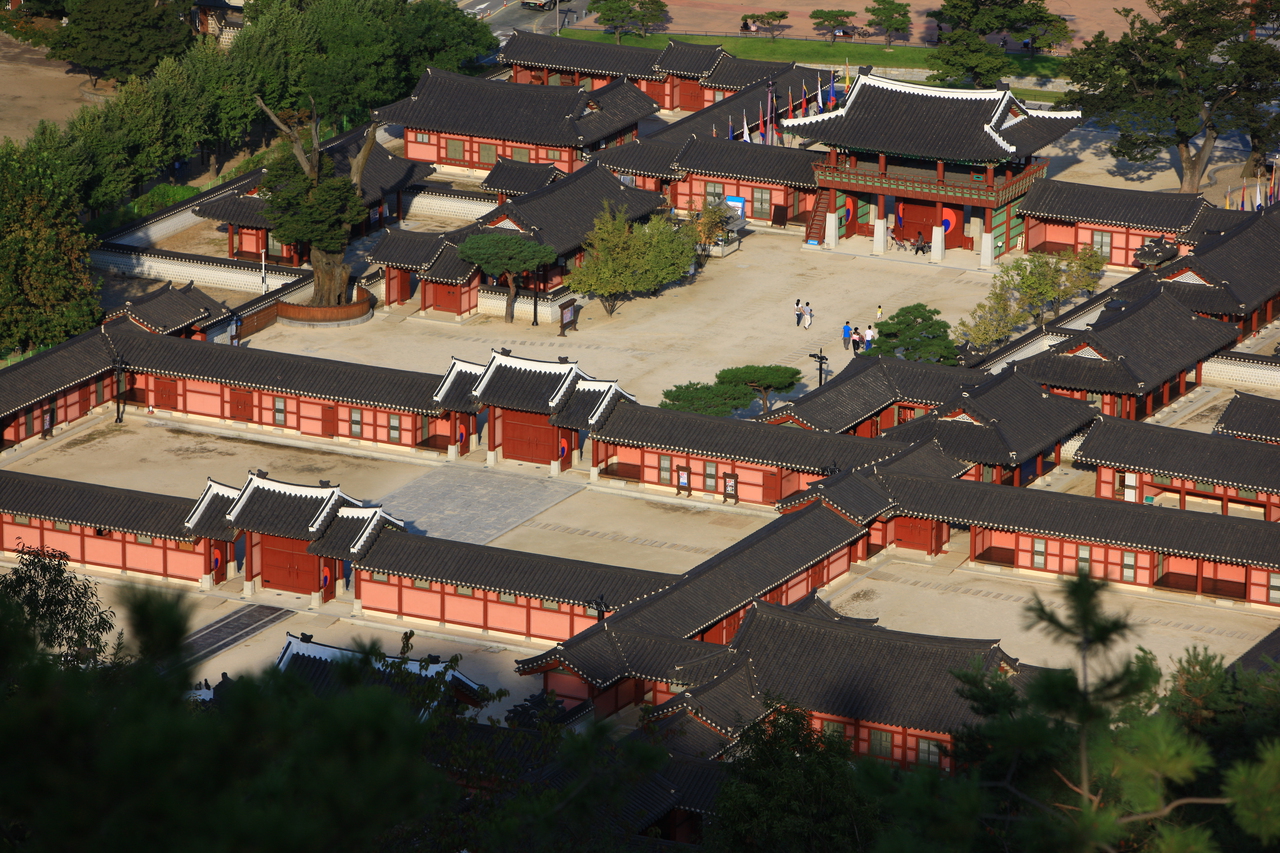
Hwaseong Haenggung served as King Jeongjo’s official residence whenever he left the capital to visit Suwon. During the festival, the palace hosts “Dalbit Hwadam,” a special evening opening where the traditional courtyards and royal halls are softly illuminated by traditional silk lanterns, offering a serene contrast to the bustling daytime festivities.
Haenggung Square
Located directly in front of the temporary palace, Haenggung Square acts as the festival’s primary energy hub. Here, travelers will find sprawling outdoor food markets featuring both international cuisine and traditional Korean street food, alongside continuous open-air busking performances and interactive craft booths.
Banghwasuryujeong Pavilion and Yongyeon Pond
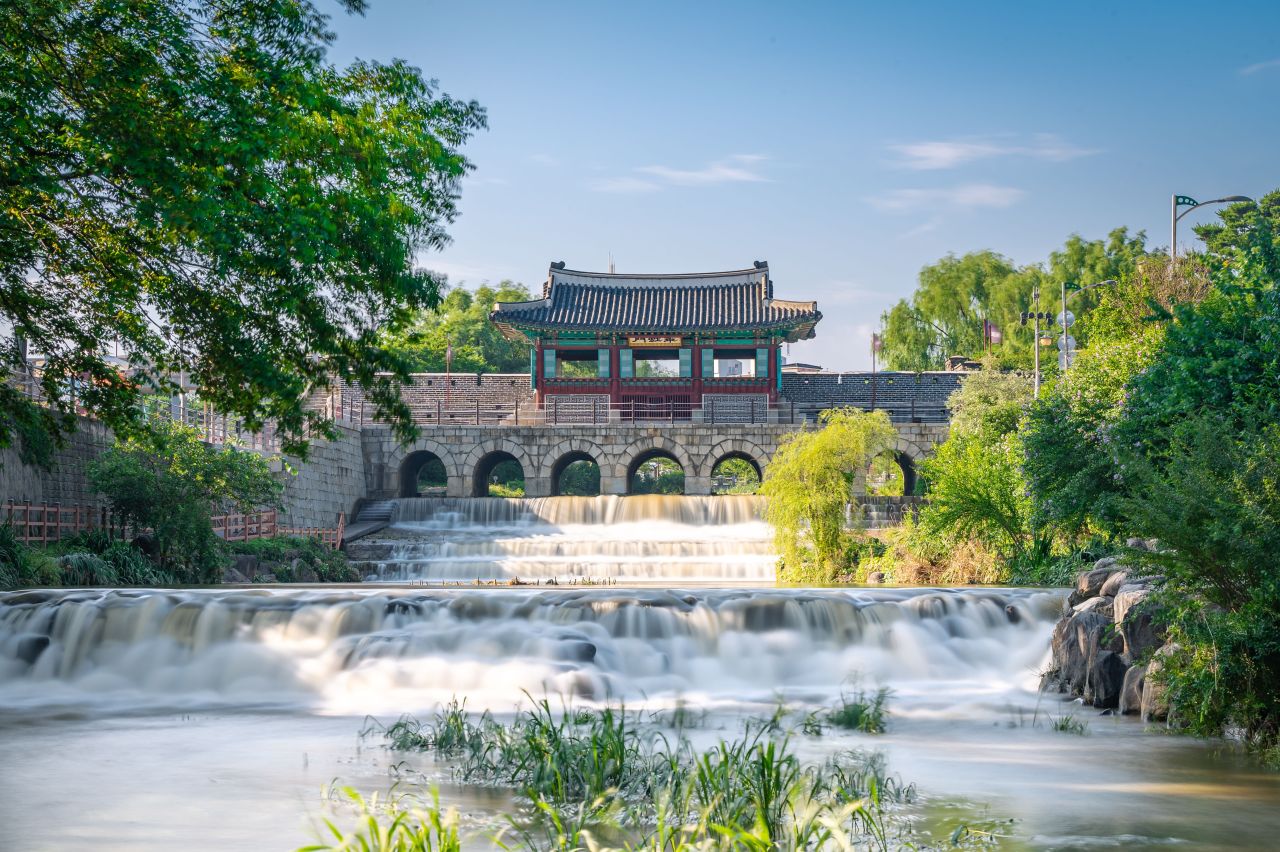
For a picturesque evening, head toward Banghwasuryujeong Pavilion (방화수류정) and the adjacent Yongyeon Pond (용연). Perched along the fortress wall, this architectural marvel overlooks a tranquil duck pond. As dusk falls, dramatic architectural lighting illuminates the pavilion, making it the city’s favorite picnic spot and the primary viewing area for the aquatic “Seonyumong” performance.
Why You Must Plan Early and Practical Travel Tips
Because the Suwon Hwaseong Cultural Festival attracts hundreds of thousands of visitors, advanced planning is critical for a smooth trip. Here is why you must plan ahead, along with essential travel logistics for your October itinerary.
Why Early Planning is Essential
While the exact daily timetable and session schedules are typically released by the city organizers only a few months before the event (around late summer), **you should not wait until then to book your trip**. Hotels, charming guesthouses in the historic district, and KTX/ITX train tickets for October weekends sell out rapidly. Secure your travel dates around October 4–11, 2026 now, and fill in the specific hourly performance slots once the final program is published.
💡 Pro Tip: Check out the official schedule overview from our previous coverage: Step Back in Time: Experience the Grandeur of Suwon Hwaseong Cultural Festival to familiarize yourself with how the event days are structured.
Essential Travel Logistics
- Express Transit from Seoul: Skip the slow subway and take the Mugunghwa or ITX express trains from Seoul Station directly to Suwon Station, which takes only 30 minutes. From Suwon Station, a quick 10-minute taxi or local bus ride will drop you right at Haenggung Square.
- Free Admission Cheat Code: Visitors wearing traditional Korean Hanbok receive free admission to Hwaseong Haenggung Palace. The trendy neighborhood surrounding the palace is filled with boutique rental shops offering elegant, traditional, and modern Hanbok styles.
- Book Special Tickets Early: While general festival admission is completely free, special seating for nighttime media art shows, royal banquets, and exclusive evening palace tours require advanced reservations. English booking pages (such as Interpark Global) typically open in September.
- Be Prepared for Traffic Controls: On the days of the massive King Jeongjo Royal Parade, major roads throughout central Suwon are completely closed to vehicles. Bus and taxi services will experience severe delays or rerouting. Plan to explore the city entirely on foot using subway stations as your primary drop-off points, and wear your most comfortable walking shoes.
Build Your Complete Suwon Itinerary
Suwon is much more than just a fortress city; it is a vibrant cultural hub filled with trendy cafes, incredible regional gastronomy, and world-famous K-drama filming locations. Make the most of your festival trip by exploring our comprehensive local guides:
- Suwon Hwaseong Fortress: Your Perfect 2-Day Getaway from Seoul!
- Haenggung-dong Guide: Suwon’s Top K-Drama Filming Spots
- Step Into the Screen: The Ultimate K-Drama Travel Guide 2026
- 10 Must-Try Korean Restaurants Near Suwon Fortress
- Suwon Hwaseong: The Cutest Cafes & Bakeries Near Haenggung-dong!
Korean Culture portal KCulture.com

Founder of Kculture.com and MA in Political Science. He shares deep academic and local insights to provide an authentic perspective on Korean history and society.