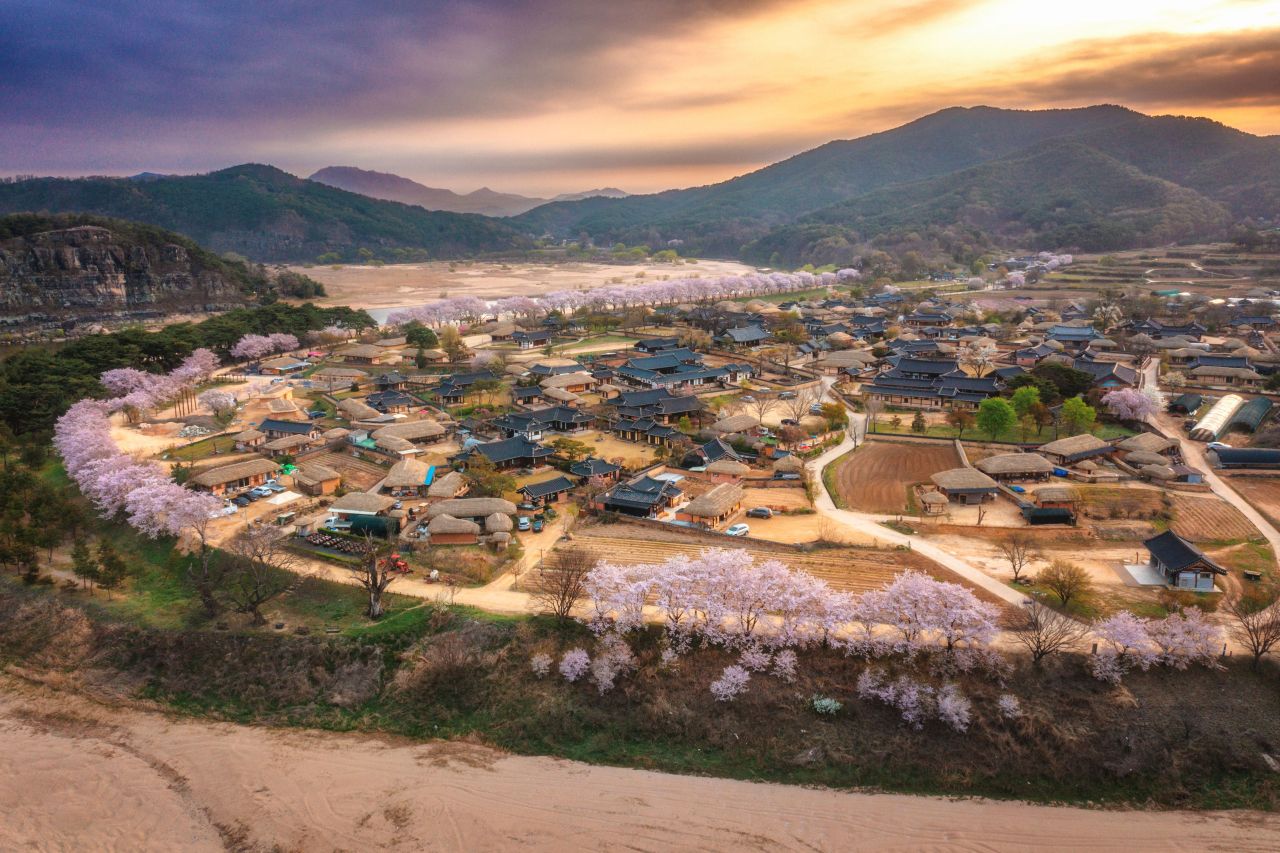
To truly understand the core of the Joseon Dynasty, you must look beyond the royal palaces of Seoul and visit Andong Hahoe Folk Village (안동 하회마을), the philosophical heartland of Korea. While Seoul’s palaces showcase the centralized power of the kings, Andong preserves the 600-year-old Yangban (scholar-official) culture, offering a living, breathing community deeply rooted in Neo-Confucian philosophy. Living in Korea, I always tell travelers that balancing the grandeur of the capital with the intellectual serenity of Andong is the only way to experience the complete story of Korea’s past.
- Beyond the Palaces: Seoul’s Power vs. Andong’s Soul
- Andong Hahoe Folk Village: A Living Museum
- The Seowon: The Ivy League of the Joseon Dynasty
- Bongjeongsa Temple: A Moment of Buddhist Peace
- Essential Travel Tips and Culinary Guide
- How to Get to Andong from Seoul
Beyond the Palaces: Seoul’s Power vs. Andong’s Soul
So, you’ve been to Seoul. You have walked the grand halls of Gyeongbokgung Palace (경복궁) and perhaps rented a Hanbok to feel like royalty at Changdeokgung Palace (창덕궁). Seeing the dazzling colors and imposing thrones is an incredible experience. However, if that is all you have seen of the Joseon Dynasty, you have only read the cover of the book.
The real, deep, and intellectual narrative of the era is written in the quiet countryside. It exists in the profound spaces where the nation’s true architects—the scholar-officials, known as Yangban—lived, studied, and governed. A trip to Andong is literally stepping into the soul of Joseon. Seoul shows you the power that ruled the nation, but Andong reveals the strict philosophy and principles that sustained it for over 500 years.
Andong Hahoe Folk Village: A Living Museum
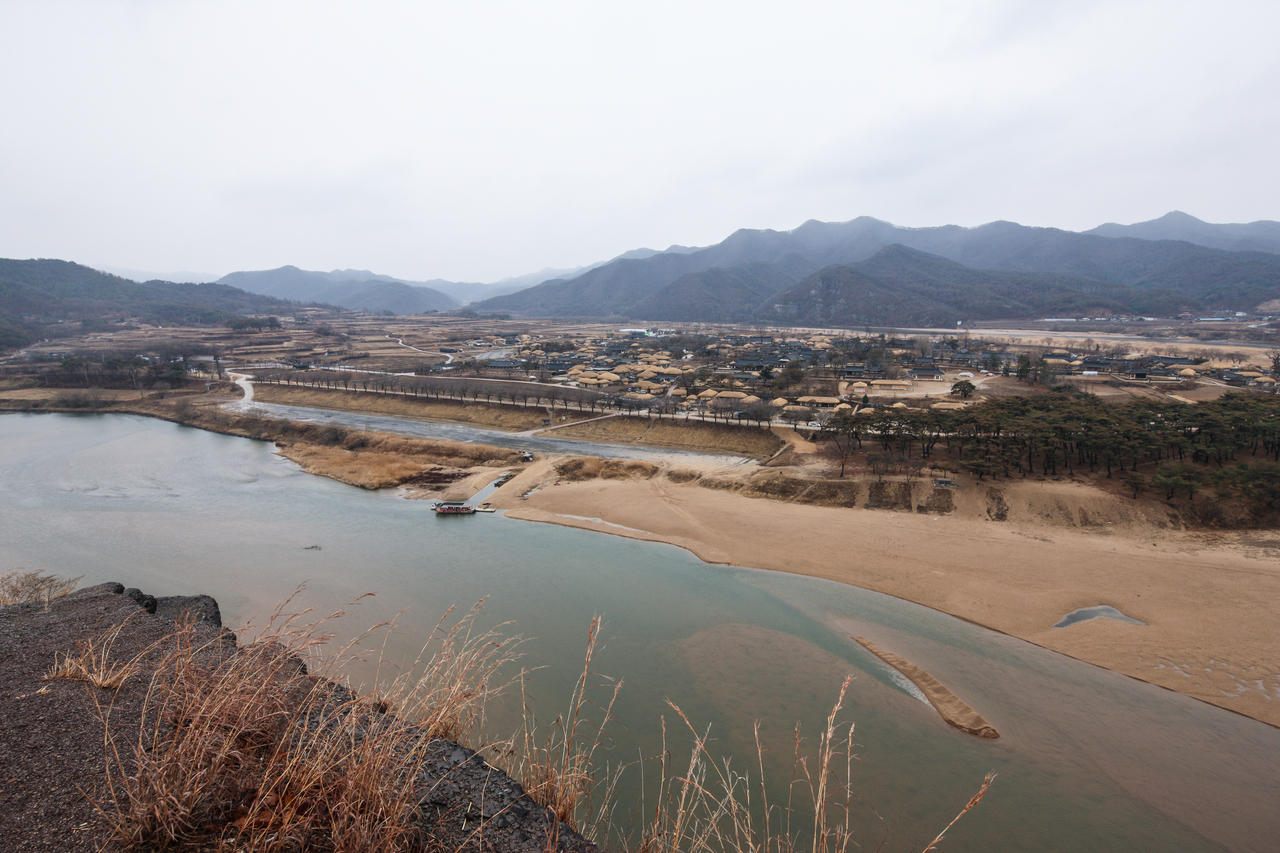
Your first stop must be the Andong Hahoe Folk Village. The name “Hahoe” translates to “village enveloped by water,” referencing the majestic Nakdong River (낙동강) that perfectly meanders around the settlement in an S-shape. This specific layout was chosen centuries ago for its auspicious energy according to traditional Feng Shui principles.
Forget sterile reconstructions; this is a living village where descendants of the Pungsan Ryu clan have resided for over six centuries. It is easy to see why it was designated a UNESCO World Heritage site in 2010, and why royal figures like Queen Elizabeth II and Prince Andrew chose to visit it to experience authentic Korean heritage.
The Architecture of Social Class
What is truly fascinating is how you can read the rigid social structure of the Joseon era directly through the village’s architecture. It is a physical map of a bygone society:
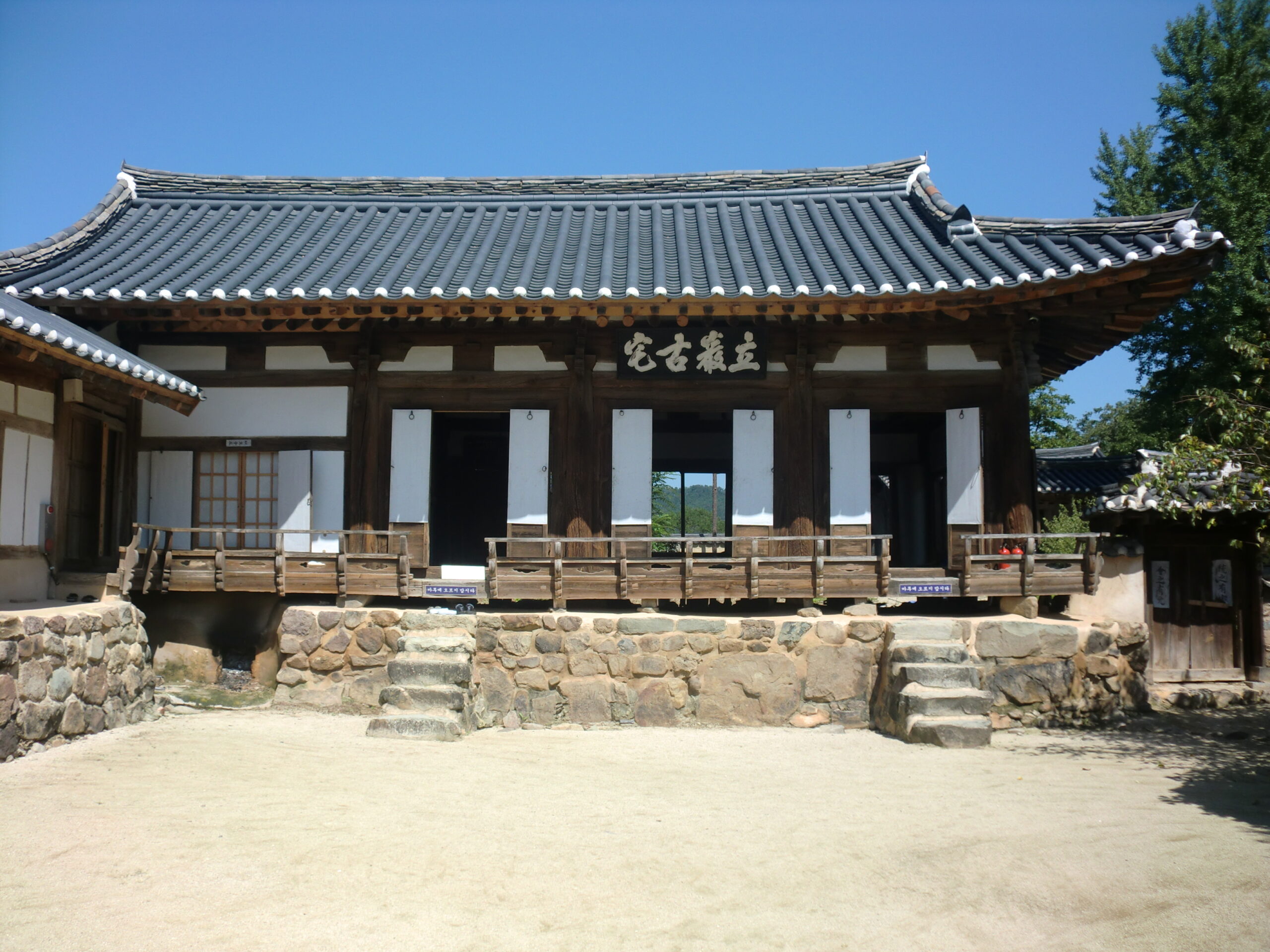
- Yangban Estates: In the center of the village on higher ground, you will find large, elegant tile-roofed houses. Be sure to explore Chunghyodang (충효당) and Yangjindang (양진당), the prominent estates of the aristocratic families.
- Commoner Homes: Surrounding the center are the modest, beautifully rustic thatched-roof houses where the commoners lived.
Must-Do Activities in Hahoe
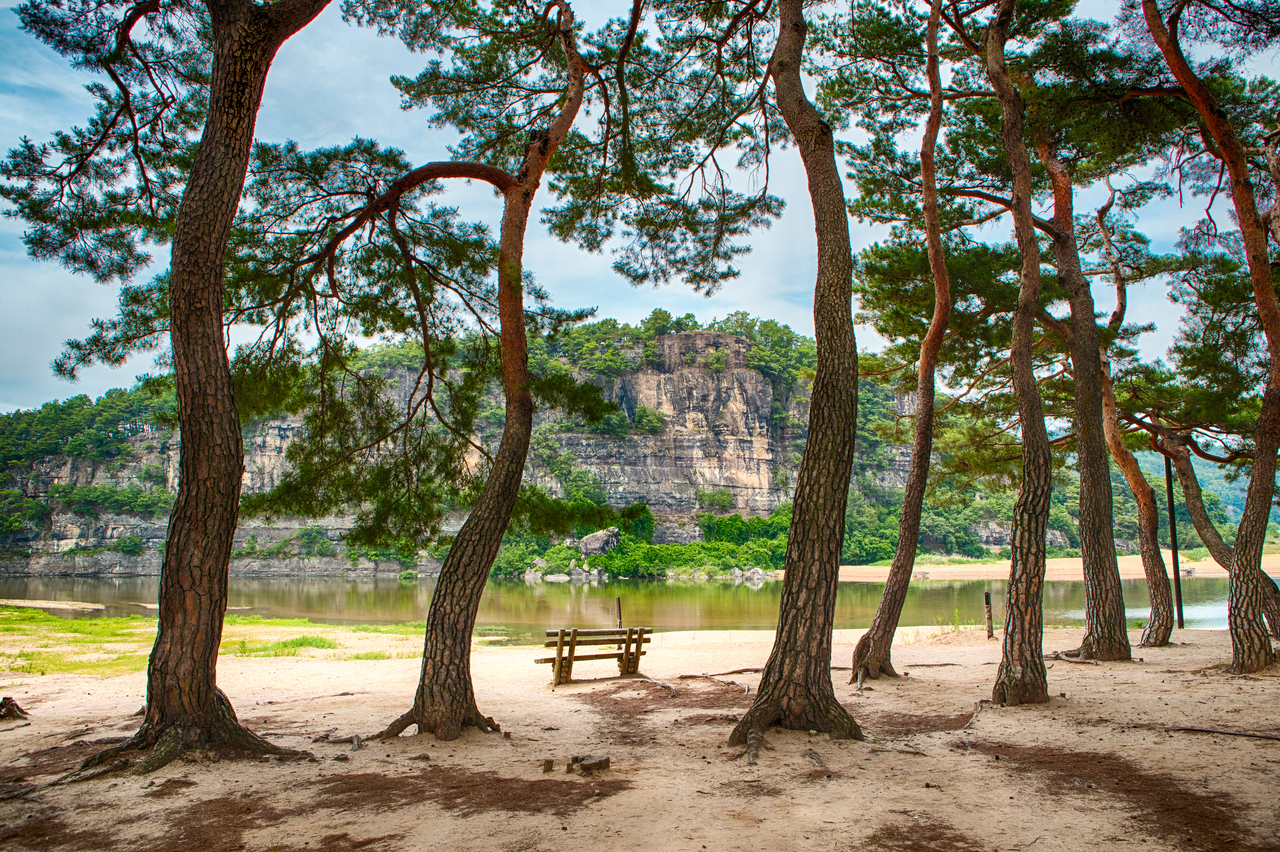
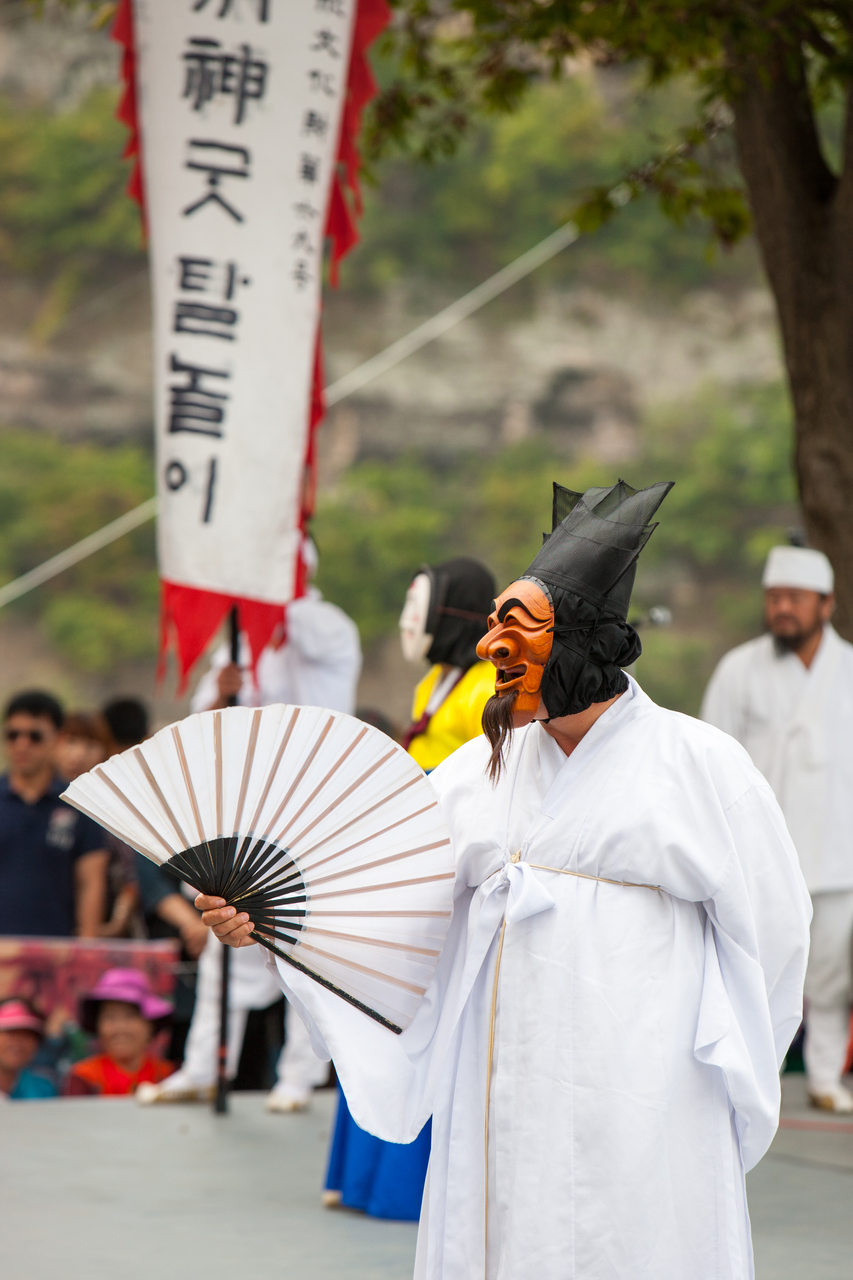
While wandering the dirt paths is a joy in itself, do not miss taking a small wooden ferry across the river to Buyongdae Cliff (부용대). Standing 64 meters high, the cliff offers a breathtaking panoramic view of the entire village curled up inside the river’s bend. Back on the ground, stroll through the Mansongjeong Pine Forest (만송정), planted during the Joseon Dynasty to act as a windbreak. Finally, check the local schedule to catch the Hahoe Mask Dance Drama, a traditional satirical performance where commoners historically mocked the ruling class.
The Seowon: The Ivy League of the Joseon Dynasty
If Hahoe was the home, the Seowon were the elite universities. These private Neo-Confucian academies were where scholars trained for rigorous civil service exams and debated ethics. Andong boasts two of the most magnificent, UNESCO-listed Seowon in the country.
Dosan Seowon (도산서원)
Established by Toegye Yi Hwang, one of Korea’s most revered scholars, this academy is a masterpiece of modesty. Instead of grand halls, it features simple, dignified wooden buildings nestled by the river. It perfectly reflects Yi Hwang’s philosophy of integrity and deep study. You can almost feel the quiet contemplation lingering in the courtyard.
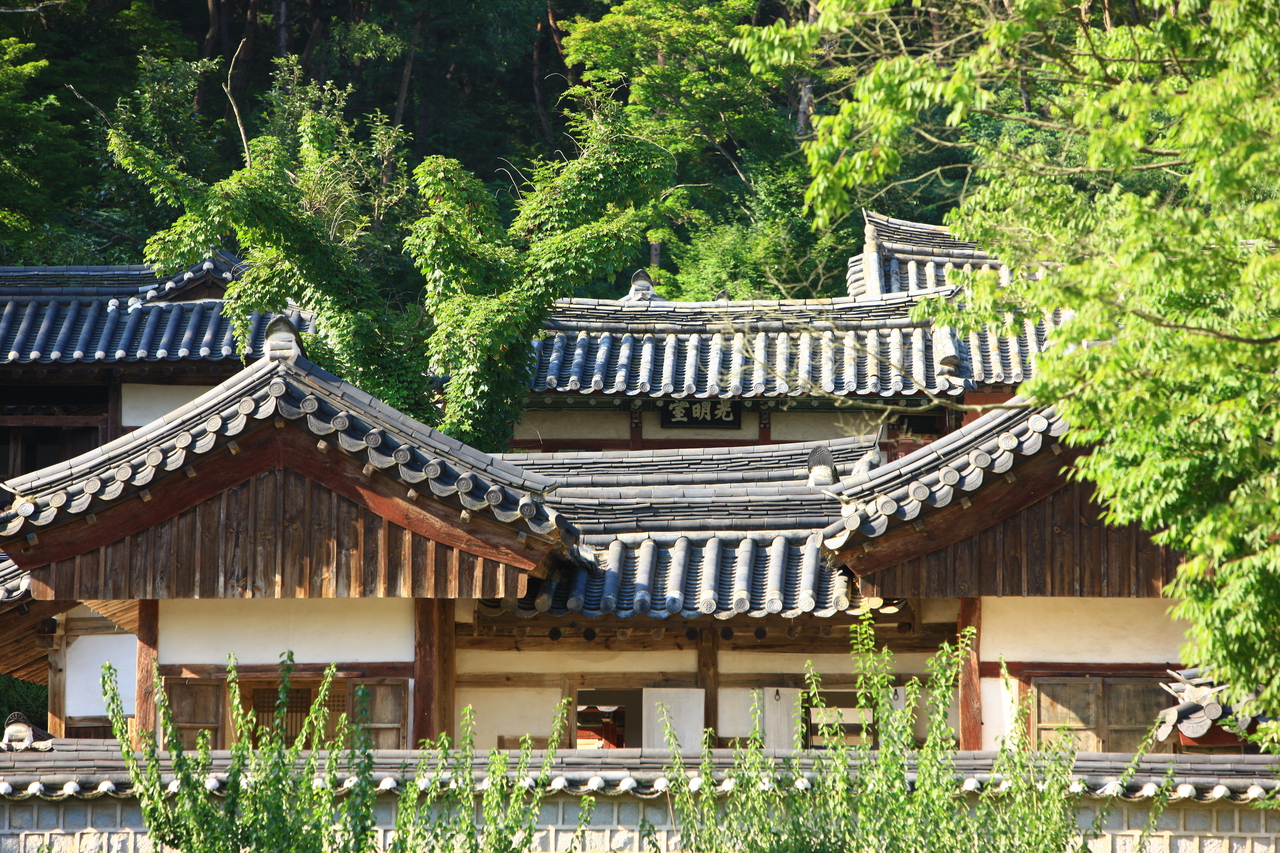
Byeongsan Seowon (병산서원)
Arguably the most beautiful academy in Korea, its crown jewel is the Mandaeru Pavilion. This structure uses seven massive, unadorned wooden pillars to perfectly frame the Nakdong River and the folding-screen-like cliffs of Byeongsan Mountain. It embodies the ultimate Confucian ideal: achieving perfect harmony between humanity and nature without dominating it.
💡 Local Note: A Different Kind of Beauty
Do not expect the vibrant, multicolored paintwork you see on Seoul’s palaces. The true beauty of the Seowon lies in their absolute restraint, natural wood tones, and perfect placement within the surrounding landscape.
Bongjeongsa Temple: A Moment of Buddhist Peace
While Andong is the undeniable capital of Confucianism, it is also home to Bongjeongsa Temple (봉정사), which houses what is believed to be the oldest wooden building in Korea—the Geungnakjeon Hall from the Goryeo Dynasty. After immersing yourself in the structured world of Confucian scholars, the quiet, meditative atmosphere of this ancient mountain temple provides a beautiful contrast, proving that multiple spiritual traditions flourished side by side.
Essential Travel Tips and Culinary Guide
To make the most of your visit, keeping a few practical aspects in mind is crucial.
| Best Time to Visit | What to Expect |
|---|---|
| Autumn (Late Sept – Oct) | Crisp weather, golden ginkgo trees, the International Mask Dance Festival, and traditional fireworks over the river. |
| Spring (April – May) | As of May 2026, the weather is perfectly mild for extensive walking. Enjoy lush greenery and blooming wildflowers with fewer crowds. |
- Respect the Residents: This is a real neighborhood. Keep noise levels down and never trespass into courtyards marked “Private.”
- Wear Comfortable Shoes: The village preserves its historical authenticity with unpaved dirt and gravel paths. Leave the heels at your hotel.
- Culinary Must-Tries: Outside the village, you must eat Andong Jjimdak (a savory braised chicken with glass noodles), Gan-godeungeo (perfectly salted mackerel), and wash it down with traditional, potent Andong Soju.
- Stay Overnight: Book a Hanok guesthouse. When the day-trippers leave at sunset, the village transforms into a profoundly tranquil retreat.
How to Get to Andong from Seoul
Traveling to Andong is easier than ever. The most efficient route is taking the KTX-Eum high-speed train from Cheongnyangni Station (청량리역) in Seoul directly to Andong Station (안동역). The journey takes roughly two hours. From Andong Station, you can take local Bus 210, which goes directly to the Hahoe Folk Village entrance, or catch a taxi for a faster, more direct ride.
My perspective on Korean history expanded tenfold after my first trip to Andong. Seeing the king’s throne is one thing, but sitting on the wooden floors where scholars penned policies that shaped a kingdom for centuries is an entirely different level of travel. Look beyond the capital, and let the historical soul of Korea welcome you.
Explore More:
- Seowon: The Heart of Korea’s Historical Education Fever
- The Silent Soul of Korea: Buddhism, Society, and History
Korean Culture portal KCulture.com

Founder of Kculture.com and MA in Political Science. He shares deep academic and local insights to provide an authentic perspective on Korean history and society.