King Sejong the Great (세종대왕), the fourth monarch of the Joseon Dynasty, is widely revered as Korea’s greatest ruler, primarily for his personal invention of Hangeul (한글), the Korean alphabet, in 1443 to promote literacy among commoners. As a historical storyteller living in Korea, I feel his legacy every single day—from the language we speak to the statues gracing our city centers. If you are fascinated by how a single monarch’s profound love for his people revolutionized a nation’s communication, understanding King Sejong’s life, his undisputed role in creating Hangeul, and the historical sites dedicated to him is essential for your cultural journey.
- The Unlikely Ascension: How a Third Son Became King
- The Renaissance of Joseon: Major Achievements
- The Crown Jewel: The True Story of Hangeul’s Invention
- Tracing His Footsteps: Artifacts and Places to Visit
- King Sejong on Screen: K-Dramas and Movies
The Unlikely Ascension: How a Third Son Became King
Born as Yi Do in 1397, King Sejong was originally known as Grand Prince Chungnyeong. According to the strict Confucian traditions of the Joseon Dynasty, the eldest son was destined to inherit the throne. That meant his older brother, Grand Prince Yangnyeong, was the designated Crown Prince.
However, history had a different plan. Yangnyeong’s erratic behavior and frequent misconduct caused King Taejong, the third king of Joseon, to deeply doubt his eldest son’s fitness to rule. On the other hand, Chungnyeong was a brilliant scholar, deeply devoted to his studies, and consistently demonstrated a profound empathy for the common people. Recognizing these exceptional qualities, King Taejong made a bold political move for the stability of the kingdom. He deposed Yangnyeong and instated Chungnyeong as the Crown Prince. Just two months later, in August 1418, Taejong abdicated, and Sejong ascended the throne, beginning a glorious 32-year reign.
The Renaissance of Joseon: Major Achievements
While Hangeul is his most famous contribution, King Sejong spearheaded a golden age of politics, science, and culture, all driven by his core philosophy of Aemin Jeongsin (Love for the people). Here is a breakdown of his remarkable accomplishments:
| Category | Major Achievements & Innovations |
|---|---|
| Science & Technology | Commissioned the invention of the Cheugugi (rain gauge), Jagyeongnu (water clock), and Angbuilgu (sundial). He actively promoted Jang Yeong-sil, a brilliant scientist of slave descent, breaking strict class barriers. |
| Territorial Expansion | Secured the northern borders by establishing four counties and six garrisons along the Amnok and Duman rivers, shaping the modern borders of the Korean peninsula. |
| Agriculture & Economy | Published Nongsa Jikseol, a farming manual tailored to Korea’s specific climate and soil. In an unprecedented democratic move, he surveyed over 170,000 commoners before reforming the national tax system. |
| Academic Research | Established the Jiphyeonjeon (집현전), or Hall of Worthies, inside the royal palace to nurture top scholars and publish extensive academic texts. |
The Crown Jewel: The True Story of Hangeul’s Invention
Of all his achievements, nothing compares to the creation of Hangeul. Promulgated in 1446, it remains the only writing system in human history where the creator, the year of creation, and the founding principles are clearly documented.
During the early Joseon era, Koreans spoke their native language but had to write using classical Chinese characters (Hanja). This complex system took decades to master, leaving the vast majority of commoners illiterate and highly vulnerable to legal and economic exploitation. Heartbroken by this injustice, King Sejong set out to create a script so intuitive that “a wise man could learn it in a morning, and even a fool could learn it in ten days.” The letters were ingeniously designed to mimic the exact shapes of the vocal organs when pronouncing them.
The Great Debate: Who Really Invented Hangeul?
For a long time, popular textbooks and media suggested that King Sejong ordered the scholars of the Jiphyeonjeon (such as Sin Suk-ju and Seong Sam-mun) to create the alphabet. However, as a dedicated history enthusiast, I must clarify that modern historical and linguistic consensus strongly refutes this. The established truth is the Sejong Solo Invention Theory (세종 친제설).
The evidence is fascinating and irrefutable. The Annals of the Joseon Dynasty explicitly state that “The King personally created the 28 letters of the vernacular script.” More importantly, the very scholars of the Jiphyeonjeon, led by Choe Man-ri, submitted a vehement petition opposing the new alphabet, arguing that abandoning Chinese characters was barbaric. It defies logic that these scholars would passionately protest a project they had supposedly designed. King Sejong worked in almost complete secrecy, possibly with only the quiet help of his royal family, to bypass the fierce opposition of his aristocratic officials. The scholars were only brought in later to help write the Hunminjeongeum Haerye, the explanatory manual for the completed alphabet.
Tracing His Footsteps: Artifacts and Places to Visit
If you are planning a trip to Korea, experiencing the legacy of King Sejong firsthand is a must. Here are my top local recommendations:
- The Hunminjeongeum Haerye (훈민정음 해례본): This is the original commentary book explaining the principles of Hangeul. Designated as a National Treasure and a UNESCO Memory of the World, the most pristine copy (the Andong Edition) is kept by the Kansong Art Museum in Seoul. Keep an eye out for their special exhibitions to catch a rare glimpse of this priceless artifact.
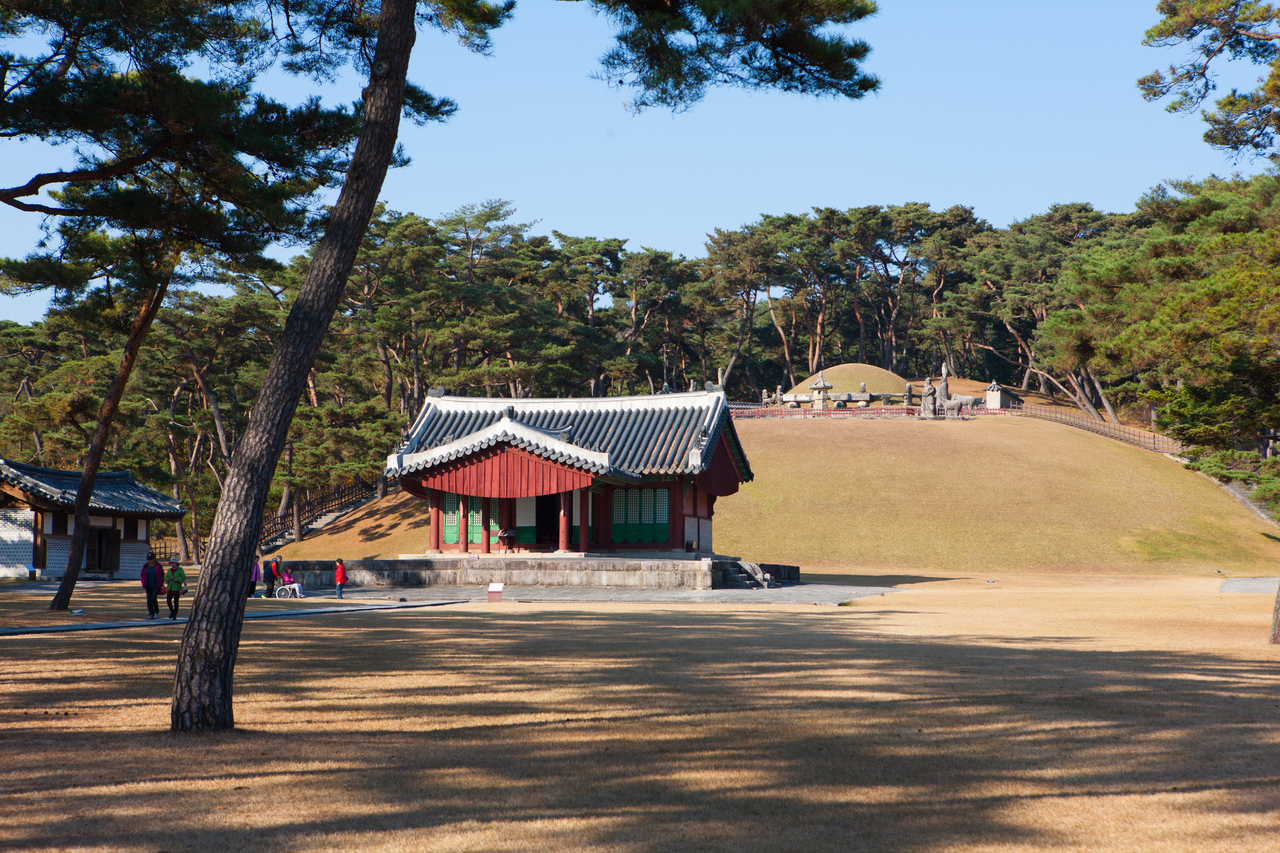
- Yeongneung Royal Tomb (영릉): Located in Yeoju, Gyeonggi-do, this is the final resting place of King Sejong and Queen Soheon. It is part of the UNESCO World Heritage Royal Tombs of the Joseon Dynasty. The grounds are lush and peaceful, and the entrance features a fantastic outdoor exhibition of Sejong’s astronomical and scientific instruments.
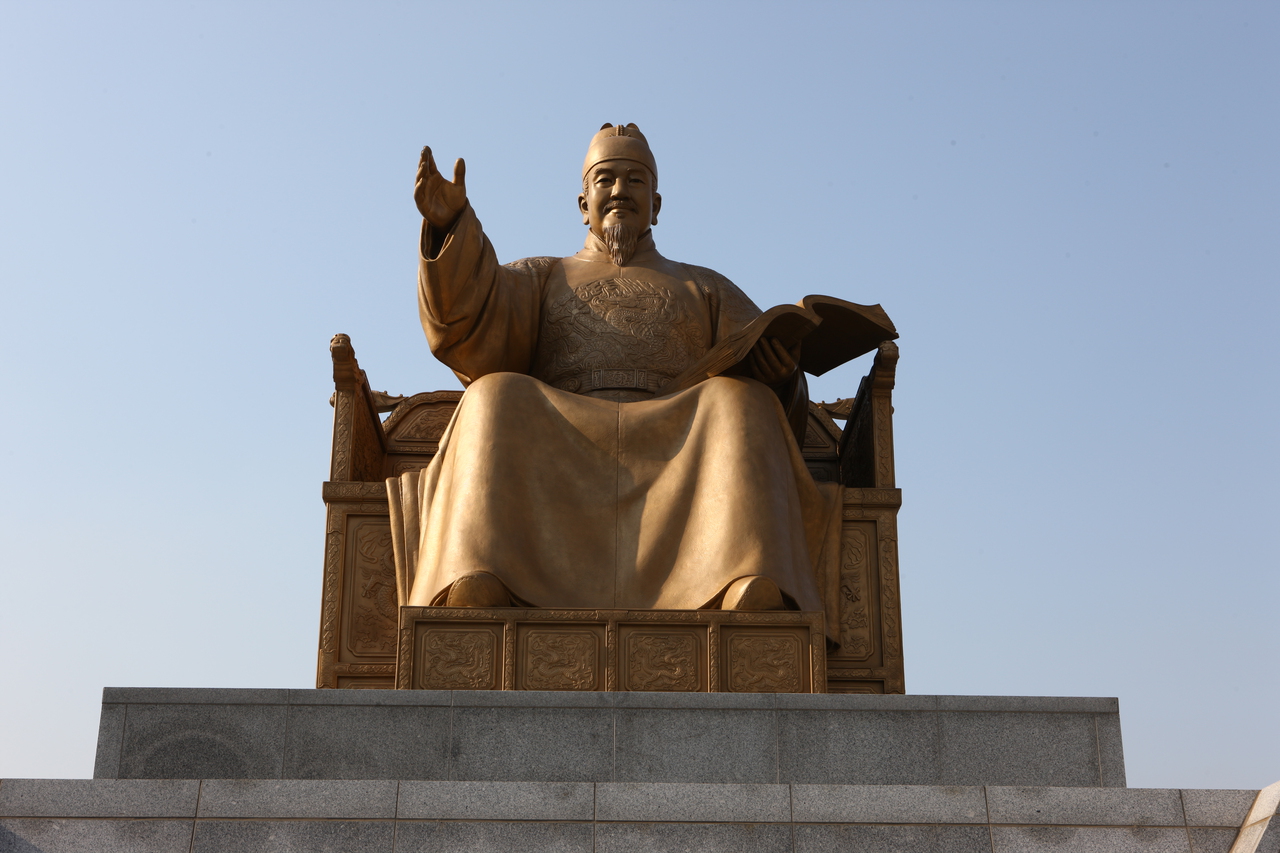
- Gwanghwamun Square (광화문광장): You cannot miss the colossal golden statue of King Sejong sitting majestically in the heart of Seoul. 📌 Local Note: Don’t just take a photo and leave! Walk around to the back of the statue. There is a hidden door leading down to the King Sejong Story, a massive underground museum with excellent English exhibits and hands-on Hangeul calligraphy experiences.
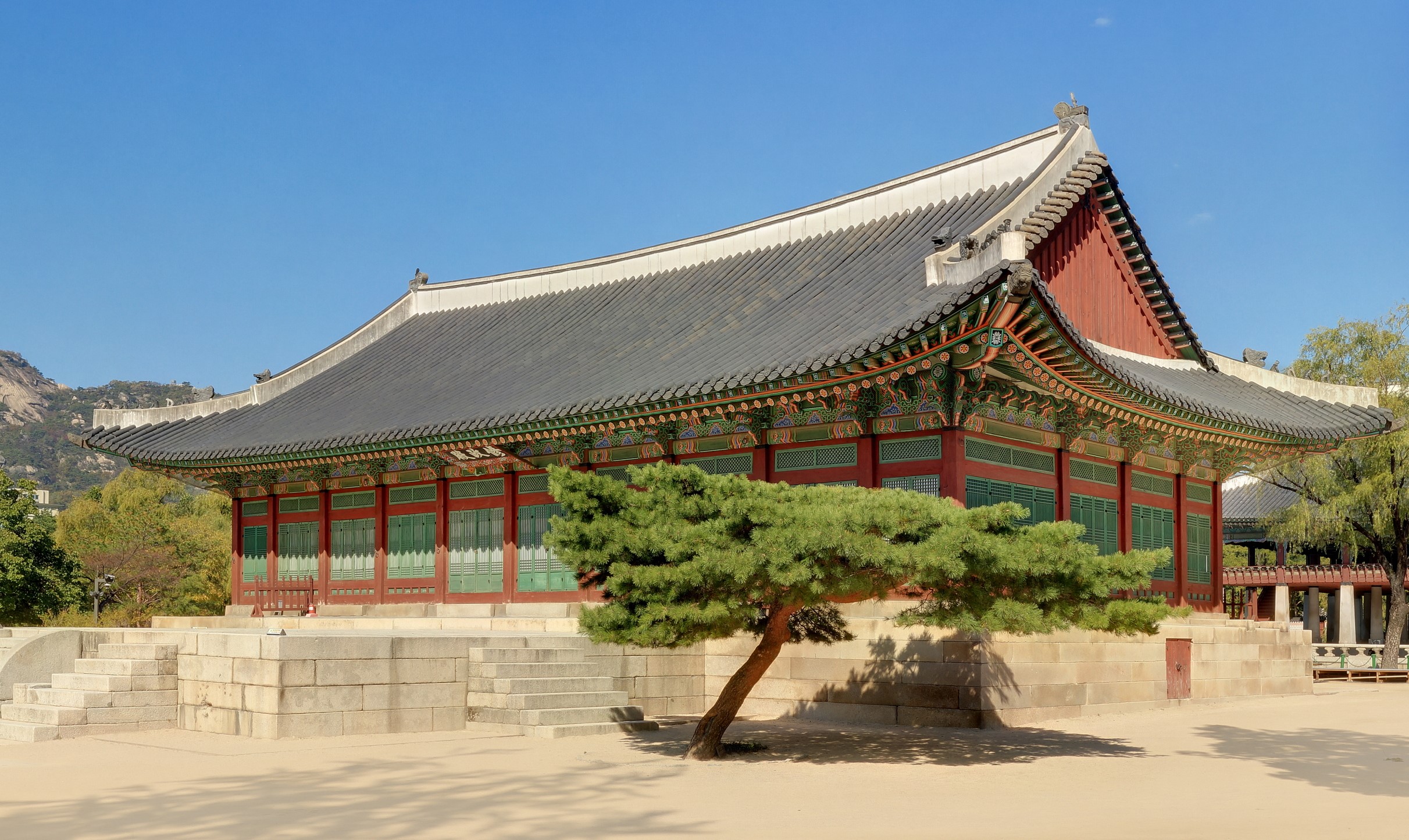
- Gyeongbokgung Palace (경복궁): This was the very stage of Sejong’s reign. When you visit, seek out the Sujeongjeon (수정전) hall. This beautiful pavilion sits on the exact site of the former Jiphyeonjeon, where the king’s brightest scholars worked and where the Hangeul manual was drafted.
King Sejong on Screen: K-Dramas and Movies
To truly visualize the political tension and brilliance surrounding King Sejong, Korean cinema and television offer some spectacular portrayals:
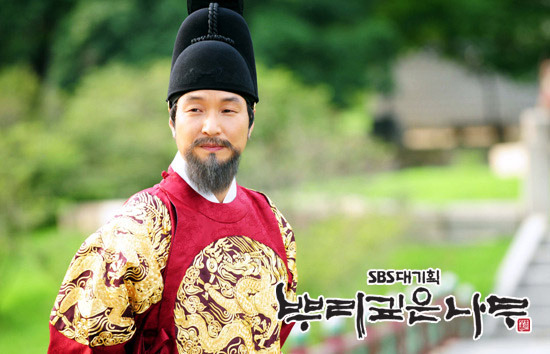
- Deep Rooted Tree (뿌리깊은 나무, 2011): This is arguably the greatest K-Drama about the creation of Hangeul. It portrays King Sejong (played brilliantly by Han Suk-kyu) battling conservative scholars and a secret society to publish his alphabet. It’s a thrilling historical mystery. You can stream it on Viki or Kocowa.
- Forbidden Dream (천문: 하늘에 묻는다, 2019): This touching film focuses on the deep bond and tragic political rift between King Sejong and his chief engineer, Jang Yeong-sil. It beautifully highlights Sejong’s scientific renaissance. Available on major VOD platforms like Apple TV or Amazon Prime.
- The Great King, Sejong (대왕 세종, 2008): A classic, sweeping historical epic that covers his entire life from his days as a young prince to his final years. It is a long watch but incredibly detailed for history buffs, often available on KBS World’s YouTube channel or Viki.
King Sejong’s legacy is the bedrock of modern Korean identity. To dive even deeper into how his magnificent invention survived through centuries of turmoil, including the Japanese occupation, I highly recommend reading our detailed guide: Hangeul History: From Sejong’s Invention to Colonial Survival.
Korean Culture portal KCulture.com

Founder of Kculture.com and MA in Political Science. He shares deep academic and local insights to provide an authentic perspective on Korean history and society.