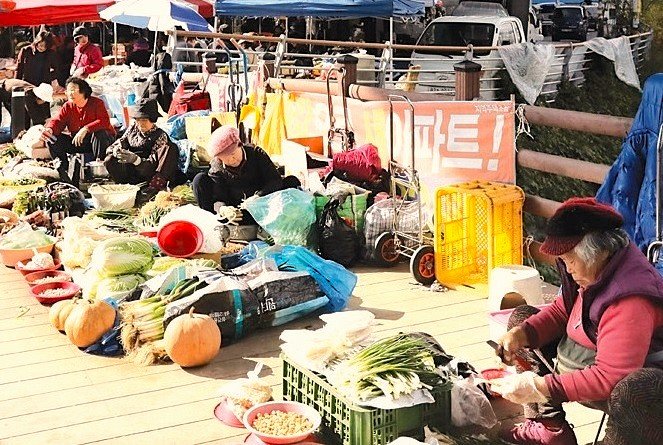
Freshly pressed sesame and perilla oils from traditional Korean oil shops have unexpectedly become the ultimate culinary souvenir for international tourists in 2026. Rather than grabbing mass-produced bottles from supermarkets, travelers are seeking out hidden neighborhood mills to buy authentic, live-pressed oils that offer unmatched roasted aromas, high nutritional value, and a genuine taste of local culture.
Living in Korea, I have watched this fascinating shift firsthand. What started as a niche food trend among Japanese visitors and foodie expats has rapidly evolved into a must-do cultural experience. For anyone wondering how to capture the true essence of a comforting Korean home-cooked meal, securing a bottle of artisanal oil is the absolute secret. In this guide, I will walk you through why these traditional oils are the soul of our cuisine, the dramatic difference between factory and traditional pressing, the best local shops to visit in Seoul, and practical tips on how to safely pack these golden drops for your flight home.
- The Magic Last Drop: Sesame Oil vs. Perilla Oil
- Supermarket vs. Traditional Shop: Why the Difference Matters
- Top Traditional Oil Shops to Visit in Seoul
- How to Buy and Bring Korean Oil Home
- Keep Exploring Korea
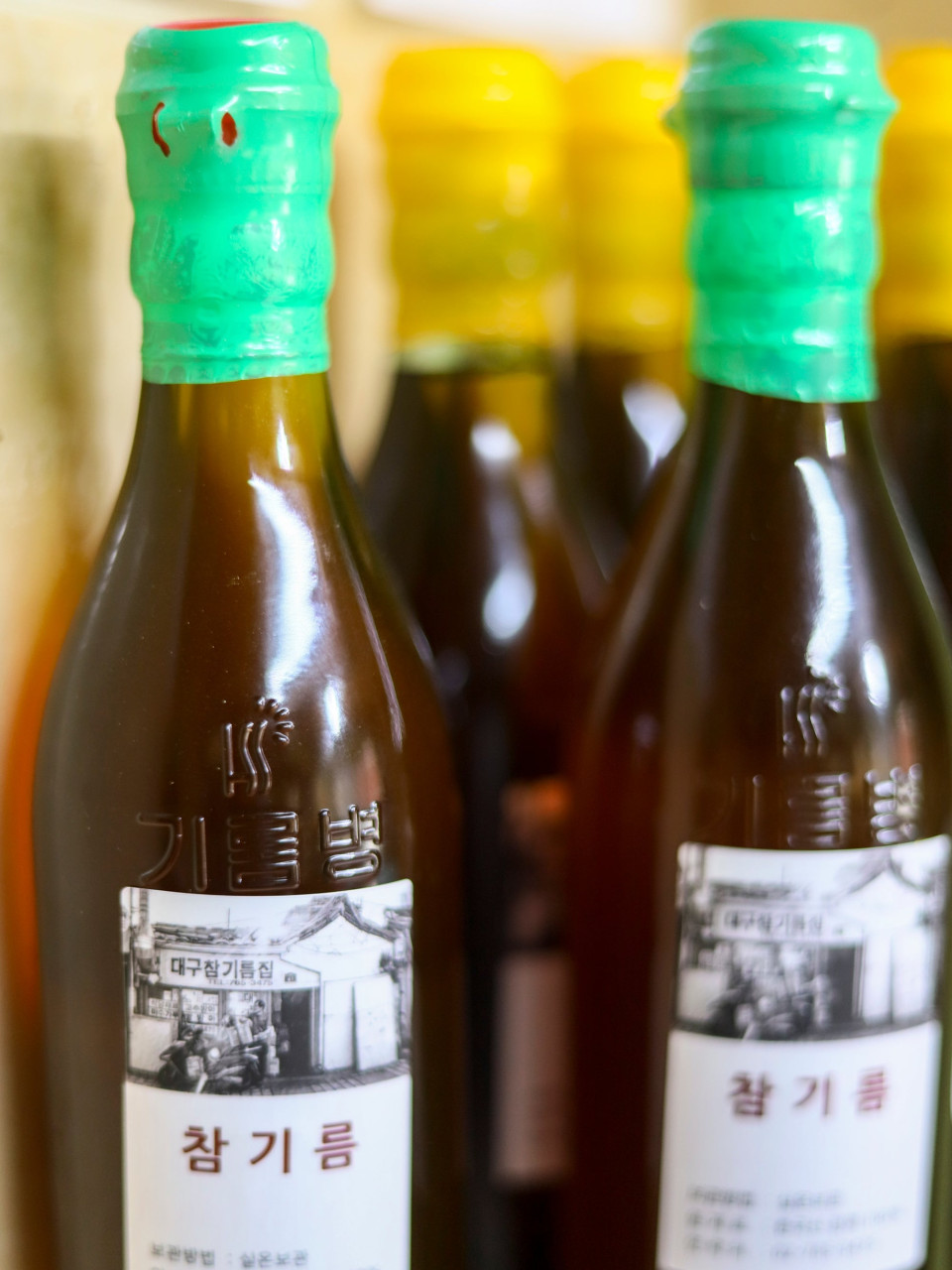
The Magic Last Drop: Sesame Oil vs. Perilla Oil
In many Western culinary traditions, oils like olive oil serve as the foundation of a dish. In Korean food, however, traditional oils are frequently the finishing touch. Adding that final drop right before serving is what ties all the ingredients together. For locals, that rich, nutty fragrance instantly evokes memories of family meals and homemade side dishes prepared by parents and grandparents.
| Feature | Sesame Oil (참기름 – Chamgireum) | Perilla Oil (들기름 – Deulgireum) |
|---|---|---|
| Flavor Profile | Intensely nutty and deeply aromatic, achieved through careful roasting. A single drop goes a long way. | Earthy, slightly bitter, and herbal. It has a distinct, grassy aroma that offers profound, savory depth. |
| Culinary Use | Used raw at the very last stage of cooking. Essential for bibimbap, seasoned vegetables, and dipping sauces. | Can handle mild heat. Perfect as a base for stir-frying, making rich soups, or tossing with buckwheat noodles. |
| Nutritional Value | Rich in Sesamol, a powerful naturally occurring antioxidant that supports cardiovascular health. | Boasts one of the highest plant-based Omega-3 fatty acid (ALA) contents among vegetable oils, exceeding 60%. |
💡 Pro Tip: If olive oil is the beginning of a Mediterranean dish, sesame oil is the final signature of a Korean one. To experience its true magic, drizzle it over your food just moments before eating.
Supermarket vs. Traditional Shop: Why the Difference Matters
You might wonder why travelers lug heavy glass bottles across the globe when Korean sesame oil is readily available at convenience stores. The secret lies in the extraction method and the pursuit of true authenticity.
In many countries, commercial sesame oils are often made by steaming the seeds before pressing, yielding a very clear, mild oil. Furthermore, mass-produced oils are often pressed at exceedingly high temperatures to extend shelf life, which inevitably strips away much of their natural fragrance.
Traditional Korean oil mills—known as bangatgan (방앗간)—take a completely different approach. The seeds are gently roasted by artisans who rely on decades of intuition. This roasting process unlocks a powerful aroma that you can smell from several meters away in the street. Watching the golden oil slowly flow from a large vintage iron press is surprisingly captivating. Visitors can see every stage of production, turning a simple shopping trip into a highly tactile, local craft workshop experience.
Top Traditional Oil Shops to Visit in Seoul
If you are looking to bring the authentic taste of Korea back to your home kitchen, here are the best spots in Seoul, each offering a uniquely different vibe.
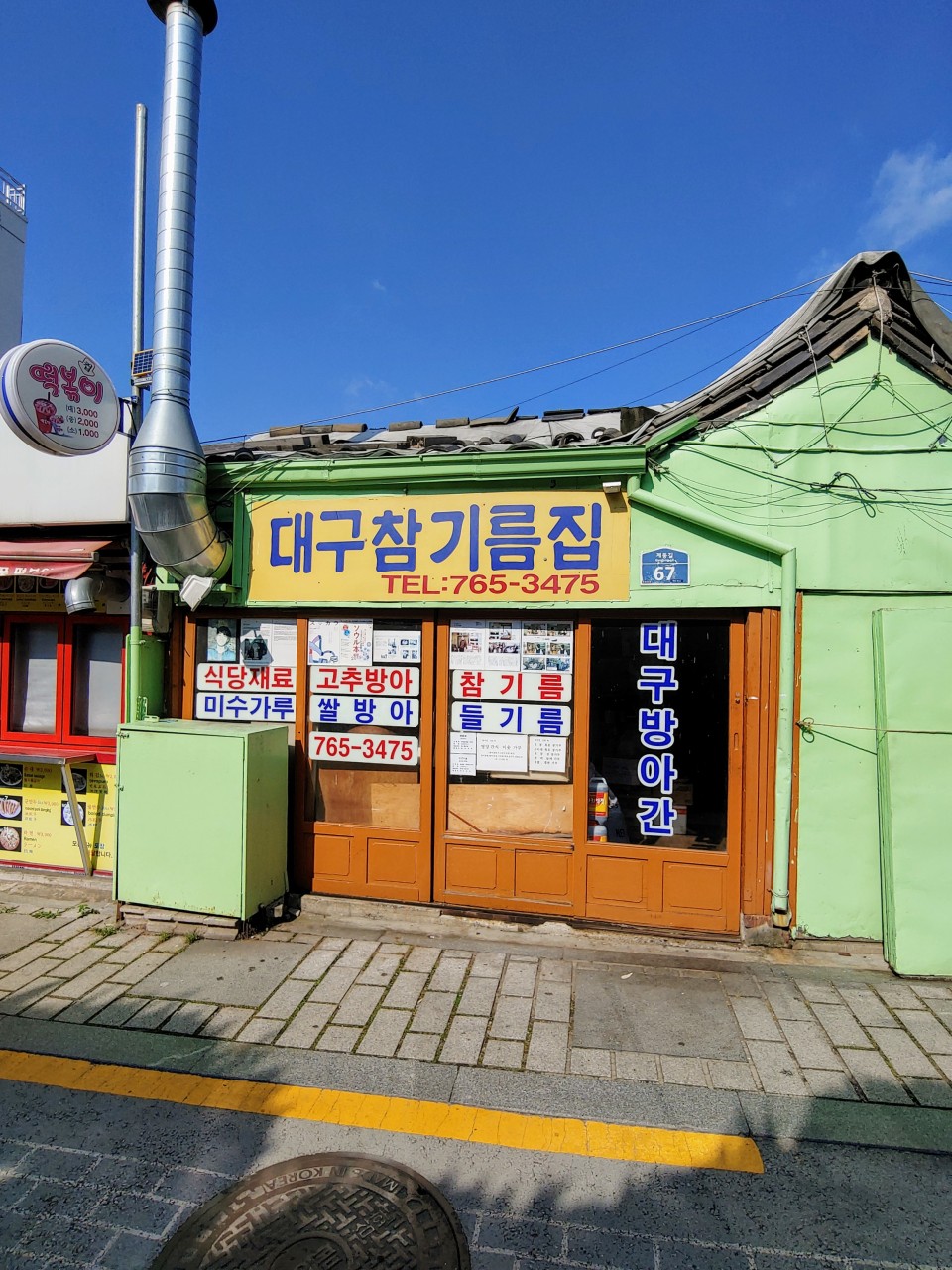
1. Daegu Chamgireum-jib (대구참기름집)
Located right at the entrance of Bukchon Hanok Village (북촌한옥마을) in Gye-dong (계동), this long-established shop has stood its ground for over 40 years. Its deeply nostalgic storefront perfectly matches the surrounding traditional streets, making it a favorite photo spot for international influencers and foodies.
2. Queens Bucket (쿠엔즈버킷)
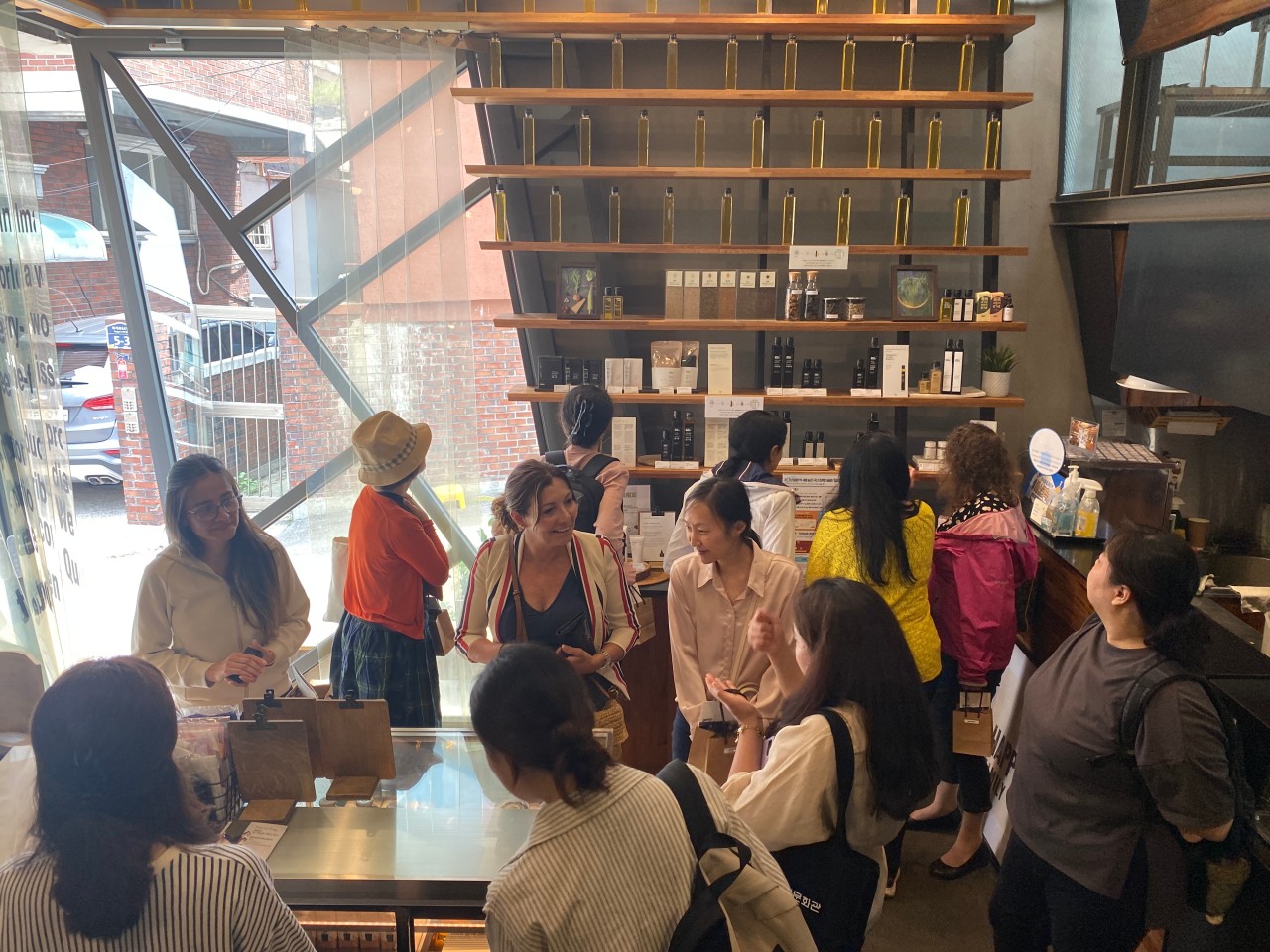
For those who prefer a premium, modern approach, Queens Bucket near Toegye-ro (퇴계로) and Dongdaemun (동대문) reimagines the traditional oil shop for the 21st century. They specialize in cold-pressed methods that minimize nutrient loss, producing oils of such high quality that they are supplied to Michelin 3-star restaurants in New York. With beautiful, gift-friendly packaging designed specifically for overseas travelers and English-speaking staff, it is incredibly tourist-friendly.

3. Jungbu Market & Gwangjang Market (중부시장 & 광장시장)
Situated in the bustling Eulji-ro (을지로) district, these traditional market alleys are the ultimate hotspots for young travelers. The area recently exploded in popularity after famous Japanese idols and top models raved online about how adding market-pressed sesame oil to spicy ramen elevates the dish to pure art. Today, it is common to see tourists pulling suitcases through the market, buying bottles directly from the producers.
📌 Local Note: When visiting traditional markets, bring some cash. While cards are widely accepted now, small alleyway shops sometimes prefer or offer slight discounts for cash transactions.
How to Buy and Bring Korean Oil Home
Bringing glass bottles of oil on an international flight might sound daunting, but local shop owners are very accustomed to tourists and will gladly help you pack them safely. Keep these essential tips in mind:
- Choose Smaller Bottles: Opt for smaller sizes if you are flying internationally to save weight and minimize the risk of breakage.
- Request Extra Sealing: Ask the shop owner to tightly wrap the bottles in bubble wrap or extra newspaper for your checked luggage.
- Capture the Peak Aroma: Some shops bottle the oil while it is still slightly warm. The aroma is at its absolute peak during the first few weeks, so start using it soon after returning home!
- Storage Rules: Always store sesame oil in a cool, dark place away from direct sunlight. Perilla oil, due to its exceptionally high Omega-3 content, goes rancid much faster and must generally be stored in the refrigerator after opening.
Keep Exploring Korea
The popularity of traditional oil mills reflects a broader shift in how we travel—moving away from generic souvenirs and toward bringing home a true piece of everyday Korean life. If you want to dive deeper into Korean culture, wellness, and local exploration, check out these guides:
- If you are curious about how Korea’s science-driven wellness culture extends from healthy oils to skincare, read Understanding Functional Cosmetics: The Science Behind K-Beauty.
- Immerse yourself in vibrant local energy by planning your trip around the 10 Best Summer Festivals in South Korea to Experience in 2026.
- As interest in local culinary ingredients grows, many visitors are exploring food-producing regions outside of Seoul. Discover hidden gems in our 2026 Korean Regional Travel: Escape the Crowds guide.
Korean Culture portal KCulture.com

Founder of Kculture.com and MA in Political Science. He shares deep academic and local insights to provide an authentic perspective on Korean history and society.