10 Best Summer Festivals in South Korea to Experience in 2026
The best summer festivals in South Korea for 2026 are the Boryeong Mud Festival, Daegu Chimac Festival, and Incheon Pentaport Rock Festival, running alongside cultural gems like the newly confirmed Gwangalli Eobang and Gangneung Danoje festivals from June to August. As someone living in Korea, I can assure you that whether you want to dive into mineral-rich mud at Daecheon Beach, enjoy world-class live rock music, or escape the heat with ice-cold beer and fried chicken, Korea’s summer calendar is packed with unforgettable events. These festivals provide the ultimate way to engage with passionate local traditions while beating the seasonal humidity.
- Overview of South Korea’s 2026 Summer Festival Calendar
- Deep Dive into the Top 10 Best Summer Festivals in South Korea
- Crucial Survival Guide for the Korean Summer Heat
- Discover More Festivals and Event Highlights
Overview of South Korea’s 2026 Summer Festival Calendar
Planning an itinerary around Korea’s dynamic summer season requires accurate timing. Below is the updated and fully confirmed timeline of the premier celebrations happening across the peninsula between June and August 2026, compiled from the latest official data.
| Festival Name | Primary Location | 2026 Schedule Status |
|---|---|---|
| Hansan Mosi Cultural Festival | Seocheon (서천) | Confirmed: June 12 – June 14, 2026 |
| Gwangalli Eobang Festival | Busan (부산) | Confirmed: June 12 – June 14, 2026 |
| Gangneung Danoje Festival | Gangneung (강릉) | Confirmed: June 15 – June 22, 2026 |
| Daegu Chimac Festival | Daegu (대구) | Confirmed: July 1 – July 5, 2026 |
| Buyeo Seodong Lotus Festival | Buyeo (부여) | Confirmed: July 3 – July 5, 2026 |
| Boryeong Mud Festival | Boryeong (보령) | Confirmed: July 17 – July 26, 2026 |
| Jeongnamjin Jangheung Water Festival | Jangheung (장흥) | Confirmed: July 25 – August 2, 2026 |
| Bonghwa Eunuh (Sweetfish) Festival | Bonghwa (봉화) | Confirmed: July 25 – August 2, 2026 |
| Incheon Pentaport Rock Festival | Incheon (인천) | Confirmed: July 31 – August 2, 2026 |
| Tongyeong Hansan Battle Festival | Tongyeong (통영) | Confirmed: August 12 – August 16, 2026 |
Deep Dive into the Top 10 Best Summer Festivals in South Korea
From historical shamanistic rituals to modern music and food blockbusters, these are the top ten summer events you cannot miss when exploring the country this year.
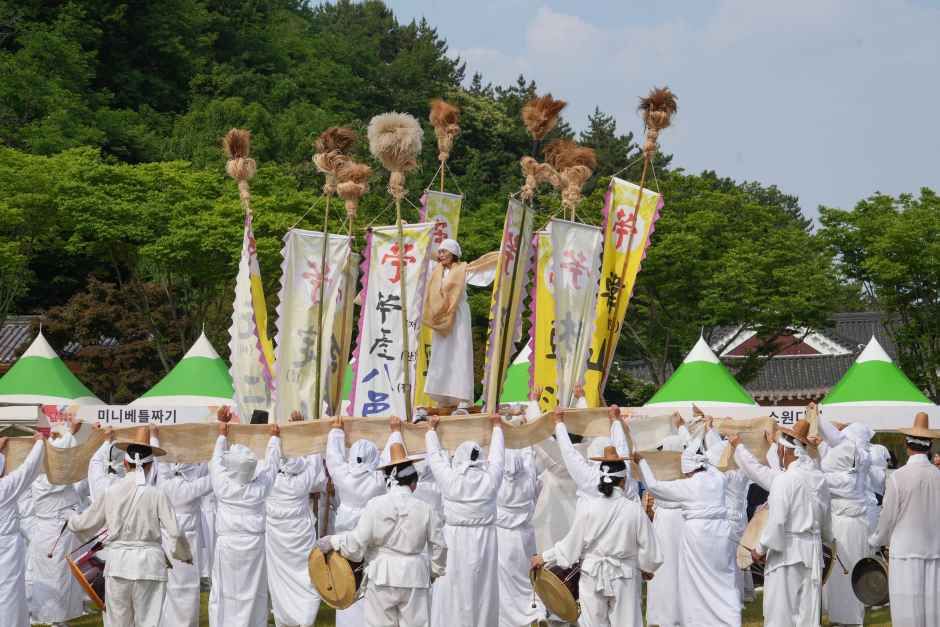
1. Hansan Mosi Cultural Festival (한산모시문화제) – June 12-14
This unique cultural gathering celebrates the delicate heritage of weaving Hansan Mosi, a highly breathable traditional ramie fabric perfectly engineered to survive Korea’s intense summer heat. The festival grounds host stunning Mosi fashion shows, live traditional weaving demonstrations by master artisans, and a bustling local craft market. You can try on beautifully tailored, lightweight Mosi garments, participate in a mini-loom weaving workshop, and taste the famous local Hansan Sogokju, which is a delicious traditional rice wine with centuries of history. It is highly recommended for travelers seeking a slower, deeply educational cultural experience.
2. Gwangalli Eobang Festival (광안리어방축제) – June 12-14
Held right on the vibrant shores of Busan (부산), this incredible event beautifully recreates the traditional fishing village culture of the region. Recognized officially by the Ministry of Culture, Sports and Tourism as an Honorary Cultural Tourism Festival, it offers fantastic hands-on fishing programs and spectacular seaside parades. What makes this event truly stand out is its recent Gold award in the Accessibility Program category at the 2025 Pinnacle Awards Korea (hosted by IFEA). This high level of international recognition ensures top-tier organization, making it highly inclusive and accessible for all visitors.
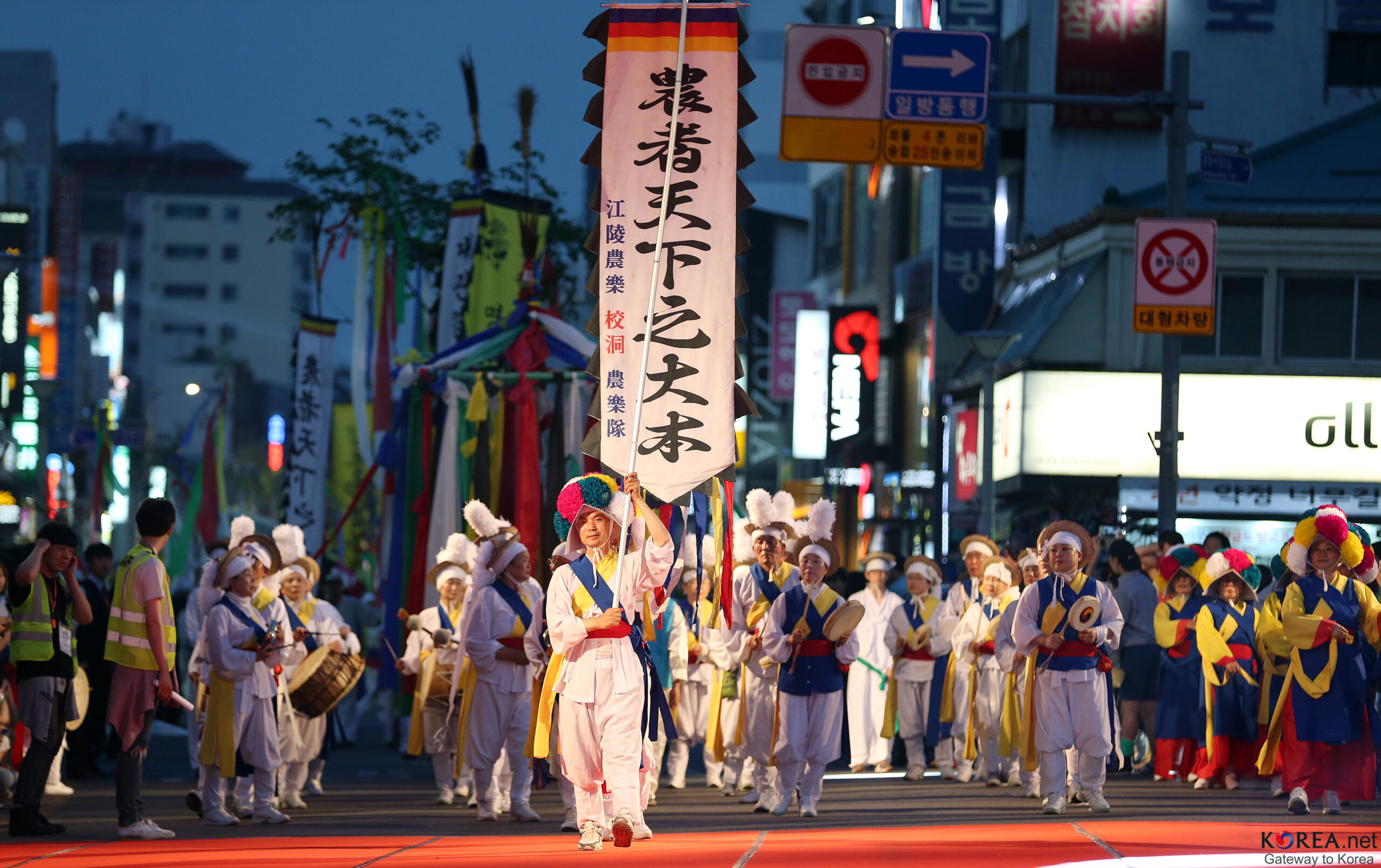
3. Gangneung Danoje Festival (강릉단오제) – June 15-22
Designated as a UNESCO Intangible Cultural Heritage, this historic festival preserves the traditional customs of the ancient Dano holiday. It is deeply rooted in Korean shamanism, agricultural history, and community prayers for a good harvest. The main events feature the Gwanno Mask Dance, which is a traditional non-verbal ritual pantomime, alongside elaborate shamanistic rituals honoring mountain deities and fierce competitive folk games.
💡 Local Note: Visitors can experience washing their hair in traditional changpo (iris) water, which is believed to bring good health and shiny hair. Make sure to taste surichwi rice cakes and immerse yourself in the vibrant, historical atmosphere of Korea’s largest traditional outdoor folk market. Based on past visitor evaluations, this festival ranks as the absolute highest for cultural authenticity and historical value.
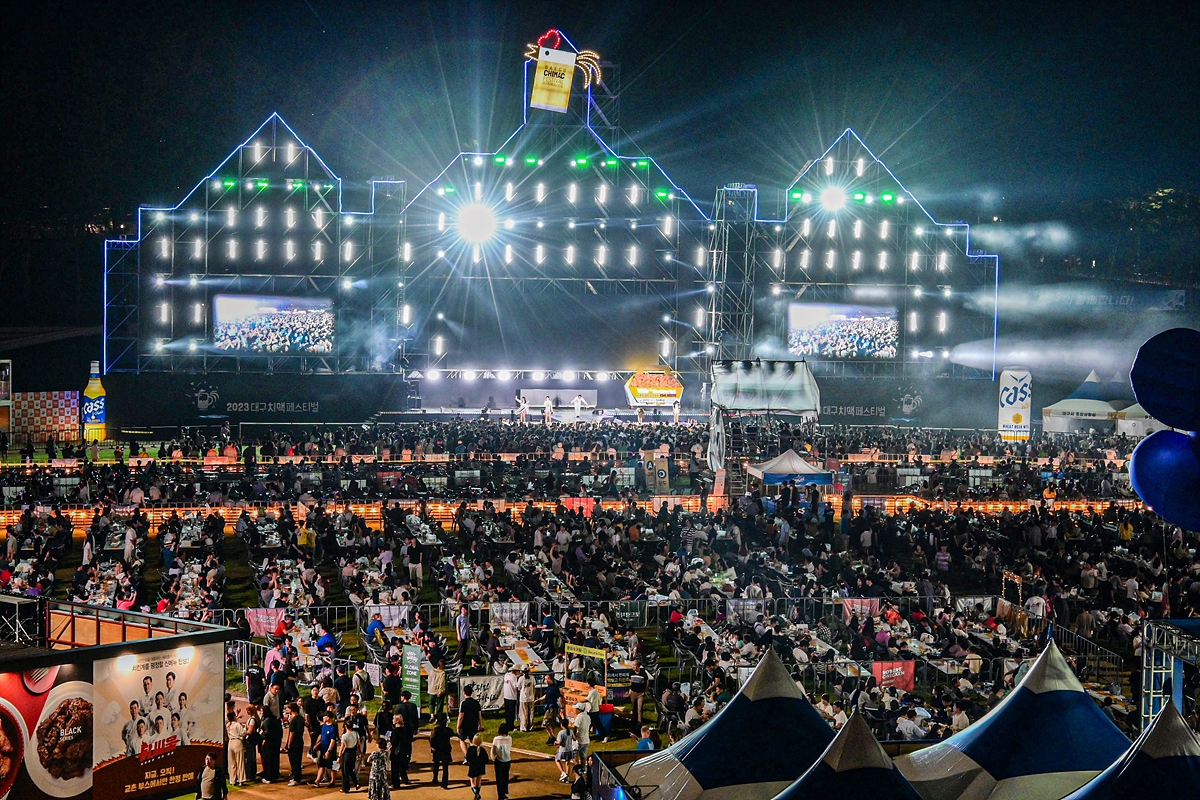
4. Daegu Chimac Festival (대구치맥페스티벌) – July 1-5
The term “Chimac” represents the legendary Korean pairing of fried chicken (chikin) and beer (maekju). Daegu, famously recognized as the historical birthplace of many major Korean fried chicken franchises, hosts this massive culinary celebration every July. The venue features endless chicken and beer tasting stalls, open-air ice-water footbaths, and live concerts featuring top hip-hop and EDM artists. You can beat the legendary Daegu summer heat by dipping your feet in freezing ice water while biting into crispy, authentic chicken and sipping a draft beer under vibrant neon lights. It is highly recommended for foodies and nightlife lovers.
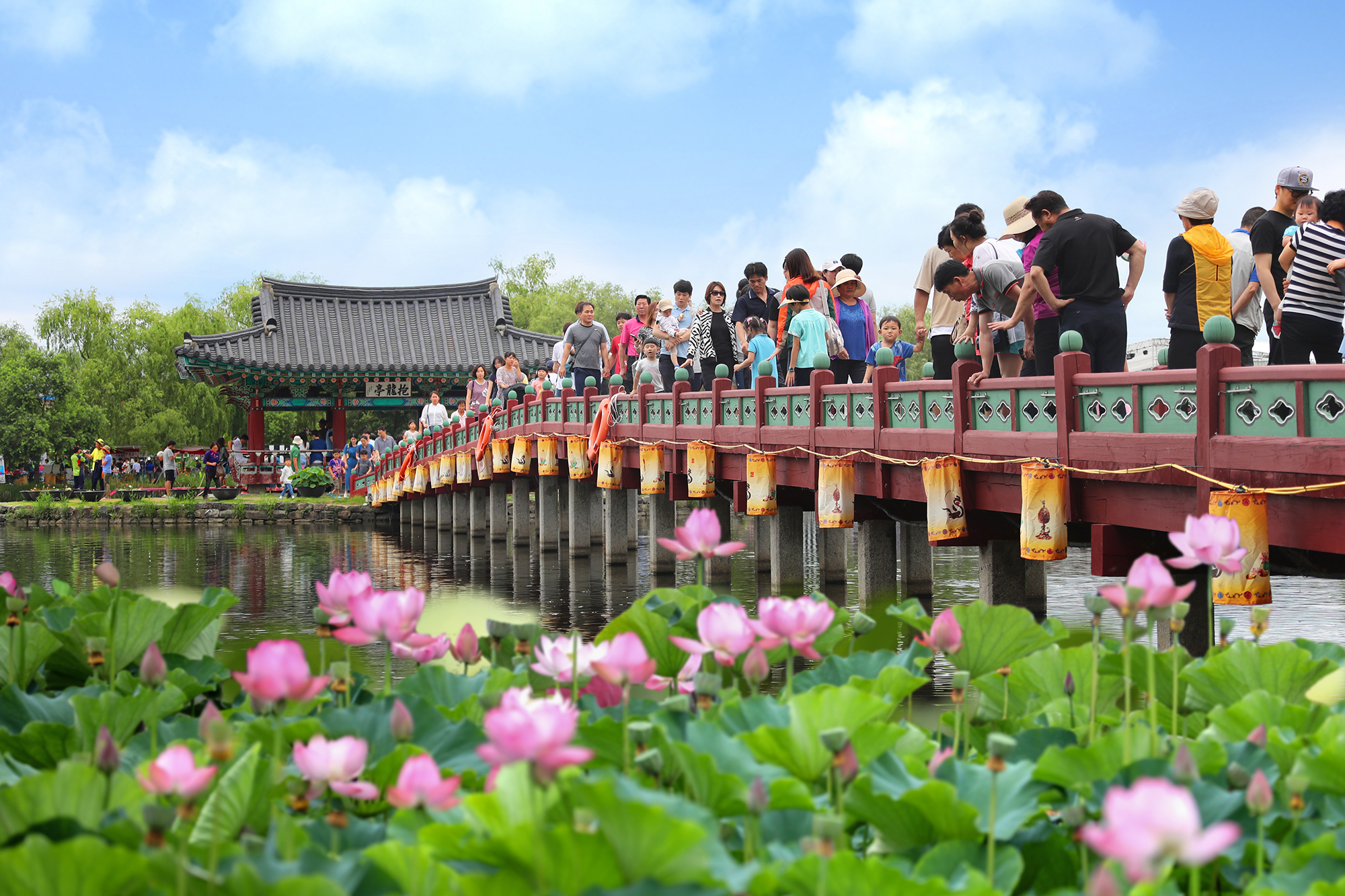
5. Buyeo Seodong Lotus Festival (부여서동연꽃축제) – July 3-5
Set in Gungnamji (궁남지), which is Korea’s oldest known artificial pond, this deeply romantic festival celebrates the blooming of millions of gorgeous lotus flowers. It honors the historical, legendary love story of King Mu of Baekje and Princess Seonhwa of Silla. Key highlights include spectacular nighttime media art projection shows across the water, traditional lotus leaf tea ceremonies, and classical music performances. Renting a small canoe to paddle through the massive, towering lotus pads during the daytime offers incredible photo opportunities, followed by a romantic evening stroll along illuminated lakeside trails. It holds a stellar recommendation rating for peaceful sightseeing.
6. Boryeong Mud Festival (보령머드축제) – July 17-26
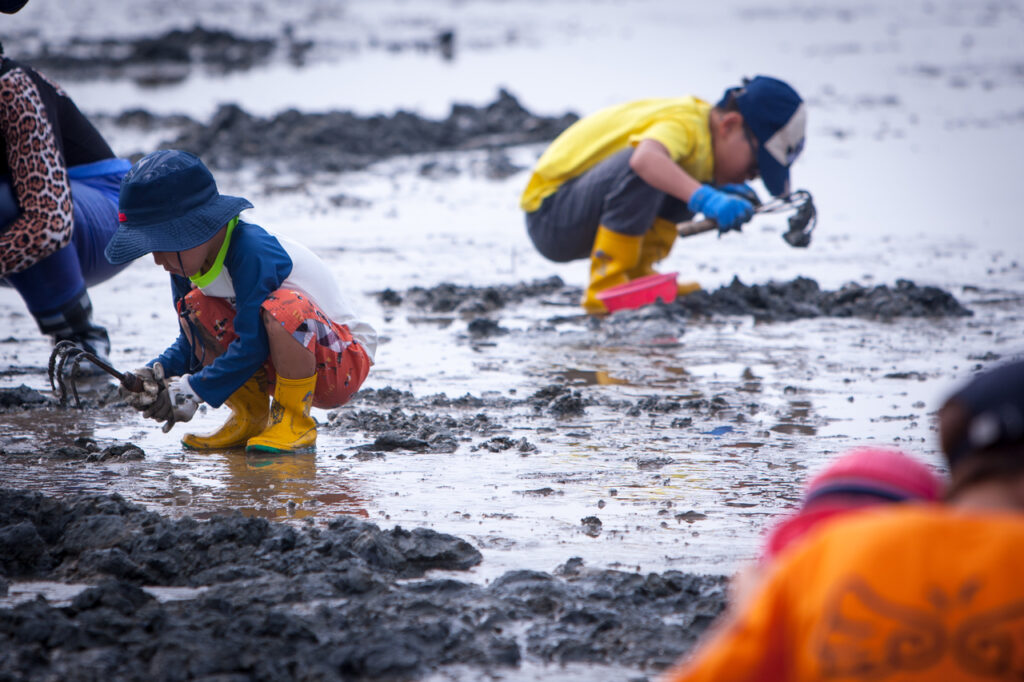
Arguably the most globally recognized festival in the country, this high-octane celebration promotes the skin-revitalizing benefits of Boryeong’s mineral-rich mud through a wild, party-like atmosphere. The beachside venue is packed with giant mud slides, mud wrestling pits, massive mud fountains, daytime K-pop concerts, and wild nighttime EDM beach parties. Local insiders advise leaving your inhibitions behind, getting completely covered from head to toe in grey mud, and joining thousands of international visitors dancing on Daecheon Beach (대천해수욕장). It remains the undisputed number-one recommended festival for international tourists seeking high energy and socializing.
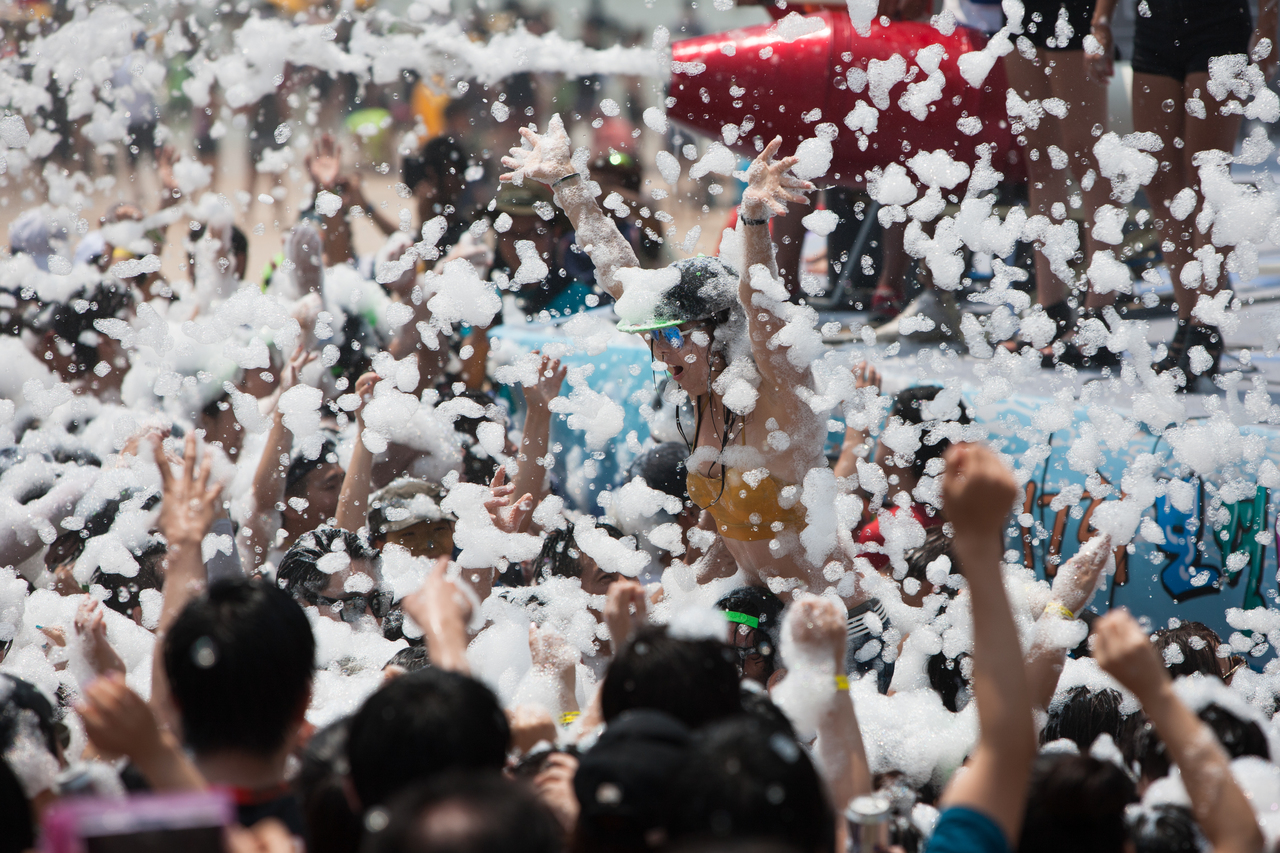
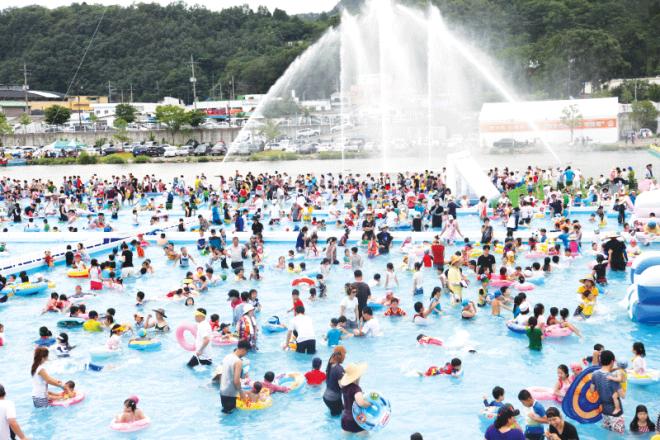
7. Jeongnamjin Jangheung Water Festival (정남진 장흥 물축제) – July 25-August 2
Utilizing the pristine, cool waters of the beautiful Tamjin River (탐진강), this refreshing regional festival is dedicated entirely to escaping the summer heat through interactive water games. The schedule features epic street water gun fights involving thousands of residents, barehanded fish catching competitions, and the massive “Water EDM Pool Party.” Travelers should arm themselves with a giant water gun for the opening street parade, try catching fast-swimming fish with their bare hands, and dance in the river pools during high-energy DJ sets. It is widely praised by past visitors as the most effective and affordable way to beat the July heatwave.
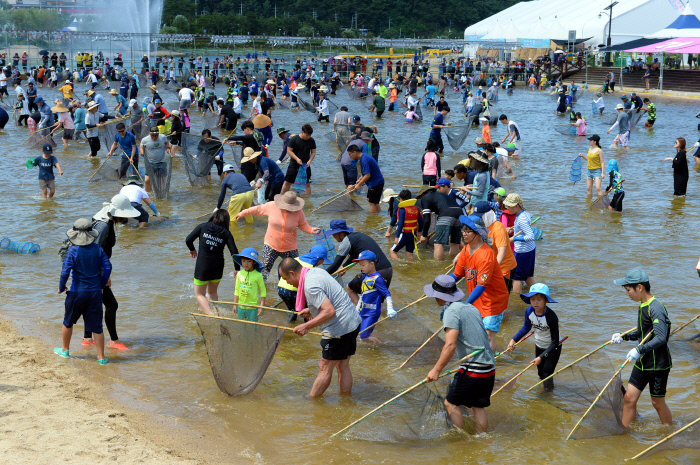
8. Bonghwa Eunuh (Sweetfish) Festival (봉화은어축제) – July 25-August 2
This highly eco-friendly festival takes place in the crystal-clear waters of the Naeseongcheon Stream (내성천), celebrating the time-honored summer tradition of catching Eunuh, a sweetfish species that exclusively thrives in grade-one pure water. Main events include thrilling barehanded sweetfish catching zones, net fishing competitions, and dedicated charcoal grilling stations set up along the banks. Chasing the incredibly quick, shimmering sweetfish through the cool stream currents provides unmatched excitement. Afterward, you can take your freshly caught bounty directly to the charcoal fires for a delicious, smoky treat right by the waterfront. It scores incredibly high for unique regional authenticity.
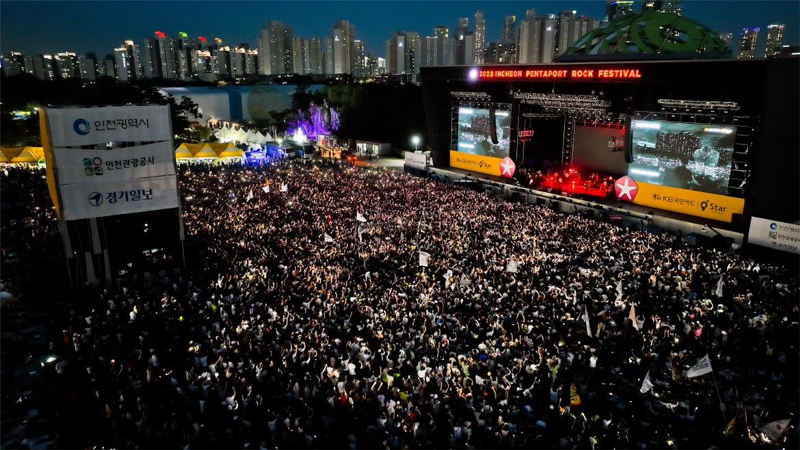
9. Incheon Pentaport Rock Festival (인천 펜타포트 락 페스티벌) – July 31-August 2
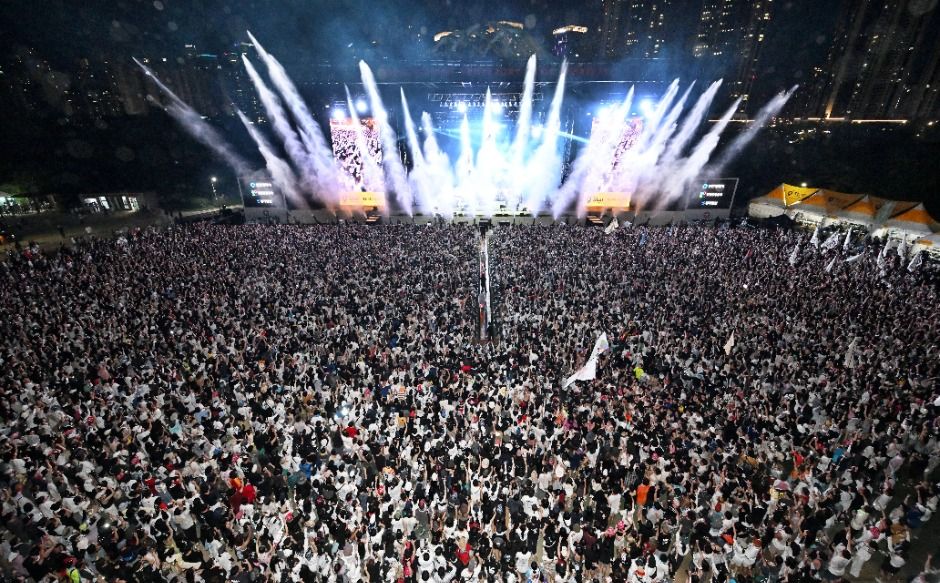
As one of South Korea’s largest and most historic live music events, Pentaport gathers tens of thousands of passionate rock and indie music enthusiasts for an unforgettable weekend of heavy riffs and vibrant youth culture. The festival features three straight days of live performances by top-tier global headliners and rising indie artists. Music fans love pitching a tent in the designated camping zone, joining the massive, energetic mosh pits, and experiencing the passionate energy of the local live music scene. It is highly recommended for anyone wanting to experience modern Korean festival subcultures firsthand.
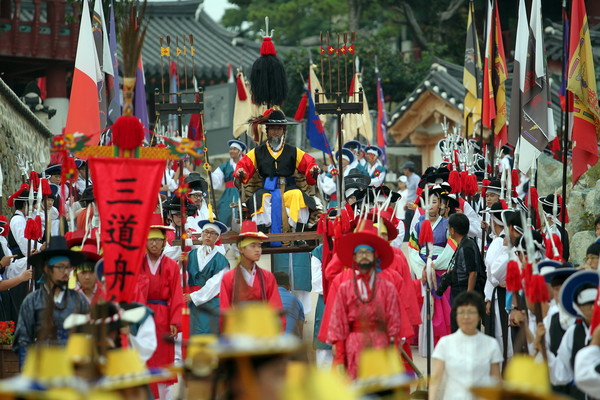
10. Tongyeong Hansan Battle Festival (통영한산대첩축제) – August 12-16
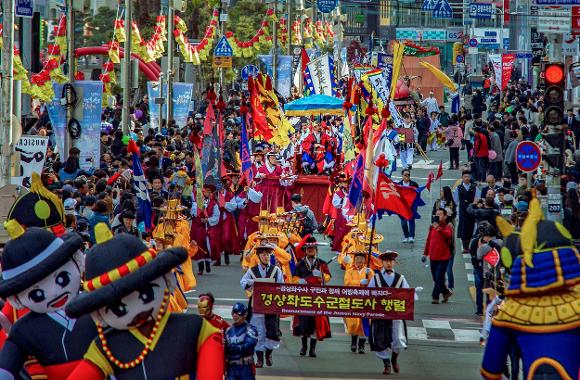
Taking place in the beautiful coastal city of Tongyeong (통영), this epic historical festival commemorates Admiral Yi Sun-sin’s legendary naval victory at the Battle of Hansan Island. The absolute highlight of the event is the spectacular, large-scale reenactment of the naval battle right on the open water. Armed with exceptional cultural content and a welcoming infrastructure for tourists, the Ministry of Culture, Sports and Tourism proudly named it one of the official “2026-2027 Cultural Tourism Festivals,” certifying it as a top-tier, must-visit historical event for late summer.
Crucial Survival Guide for the Korean Summer Heat
While the cultural events are spectacular, June, July, and August represent the hottest and most humid months in South Korea. July and August bring the peak of the monsoon season (jangma) followed by intense heatwaves, where temperatures frequently soar above 33 degrees Celsius (91 degrees Fahrenheit) with heavy humidity. To enjoy your festival tour safely, preparation is absolutely essential.
- Sunscreen (선크림): A high-SPF, water-resistant sunscreen is mandatory. The summer sun near coastal festival grounds like Boryeong or Busan is intense, and frequent reapplication is necessary, especially after sweating or participating in water fights.
- Portable Hand Fans (손풍기): These small, battery-operated handheld electric fans are an absolute staple of survival. You will see almost every local holding one on subways and at outdoor venues. They can be easily purchased at any convenience store or local Daiso outlet upon arrival.
- Traditional Fans (부채): For a classic touch, pick up a beautiful, sturdy traditional Korean paper fan at a local souvenir shop or traditional market. They are lightweight, require no batteries, and double as an excellent cultural keepsake.
- Hats and Sun Caps (선캡): Wide-brimmed hats or the highly popular local adjustable sun caps (sun caps that shade the entire face) are highly recommended to protect your eyes and skin during long hours of outdoor festival viewing.
Discover More Festivals and Event Highlights
Exploring the country’s diverse seasonal offerings provides a profound look into the heart of local communities. For a broader view of the country’s year-round event highlights, check out our comprehensive guide on the Top 20 Korean Festivals Every Traveler Should See.
Additionally, if you want to check up-to-date regional schedules, active festival guides, and find out about the latest pop-up stores opening across the country, you can browse through the dedicated What’s on menu on KCulture.com to easily stay informed during your trip.
Korean Culture portal KCulture.com

Founder of Kculture.com and MA in Political Science. He shares deep academic and local insights to provide an authentic perspective on Korean history and society.