South Korea travel trends in 2026 are defined by a shift from simple sightseeing to “immersive living.” Based on analyzed visitor data from 2025, while Seoul remains the top destination for 77.3% of travelers, the real story is the diversification of experiences—from hunting for pop-up stores in Seongsu-dong to seeking “digital detox” in traditional Hanok stays. Travelers are now prioritizing personal taste over famous landmarks, mixing high-energy K-Pop pilgrimages with quiet, reflective moments in nature.
If you are planning a trip this year, you might be overwhelmed by how fast trends change here. As a local insider, I’ve broken down the confirmed statistics from 2025 and curated specific itineraries to help you find your rhythm. Whether you want to order delivery food like a local or hike a mountain peak for the sunrise, this guide connects the data to real-world experiences.
- The 2026 Korea Travel Landscape: Analysis of 2025 Data
- The Hottest Spots: Where the Crowds Are
- Must-Do Experiences: Temple Stays & Easy Hiking
- Tailored Recommendations: Choose Your Journey
The 2026 Korea Travel Landscape: Analysis of 2025 Data
According to the 2025 settlement data from the Ministry of Culture, Sports and Tourism and the Korea Tourism Organization, the travel map of Korea is becoming clearer. Seoul is the overwhelming favorite, but regional travel is growing for those seeking specific themes like nature or history.
| Rank | Region | Visit Share (2025) | Key Characteristics |
|---|---|---|---|
| 1st | Seoul (서울) | 77.3% | The absolute center for shopping, K-food, and pop culture. |
| 2nd | Busan (부산) | 16.4% | Famous for Haeundae Beach (해운대) and cultural villages. |
| 3rd | Gyeonggi (경기) | 14.0% | Day trips to Everland, Gapyeong, and the DMZ. |
| 4th | Jeju (제주) | 10.5% | Preferred for nature landscapes and cruise stopovers. |
The Hottest Spots: Where the Crowds Are
Based on the foot traffic data from 2025, these are the neighborhoods and cities that defined Korean tourism. If you want to be where the action is, these are your destinations.
1. Myeong-dong (Seoul): The Revival of K-Beauty
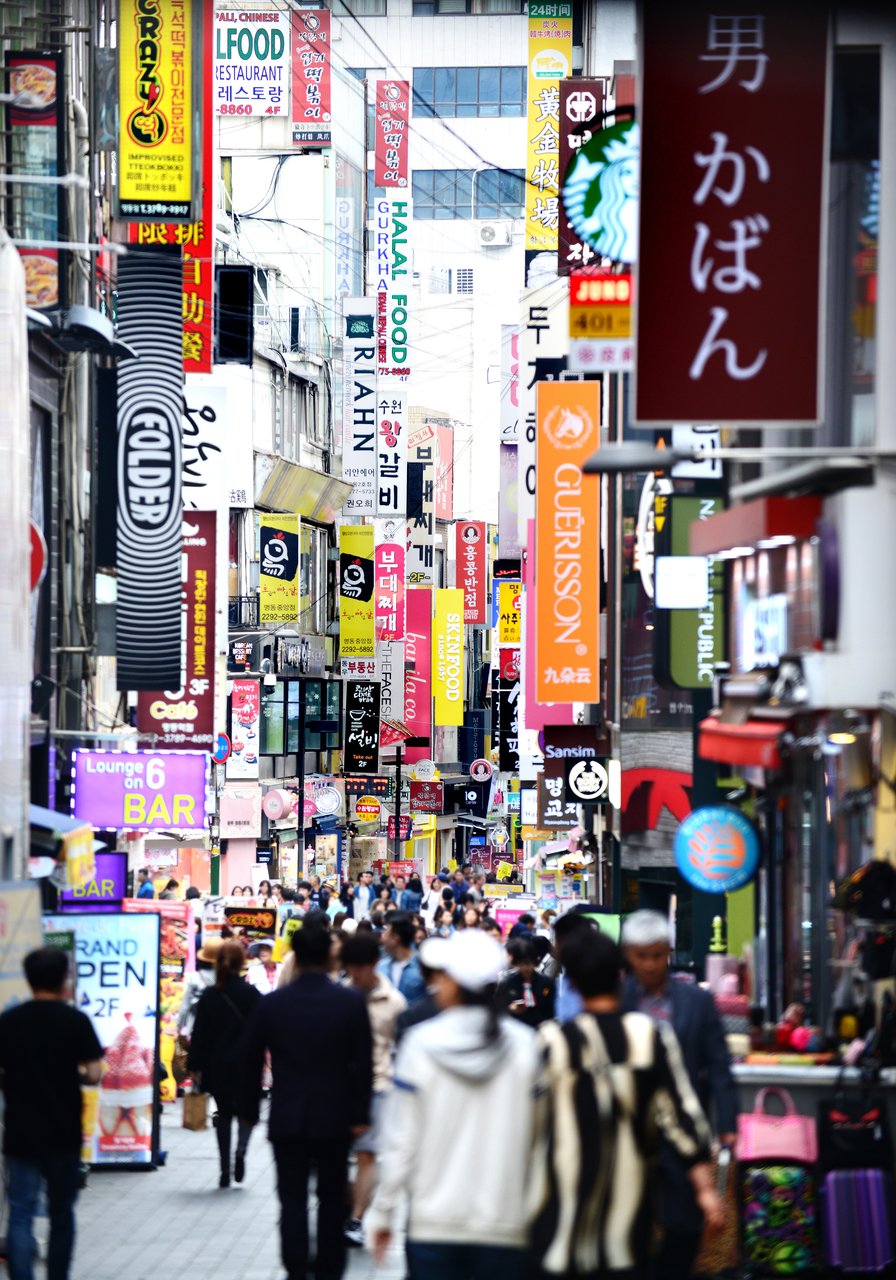
Ranking 1st in Seoul, Myeong-dong (명동) has fully recovered its status as the K-Beauty capital. It’s not just about shopping; it’s about the street food stalls lining the center and the flagship stores offering skin analysis. For a detailed breakdown of what to eat and buy here, check out our guide on Myeongdong Magic: Your Ultimate Deep-Dive Guide.
2. Hongdae & Seongsu (Seoul): Youth & Pop-ups
Hongdae (홍대) recorded about 3.4 million visitors in the first half of 2025 alone. It remains the epicenter of busking, nightlife, and indie fashion. If you are planning a night out here, read 2026 Hongdae Mastery: Shopping and Hotspots.
Meanwhile, Seongsu-dong (성수동) has become the “Pop-up Store Holy Land.” Every week, new limited-time spaces open, featuring everything from luxury brands to K-pop idols. Finding information on these fleeting events can be tricky.
💡 Pro Tip: You can find the latest schedules for pop-up stores and local festivals by searching on Naver (the local search engine) or by checking the What’s On section at KCulture.com.
Must-Do Experiences: Temple Stays & Easy Hiking
Travel in 2026 is less about “seeing” and more about “doing.” Two experiences stand out for being accessible yet profoundly Korean.
1. Temple Stay: Finding Inner Peace
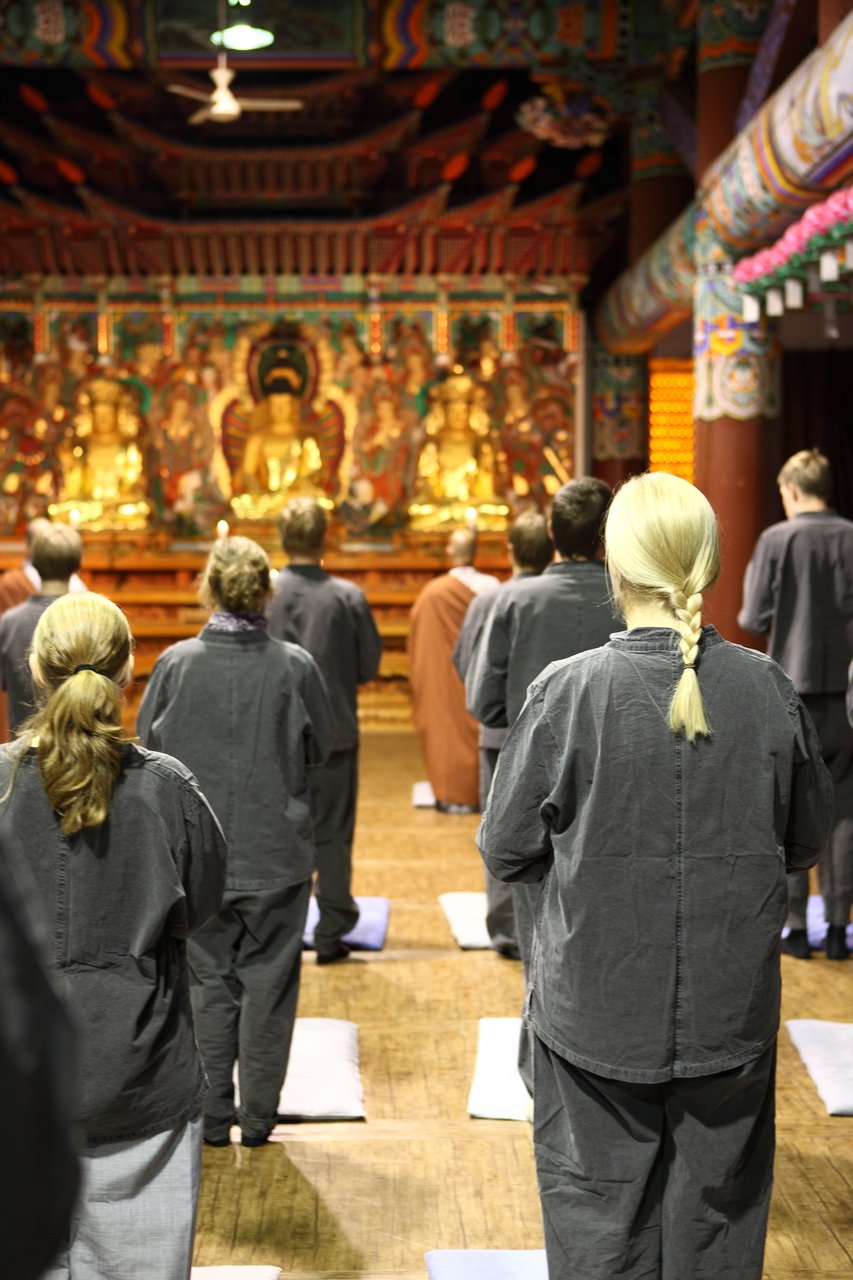
You don’t need to be a Buddhist to enjoy a Temple Stay. Programs range from a few hours (tea ceremony and tour) to an overnight stay where you wear simplistic monk clothing, eat monastic vegan meals (Barugongyang), and participate in meditation. It is a perfect way to reset your mind from the busy city. Popular accessible temples include Jogyesa in Seoul or Bulguksa in Gyeongju. Learn more about booking and etiquette in our article: Find Your Inner Peace: A Korea Templestay.
2. Accessible Hiking (K-Trekking)
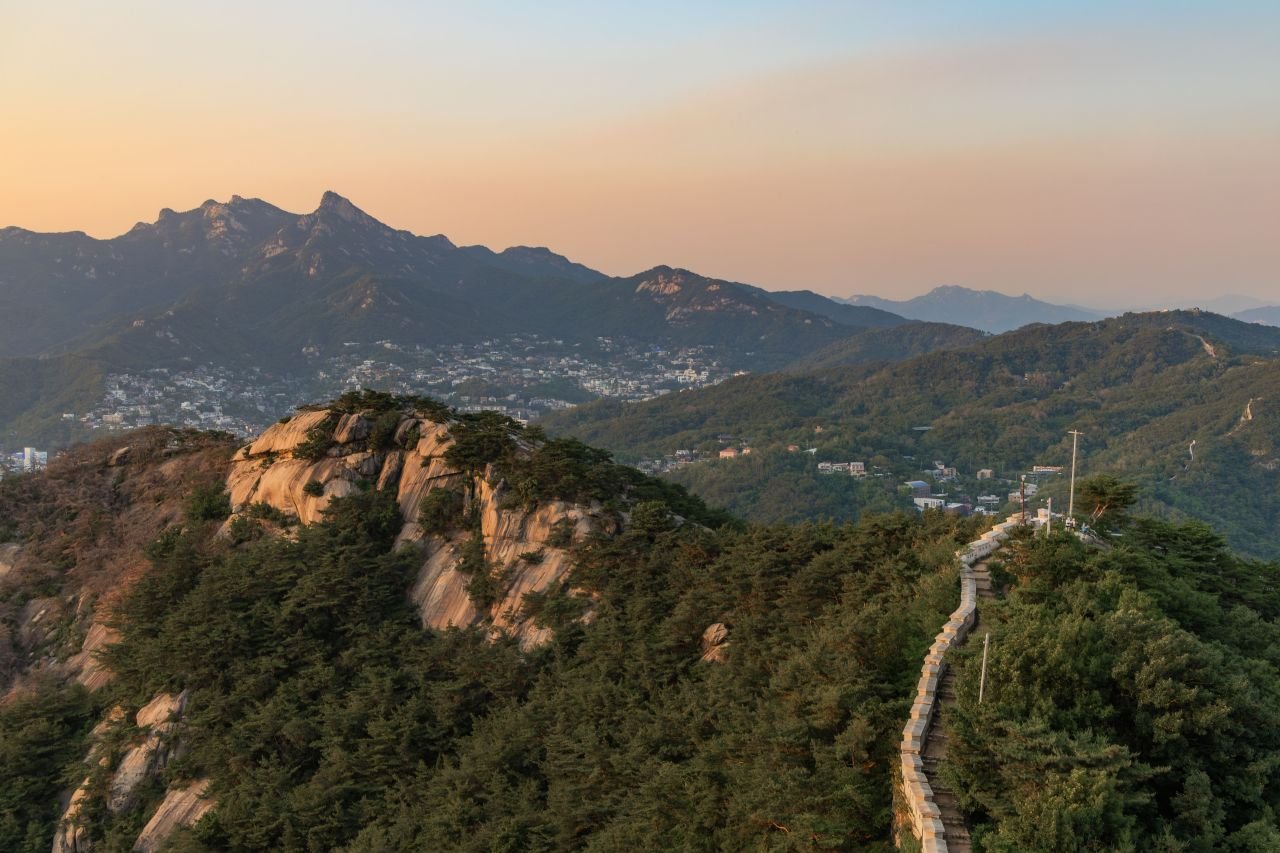
Koreans love hiking, and you don’t need to be an expert. A “half-day course” is a popular trend. Inwangsan (인왕산) in Seoul offers spectacular views of the city walls and can be hiked in under two hours with regular sneakers. Afterward, enjoying Makgeolli (rice wine) and Pajeon (scallion pancake) at the base of the mountain is an essential part of the culture. Read about the best trails here: The Korean Hiking Playbook: Peaks, Picnics, Makgeolli.
Tailored Recommendations: Choose Your Journey
Don’t just follow the crowd. Select the destination that fits your personal travel style.
1. The History & Tradition Lover: Gyeongju & Jeonju
If you want to walk through time, Gyeongju (경주) is non-negotiable. Known as the “Museum Without Walls,” you can walk among giant ancient royal tombs at Daereungwon. See our full guide: Gyeongju: A Timeless Walk Through Korea’s Golden Era.
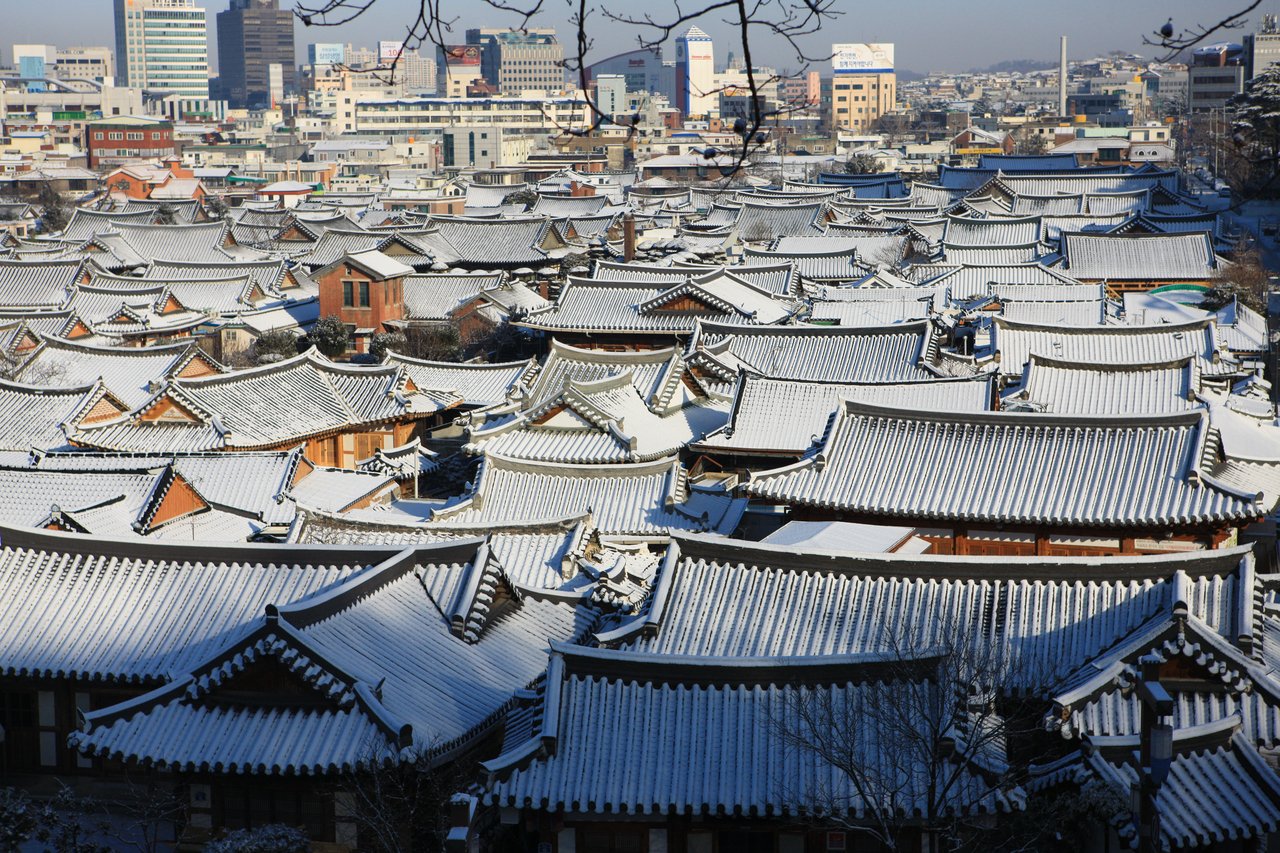
Jeonju Hanok Village (전주 한옥마을) offers an even more immersive traditional vibe. It is not just about looking at old houses; it is about sleeping in them.
- Stay in a Hanok: Experience sleeping on Ondol (heated floors) with traditional bedding. It’s surprisingly good for your back and very cozy in winter.
- Food Culture: Jeonju is the UNESCO City of Gastronomy. Beyond the famous Bibimbap, try the modern fusion street food like the “Gilgeoriya” baguette burger or the handmade Choco Pies.
- Craft Experiences: You can visit the Hanji (Korean paper) museum to make your own paper lamps, fans, or mirrors. It’s a hands-on way to understand the durability and beauty of Korean paper.
For a deeper dive into prices and history, read: Jeonju Hanok Village Guide: History, Food, and Local Prices.
2. The Nature & Healing Seeker: Jeju Island
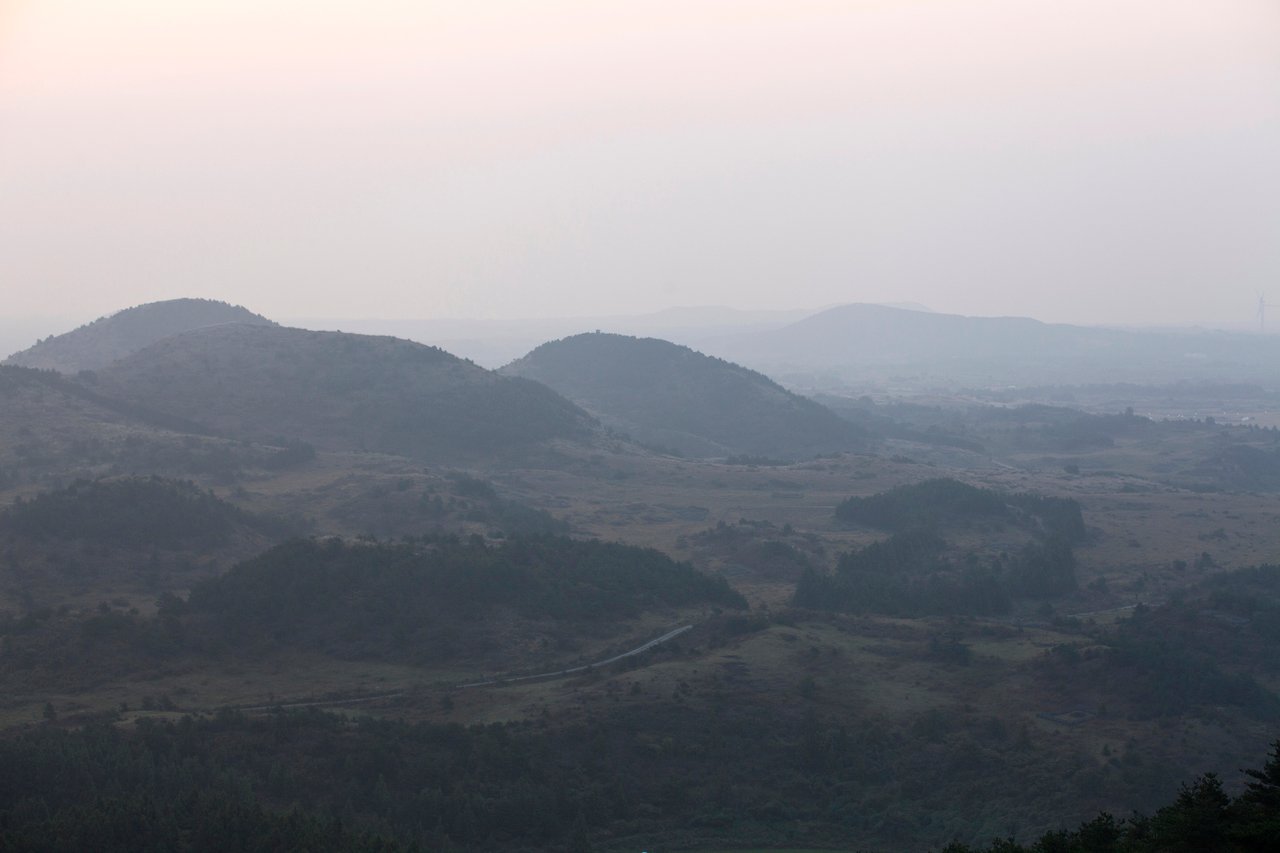
For fresh air and volcanic landscapes, Jeju Island (제주도) is the top choice. In 2025, travelers flocked here not just for the Hallasan hike but for the cafe culture along the coast.
- Healing Spots: Walk the Olle Trails (walking paths) that circle the island. They are flat, well-marked, and pass through tangerine farms and ocean cliffs.
- Forest Bathing: Visit the Bijarim Forest to walk among 800-year-old nutmeg trees.
If you are unsure where to stay or which coast is best for you, check this essential guide: Jeju Travel: Where to Stay and Go (for Every Traveler Type).
3. The “K-Life” Explorer: Living Like a Local
This style is for those who want to experience the daily joy of living in Korea. It’s not about sights; it’s about lifestyle.
- Delivery Food Challenge: You haven’t truly arrived until you’ve ordered chicken to your accommodation or a picnic mat at the Han River. Most delivery apps now support foreign cards, or you can use hotel concierge services.
- 1-Day-1-Pack (1일 1팩): Do as the locals do and buy a stack of sheet masks from Olive Young. Apply one every night of your trip to combat travel fatigue and dry hotel air.
- Coin Karaoke (Coin Noraebang): Enter a small booth for just 1,000 KRW (two or three songs) and sing your heart out. It’s a stress-relief ritual for many Korean students and workers.
4. The Unique Adventure: The DMZ
For a history lesson you can’t get anywhere else on earth, a trip to the Demilitarized Zone is essential. It requires advance planning. How to Visit the Korean DMZ in 2026: Fees & Booking Guide.

Korean Culture portal KCulture.com

The KCulture Editorial Team is dedicated to providing deep insights and accurate information about the vibrant world of Korean culture.