Introduction & Synopsis
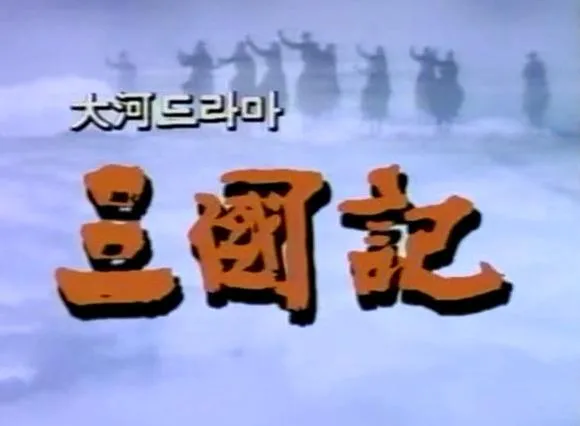
Before the polished sheen of modern K-dramas, there were epics forged in the grand tradition of historical storytelling. The Chronicles of the Three Kingdoms (삼국기) is one such pillar of the genre—a quintessential daeha sageuk (grand historical drama) that chronicles one of the most pivotal moments in Korean history: the struggle for dominance and eventual unification of the Korean peninsula during the Three Kingdoms era. The narrative centers on the monumental clash between legendary historical figures such as Kim Yushin of Silla, the brilliant strategist who helped lead Silla’s rise, and Gyebaek, the last great general of Baekje, who fought to defend his kingdom against overwhelming odds. Broadcast on KBS1 from 1992 to 1993, the series delivered a sweeping and serious portrait of war, politics, and state-building in ancient Korea.
Deep Cultural/Historical Insight
To understand The Chronicles of the Three Kingdoms is to understand one of the foundational narratives of Korean history. For centuries, the peninsula was divided among three rival kingdoms: Goguryeo in the north, Baekje in the southwest, and Silla in the southeast. The drama portrays not only military conflict but also the competing political visions and cultural identities of these states.
The series explores the complex legacy of Silla’s eventual unification of much of the peninsula through its alliance with Tang China. Korean historians have long debated whether this alliance was a strategic necessity or a compromise that weakened indigenous sovereignty. By engaging with these themes, the drama provides historical depth beyond simple battlefield heroics.
Importantly, Samgukgi is also remembered as the first major Korean TV historical drama to fully depict the Three Kingdoms period on such a large scale, making it a landmark production in Korean television history.
Narrative Analysis
Unlike many contemporary historical dramas that incorporate romance-heavy or fictionalized subplots, The Chronicles of the Three Kingdoms maintains a stern and traditional historical tone. Its storytelling style is often described as “thick-lined” (선 굵은 서사)—bold, weighty, and centered on political leadership, military campaigns, and the burden of historical destiny.
The drama emphasizes statecraft, loyalty, sacrifice, and the human cost of unification. Rather than relying on melodramatic twists, the narrative derives its power from the inevitability of historical events and the tragic grandeur of its characters.
The Pulse of the Time
When it aired between 1992 and 1993, The Chronicles of the Three Kingdoms received significant critical attention for its ambitious scale and historical subject matter. The production reinforced KBS’s reputation for serious historical epics and helped shape the direction of Korean television sageuk throughout the 1990s.
Although its production style may feel restrained by modern standards, the series was widely respected for its educational value, large-scale battle depictions, and commitment to portraying historical figures with gravity and dignity.
Cast Spotlight
The drama’s legacy is inseparable from its commanding performances, many of which remain closely associated with these historical figures.
- Seo In-seok as Kim Yushin: Seo In-seok portrays Kim Yushin as a disciplined and pragmatic statesman-general whose long-term vision ultimately shapes Silla’s path toward unification.
- Kil Yong-woo as Gyebaek: Kil Yong-woo delivers one of the drama’s most emotionally resonant performances as the loyal Baekje general Gyebaek, embodying the tragic dignity of a commander fighting for a doomed kingdom.
- Jo Kyung-hwan as Yeon Gaesomun: Jo Kyung-hwan portrays the formidable Goguryeo strongman Yeon Gaesomun with imposing authority, representing the military power and internal tensions of Goguryeo during its final decades.
Global Viewing Guide
Finding this early-1990s historical epic can still be difficult for international viewers, but several official Korean platforms occasionally provide access to archival material, clips, or rebroadcasts.
- KBS official platforms and archival channels: KBS periodically uploads clips and selected classic drama content through official online channels.
- KOCOWA: As a streaming platform specializing in Korean broadcast content, KOCOWA may occasionally feature classic KBS historical dramas depending on licensing availability.
- Wavve: In South Korea, Wavve remains one of the primary streaming platforms for older KBS television archives.
Final Verdict
The Chronicles of the Three Kingdoms is not a casual viewing experience; it is a dense, solemn, and historically ambitious epic. For viewers seeking to explore the deeper roots of Korean historical storytelling—and the foundational conflicts that shaped the Korean nation—it remains an important and influential work in the history of Korean television drama.

The KCulture Editorial Team is dedicated to providing deep insights and accurate information about the vibrant world of Korean culture.