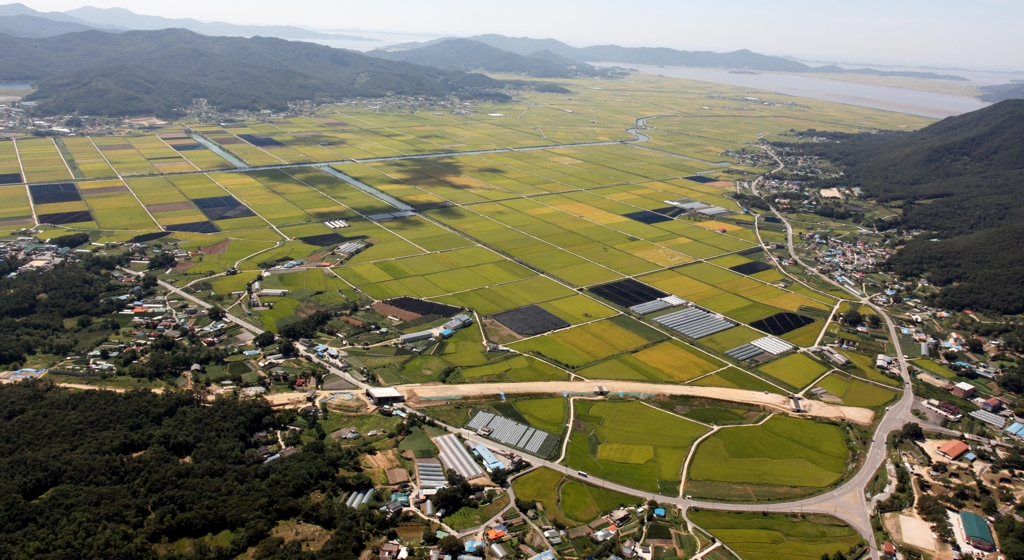
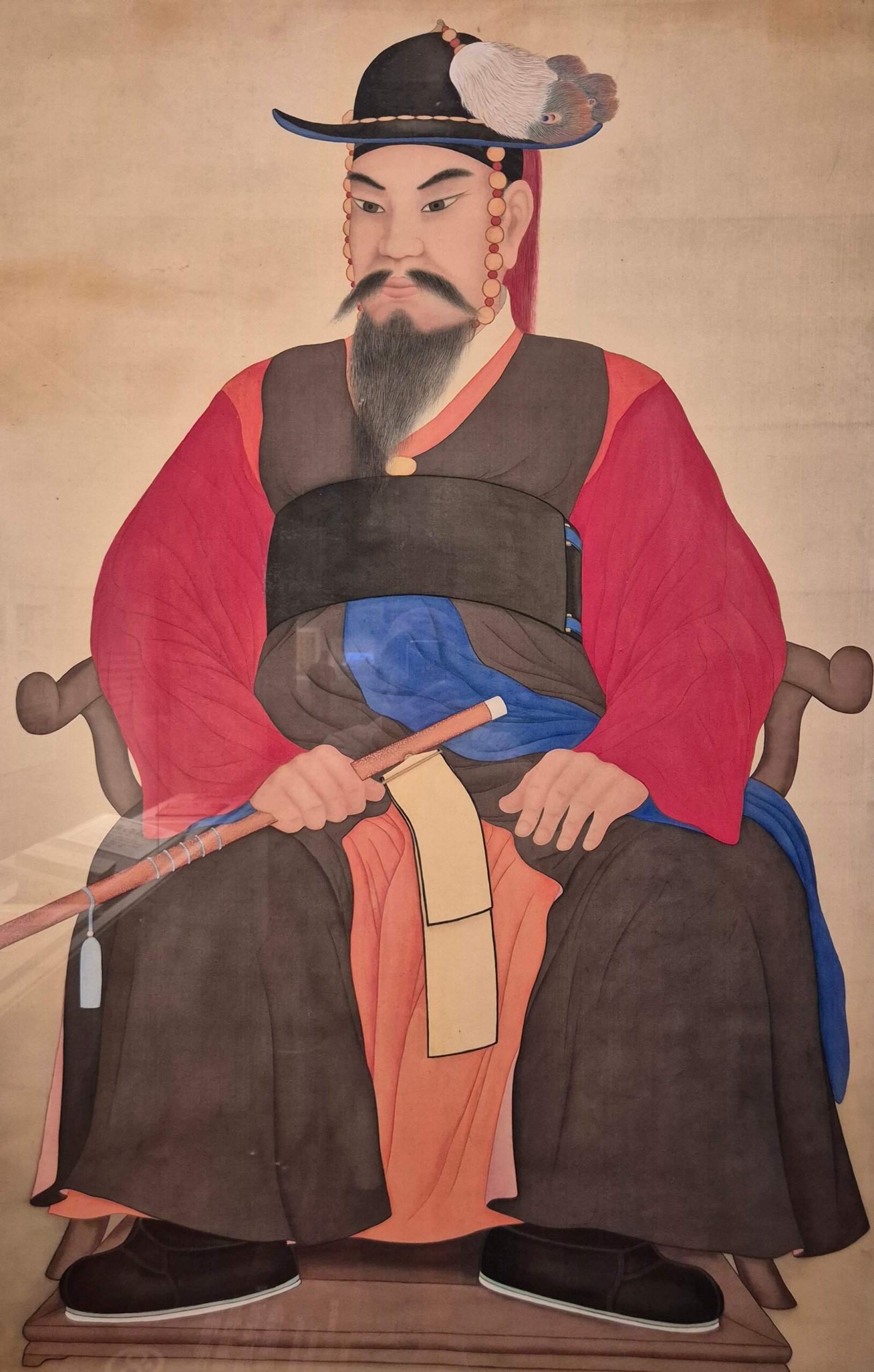
Admiral Yi Sun-sin (이순신) is Korea’s most iconic naval hero, an undefeated commander who secured 23 consecutive victories against the Japanese fleet during the Imjin War (1592–1598). As of February 2026, his legacy remains more vibrant than ever, with his legendary Long Swords recently elevated to National Treasure status and historical sites restored to their full glory. For anyone seeking to understand the “Unbreakable Spirit” of Korea, the life and tactical genius of Admiral Yi offer a profound and inspiring journey.
As a local living in Korea, I can tell you that Admiral Yi is not just a figure in a textbook; he is a source of national strength. Whether it is through the latest AI-driven exhibits at his shrines or the remastered movie trilogies on streaming platforms, his story continues to evolve. In this guide, I will walk you through his incredible life, the diverse historical records from across East Asia, and the best ways to experience his legacy today.
- The Life of an Invincible Legend: 23 Victories, 0 Losses
- Records of Greatness: Korea, China, and Japan’s Perspectives
- The Living Legacy: Why He Remains Korea’s Ultimate Hero
- Yi Sun-sin in 2026 Media: Movies, Dramas, and New Series
- Exploring History: Updated Guide to Major Historical Sites
The Life of an Invincible Legend: 23 Victories, 0 Losses
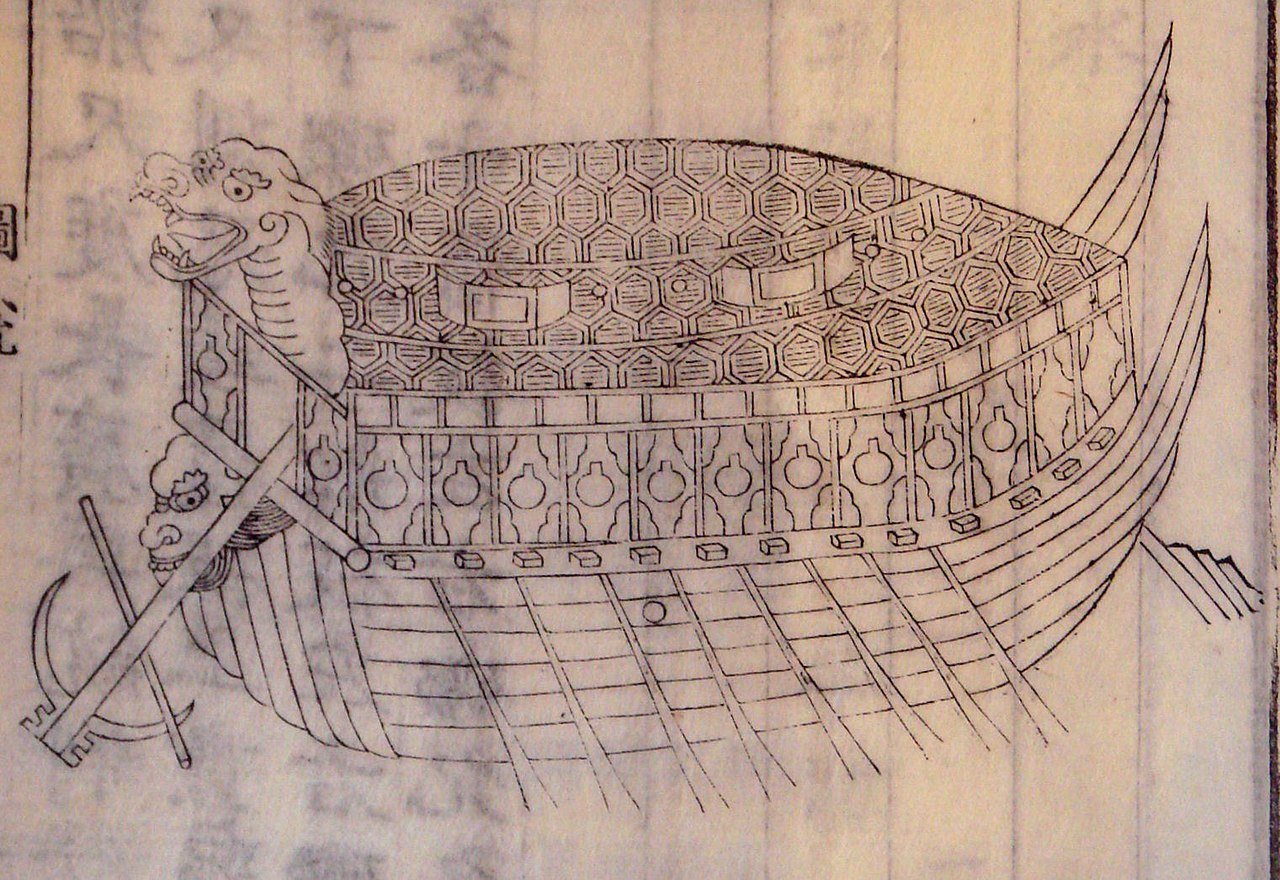
Admiral Yi Sun-sin was born in 1545 in Hanseong (modern-day Seoul). His path was never easy; he entered military service late at 32 and was frequently sidelined by political rivals. However, his foresight led him to strengthen the navy and perfect the Geobukseon (거북선), or the “Turtle Ship,” long before the war began. This iron-clad vessel, featuring a spiked roof and multi-directional cannons, became the nightmare of the Japanese navy.
Admiral Yi Sun-sin achieved a legendary record of 23 consecutive victories, among which three specific naval battles are hailed as the most brilliant highlights of his illustrious career.
The Crane Wing: The Battle of Hansan (1592)
Early in the war, Admiral Yi demonstrated his tactical brilliance at the Battle of Hansan (한산대첩). Faced with a formidable Japanese fleet, he executed the famous “Crane Wing” (Hakik-jin) formation. By feigning a retreat, he lured the enemy into open waters before suddenly surrounding them in a semi-circular pincer movement. This decisive victory neutralized the Japanese navy’s momentum and secured control of the southern seas, cutting off the enemy’s vital supply lines.
The Miracle of Myeongnyang (1597)
Perhaps his most famous feat was the Battle of Myeongnyang (명량대첩). After being stripped of his rank and later reinstated, Yi found the Korean navy in ruins. He faced 133 enemy warships with only 13 remaining Korean vessels.
“Your Majesty, I still have twelve ships… As long as I am alive, the enemy will not dare to look down on us.”
Using the narrow, turbulent straits and his profound knowledge of tidal currents, he turned certain defeat into a miraculous victory, proving that strategic positioning and indomitable will could overcome impossible odds.
The Final Sacrifice: The Battle of Noryang (1598)
The seven-year conflict reached its thunderous conclusion at the Battle of Noryang (노량해전). As the Japanese forces attempted to retreat, Admiral Yi led a combined fleet to ensure they could never return. In the heat of the final engagement, he was struck by a stray bullet. Even in his final moments, his primary concern was the morale of his men. His legendary final words—“The battle is at its height. Do not let the enemy know of my death”—shielded his soldiers from despair, leading them to a final, crushing victory that ended the war.
Admiral Yi Sun-sin remains a symbol of courage and tactical genius. From his early days on the northern border to his final breath at Noryang, he lived and died as a guardian of his people, leaving behind a maritime legacy that is still studied by military leaders worldwide today.
Records of Greatness: Korea, China, and Japan’s Perspectives
The historical significance of Admiral Yi is documented not only in Korea but also in the archives of Ming China and Japan. These records provide a balanced and awe-inspiring view of his capabilities.
| Source Country | Key Record & 2026 Insights |
|---|---|
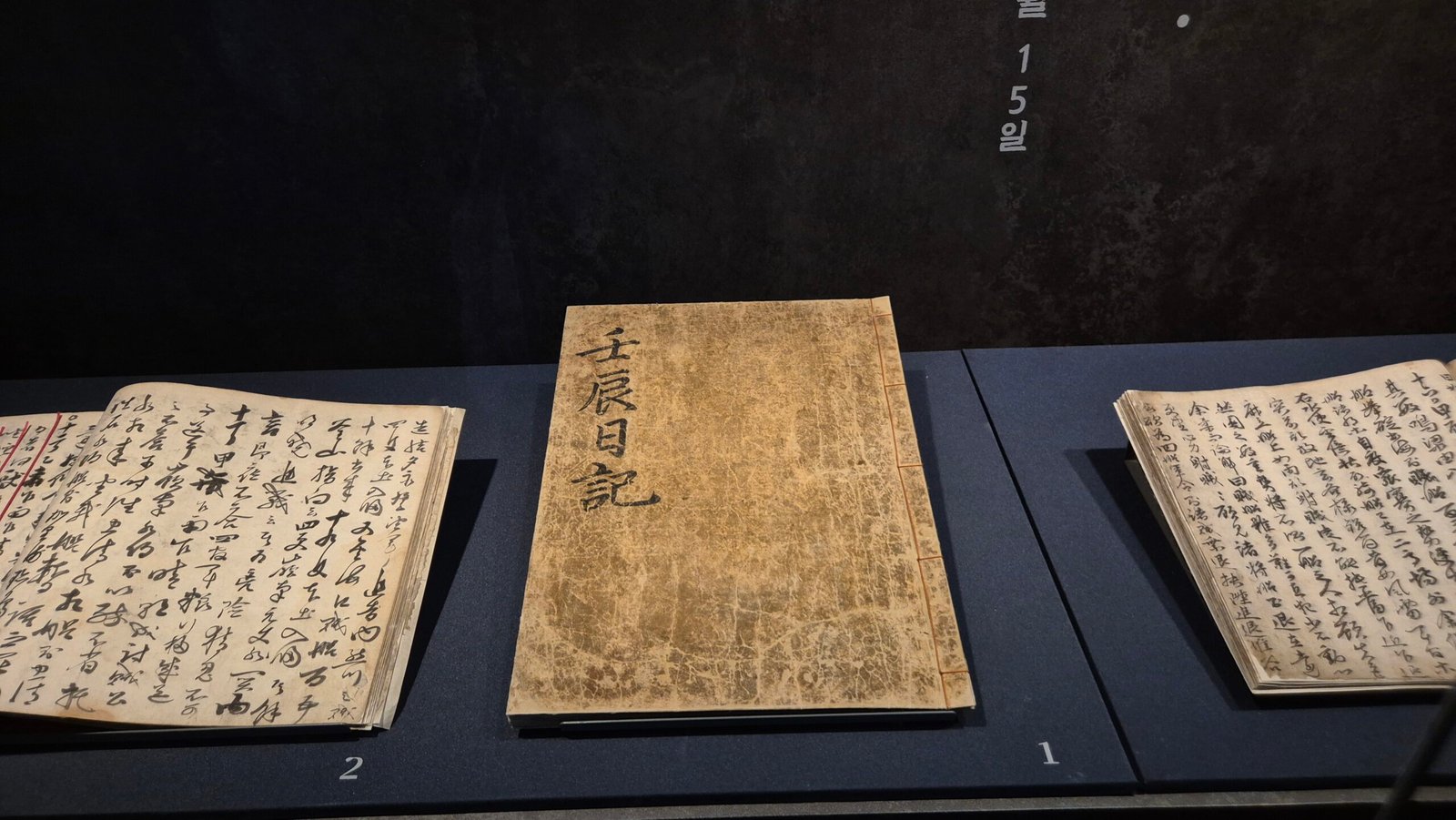
| Korea (Joseon) | Nanjung Ilgi (난중일기): A UNESCO World Heritage war diary. In 2026, AI-based linguistic analysis has revealed even deeper human nuances about his leadership and empathy for his soldiers. |
| China (Ming) | History of Ming (明史): Chinese Admiral Chen Lin described Yi as a genius who “manipulated the heavens and earth.” The Ming Emperor’s Eight Gifts (Palsapum) remain symbols of his international recognition. |
| Japan (Edo/Modern) | Records like Waki-zaka Ki document the terror he instilled in his enemies. Modern Japanese naval scholars continue to study his tactics, with many echoing Admiral Togo Heihachiro’s praise that Yi was superior to Lord Nelson. |

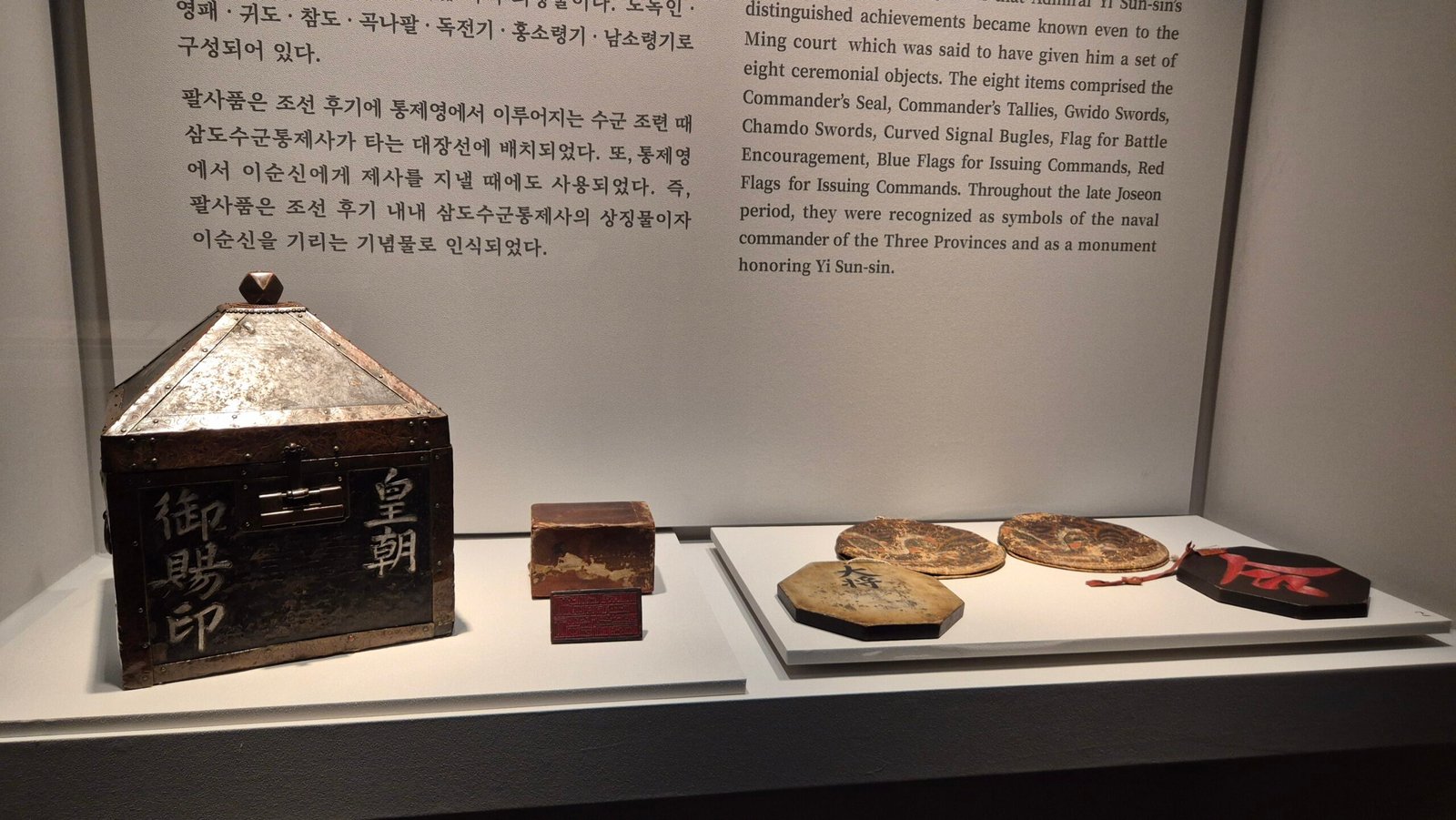
The Living Legacy: Why He Remains Korea’s Ultimate Hero
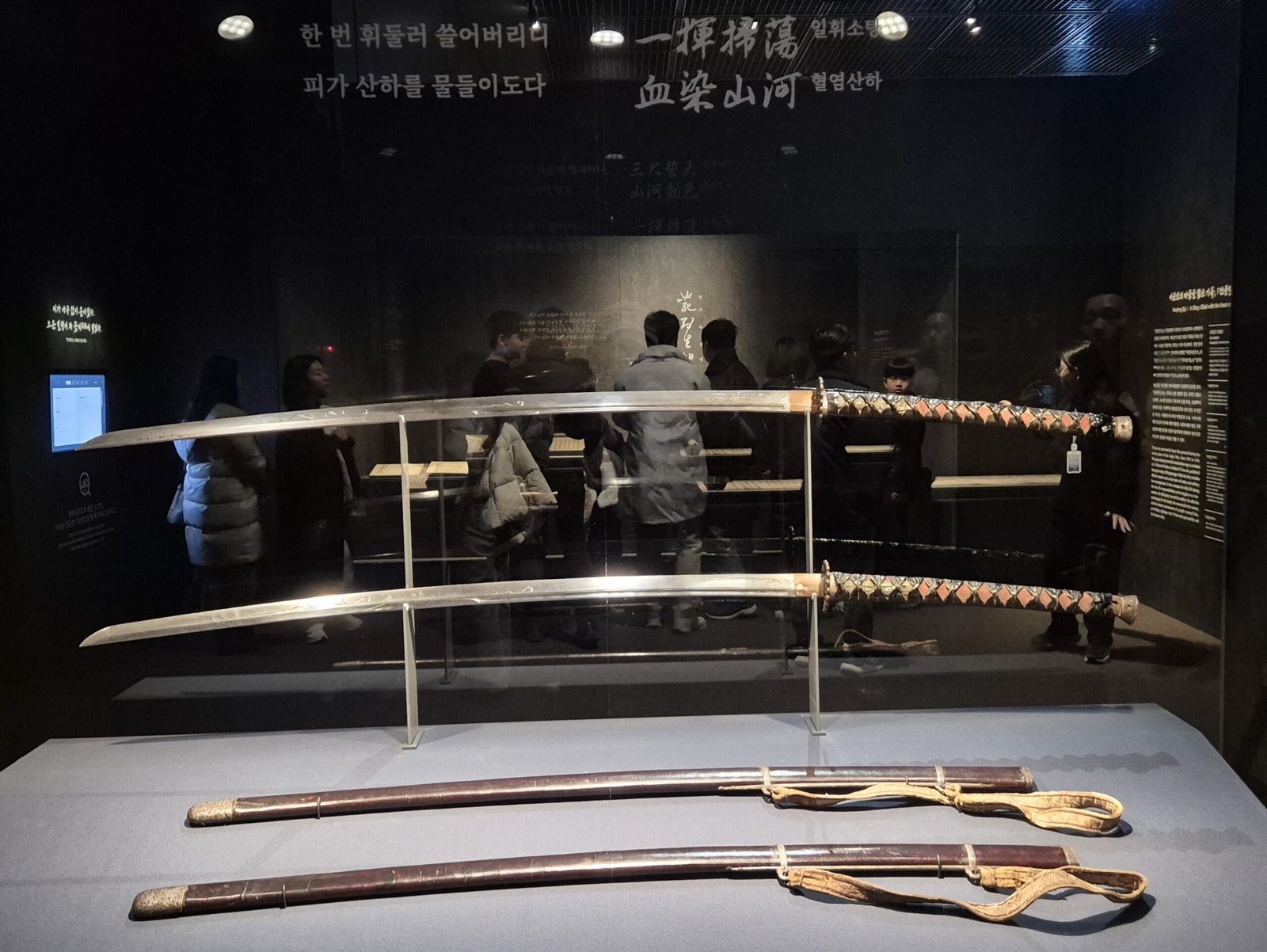
In 2026, Admiral Yi is more than a statue in Gwanghwamun Square (광화문광장). He represents Chung (충), or absolute loyalty—not to a king, but to the people. A significant update for history enthusiasts: the two Long Swords of Admiral Yi (이순신 장검), previously classified as Treasures, have been officially elevated to National Treasures of Korea. These massive blades, standing nearly 2 meters tall, are symbols of his indomitable spirit and physical presence.
Yi Sun-sin in 2026 Media: Movies, Dramas, and New Series
The story of the Admiral is a staple of Korean pop culture, and 2026 offers more ways to watch than ever before.
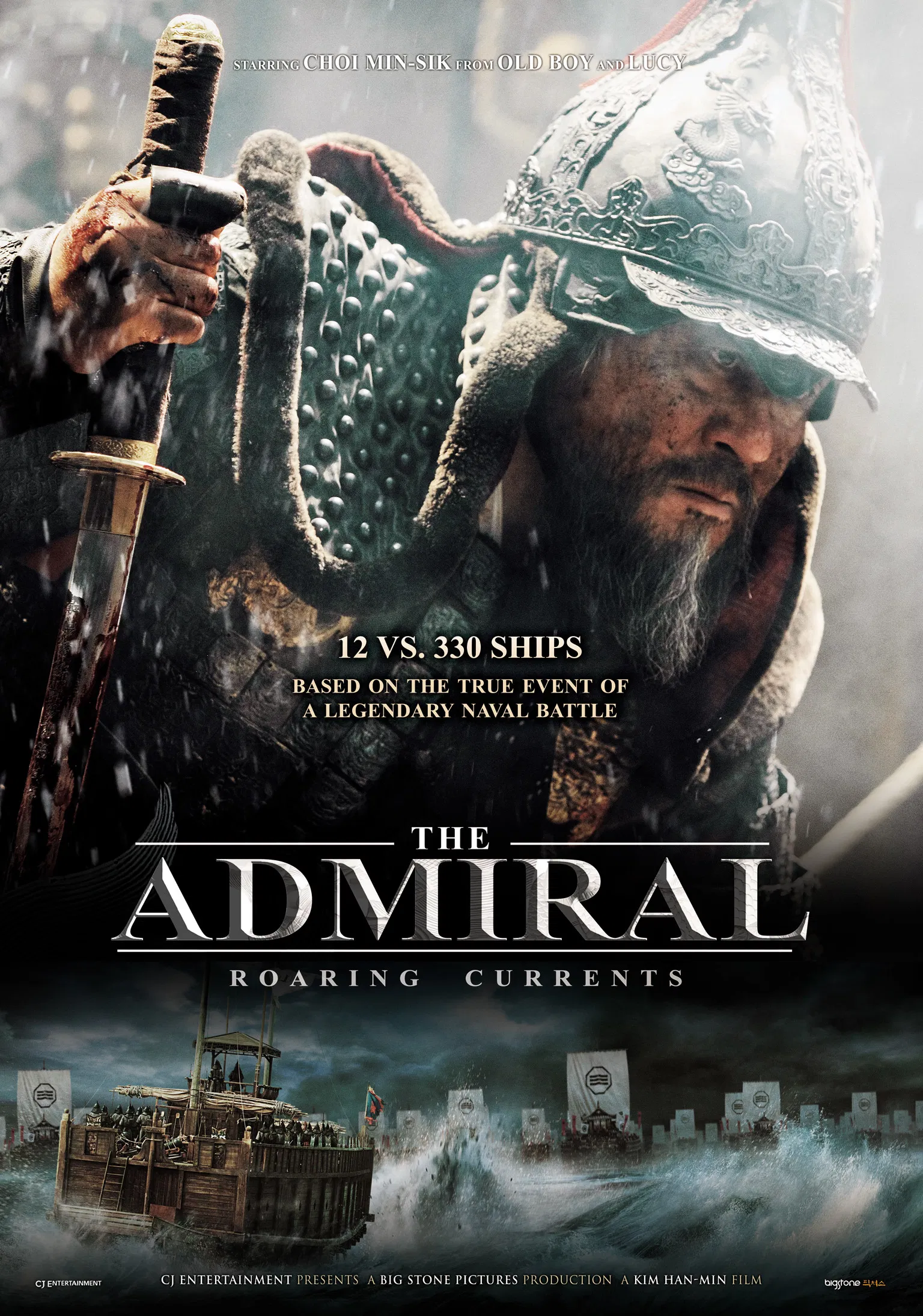
- The Yi Sun-sin Trilogy (Director Kim Han-min): The epic films Roaring Currents (2014), Hansan: Rising Dragon (2022), and Noryang: Deadly Sea (2023) are all available on Netflix, Disney+, and TVING. Many platforms now offer “Director’s Cut” editions with enhanced CGI for the naval battles.
- Immortal Admiral Yi Sun-sin (2004): This classic drama is still widely streamed on KBS Classic (YouTube) for those who want a deep dive into his human struggles.
- 2026 New Releases: Look out for new webtoon-based dramas and animated series focusing on his youth and northern border campaigns, often referred to as the “Origin” stories of the legend.
Exploring History: Updated Guide to Major Historical Sites
If you are planning a visit, several key locations have undergone significant upgrades as of 2026.
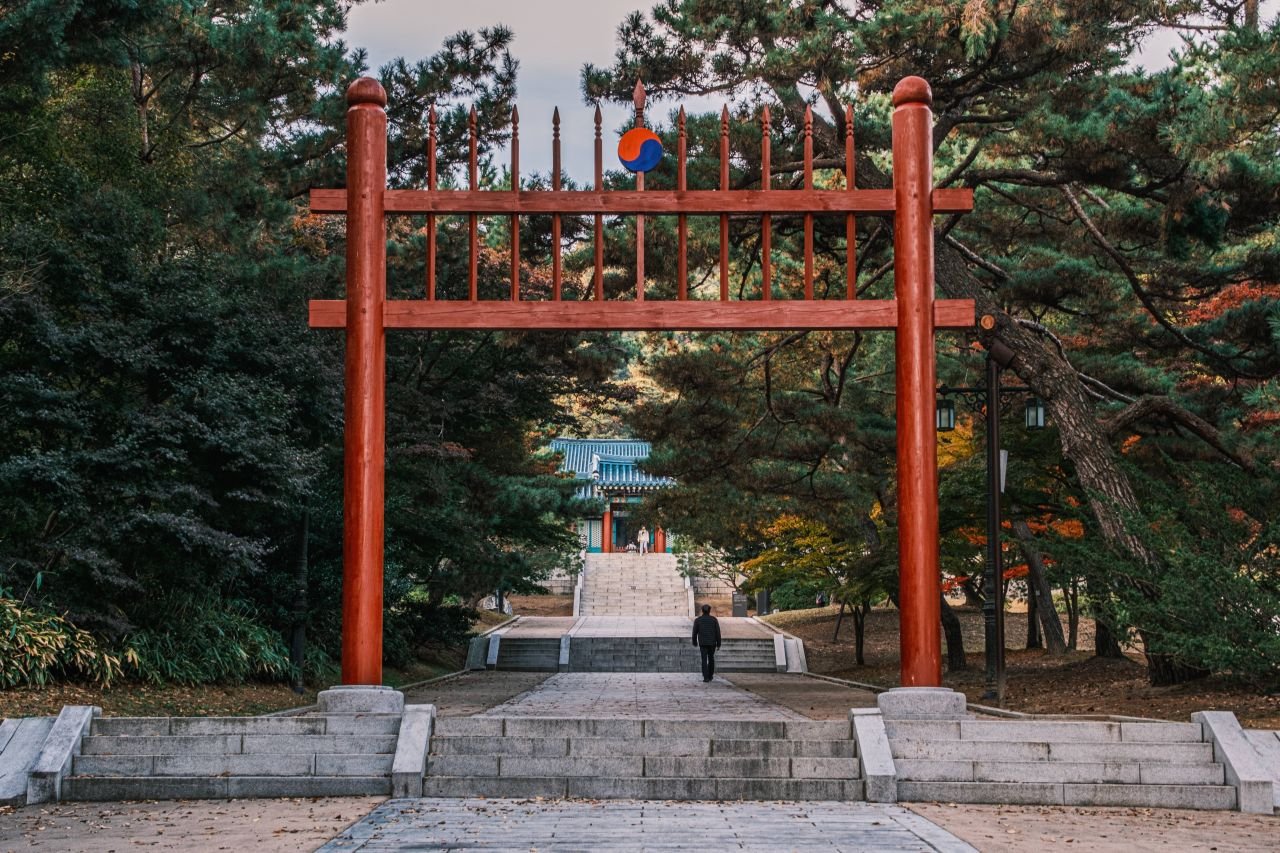
1. Hyeonchungsa Shrine (현충사) – Asan
The Hyeonchungsa Shrine (현충사) in Asan (아산) is the spiritual home of the Admiral.
📌 2026 Update: The memorial museum now features AI-powered kiosks that translate the Nanjung Ilgi into modern languages and a VR experience that allows you to “steer” a Turtle Ship. This is where you can see the recently promoted National Treasure Long Swords.
2. Jinnamgwan (진남관) – Yeosu
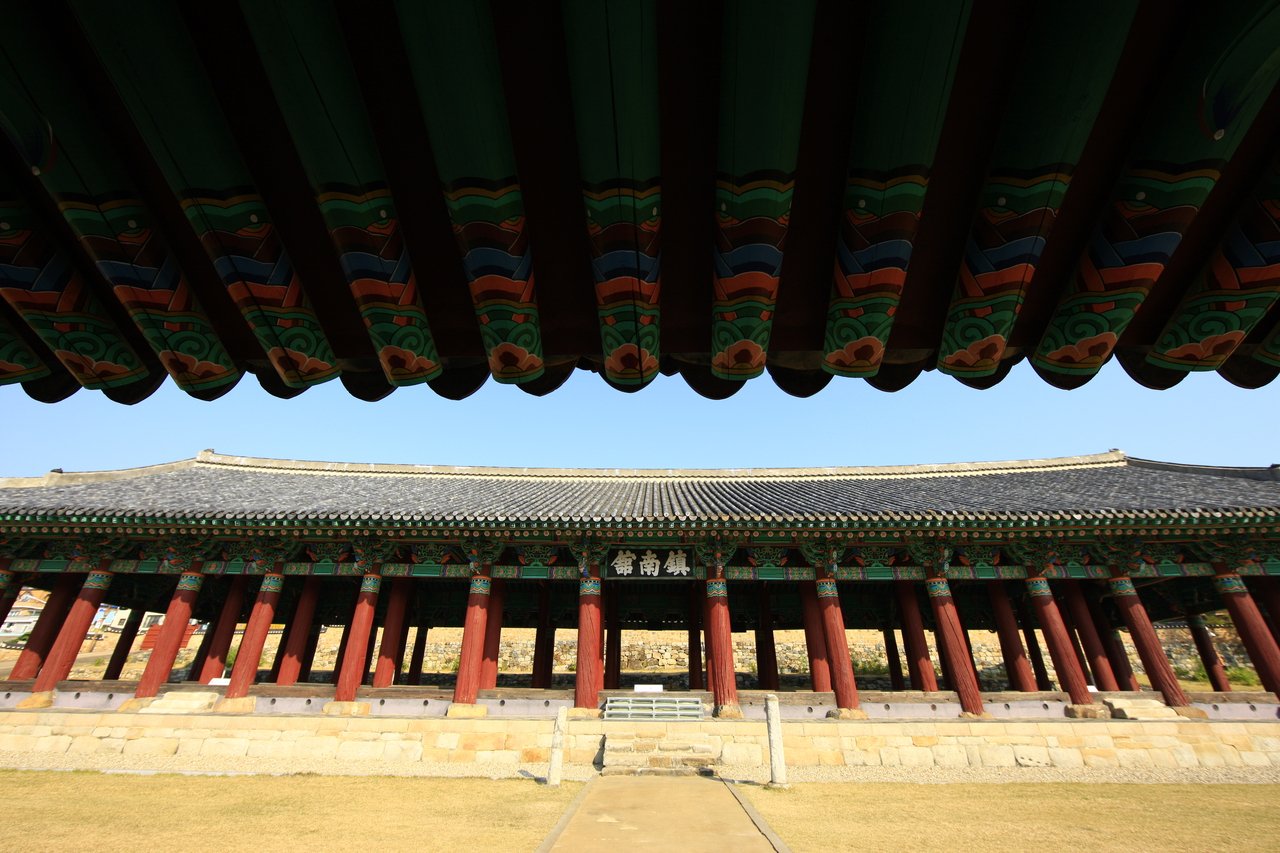
The Jinnamgwan (진남관) in Yeosu (여수) was the headquarters for the naval forces.
📌 2026 Update: After years of extensive restoration, the scaffolding and covers are finally gone. You can now witness the majestic, original architecture of this National Treasure in its full glory. Don’t forget to visit the nearby Yi Sun-sin Square (이순신광장) to see the full-scale Turtle Ship replica.
3. Jeseungdang (제승당) – Hansando, Tongyeong
Located on Hansando (한산도) island near Tongyeong (통영), this was where the Admiral planned his victories.
💡 Pro Tip: Take the ferry from Tongyeong Port. The “Suryu” watchtower offers the best view of the waters where the famous “Crane Wing Formation” was first deployed. In 2026, digital tablets are available on-site to overlay battle maps onto the actual sea view.
Korean Culture portal KCulture.com

Founder of Kculture.com and MA in Political Science. He shares deep academic and local insights to provide an authentic perspective on Korean history and society.