A Complete Changgyeonggung Palace Guide: History, Resilience, and Must-See Spots
Changgyeonggung Palace (창경궁) is a historic royal residence in Seoul, distinguished from other grand palaces by its eastward-facing design and its original purpose as a peaceful retreat for royal family members rather than a center of political power. As your local guide to traditional culture, we know that navigating the complex history of Korea’s royal sites can be overwhelming for travelers. This comprehensive Changgyeonggung Palace guide will walk you through the palace’s unique origins, the tragic degradation it faced during the Japanese occupation, and the remarkable restoration efforts that highlight the resilience of the Korean people. Whether you are a history enthusiast seeking a deeper understanding of the Joseon Dynasty or a traveler looking for a serene walk through time, you will find exactly what you need to make the most of your visit.
- The Origins: A Palace Built on Filial Piety
- The Dark Era: From Palace to Amusement Park
- The Resilience: Restoring the Palace’s Dignity
- Must-See Architectural Marvels in the Changgyeonggung Palace Guide
- Practical Tips: Connecting to Changdeokgung Palace
- Visitor Information: Hours and Tickets
- FAQ
The Origins: A Palace Built on Filial Piety
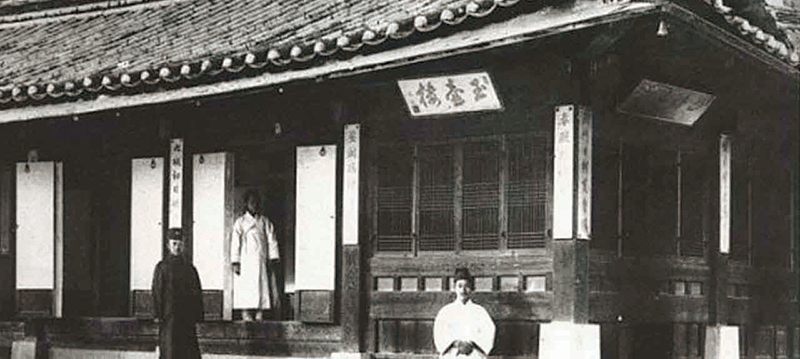
Built in 1483 by King Seongjong, the ninth monarch of the Joseon Dynasty, this palace was not created to project imperial dominance. Instead, it was constructed out of profound respect and filial piety to serve as a comfortable living space for three dowager queens—his grandmothers and mother.
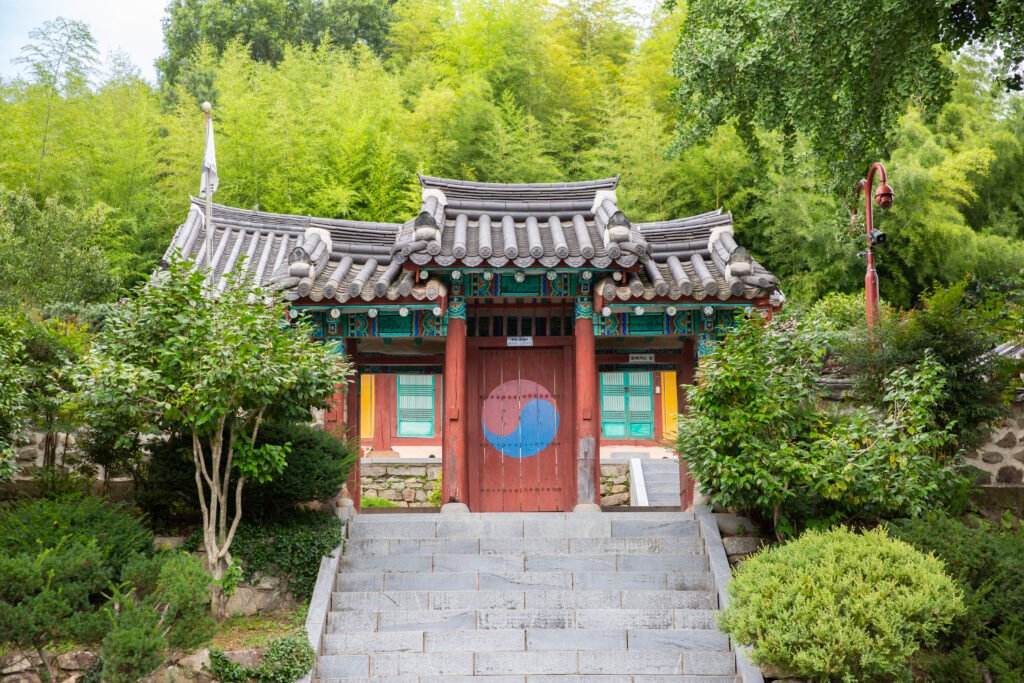
Unlike most traditional Korean palaces that face south to symbolize the king’s supreme authority, this compound was built facing east. This unique orientation was a practical decision made to harmonize with the surrounding natural topography, further emphasizing the space’s intended purpose: a sanctuary of care, comfort, and family well-being rather than a stage for rigid political ceremonies.
The Dark Era: From Palace to Amusement Park
To truly understand the emotional weight of this heritage site, one must look at the immense suffering it endured during the Japanese colonial period. In a systematic effort to erase the authority and dignity of the Joseon royal family, the colonial government deeply desecrated the grounds.
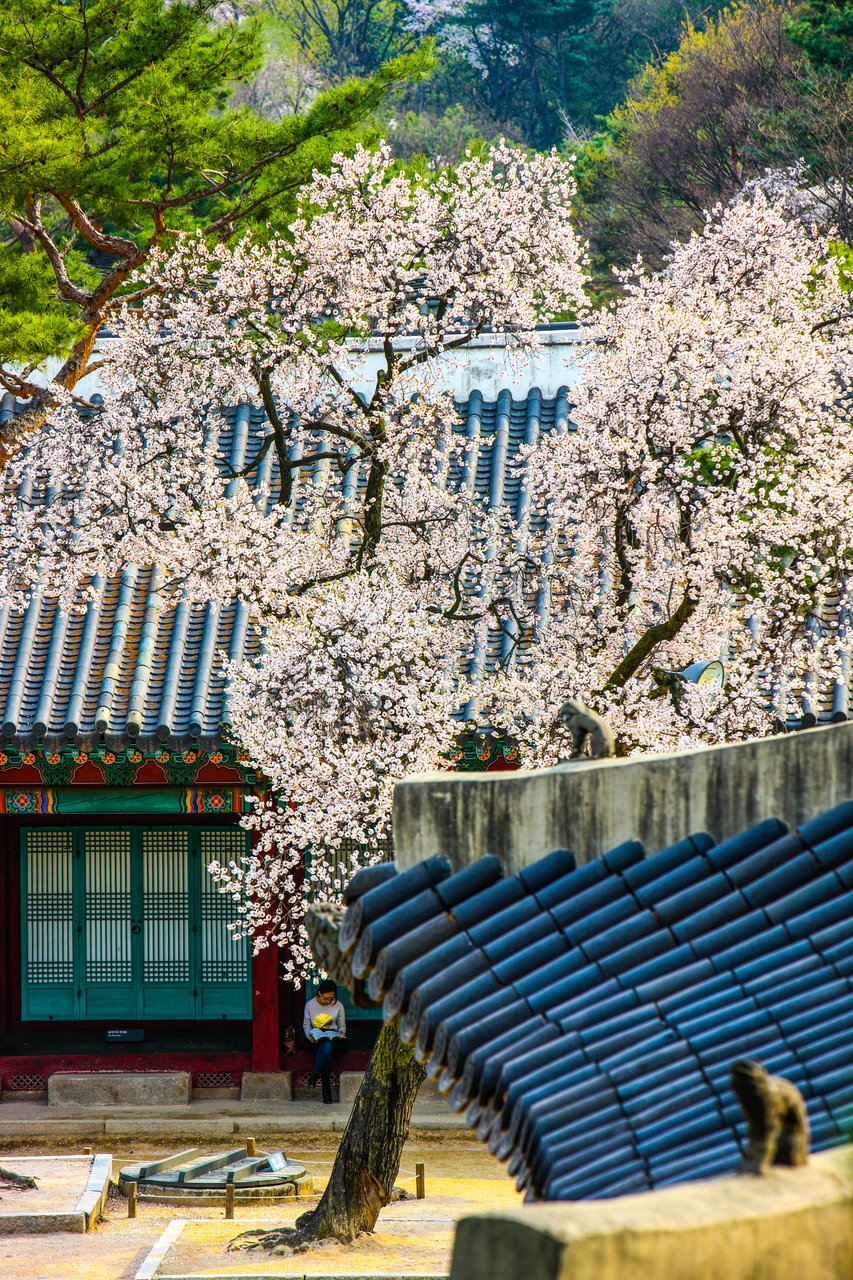
In 1909, the sacred royal residence was aggressively downgraded. The beautiful pavilions were torn down, and the site was transformed into a public amusement park featuring a zoo and a botanical garden. To finalize this humiliation, the name was officially changed to “Changgyeongwon,” replacing the suffix “gung” (meaning palace) with “won” (meaning park). Thousands of Japanese cherry blossom trees were planted, and Japanese-style museum buildings were erected right inside the royal courts, turning a site of national reverence into a casual recreational area.
The Resilience: Restoring the Palace’s Dignity
For foreign readers and history lovers, the story of this site is not merely one of destruction, but a powerful testament to Korean resilience and the drive to reclaim national identity. Even after Korea’s liberation, the park remained an amusement area for decades. It was not until the early 1980s that a sweeping restoration project began.
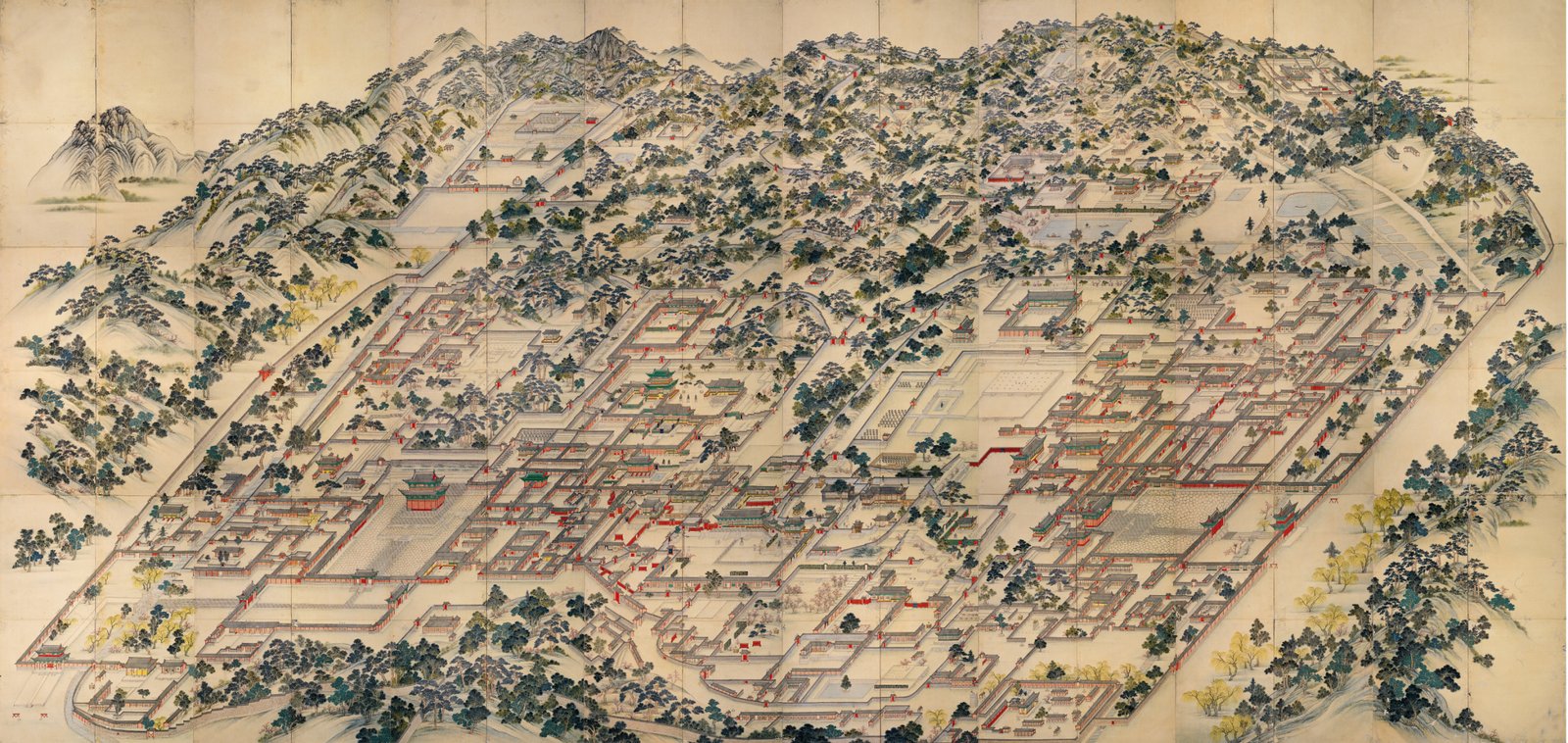
In 1983, a monumental decision was made. The animals were relocated to the Seoul Grand Park in Gwacheon, the Japanese cherry trees were uprooted, and the intrusive colonial buildings were demolished. Most importantly, the rightful name of the palace was restored. Today, historians and architects continue to painstakingly rebuild lost structures like the Bincheong and various royal quarters, relying heavily on the Donggwoldo (동궐도), a highly detailed painting of the Eastern Palaces from the Joseon era.
Must-See Architectural Marvels in the Changgyeonggung Palace Guide
As you explore the grounds, several key locations stand out, each offering a distinct window into the past.
Myeongjeongjeon (The Throne Hall)
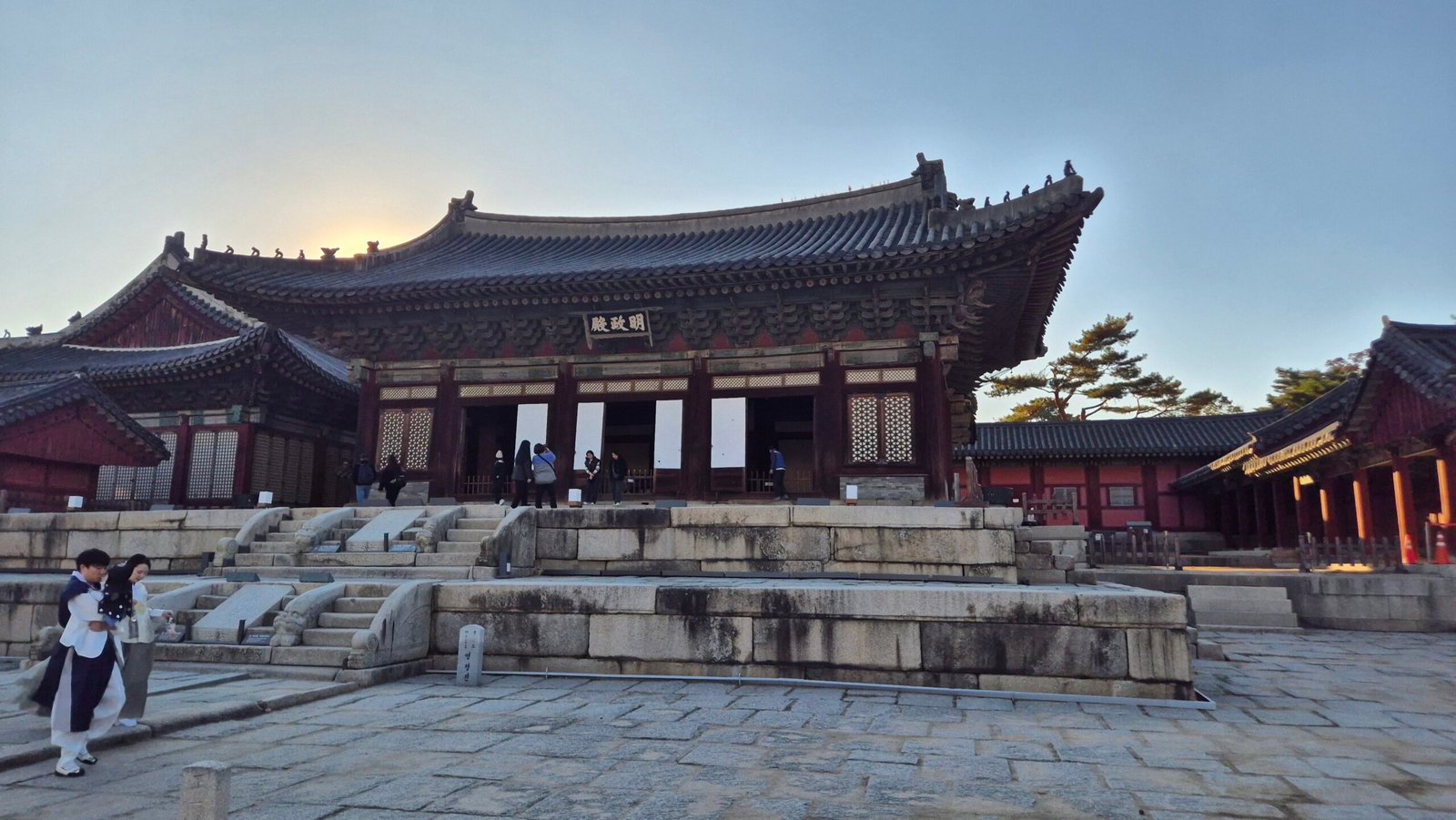
Myeongjeongjeon (명정전) holds the prestigious title of being the oldest surviving main throne hall in all of Korea’s palaces. Rebuilt in 1616 after being destroyed during the Imjin War, it miraculously survived centuries of conflict and colonial rule. While it is smaller and more modest than the grand throne halls of other palaces, its quiet, elegant architecture perfectly encapsulates the refined aesthetics of the early Joseon period.
Munjeongjeon and the Tragedy of Crown Prince Sado
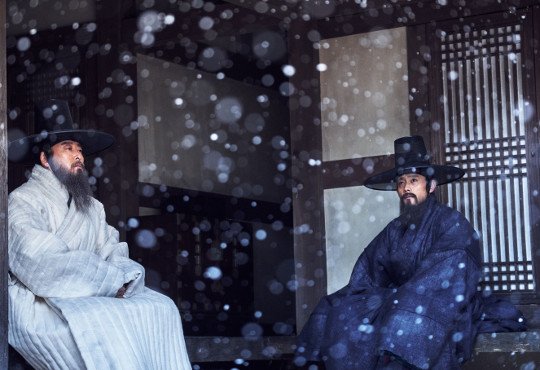
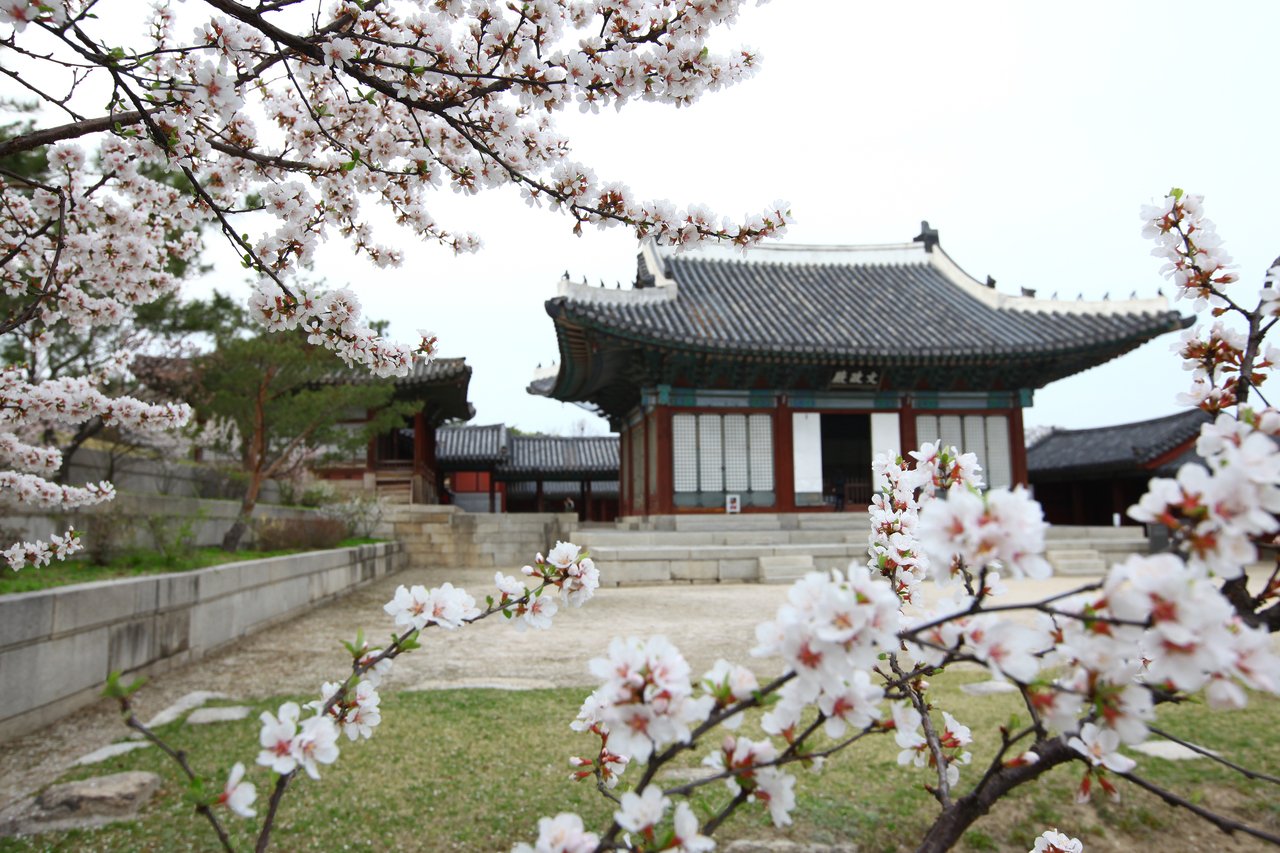
Munjeongjeon (문정전) served as the king’s council hall and working office. However, it is most famous among locals for being the site of one of the most tragic and shocking events in Korean royal history: the Imohwabyeon. It was in the courtyard right in front of this building that King Yeongjo, driven to despair by political strife and his son’s erratic behavior, ordered Crown Prince Sado to be locked inside a wooden rice chest, where the prince ultimately starved to death. Standing in this peaceful courtyard today, the contrast between the serene architecture and its dark history is deeply moving.
The Great Greenhouse (Daeonsil)
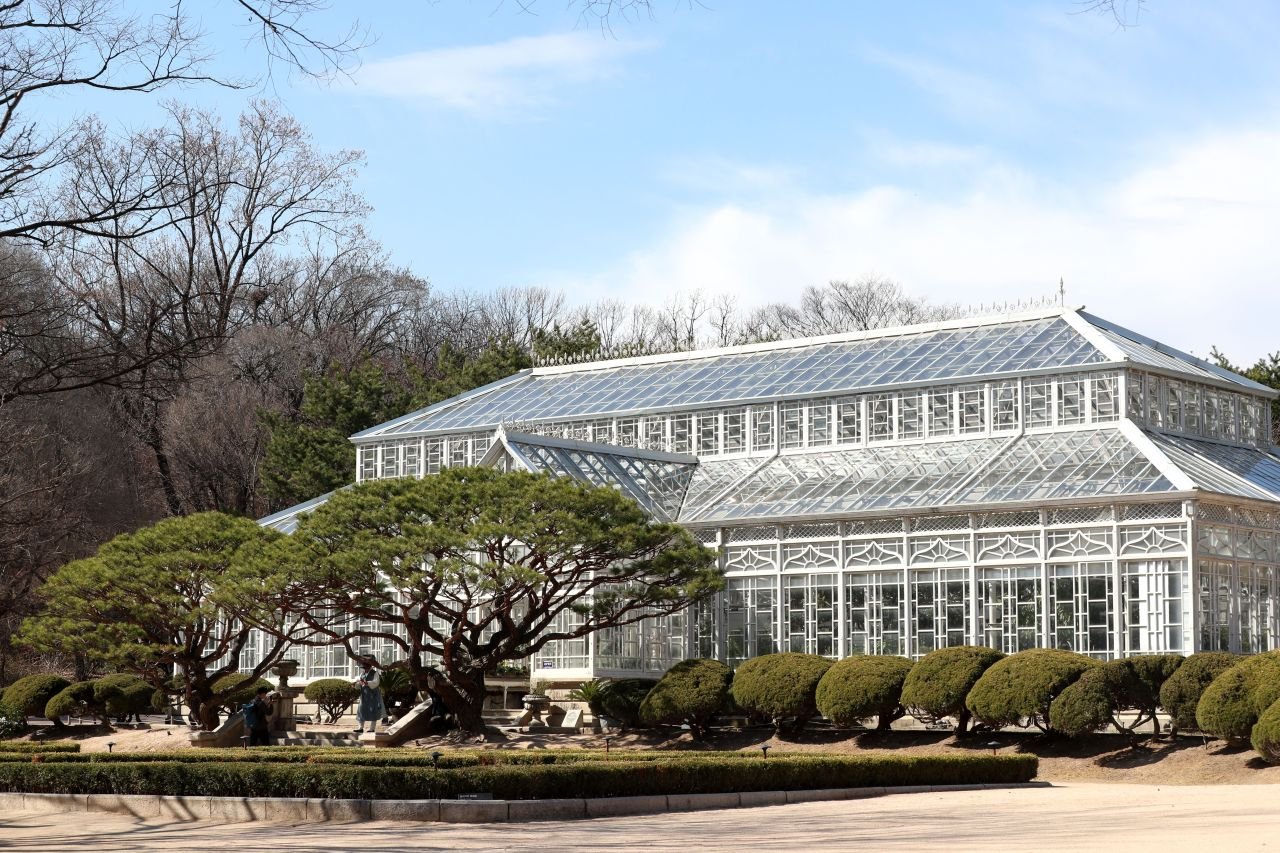
The Great Greenhouse (대온실) presents a fascinating historical paradox. Completed in 1909, it was Korea’s very first Western-style greenhouse. Although it was built by the Japanese as part of the effort to downgrade the palace into a zoo and botanical garden, the structure itself is undeniably stunning. Designed with a white steel frame, expansive glass panels, and a distinctly modern aesthetic, it has been preserved as an important piece of modern cultural heritage.
💡 Pro Tip: Visit the Great Greenhouse in the late afternoon. The way the setting sun reflects off the glass panes provides one of the most beautiful and atmospheric photo opportunities in Seoul.
Chundangji Pond
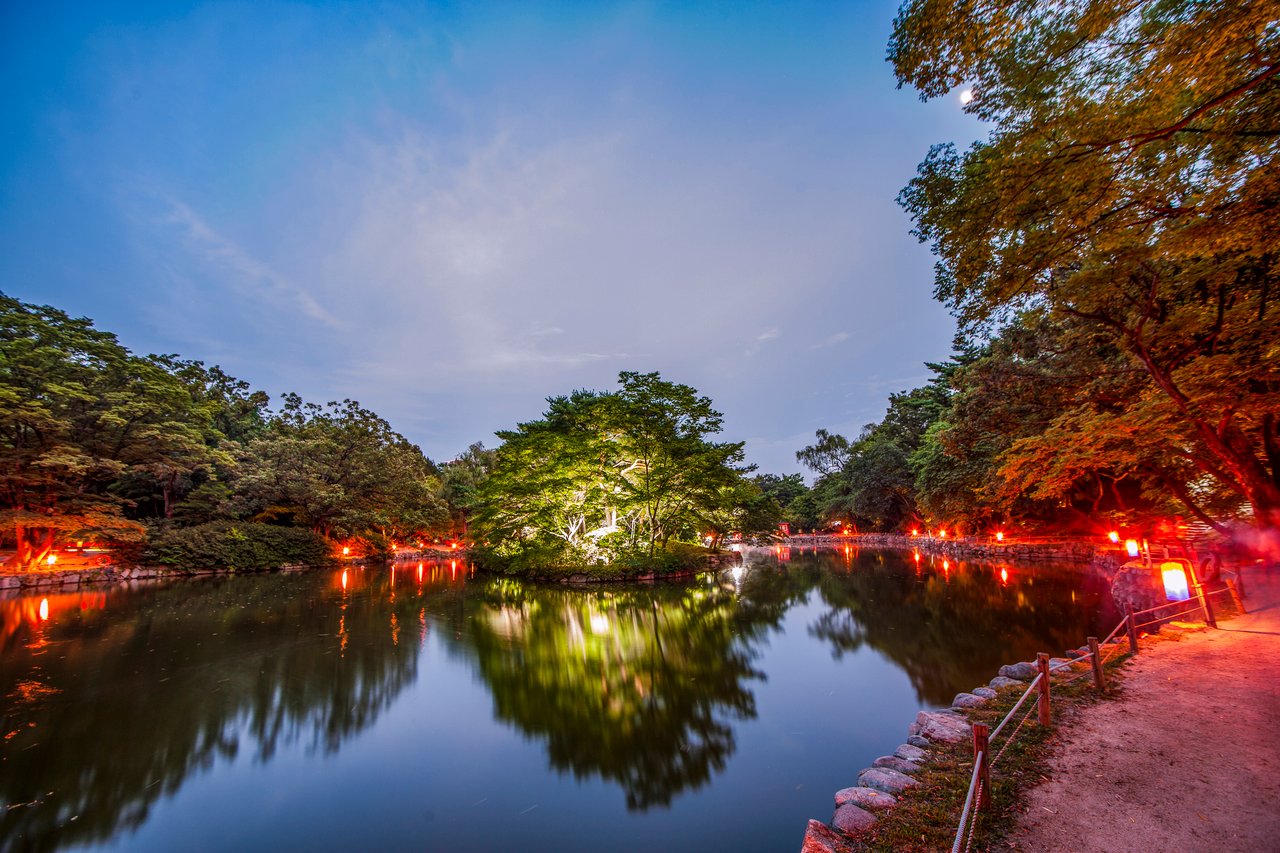
Originally, the area where Chundangji Pond (춘당지) now lies was divided into rice paddies called Naenongpo, where the king would personally farm to set a diligent example for his subjects. The Japanese colonial government dug up these fields to create a large boating pond. Today, the pond is surrounded by a dense, beautiful forest. Despite its painful origins, it has evolved into a beloved sanctuary where visitors can rest and reflect by the water.
Practical Tips: Connecting to Changdeokgung Palace
One of the best-kept secrets for maximizing your royal tour is taking advantage of the geographical layout. This palace shares a boundary wall with the UNESCO World Heritage-listed Changdeokgung Palace (창덕궁).
You do not need to exit one palace and walk all the way around the city streets to enter the other. Instead, head towards Hamyangmun Gate (함양문), located deep within the grounds near the rear gardens. Here, a small ticketing booth allows you to pay a nominal transition fee (typically around 1,000 KRW) to pass directly from one palace into the other.
📌 Local Note: Living in Korea, we highly recommend planning a full-day itinerary that starts in the morning at Changdeokgung Palace (including the Secret Garden tour), followed by a seamless transition through Hamyangmun Gate to enjoy a peaceful, unhurried afternoon exploring the quieter, deeply historic grounds discussed in this guide.
Visitor Information: Hours and Tickets
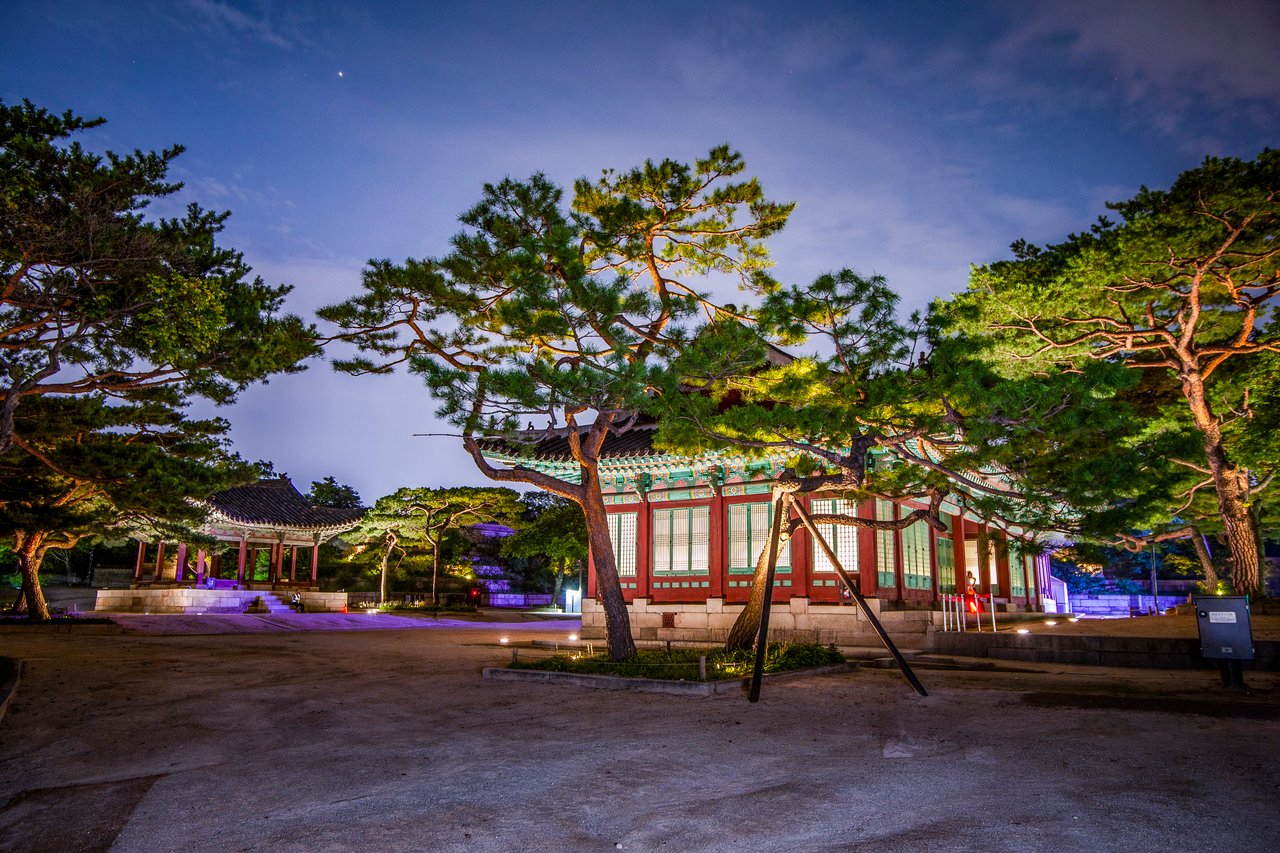
To help you effectively plan your itinerary, here are the essential details for visiting. Changgyeonggung Palace is consistently open for both daytime and stunning nighttime viewing.
- Operating Hours: 09:00 to 21:00 (Closed every Monday)
- Last Admission & Ticketing: 20:00 (8:00 PM)
- Admission Fee: 1,000 KRW for adults (ages 25 to 64)
FAQ
- Is English signage available? Yes, major buildings and historical markers have excellent English descriptions, detailing the history and the restoration efforts.
- Can I wear a Hanbok? Absolutely. Just like the other major palaces in Seoul, visitors wearing traditional Hanbok are granted free admission.
- Is the palace open at night? Yes, unlike some other historical sites, the grounds are beautifully illuminated and open for nighttime viewing year-round, making it a spectacular after-dinner destination.
Exploring these grounds is not just about viewing old buildings; it is about walking through an incredible timeline of familial devotion, devastating loss, and triumphant recovery. We hope this guide helps you appreciate the deep, enduring spirit woven into the very fabric of the architecture.
To further enrich your royal palace explorations in Seoul, be sure to check out our other detailed guides:
- Gyeongbokgung Palace Hanbok Tour Guide : Hanbok Rental Tips
- Changdeokgung Palace Tour: History & Best Photo Spots
- The Guide to the Changdeokgung Secret Garden Tour
Korean Culture portal KCulture.com

Founder of Kculture.com and MA in Political Science. He shares deep academic and local insights to provide an authentic perspective on Korean history and society.