The Ultimate Guide to Korean Hangover Soup Haejangguk
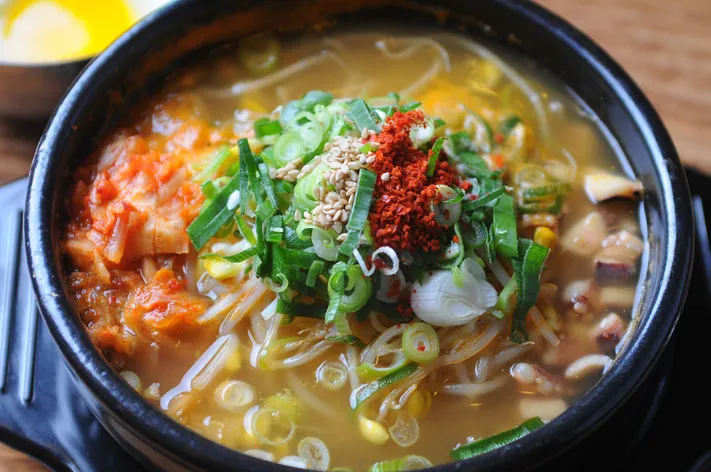
What exactly is the authentic Korean hangover soup Haejangguk? Haejangguk is a restorative, nutrient-dense broth—often featuring rich meat stock, vegetables, and protein—specifically cooked to soothe the stomach and detoxify the liver after consuming alcohol. Countless mornings following a lively team dinner often require an immediate, comforting cure. In this comprehensive guide, we will explore the fascinating local culture behind chasing hangovers, break down the key ingredients of popular healing soups, and reveal the absolute best restaurants in the city to rejuvenate your body.
- Understanding Haejang: Korea’s Unique Hangover Culture
- Popular Types of Korean Hangover Soup Haejangguk
- The Best Haejangguk Restaurants in Seoul
- FAQ
- Explore More Korean Culinary Delights
Understanding Haejang: Korea’s Unique Hangover Culture
The term Haejang originally comes from the ancient word Haejeong, which literally translates to “resolving a hangover.” However, in modern society, it represents much more than a simple physiological recovery. It is a deeply social ritual. After a long night of drinking during a Hoesik (company dinner) or a gathering with friends, sharing a warm meal the next morning is a way to bond and reflect on the previous night’s festivities.
While Western cultures often turn to greasy foods like pizza or burgers to cure a hangover, locals prefer a completely different approach. They believe in “soothing the stomach” by consuming piping hot, spicy, or refreshingly clear broths to sweat out the toxins. Interestingly, many older generations also practice the “hair of the dog” method by pairing their morning soup with a small glass of Haejangsul (hangover drink), usually Soju or sweet rice wine.
💡 Pro Tip: Modern Remedies
While traditional soups remain the gold standard, younger generations today also rely on quick fixes from local convenience stores. It is incredibly common to see people curing hangovers with specialized hangover relief pills, sweet chocolate milk, iced Americanos, or even a cold bowl of Pyongyang-style cold noodles!
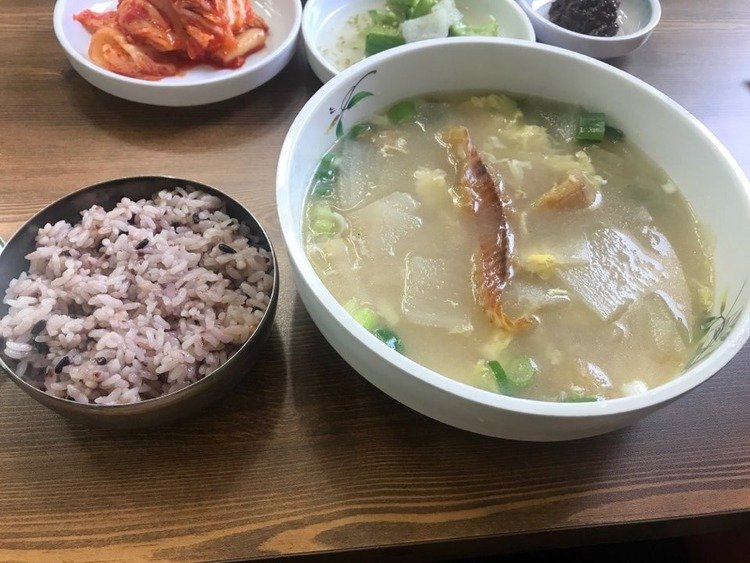
Popular Types of Korean Hangover Soup Haejangguk
Because regional ingredients vary greatly, there is no single recipe for this dish. Depending on your spice tolerance and palate, you can choose from a wide variety of broths designed to deliver essential amino acids to your fatigued liver.
| Name of Soup | Flavor Profile | Key Ingredients |
|---|---|---|
| Ppyeo Haejangguk (뼈해장국) | Spicy, rich, and deeply savory. | Pork spine, dried radish greens, perilla seed powder, garlic, chili powder. |
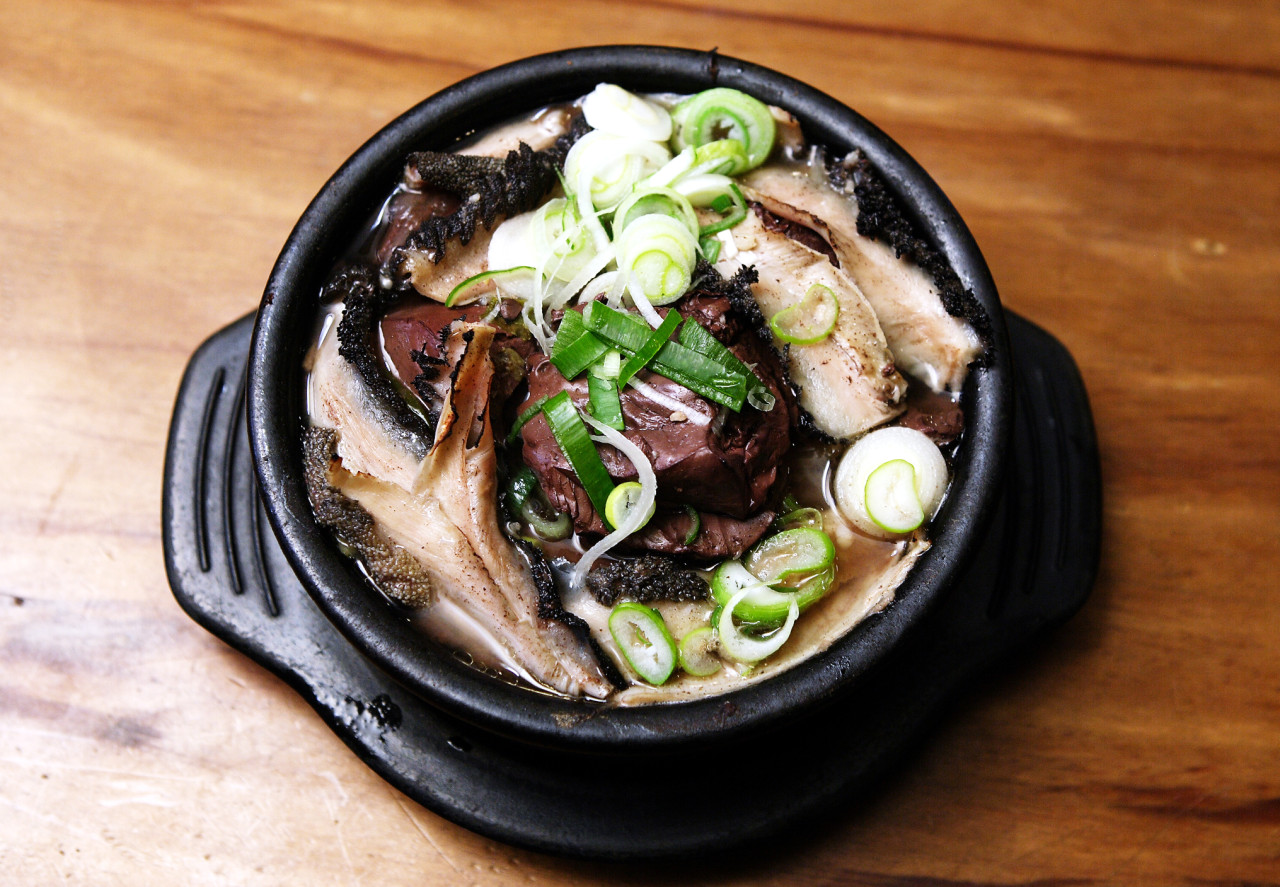
| Seonji Haejangguk (선지해장국) | Earthy, mineral-rich, and complex. | Congealed ox blood, beef bone broth, bean sprouts. |
| Kongnamul Gukbap (콩나물국밥) | Clear, refreshing, and mild. | Bean sprouts, anchovy/kelp broth, poached egg, seaweed garnish. |
| Hwangtae Haejangguk (황태해장국) | Milky, clean, and non-spicy. | Dried pollock, radish, tofu, egg, green onions. |
Ppyeo Haejangguk (Spicy Pork Bone Soup)
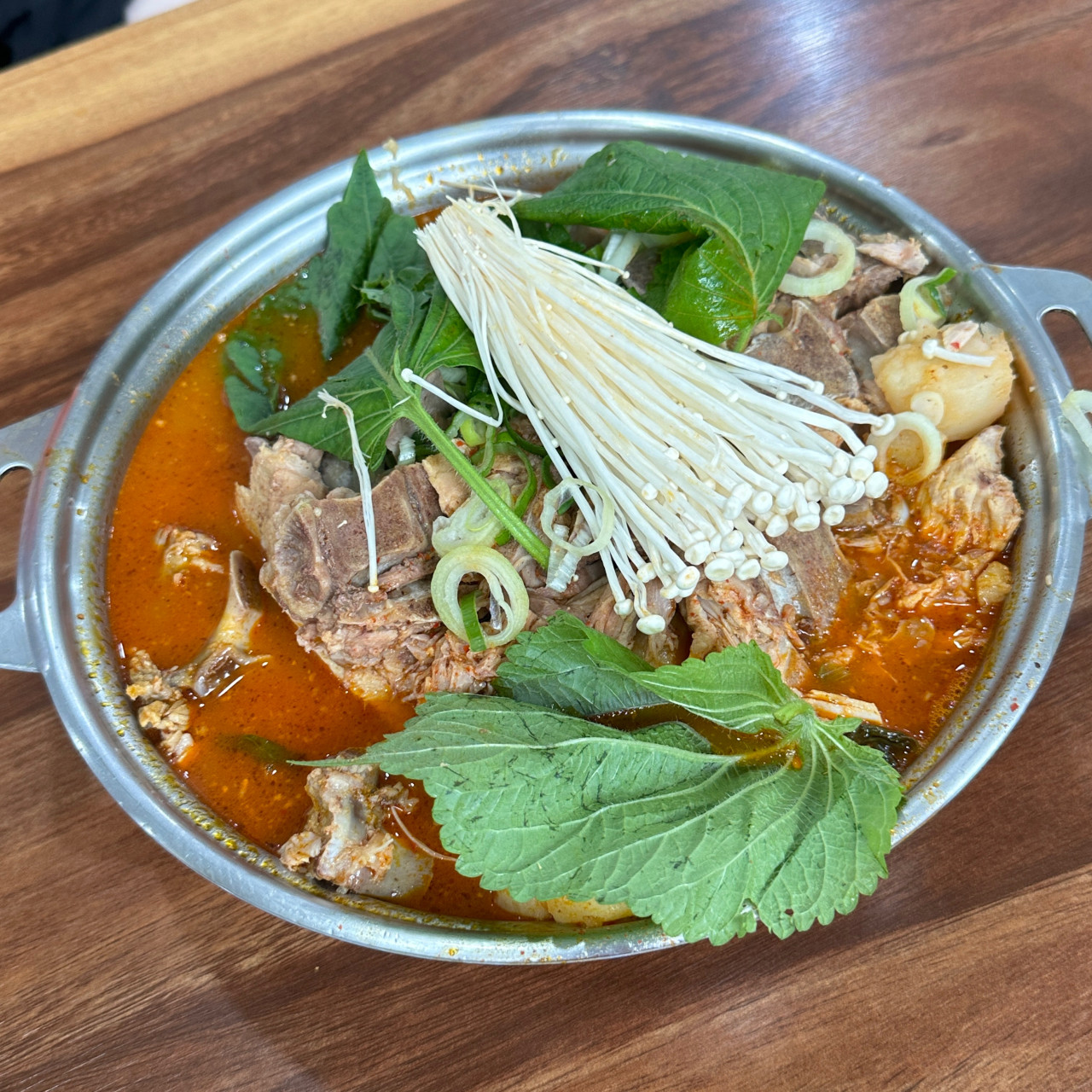
This is arguably the most popular and accessible hangover cure nationwide. The dark, spicy broth is boiled for hours with large chunks of pork spine meat that easily falls off the bone. The addition of perilla seed powder gives it an incredible nutty depth.
Seonji Haejangguk (Ox Blood Soup)
Packed with iron and protein, this dish is fantastic for fatigue recovery. It features congealed ox blood, which has a texture similar to firm tofu. While it might seem like a bizarre culinary challenge for some visitors, it remains a beloved staple among hardcore local foodies for its deep, clean aftertaste.
Kongnamul Gukbap (Bean Sprout Soup)
Originating from the Jeonju region, this clear broth relies on the natural asparagine found in bean sprout roots, which is scientifically proven to help break down alcohol. It is usually served boiling hot with a poached egg and a generous sprinkle of crushed, roasted seaweed. If you want to learn more about the incredible varieties of local seaweed used as garnishes, check out the guide to Gim and Miyeok.
Hwangtae Haejangguk (Dried Pollock Soup)
For those who cannot handle spicy food, this is the ultimate comfort bowl. The dried pollock is simmered until the broth turns a milky white, yielding a mild, delicate flavor rich in methionine—an amino acid that actively protects the liver.
The Best Haejangguk Restaurants in Seoul
If you want to experience the true essence of this culinary tradition, you must visit the iconic institutions that have perfected their recipes over decades. Here are the top local picks for the ultimate morning-after recovery.
Cheongjinok (청진옥)
Located in the historic Jongno-gu (종로구) district, this legendary restaurant has been serving food since 1937. They are the pioneers of the Seoul-style Seonji Haejangguk. Unlike thicker stews, their beef bone broth is beautifully clear, packed with fresh ox blood and tender beef tripe. It is the perfect place to taste the classic, unaltered flavors of Korean history.
Jungang Haejang (중앙해장)
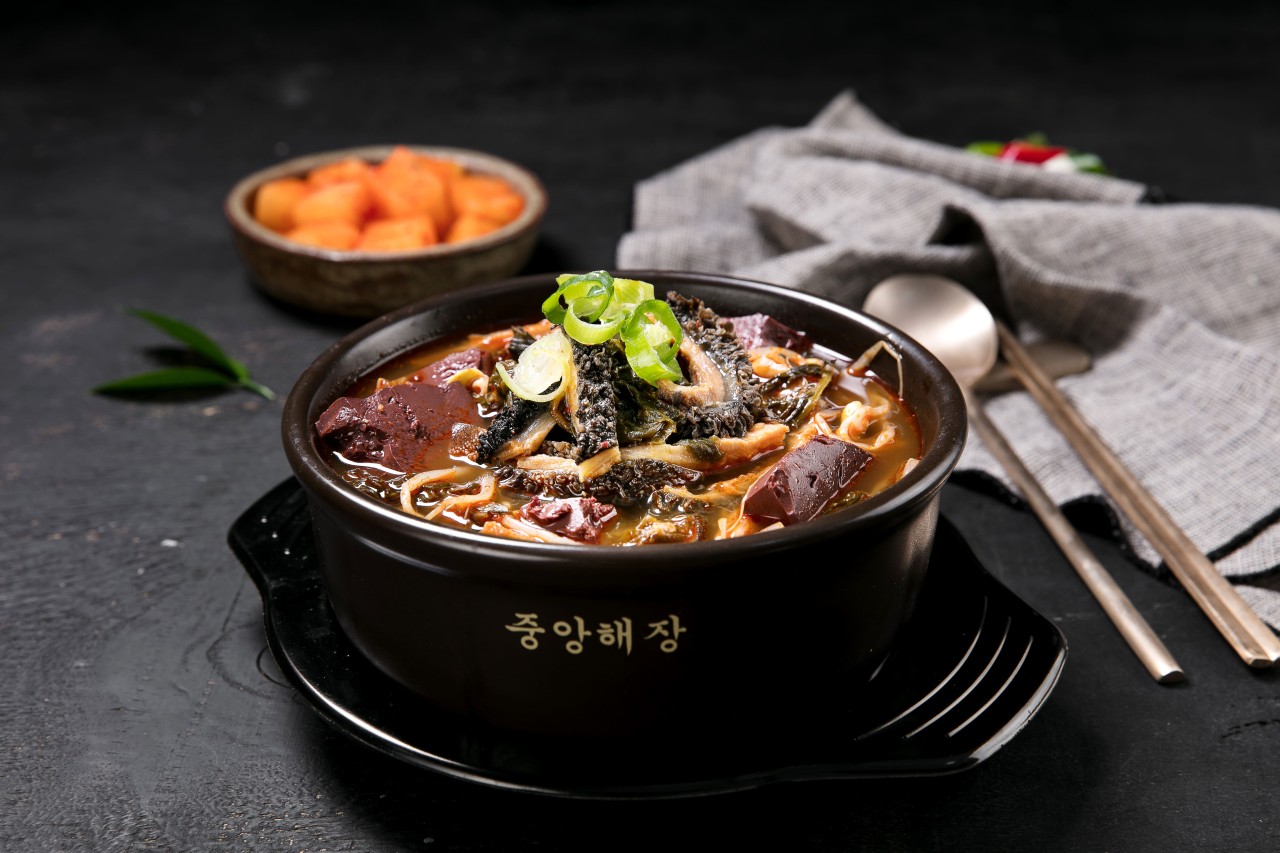
Situated in the bustling corporate hub of Samseong-dong (삼성동), this premium spot is the holy grail for Gangnam office workers. Originally founded by a meat distribution company, the quality of their beef tripe and blood is unmatched. Their spicy broth, lightly drizzled with chili oil, draws massive crowds, so be prepared to use a digital queuing app if you visit during peak lunch hours.
Eomeoni Daeseongjip (어머니대성집)
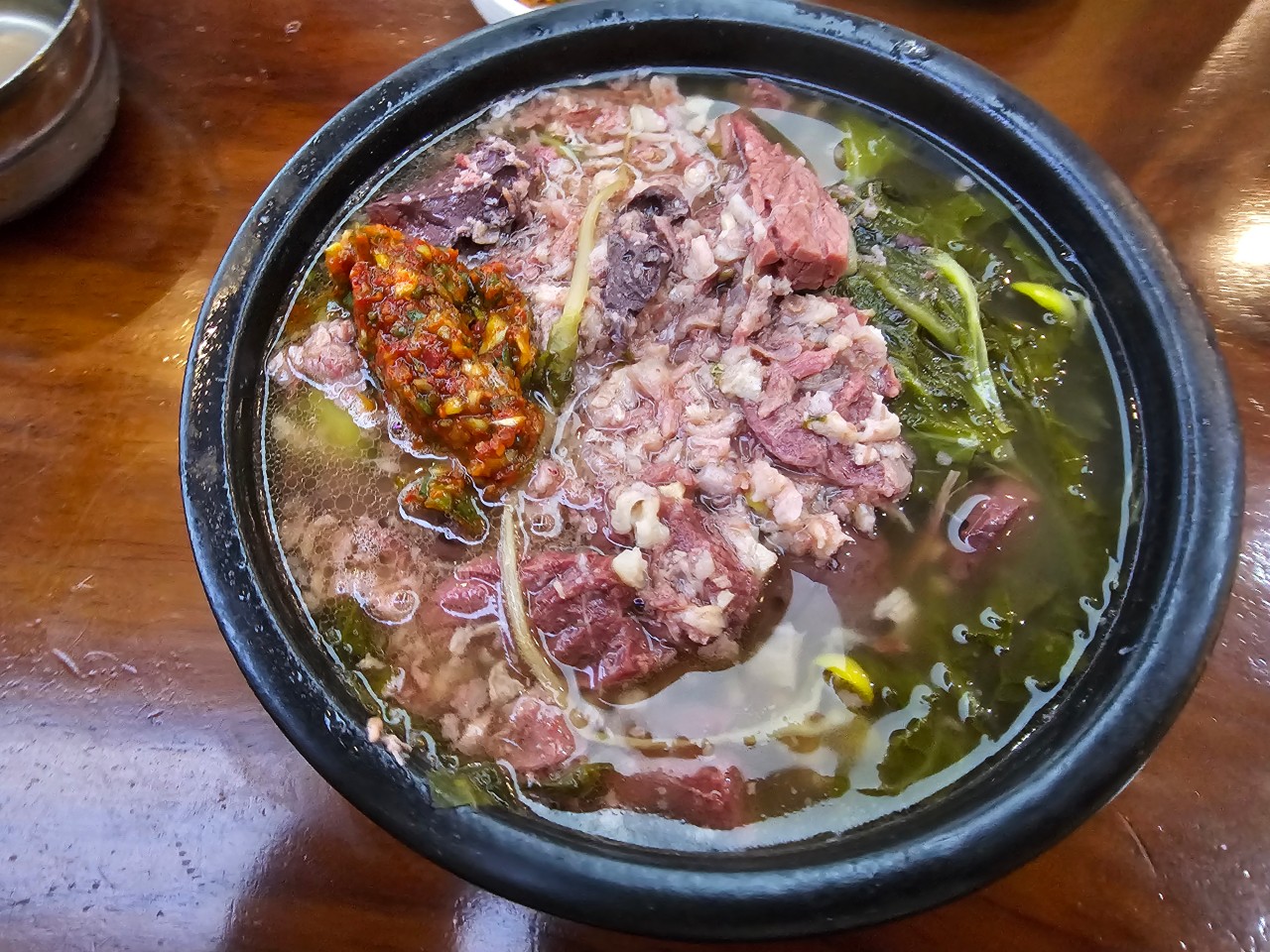
Hidden in Yongdu-dong (용두동), this unique eatery operates from late at night until the following afternoon, earning it the title of the “midnight sanctuary for true drinkers.” They use a traditional method of repeatedly pouring hot broth over rice to warm it perfectly. Topped with a generous mound of finely minced beef, their mild and soothing soup is unforgettable.
Somunnan Seongsu Gamjatang (소문난 성수 감자탕)
Located in the incredibly trendy neighborhood of Seongsu-dong (성수동), this establishment has stood its ground since 1973. Extremely popular with both young locals and international tourists, they serve a towering mountain of tender pork spines in a thick, spicy broth. After finishing the meat, locals love to cook hand-torn dough flakes right in the leftover soup.
FAQ
Is Korean hangover soup Haejangguk always spicy?
Not at all! While Ppyeo (pork bone) variations are deeply spiced with chili flakes, options like Hwangtae (dried pollock) or Kongnamul (bean sprout) soups are famously clear, mild, and highly recommended for sensitive stomachs.
Do I have to eat it in the morning?
While the name implies a morning recovery, these hearty soups are beloved all day long. Many locals eat them for a filling lunch, a warm dinner, or even as a late-night snack alongside another bottle of Soju.
Explore More Korean Culinary Delights
Understanding the rich tapestry of local cuisine goes far beyond just morning recovery meals. To dive deeper into the essential dishes that make up the daily diet, explore the comprehensive Korean food menu information. Additionally, if you are visiting during the warmer months, do not miss out on the fresh and vibrant side dishes that often accompany these meals by reading the guide on how to find and cook Korean spring greens.
Korean Culture portal KCulture.com

Founder of Kculture.com and MA in Political Science. He shares deep academic and local insights to provide an authentic perspective on Korean history and society.