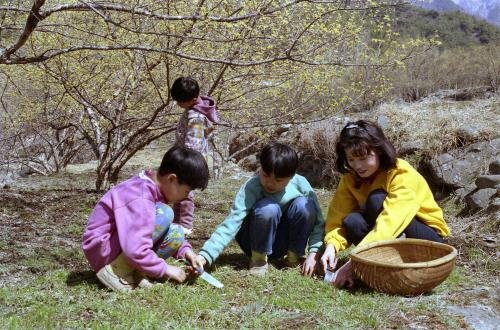
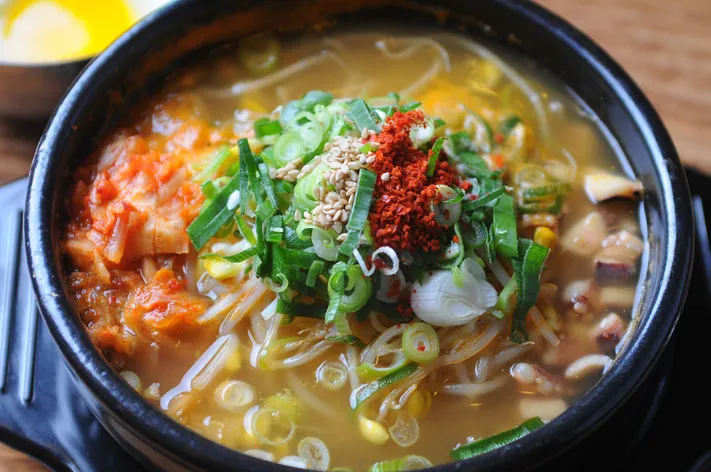
Living in Korea, the arrival of spring means one exciting thing: the season of wild greens, known locally as namul. Like almost all Koreans, I have a deep love for these vibrant, earthy dishes, and you do not need a plane ticket to Seoul to enjoy them. Foraging Korean spring greens in North America and Europe involves identifying common wild plants like shepherd’s purse, mugwort, and dandelion, and harvesting them at the precise time before they mature. If you want to bring authentic Korean flavors to your dining table using local ingredients, your own backyard or nearby forest might be hiding culinary treasures. In this guide, I will share the top five wild plants you can forage in the West, crucial timing tips, easy authentic recipes, and critical safety protocols.
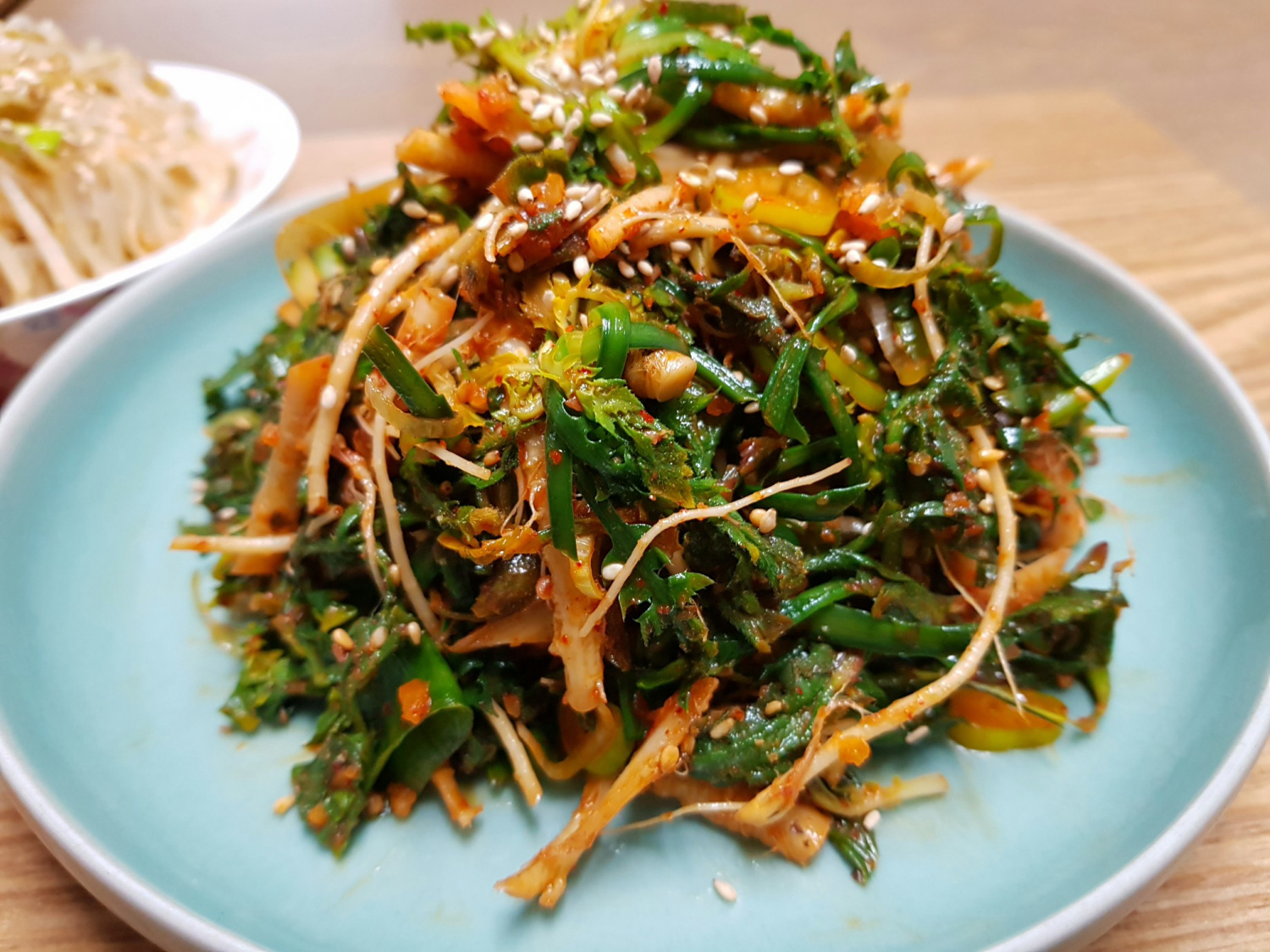
- Essential Foraging Safety Rules
- Top 5 Korean Spring Greens to Forage
- Read More About Korean Spring Greens
Essential Foraging Safety Rules
Before stepping out into the woods or fields, we must establish a foundation of safety. Foraging is incredibly rewarding, but it requires caution, respect for nature, and a keen eye.
- Never Forage Unknown Plants: Absolute certainty is your best defense. If you are not one hundred percent sure about a plant’s identity, do not pick it. Some edible greens have toxic look-alikes.
- Follow Local Laws and Practice Sustainability: Unauthorized foraging in national parks or private property can be illegal. Always check local regulations. Additionally, practice sustainable harvesting—never strip an entire patch, and for certain plants, harvest only the leaves so the roots can survive.
- Seek Expert Advice for Toxic Plants: Some traditional Korean greens contain natural toxins when raw. You must strictly follow expert culinary advice and traditional preparation methods to neutralize these compounds. Never improvise cooking methods with potentially toxic plants.
- Avoid Polluted Areas: Do not gather greens from roadsides, near railway tracks, or in public parks where chemical herbicides or pesticides might have been sprayed. Always forage in clean, untreated environments.
📌 Local Note: In Korea, timing is everything when it comes to namul. Once a plant grows too tall, develops woody stems, or shoots up a flower stalk, it generally becomes too tough, fibrous, and bitter to eat. Always aim for the young, tender shoots of early spring!
Top 5 Korean Spring Greens to Forage
Here are five incredibly common wild plants found across Europe and North America that are highly prized in traditional Korean cuisine.
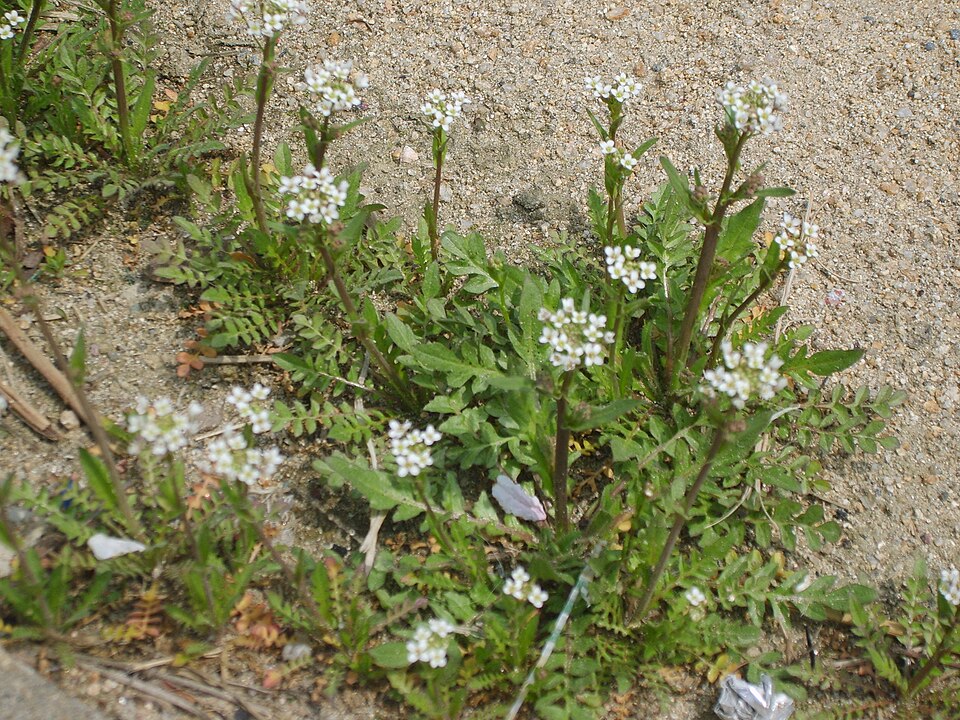
1. Shepherd’s Purse (Naengi)
Originally native to Europe, Shepherd’s Purse (Capsella bursa-pastoris) is now one of the most common wild herbs found across North America. You can easily spot it in open fields and parks by its distinct heart-shaped seed pods. In Korean cooking, we harvest the entire plant, including the root, to capture its unique pungent aroma and slightly bitter taste. Timing is crucial: you must harvest it in early spring before the white flowers bloom and the central stalk grows tall, otherwise the plant becomes inedibly tough.
- Seasoned Shepherd’s Purse: Briefly blanch the plant in boiling water. Squeeze out excess moisture, then mix by hand with a dressing of soybean paste, chili paste, sesame oil, and minced garlic.
- Rustic Doenjang Soup: Dissolve Korean soybean paste in an anchovy broth, add the washed shepherd’s purse, and simmer for a fragrant, earthy spring soup.
2. Mugwort (Ssuk)
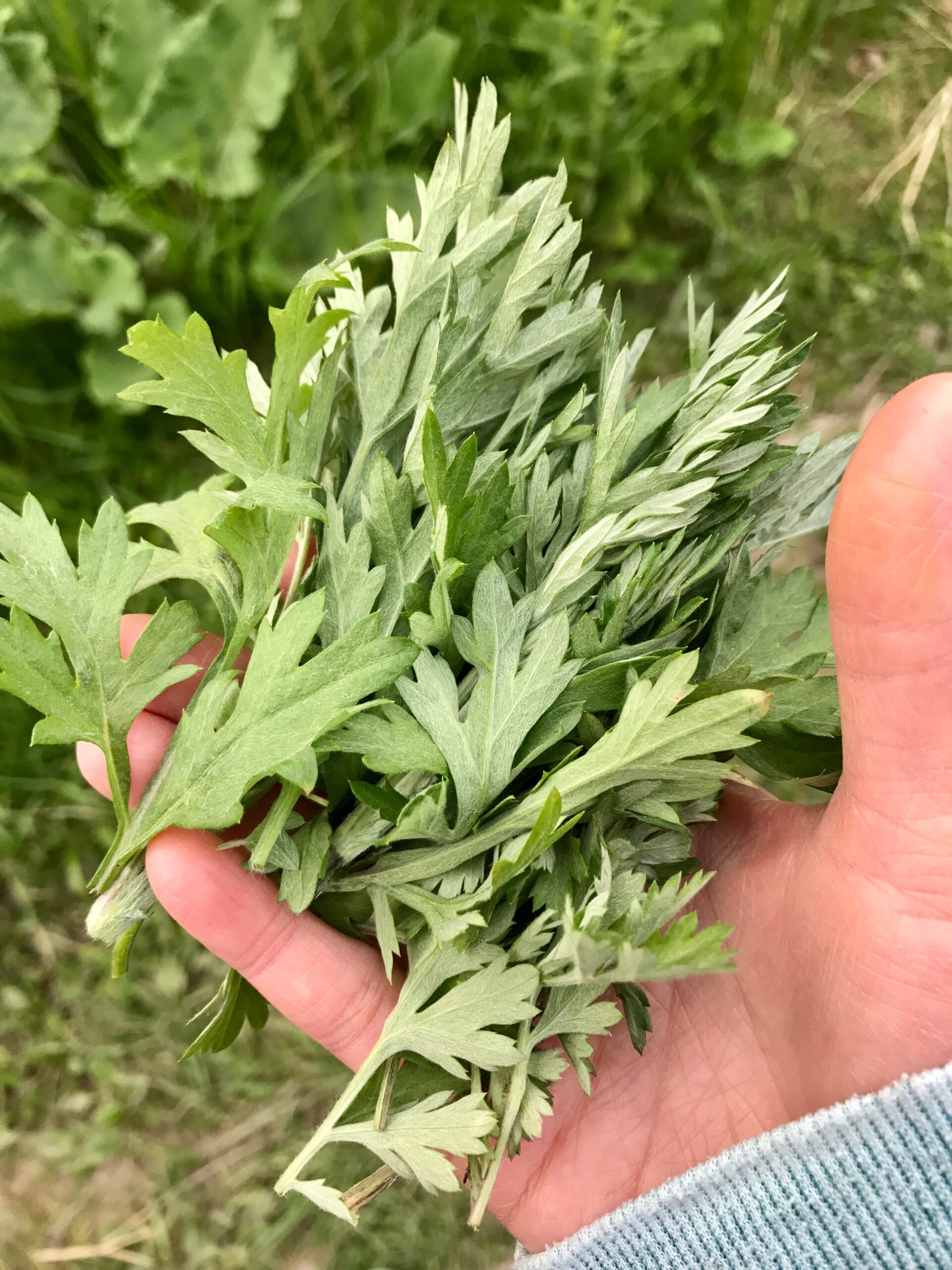
Mugwort (Artemisia vulgaris in the West, Artemisia princeps in Korea) grows abundantly in Europe and North America. In some Western regions, it is so resilient it is considered an invasive weed, making it a perfect target for eager foragers. Look for the silver-white undersides of its leaves and its intense, herbal fragrance. Harvest only the tender young leaves in early spring. Once the plant grows tall and the stems become woody in late spring or summer, it is too bitter and fibrous for culinary use.
- Mugwort Pancakes: Mix thoroughly washed mugwort leaves into a light wheat flour or Korean pancake batter and pan-fry until crispy.
- Mugwort Soup: Add tender mugwort leaves to a beef or fish-based soybean paste soup. The herb completely transforms the broth with its deep aroma.
3. Wild Garlic / Ramps (Myeongeenamul)
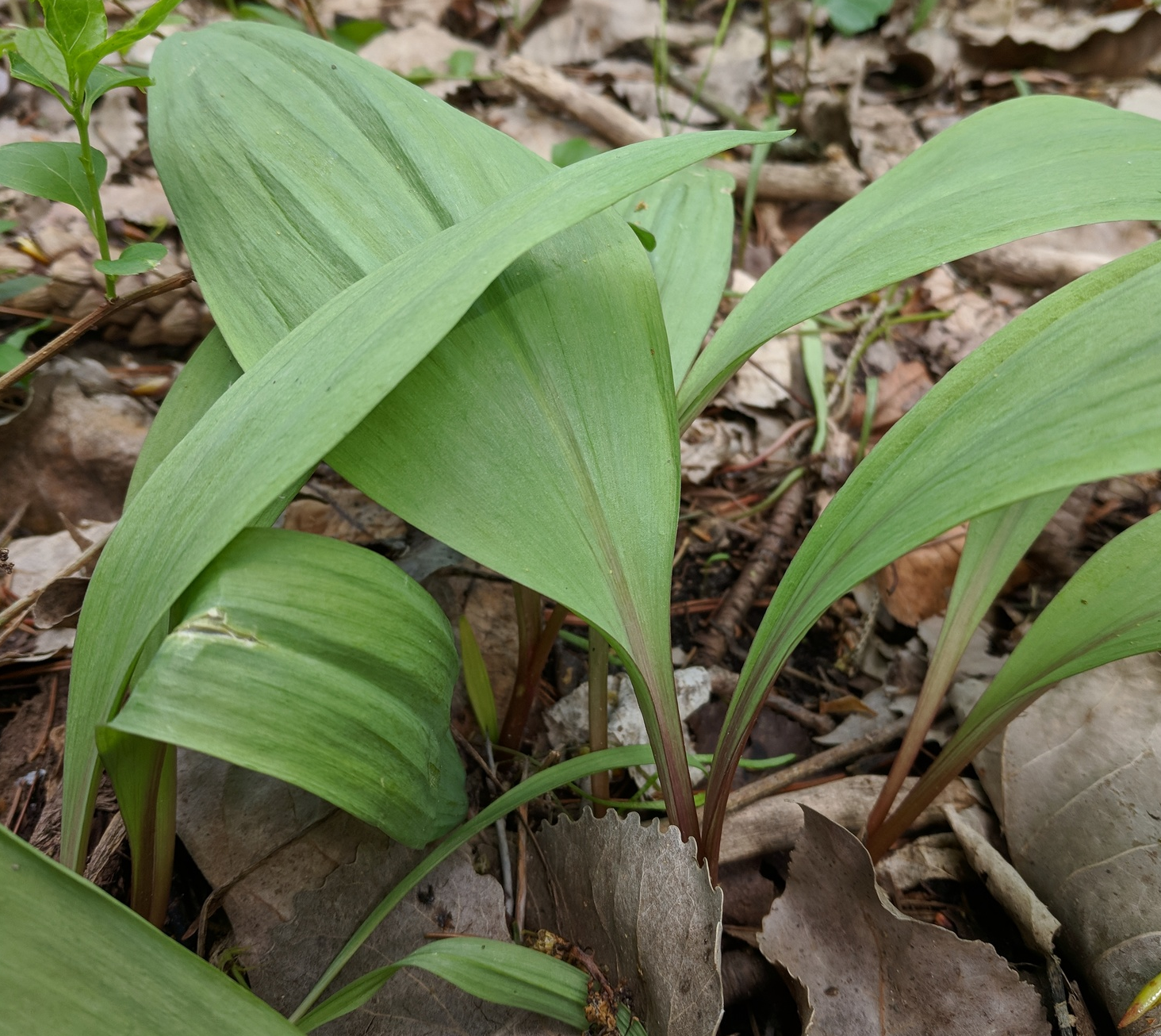
Known as Ramps or Wild Leek (Allium tricoccum) in North America, and Ramsons or Wild Garlic (Allium ursinum) in Europe, these woodland plants are close relatives to Korea’s prized mountain garlic. Found in damp deciduous forests, they offer a powerful, sweet blend of garlic and onion flavors. Harvest in early to mid-spring when the leaves are young and tender, well before the star-shaped white flowers appear. Because of their popularity, over-harvesting is a severe issue. Always harvest sustainably by cutting only one leaf per plant and leaving the bulb in the ground.
- Pickled Wild Garlic Leaves: Boil a brine of soy sauce, water, vinegar, and sugar in equal parts. Let it cool completely, then pour it over washed and dried wild garlic leaves. Let it age for a few days. This pickle is the ultimate companion for grilled pork belly.
4. Bracken Fern / Fiddleheads (Gosari)
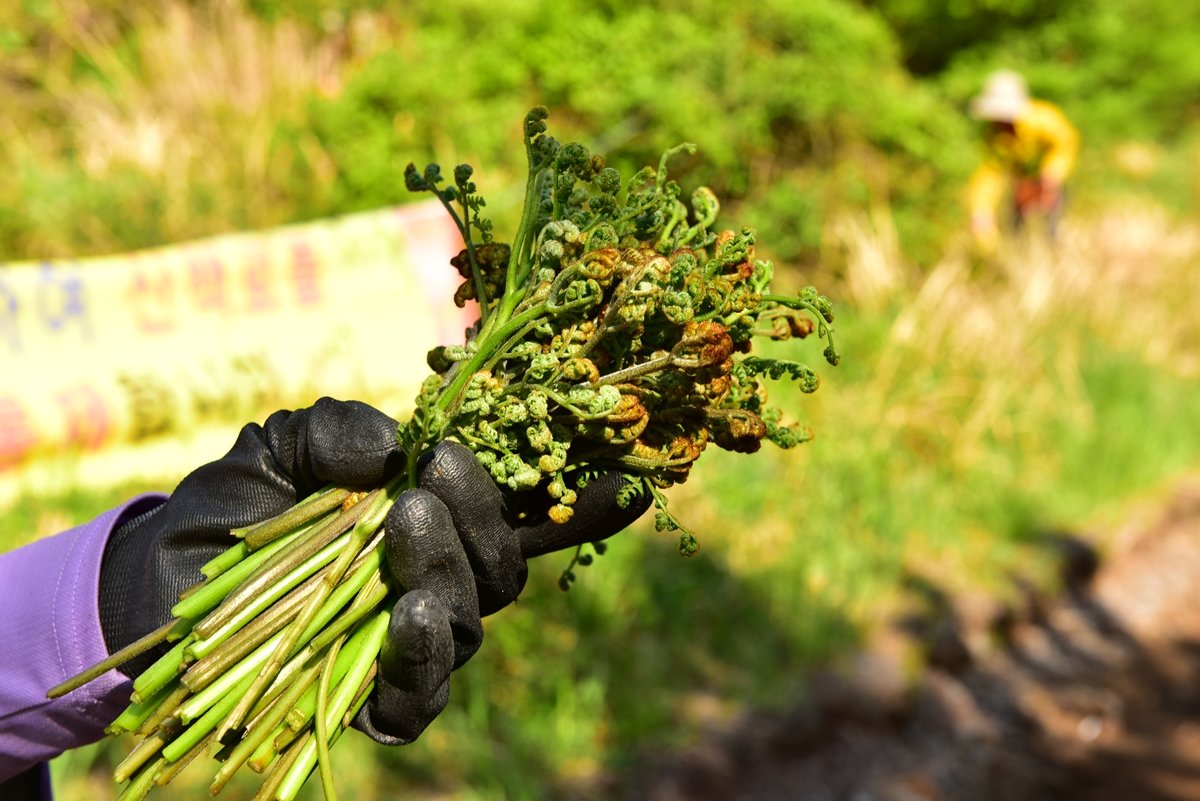
Bracken Fern (Pteridium aquilinum) and Ostrich Fern Fiddleheads (Matteuccia struthiopteris) are common in global forest margins. You must harvest only the tightly coiled, young shoots (fiddleheads) as they emerge in early spring; unfurled fronds are toxic and inedible.
In Korea, bracken is most commonly consumed as mungnamul (묵나물), which refers to wild greens that have been boiled and then completely sun-dried for long-term preservation. This traditional drying process naturally helps break down and neutralize toxins. If you are foraging fresh fiddleheads, extreme caution is paramount because raw ferns contain harmful compounds. To safely consume fresh bracken, follow this conservative method: First, boil the thoroughly washed fiddleheads in plenty of water for at least 10 to 15 minutes. Discard the boiling water. Next, submerge the boiled ferns in a large bowl of fresh, cold water for a minimum of 24 hours. You must change this water entirely every 4 to 6 hours to ensure the toxins are properly leached out. If you are uncertain about this rigorous soaking process, it is safest to dry the boiled bracken completely to make mungnamul, or simply purchase pre-processed bracken.
- Stir-fried Bracken: Once safely boiled and soaked (or reconstituted from mungnamul), stir-fry the ferns with soup soy sauce, minced garlic, and sesame oil for a savory, meaty side dish.
5. Dandelion (Mindeulle)
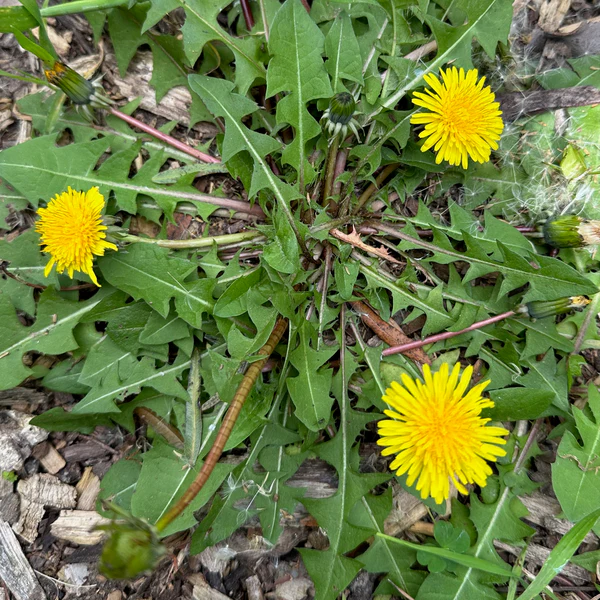
While Western homeowners often wage war against the common Dandelion (Taraxacum officinale) with herbicides, in Korea, it is celebrated as a nutritious medicinal green. Found in almost every lawn and meadow, you must harvest the young, tender leaves in early spring before the flower stalks shoot up. Once the yellow flowers bloom, the leaves become unpleasantly bitter and tough.
- Spicy Dandelion Salad: Toss clean, young dandelion leaves in a vibrant dressing made of Korean chili flakes, soy sauce, vinegar, plum extract, and a splash of sesame oil. Serve this immediately as a fresh, spicy companion to roasted meats.
| English Name | Scientific Name | Harvesting Time & Parts | Best Korean Preparation |
|---|---|---|---|
| Shepherd’s Purse | Capsella bursa-pastoris | Early spring, whole plant before flowering | Soybean paste soup, blanched salad |
| Mugwort | Artemisia vulgaris | Early spring, young tender leaves only | Savory pancakes, soups |
| Wild Garlic | Allium ursinum / tricoccum | Early to mid-spring, leaves before flowering | Soy sauce pickling |
| Bracken / Fiddleheads | Pteridium / Matteuccia | Early spring, tightly coiled young shoots | Boiled, soaked 24hrs, and stir-fried |
| Dandelion | Taraxacum officinale | Early spring, tender leaves before flowering | Fresh spicy salad |
Read More About Korean Spring Greens
If you are ready to dive deeper into the world of traditional Korean greens, I highly recommend exploring these detailed guides. They will expand your culinary repertoire and ensure you are handling these wild treasures safely and deliciously.
- [Bomnamul] How to Find and Cook Korean Spring Greens
- [Bomnamul] How to Safely Eat Toxic Korean Spring Greens (Gosari)
- How Korea Turns Invasive Weeds into Delicious Namul
Korean Culture portal KCulture.com

Founder of Kculture.com and MA in Political Science. He shares deep academic and local insights to provide an authentic perspective on Korean history and society.