The “Miracle of Taean” refers to the historic environmental recovery of the Taean Peninsula in South Korea following the catastrophic 2007 Hebei Spirit oil spill, achieved through the voluntary, manual labor of over 1.23 million citizens. If you ever feel disheartened by the sheer scale of modern ecological disasters, the story of how ordinary South Koreans united to save a dying sea offers a profound beacon of hope. In this article, I will walk you through the darkest days of the spill, the incredible analog cleanup process, and the deeply rooted cultural solidarity that made this unprecedented recovery possible.
- The Darkest Morning: The 2007 Hebei Spirit Collision
- A Desperate Shoreline: The Initial Fallout
- The Birth of a Miracle: 1.23 Million Hands at Work
- The Cultural DNA of Korean Solidarity
- Nature’s Astounding Recovery and Global Legacy
- Meaningful Places to Visit in Taean
The Darkest Morning: The 2007 Hebei Spirit Collision
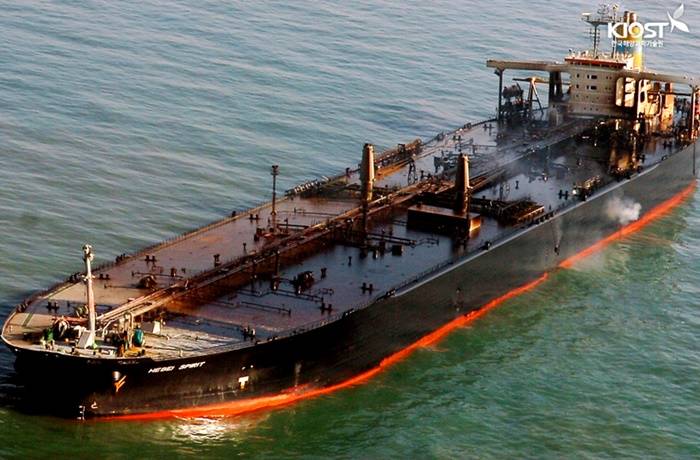
As someone living in Korea, the collective memory of December 7, 2007, still sends a chill down our spines. On that stormy winter morning, roughly 10 kilometers northwest of Mallipo Beach (만리포 해수욕장) in Taean-gun (태안군), a disaster of unimaginable proportions struck. A crane barge owned by Samsung Heavy Industries lost its tow wire in severe weather and crashed into the anchored Hong Kong-registered oil tanker, the Hebei Spirit.
The collision punctured the tanker’s cargo holds, unleashing approximately 10,900 tons (12,547 kiloliters) of crude oil into the ocean. It was the largest and most devastating marine pollution incident in South Korean history. What was once a pristine national park coastline was instantly under siege by a thick, toxic black tide.
| Fact | Details of the Disaster |
|---|---|
| Date | December 7, 2007 |
| Location | Taean Peninsula (태안반도), South Chungcheong Province |
| Spill Volume | Approx. 10,900 tons of crude oil |
| Vessels Involved | Hebei Spirit (Tanker) & Samsung Heavy Industries Crane Barge |
A Desperate Shoreline: The Initial Fallout
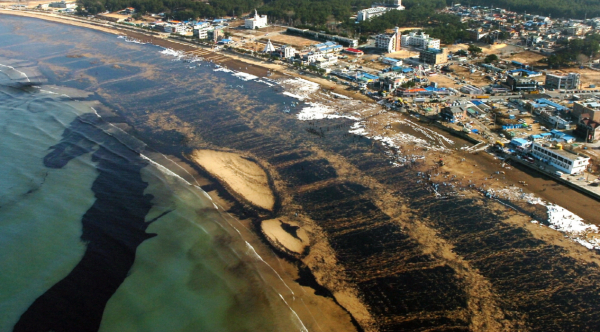
The immediate response was paralyzed by the very weather that caused the accident. High waves and gale-force winds prevented specialized cleanup vessels from approaching the spill. Before oil fences could even be deployed, the rapid ocean currents pushed the crude oil directly onto the shores of the Taean Peninsula.
The devastation was absolute. Hundreds of kilometers of beautiful coastline were smothered in black sludge. Oyster and clam farms, the lifeblood of the local economy, were completely wiped out. Migratory birds and countless marine animals perished, coated in heavy oil. For the local residents whose livelihoods depended entirely on the sea, the emotional and financial loss was catastrophic. Tragically, the overwhelming despair drove a few residents to take their own lives. At the time, environmental experts delivered a bleak prognosis: it would take at least several decades, perhaps up to a century, for the local ecosystem to fully recover.
The Birth of a Miracle: 1.23 Million Hands at Work
While international news outlets echoed the grim prediction that recovery would take decades, the South Korean people responded in a way the world had never seen. We did not wait for the government or technology to fix the problem. Instead, the citizens took matters into their own hands—quite literally.
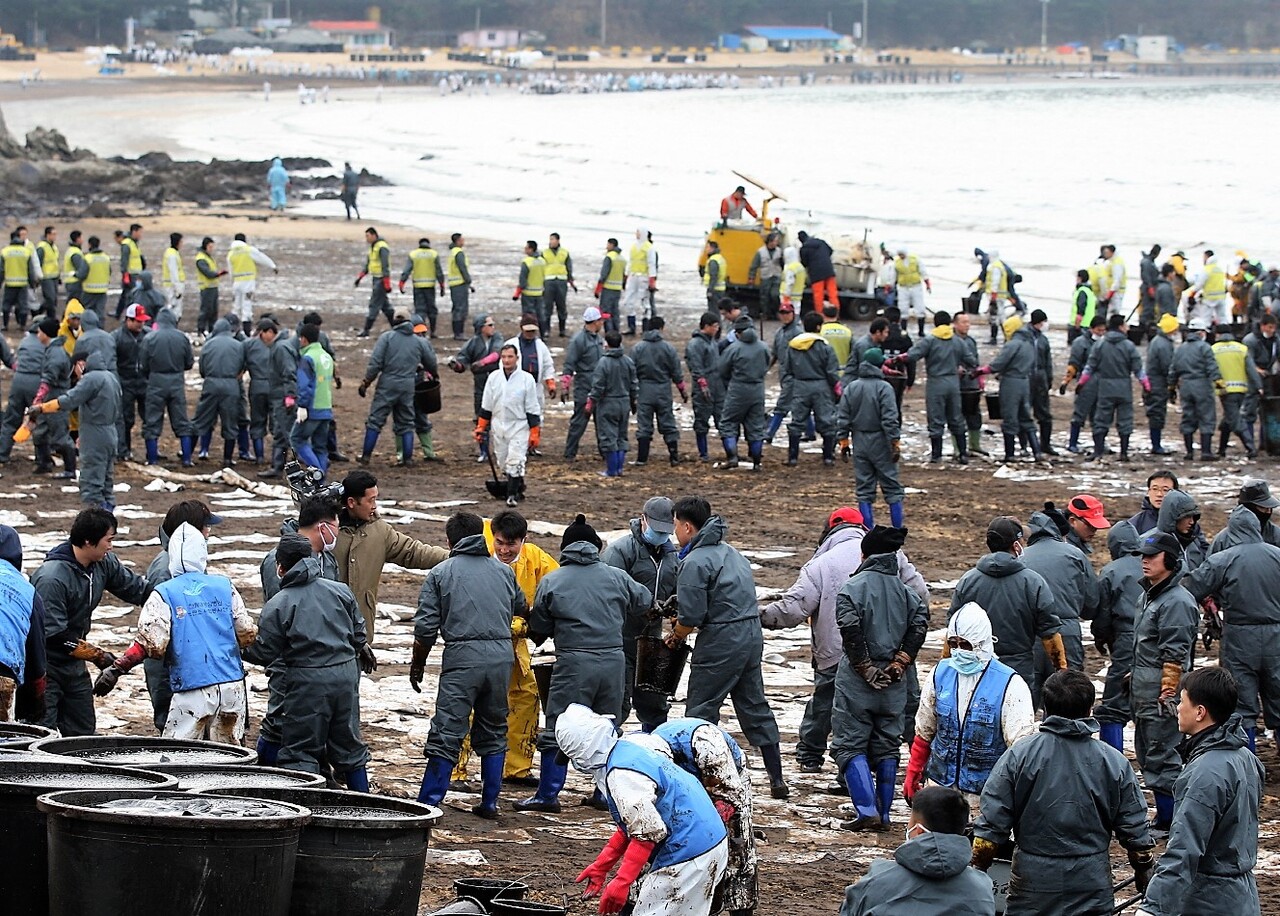
Between the day of the accident and the following year, an astonishing 1.23 million volunteers flocked to Taean from every corner of the country. To put that into perspective, that was roughly 2.5% of South Korea’s entire population at the time, abandoning their weekend plans to kneel in the freezing coastal winds.
The Human Chain and Analog Dedication
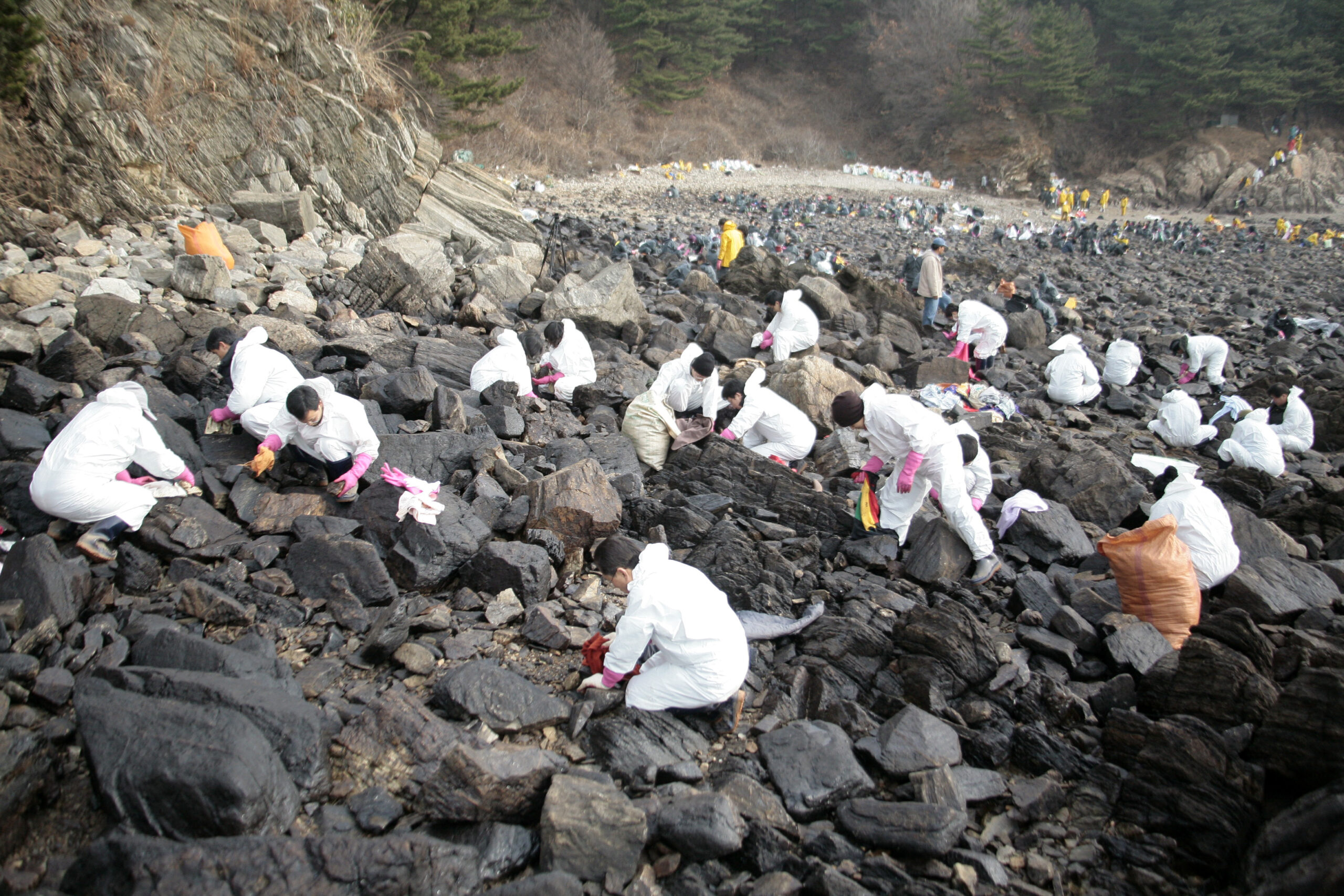
Because heavy machinery could not access the rugged shoreline and rocky crevices, the cleanup demanded grueling physical labor. Volunteers arrived wearing makeshift protective gear, armed with old clothes, discarded towels, and oil-absorbent pads brought from their own homes. Sitting on the freezing rocks, they wiped the crude oil off the stones, one by one, by hand.
- The Human Chain: To transport buckets of scooped oil and heavy sandbags filled with contaminated soil, volunteers formed massive human chains spanning the beaches, passing the heavy buckets hand-to-hand up the shoreline.
- Nationwide Donations: Those who could not travel sent relief supplies. Mountains of rubber gloves, boots, and old clothes arrived at the command centers. Salons across the country even swept up and donated cut hair, which naturally absorbs oil, to be used in the cleanup.
- Warm Meals for Cold Days: Mobile soup kitchens were set up by various community groups, ensuring that the freezing, exhausted volunteers were fed warm bowls of rice and soup free of charge.
📌 Local Note: This nationwide mobilization was entirely spontaneous. It is often compared to the famous Gold Collecting Campaign during the 1997 IMF Asian Financial Crisis, where millions of Koreans donated their personal gold jewelry to help the nation pay off its sovereign debt. The Taean response was that same spirit, applied to nature.
The Cultural DNA of Korean Solidarity
What drove 1.23 million people to perform unpaid, back-breaking labor in a toxic environment? The answer lies deeply embedded in Korean culture, specifically the concept of Jeong (정)—a profound feeling of connection, empathy, and collective responsibility. When the residents of Taean wept on national television, the rest of the country did not see it as someone else’s problem; they saw their own neighbors in agony.
Furthermore, South Korea’s highly connected digital infrastructure played a crucial role. Before the era of modern smartphones, bustling internet cafes, hobbyist blogs, and university forums became digital command centers. Messages like “Let’s go to Taean this weekend” went viral. Strangers organized massive carpools, and corporations actively encouraged their employees to go by offering paid volunteer leave. A systematic, civil-military-corporate cooperation naturally organized itself out of the initial chaos.
Nature’s Astounding Recovery and Global Legacy
The result of this monumental human effort was nothing short of miraculous. Defying the bleak predictions of experts, the sea began to breathe again. Within just one to two years, the oil had been cleared enough for popular beaches to safely reopen to the public. Slowly but surely, the marine ecosystem stabilized, and the fishing grounds returned to life.
The Taean miracle is no longer just a local legend. In 2022, the historical value of this civic triumph was globally recognized. Over 222,000 records detailing the disaster response, including the logs of the volunteers and the coordination efforts, were inscribed on the UNESCO Memory of the World Register for the Asia-Pacific region.
Reflecting on this as a storyteller of Korean history, the Taean oil spill remains a powerful testament to the human spirit. The state and modern technology may have been powerless against the wrath of the disaster, but the sheer willpower, empathy, and calloused hands of 1.23 million ordinary people proved that humanity can, in fact, heal the deepest wounds we inflict upon the earth.
Meaningful Places to Visit in Taean
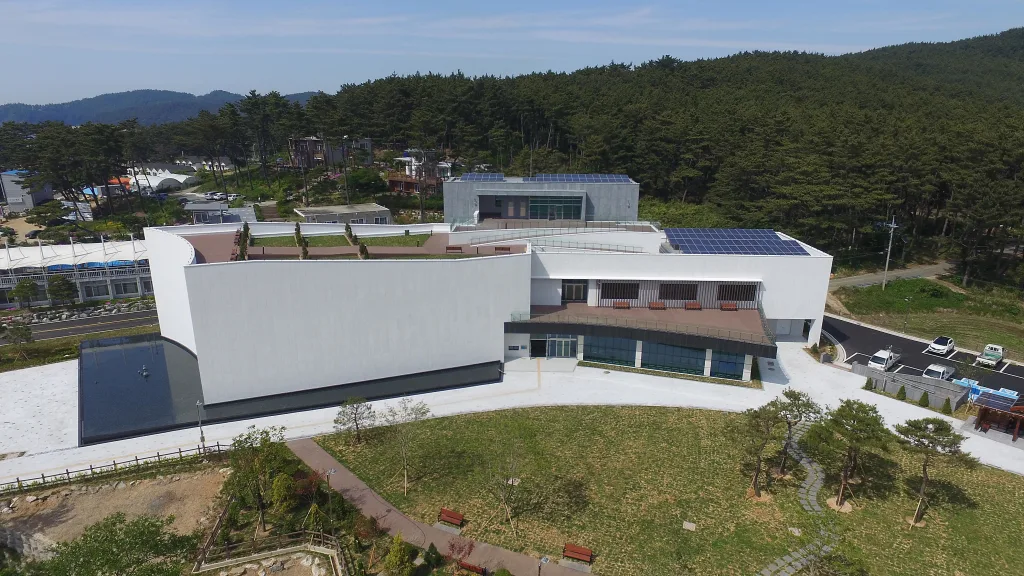
If you wish to see the results of this historic civic effort with your own eyes, Taean offers several meaningful destinations that commemorate the miracle.
- Taean Oil Spill Memorial Hall (유류피해극복기념관): Located right next to the disaster’s ground zero near Mallipo Beach, this museum is dedicated entirely to the 1.23 million volunteers. It houses the UNESCO-inscribed records, photographs, and the very tools—such as oil-stained clothes, gloves, and buckets—used during the cleanup operations.
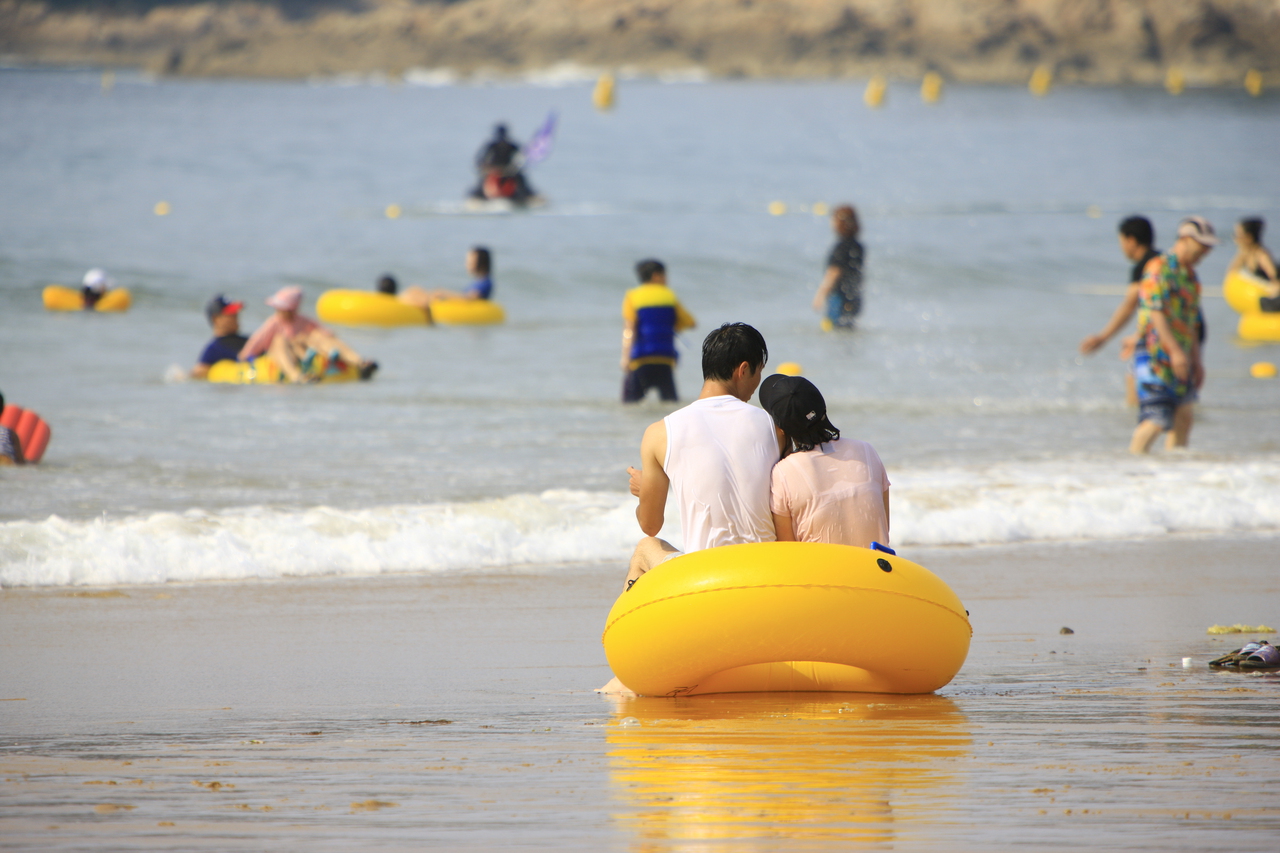
- Mallipo Beach (만리포 해수욕장): Once covered in thick, toxic black sludge, this beautiful crescent-shaped beach is now fully restored. Walking along its pristine shoreline today is a powerful, living reminder of nature’s resilience and human dedication.
- Taean Haean National Park (태안해안국립공원): Explore the scenic coastal trails known as Haebyeongil (해변길). As you hike along the cliffs and rocky shores where volunteers once scrubbed stones by hand, you can witness the thriving marine ecosystem that was once feared lost for a century.
Korean Culture portal KCulture.com

Founder of Kculture.com and MA in Political Science. He shares deep academic and local insights to provide an authentic perspective on Korean history and society.