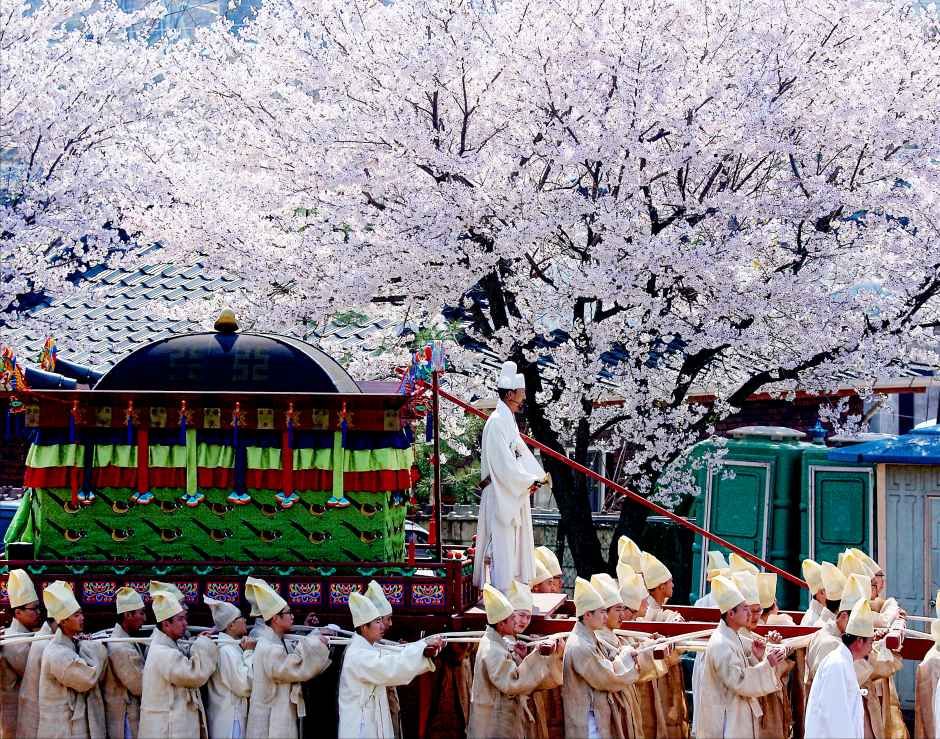
The Danjong Cultural Festival in Yeongwol is an annual commemorative event honoring the tragic life of King Danjong, the 17-year-old boy king of the Joseon Dynasty who was unjustly exiled and executed. Beyond a simple memorial, this festival serves as a profound historical testament to the resilient compassion of the grassroots people who protected his legacy against ruthless political oppression for over five centuries. Living in Korea, I have seen how this historical sorrow has transcended time, beautifully transforming into a celebration of humanity, justice, and community spirit. Recent cultural phenomena, including the hit film The King’s Warden, have sparked a renewed global interest in this poignant chapter of Korean history. In this guide, we will explore the deep socio-historical meaning of the festival, the emotional bond between the locals and the fallen king, and the majestic 550-year-delayed state funeral.
- The Bond Between Yeongwol and King Danjong
- A History of Suppression and Resurrection
- The 550-Year Delayed State Funeral
- Socio-Historical Significance
- Visitor’s Guide: What to See and Do
- Further Reading on Korean History
The Bond Between Yeongwol and King Danjong
To truly understand the emotional core of this festival, one must look back to the bloody political purges of the 15th century. In 1457, the young King Danjong was stripped of his power by his ambitious uncle, King Sejo, and banished to the rugged, isolated mountains of Yeongwol. When the boy king was ultimately forced to drink poison, King Sejo issued a terrifying decree: anyone who dared to collect his body would face the annihilation of three generations of their family.
While the central government and the rest of the nation turned a blind eye in fear, the people of Yeongwol chose humanity over survival. Eom Heung-do, a local official, risked unimaginable horrors to secretly recover the king’s body under the cover of darkness, burying him in a hidden grave on a snowy mountain. This singular act of defiance set the tone for centuries to come.
For the locals, King Danjong was not merely a deposed monarch; he was an innocent youth crushed by the brutal machinery of power. Their profound compassion led them to secretly tend to his grave and hold clandestine memorial services. Over time, this deep-seated empathy evolved into a form of local folk religion. The marginalized, abandoned king was embraced by the marginalized commoners, eventually being revered as a local guardian deity who protected the villages of Yeongwol.
A History of Suppression and Resurrection
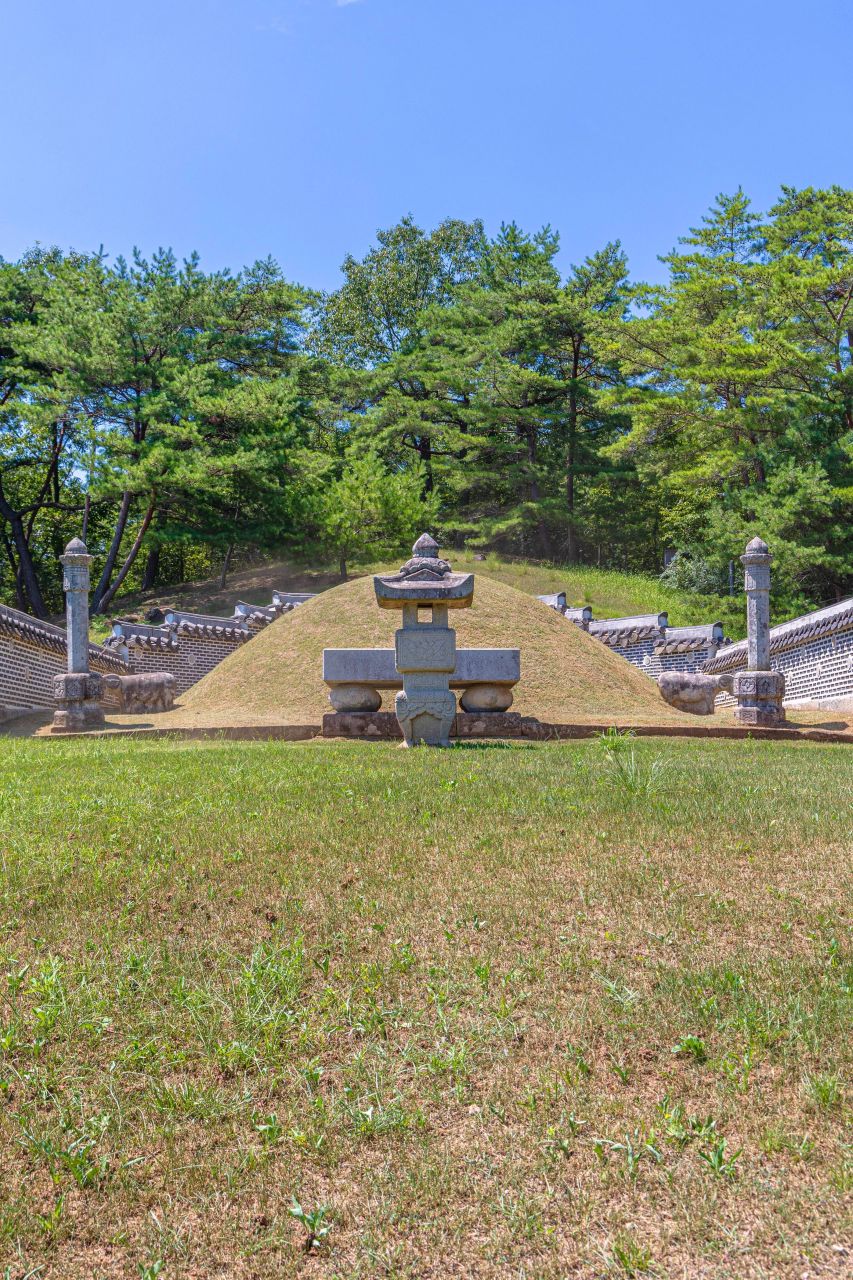
The journey from a secret burial to a grand cultural festival is a testament to the unyielding spirit of the Korean grassroots. For over two hundred years, the people mourned in silence. Finally, in 1698, during the reign of King Sukjong, King Danjong was officially restored to his royal title. From then on, the Joseon royal court held formal memorial services at Jangneung (장릉), the royal tomb of King Danjong.
By 1791, under King Jeongjo, the ceremony expanded into the nation’s only “Festival of Loyal Subjects,” simultaneously honoring the 268 loyalists who sacrificed their lives for the young king. However, this sacred tradition faced a severe threat during the Japanese colonial period (1910–1945). The colonial authorities, intent on obliterating Korean cultural identity, forcibly banned the memorials and the massive community Arrowroot Rope Pulling event—a tradition used to unite the villagers and console the king’s spirit.
💡 Historical Insight: The suspension of the festival during the colonial era could not erase the king from the hearts of the locals. Immediately after Korea’s liberation, the people of Yeongwol voluntarily revived their suppressed traditions. By 1967, they officially launched the first “Danjong Festival,” which has since blossomed into the magnificent cultural heritage we see today.
The 550-Year Delayed State Funeral
Perhaps the most awe-inspiring element of the modern festival is the reenactment of the State Funeral. Because Danjong was demoted to “Prince Nosan” at the time of his death, he was denied the formal, majestic funeral rites befitting a Joseon king. It wasn’t until 2007, during the 41st Danjong Cultural Festival, that this historical wrong was visually and spiritually righted.
Based on meticulous historical research, the people of Yeongwol finally gave their king the royal send-off he was denied 550 years prior. Thousands of locals and visitors now participate in the grand procession, donning traditional mourning attire. As countless elegy banners flutter in the wind, the heavy sorrow of the past is lifted. This grand reenactment is not just a performance; it is a massive ritual of spiritual resolution, soothing centuries of historical grief.
Socio-Historical Significance
The Danjong Cultural Festival transcends the boundaries of a typical memorial. It is a powerful narrative of resilience, loyalty, and human dignity.
- Resilience Against Oppression: The festival symbolizes the enduring vitality of the Yeongwol people. They defied the deadly decrees of a Joseon tyrant and survived the cultural erasure of Japanese imperialism, proving that true heritage lives in the hearts of the people.
- Humanity Over Power: It is a story where the warm, fierce compassion of the grassroots triumphs over the cold, ruthless nature of political power. The locals protected the ultimate victim of a political purge, demonstrating a profound respect for human life.
- Redefining Loyalty: The festival honors not blind obedience, but the unwavering integrity of the 268 loyalists and the courageous local official Eom Heung-do. It celebrates those who refuse to compromise with injustice.
Visitor’s Guide: What to See and Do
For those planning to immerse themselves in this rich historical tapestry, the Yeongwol region transforms into a living museum every spring.
| Category | Details & Tips |
|---|---|
| When to Visit | Held annually over three days in late April (typically from Friday to Sunday). |
| Key Locations | Events are spread across Jangneung (장릉), the Yeongwol Donggang River Basin (영월 동강둔치), and Cheongnyeongpo (청령포). |
| State Funeral Reenactment | The undisputed highlight. Witnessing the massive, solemn procession of the royal funeral rites is a breathtaking experience. Check the local schedule as night-time processions offer an incredibly moving atmosphere. |
| Memorial Service | Held at Jangneung, this is a rare opportunity to observe the strict, elegant rituals of a Joseon Royal Tomb ancestral rite. |
| Arrowroot Rope Pulling | A massive, energetic folk game where villagers weave giant ropes from arrowroot to build community solidarity and comfort the king’s soul. |
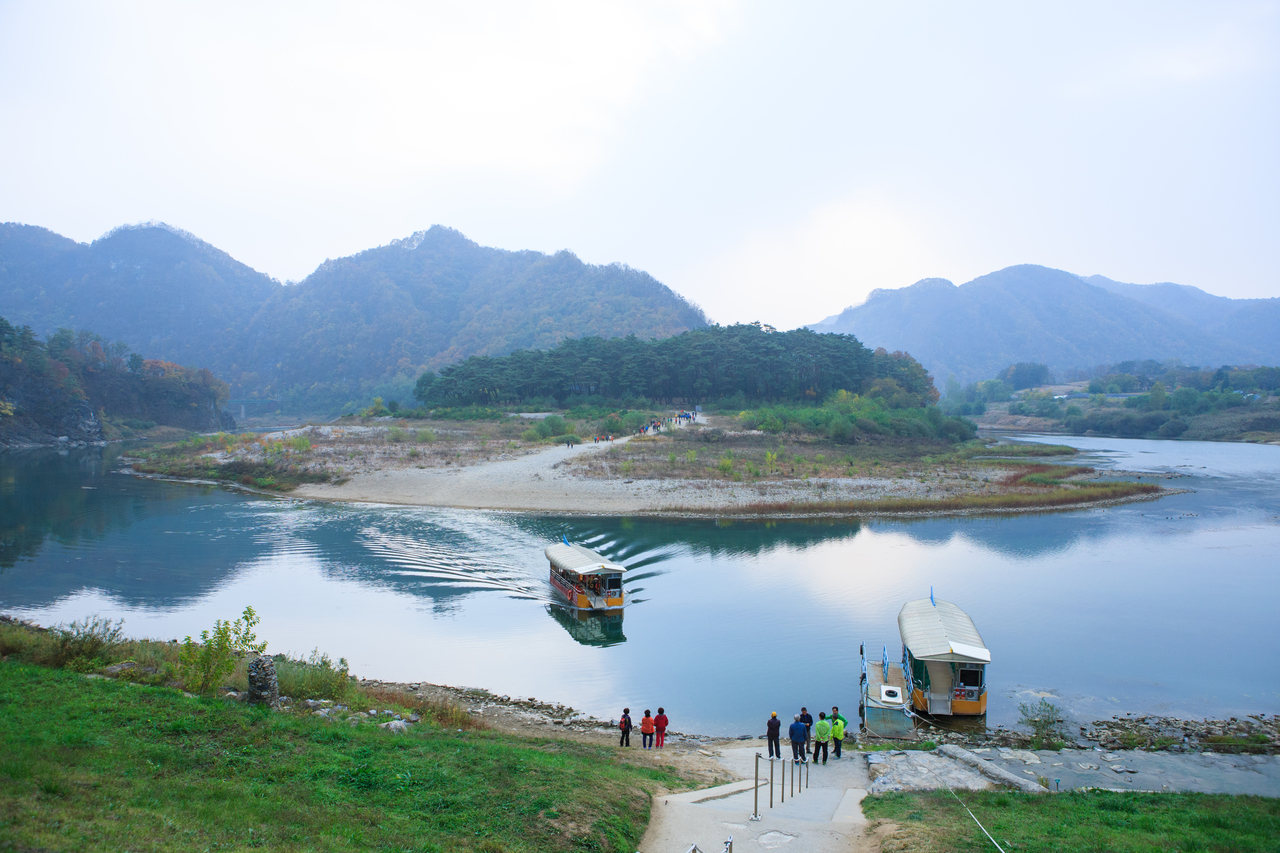
| Cheongnyeongpo Exile Site | A beautiful but melancholic pine forest surrounded by a river, accessible only by a short boat ride. Walk among the ancient trees, including the famous “Gwaneumsong” pine, which is said to have heard the young king’s weeping. |
Further Reading on Korean History
To deepen your understanding of the political turmoil that led to King Danjong’s exile, and the recent cinematic interpretations of this era, explore our detailed analyses below:
Korean Culture portal KCulture.com

Founder of Kculture.com and MA in Political Science. He shares deep academic and local insights to provide an authentic perspective on Korean history and society.