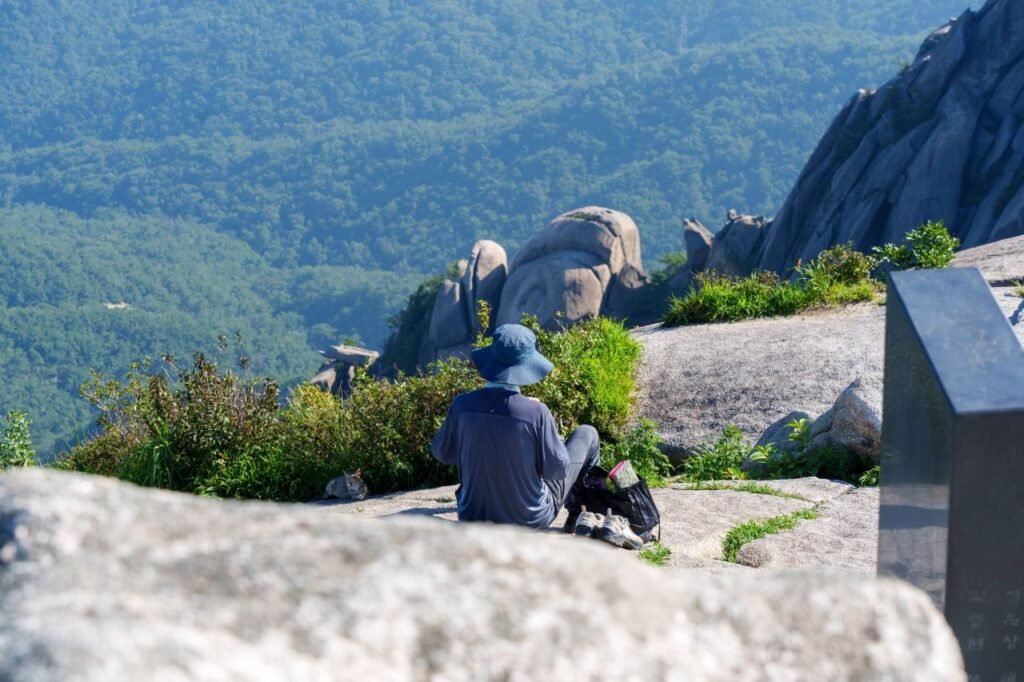
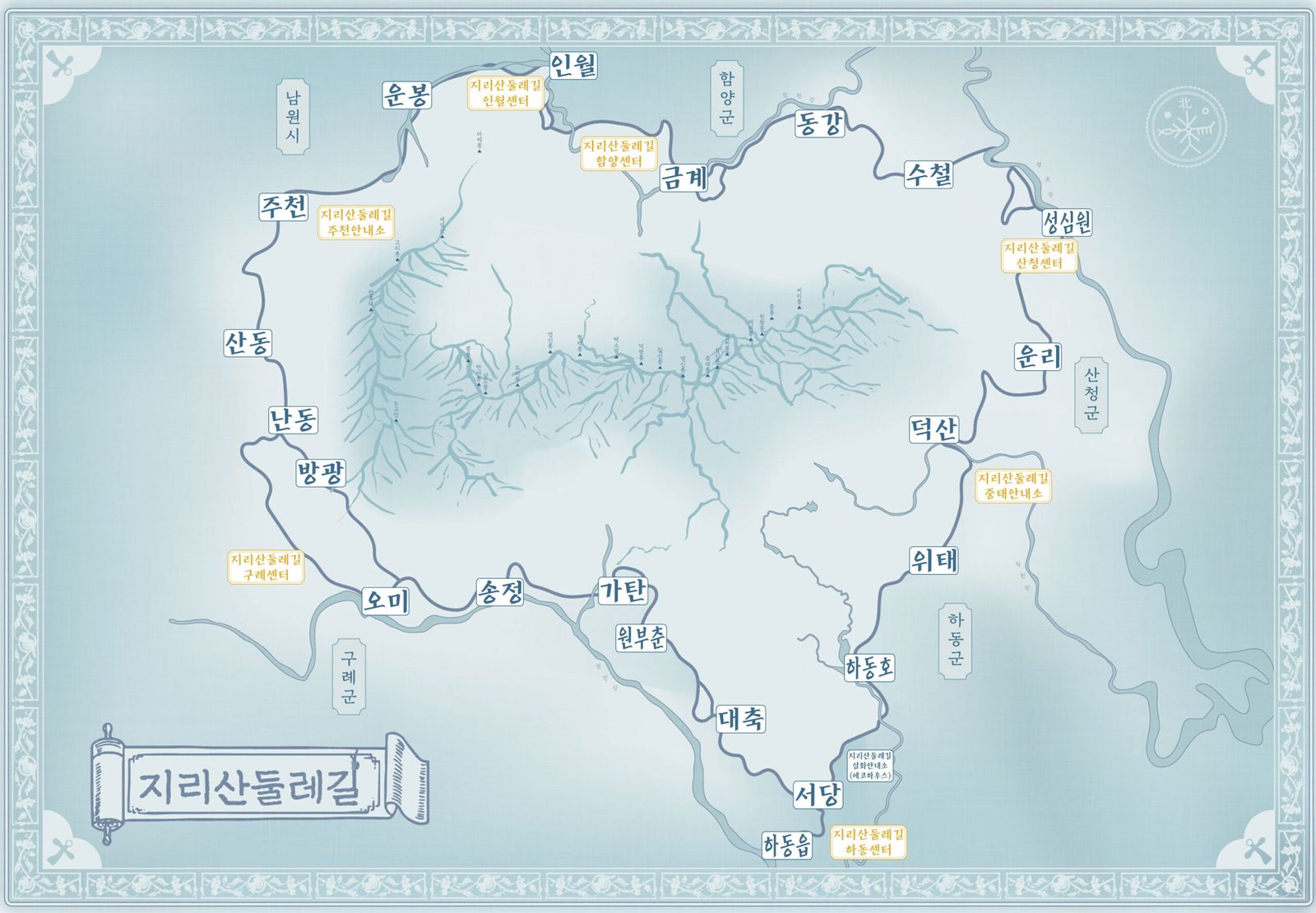
The Jirisan Dulle-gil (지리산 둘레길) is a magnificent 295-kilometer (183-mile) network of walking trails that circles the entire base of Jirisan National Park (지리산국립공원), offering an immersive cultural journey through three provinces and over 100 rural villages. If you are searching for a profound, authentic way to experience Korea’s natural beauty without battling steep inclines, this trail is your perfect match. Living in Korea, I have found that while reaching the mountain’s peak is a thrilling achievement, walking its perimeter is like having a long, intimate conversation with the mountain itself. In this guide, we will explore the best courses, the most beautiful seasons to visit, essential practical tips, and safety guidelines to help you plan an unforgettable journey.
- Forget the Summit: What is the Jirisan Dulle-gil?
- Top Recommended Courses & Characteristics
- The Best Time to Visit: Autumn Magic and Spring Blooms
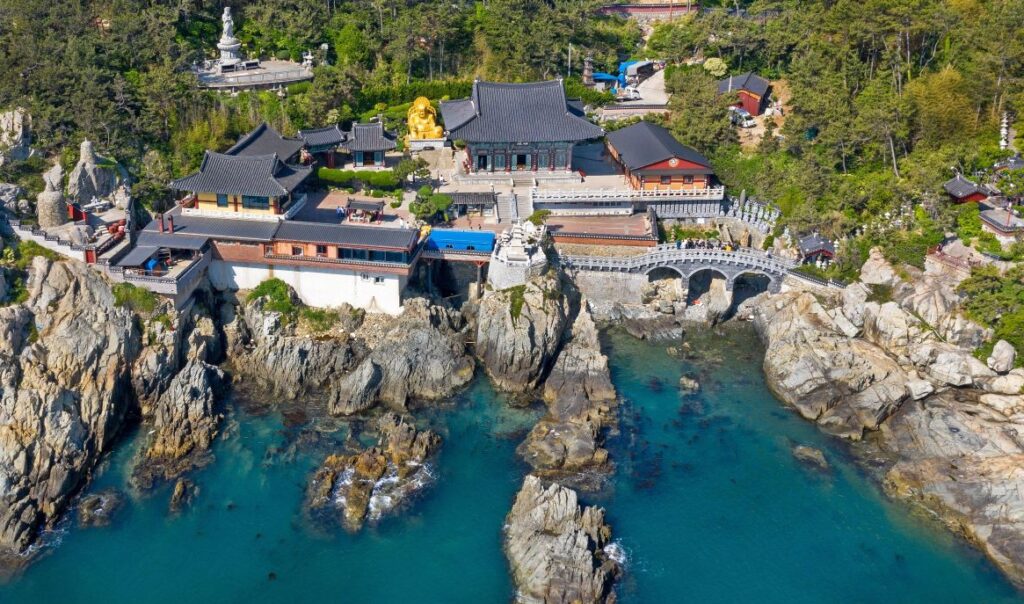
- A Spiritual Journey: Historic Temples Along the Way
- Time Required & Practical Tips for Visitors
- Safety Guidelines and Emergency Contacts
- FAQ
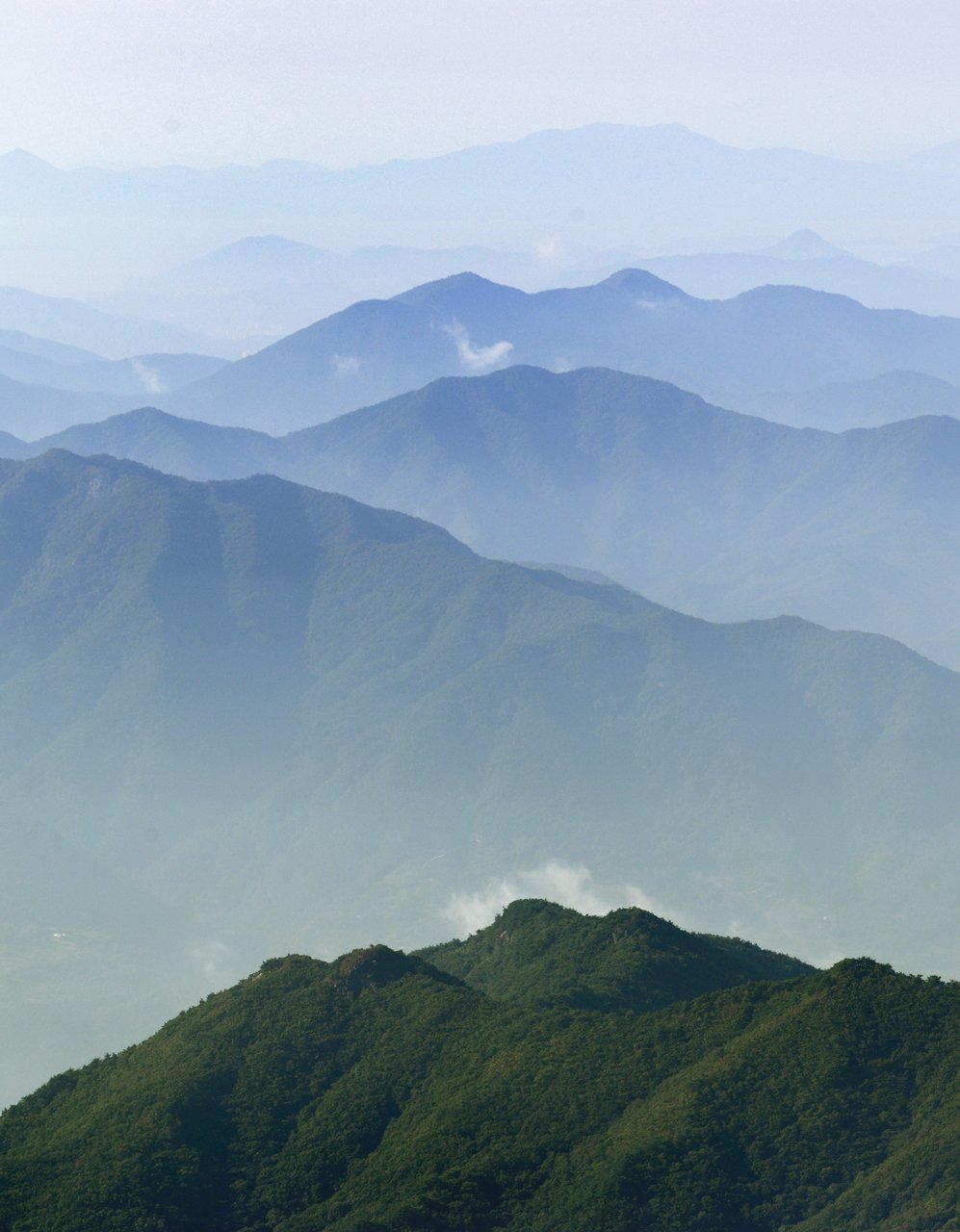
Forget the Summit: What is the Jirisan Dulle-gil?
When most people talk about Jirisan, Korea’s first and largest national park, they are usually talking about hiking up to its highest point, Cheonwangbong Peak (천왕봉). It is a truly sacred mountain, and climbing it is an incredible physical feat.
However, the Dulle-gil offers a completely different philosophy. Rather than a single trail leading to a summit, it is a massive circular route connecting the Jeollanam-do, Jeollabuk-do, and Gyeongsangnam-do provinces, spanning five distinct counties. As you walk, the trail winds through ancient villages, terraced rice paddies, quiet bamboo forests, and alongside sparkling streams. It is the ultimate form of slow travel in Korea.
Top Recommended Courses & Characteristics
Almost no one hikes the entire 295-kilometer loop in one go, as that would take roughly 15 to 20 days! Most locals and visitors pick a specific section for a day hike or a weekend getaway. The official trail system uses start and end village names to designate the routes, which adds a wonderful local touch.
- Inwol – Geumgye (인월 – 금계): Widely considered a must-see course. It features stunning terraced rice paddies known as darak-non. It provides a perfect, iconic snapshot of the harmony between Korea’s natural landscape and traditional agricultural life.
- Jucheon – Unbong (주천 – 운봉): This is a highly popular and relatively easy section, making it absolutely perfect for beginners or families who want a gentle stroll through beautiful rural scenery.
The Best Time to Visit: Autumn Magic and Spring Blooms
While the trails are open year-round, timing your visit can dramatically change your experience. Because we are currently enjoying the crisp air of March 2026, spring is highly relevant, but autumn remains the undisputed champion of the Dulle-gil.
Autumn (September to November)
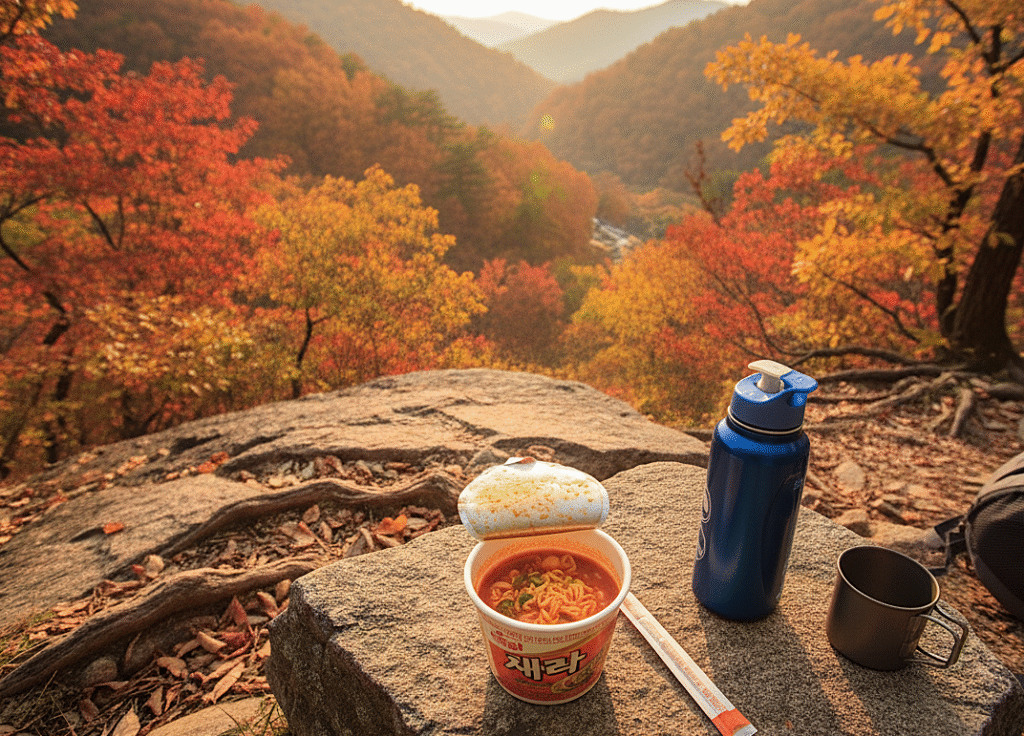
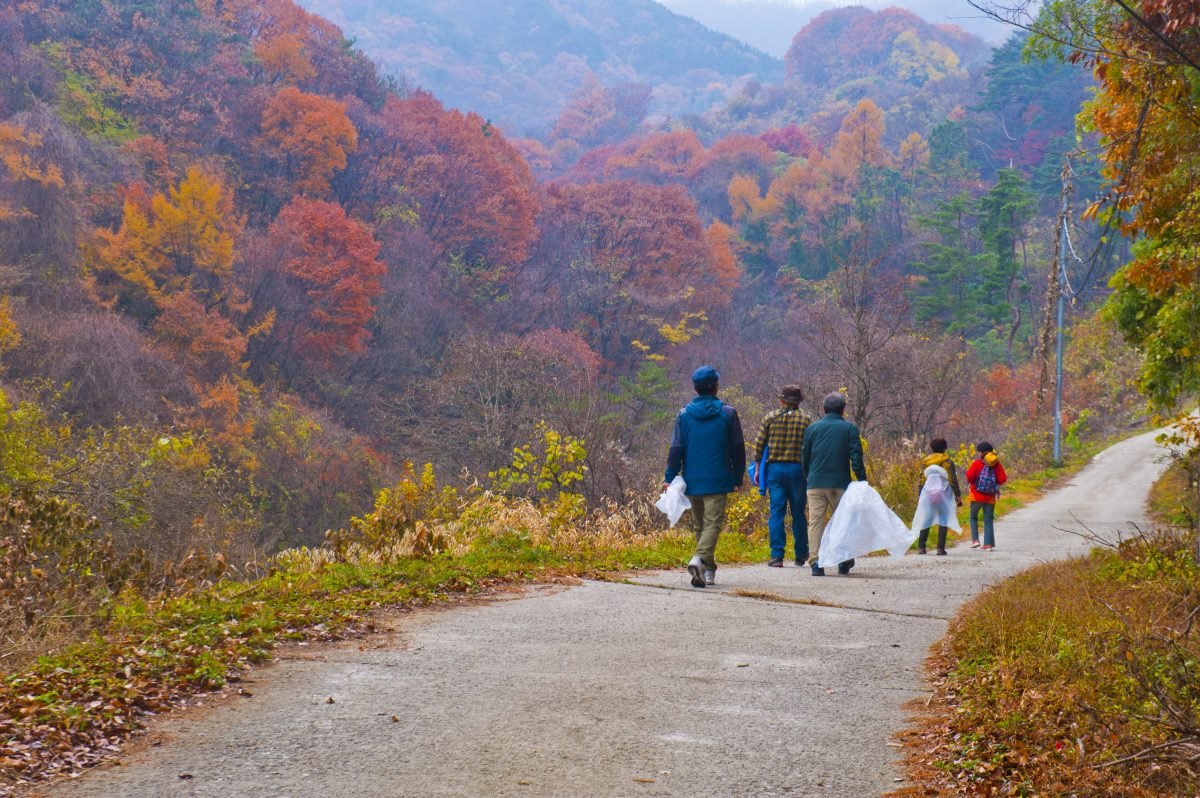
Autumn on the Dulle-gil is simply next-level. The weather is crisp and dry, allowing you to walk for hours without overheating. The mountain slopes blaze with red, orange, and yellow foliage beneath impossibly blue skies. You will walk past golden fields ready for harvest and see bright red chili peppers drying in the sun in front of village homes. It is a feast for the soul.
Spring (March to May)
Spring brings a gentle awakening to the mountain. As the snow melts, the valleys fill with blooming cherry blossoms, azaleas, and fresh green shoots. The weather is mild, making it an excellent time for longer, multi-day walks.
A Spiritual Journey: Historic Temples Along the Way
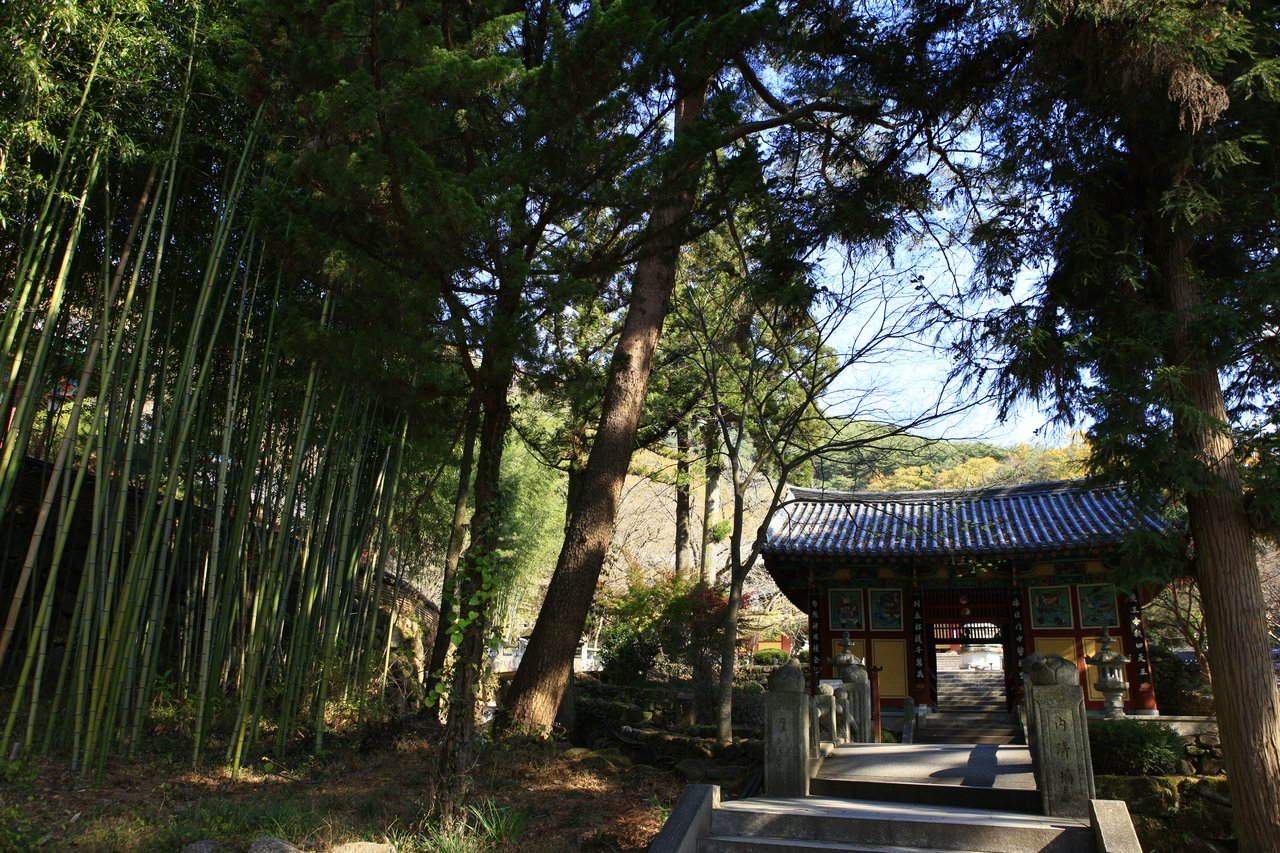
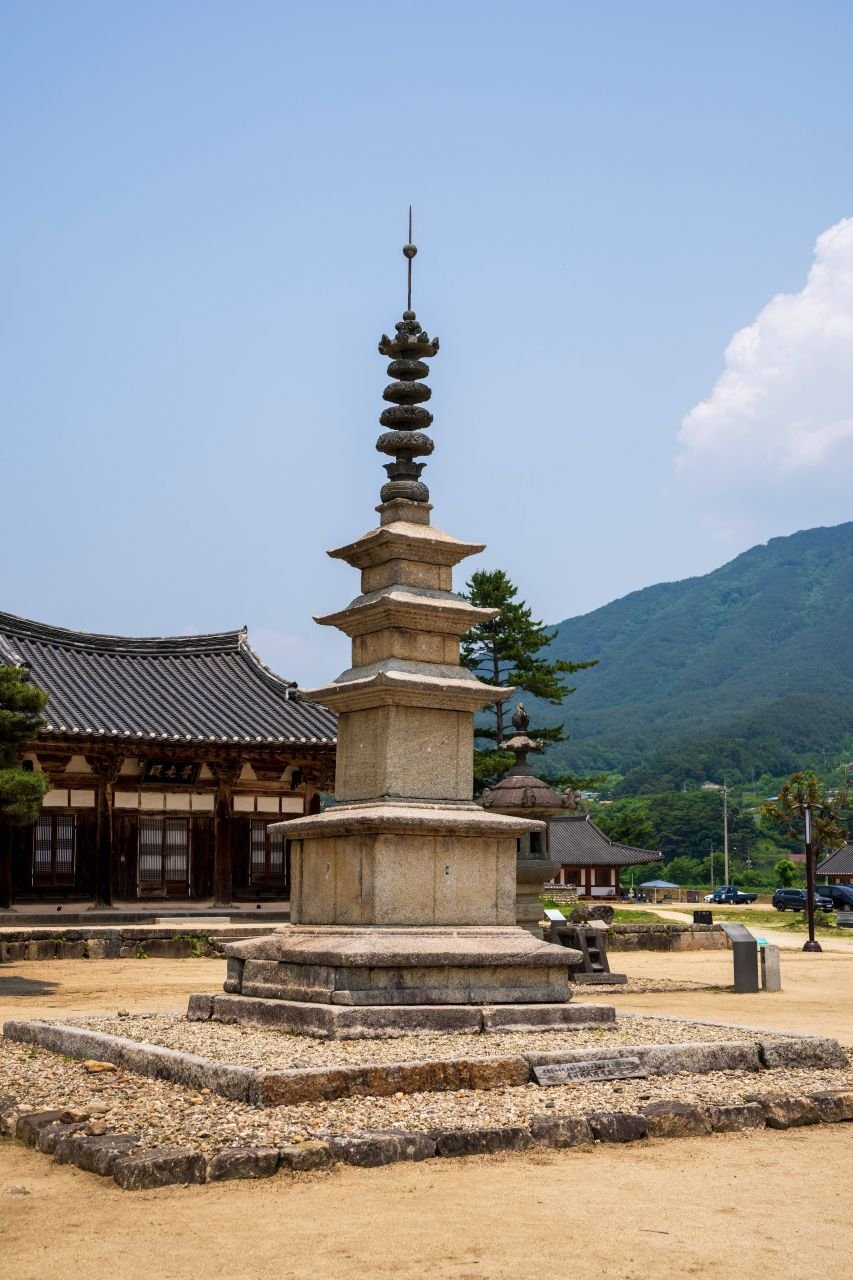
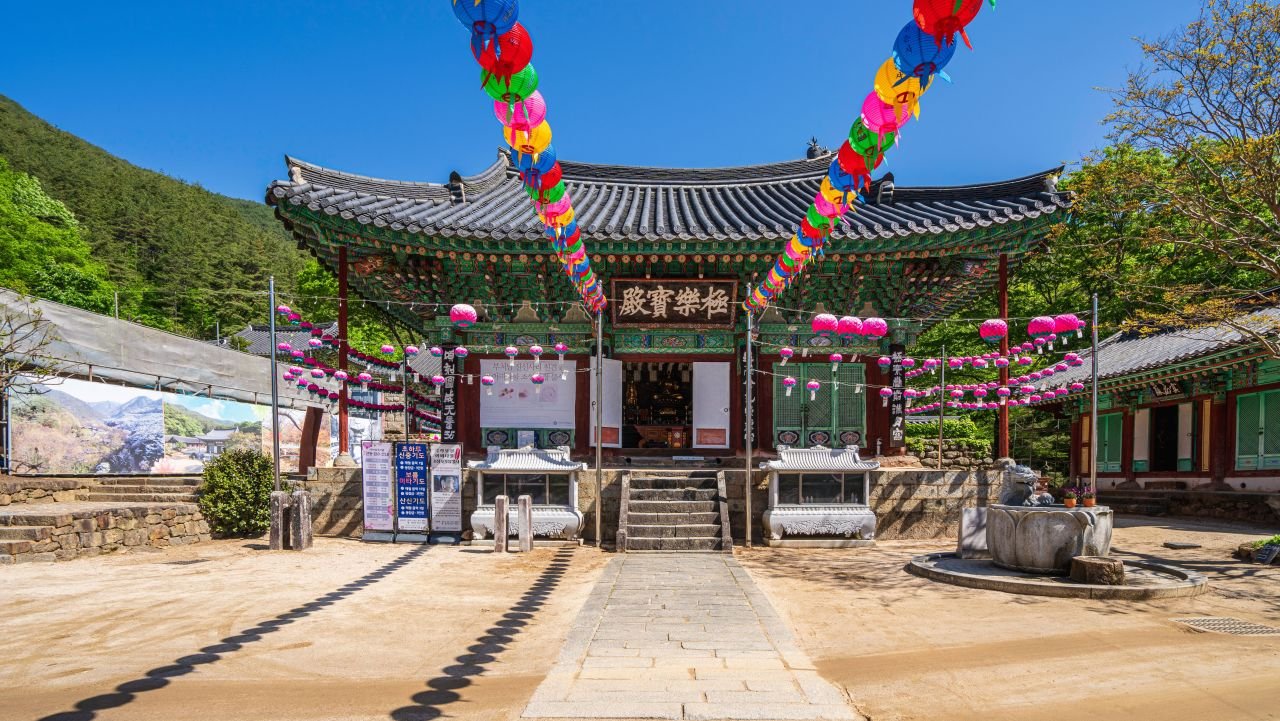
One of the greatest benefits of the Dulle-gil is that it puts you right at the doorstep of some of Korea’s most important historical and Buddhist sites. If your chosen route passes near one, taking a detour is highly recommended.
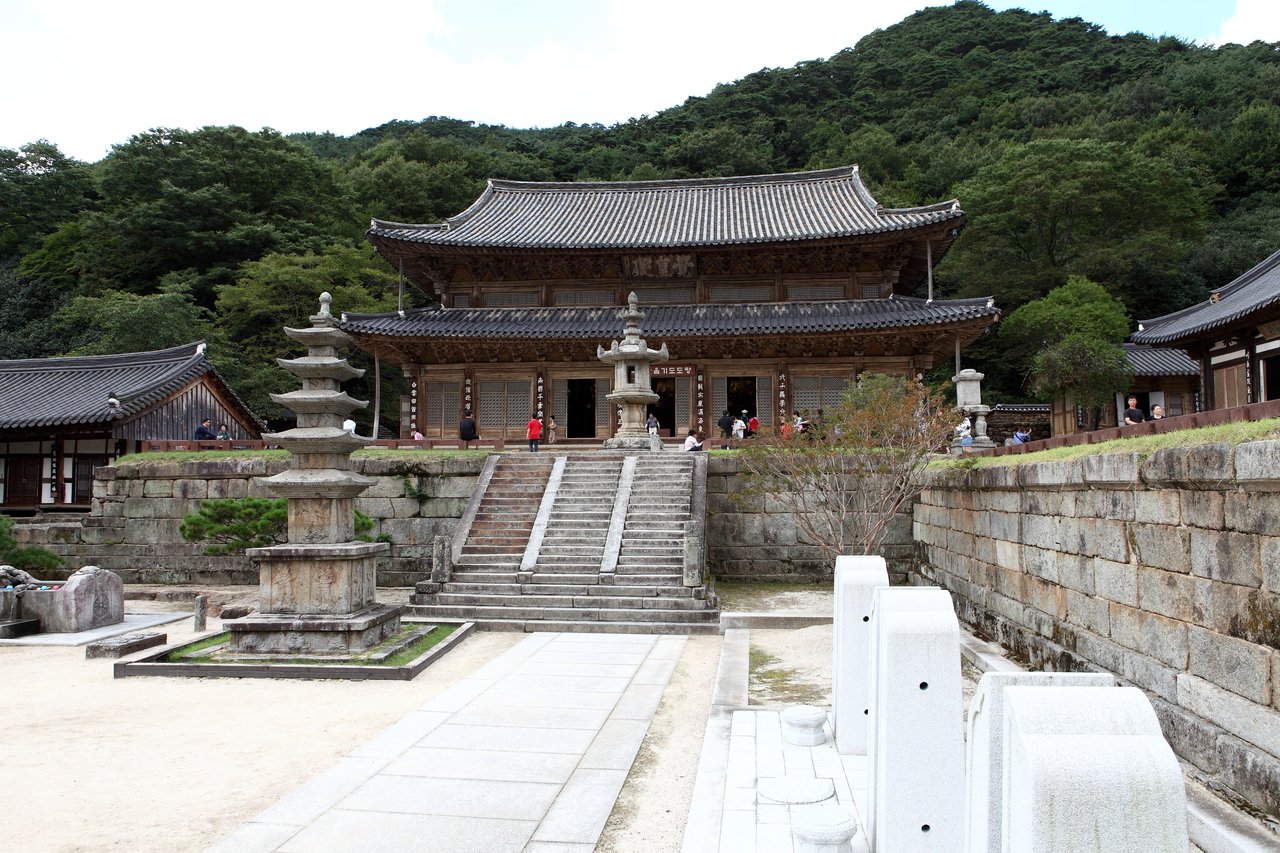
- Hwaeomsa Temple (화엄사): A massive, historically significant site near the Omi – Banggwang (오미 – 방광) course. As one of Korea’s ten great temples, it is famous for its grand Gakhwangjeon Hall and a stunning four-lion, three-story stone pagoda.
- Ssanggyesa Temple (쌍계사): Accessible near the Daechuk – Wonbuchun (대축 – 원부춘) course in Hadong. Famous for its deep history with traditional Korean tea, the road leading up to it is lined with old cherry trees—making it a legendary spring destination.
- Silsangsa Temple (실상사): Located near the Jucheon – Unbong course in Namwon. Unlike temples tucked deep into mountain valleys, Silsangsa sits on a wide-open plain, offering a uniquely serene atmosphere and housing numerous national treasures.
- Cheoneunsa Temple (천은사): Accessible from the Omi – Nandong (오미 – 난동) course. Translating to “Hidden Spring Temple,” it sits peacefully behind a beautiful reservoir, serving as the perfect quiet rest stop.
Time Required & Practical Tips for Visitors
Walking the Dulle-gil requires a bit of logistical planning, as it is fundamentally different from a standard national park day hike.
💡 Local Note on Accommodation: This is not a wilderness trail designed for camping. The route deliberately connects villages. You will stay in Minbak (민박), which are private guesthouses run by locals. You must book these in advance, especially during the peak spring and autumn seasons. Do not just show up expecting an empty room!
Transportation is Tricky
Many sections are located in remote areas where local buses are infrequent and taxis are scarce. Always check your transportation logistics before departing. The official Dulle-gil website(Click on your desired course in the ‘Route Information‘ section, and essential information such as transportation and accommodations will be displayed at the bottom of the page.) and the government’s Forestrip platform are the best resources for checking local bus schedules corresponding to your specific trail section.
📌 Expand Your Korean Hiking Journey:
If you are planning to explore more of Korea’s fantastic trails, be sure to read our related guides:
Hiking in Korea: The Complete Guide for Foreign Travelers
Jeju Olle Trail: The Best Courses & How to Book Your Hiker Stay
Safety Guidelines and Emergency Contacts
Even though you are walking around the mountain rather than up it, Jirisan’s weather can change rapidly. Trails may be temporarily closed due to heavy summer rains or unexpected winter snow. Always verify the forecast before setting out.
| Regional Center | Emergency Contact Number |
|---|---|
| Hadong Center (하동) | 055-884-0854 |
| Gurye Center (구례) | 061-781-0850 |
| Namwon Center (남원) | 063-635-0850 |
| Hamyang Center (함양) | 055-964-8200 |
| Sancheong Center (산청) | 055-974-0898 |
FAQ
How long does it take to walk one section?
Most individual sections are between 10 to 15 kilometers long. Depending on your walking pace and how many times you stop to admire the scenery or visit a temple, expect a single section to take between 4 to 7 hours.
Do I need advanced hiking gear?
You do not need heavy mountaineering gear, but comfortable, well-broken-in walking shoes or light hiking boots are essential. Because you will be walking on dirt paths, paved village roads, and forest trails, layered clothing and a good daypack are highly recommended.
Walking the Jirisan Dulle-gil is one of the most rewarding and authentic travel experiences you can have in Korea. You are not rushing to a peak; you are absorbing the culture, tasting local foods, and seeing the majestic mountain from every possible angle.
Korean Culture portal KCulture.com

Founder of Kculture.com and MA in Political Science. He shares deep academic and local insights to provide an authentic perspective on Korean history and society.