Decoding Joseon Literati Painting Masterpieces: Jeong Seon and Kim Jeong-hui
Joseon literati painting masterpieces, known as Muninhwa, are not mere visual representations but profound philosophical expressions where scholars painted their inner spirit, intellect, and emotions, famously exemplified by Jeong Seon’s True-View landscapes and Kim Jeong-hui’s deeply symbolic Sehando. Have you ever stared at a traditional East Asian ink painting and felt like you were missing the deeper story? I often see art enthusiasts struggle to connect with the “why” behind these monochrome works. Today, we will explore the true essence of Korean literati art by decoding the visionary works of two historical titans, helping you understand the powerful human stories, social contexts, and philosophical messages hidden within their brushstrokes.
- The Soul of the Scholar: What is Muninhwa and Its Social Power?
- Jeong Seon: Breathing Life into True-View Landscapes
- Kim Jeong-hui: The Polymath Who Abstracted the Mind
- The Legacy of Joseon Literati Painting Masterpieces
The Soul of the Scholar: What is Muninhwa and Its Social Power?
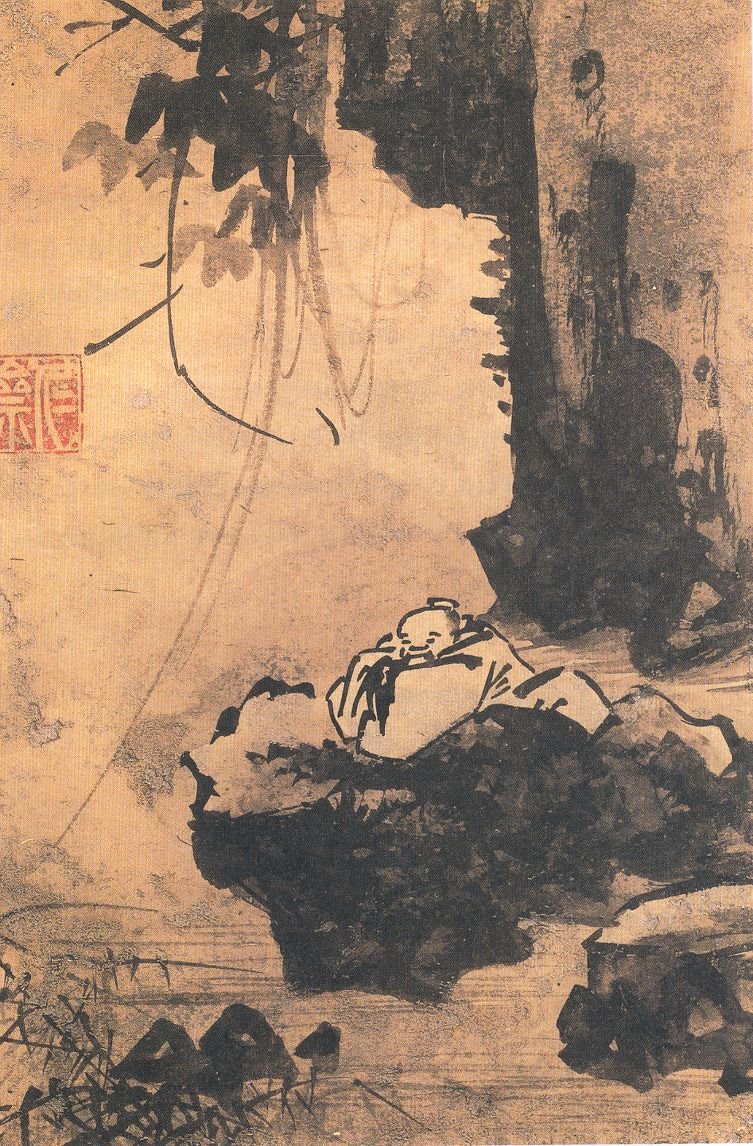
To truly appreciate traditional Korean art, we first need to understand the concept of Muninhwa (문인화), or literati painting. During the Joseon Dynasty, society was strictly divided, and the ruling class of scholar-officials, known as Sadaebu (사대부), did not view painting as a mere profession or a tool to capture realistic likenesses. Painting for a living was left to the middle-class professional court painters.
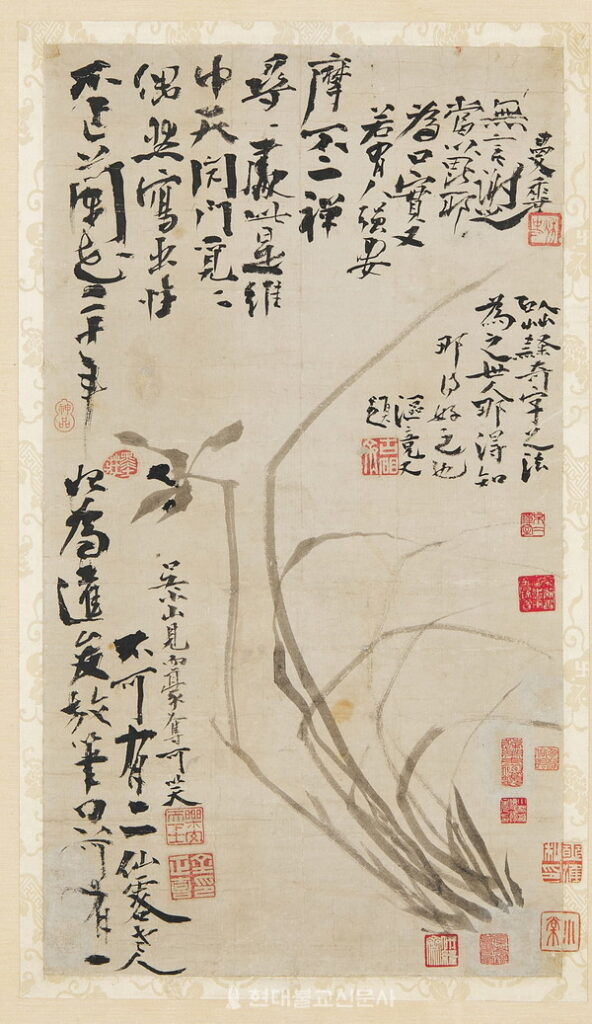
For the scholar elite, Muninhwa was a powerful social identifier and a philosophical practice. It was the ultimate demonstration of the “Three Perfections”—poetry, calligraphy, and painting—woven into a single masterpiece. Instead of focusing on Hyeongsa (the exact physical resemblance of an object), these scholar-artists prioritized Saui (painting the idea, inner spirit, or moral integrity).
Furthermore, Muninhwa carried immense social meaning. These paintings functioned as high-level intellectual currency. Scholars gifted them to peers to cement political alliances, express subtle dissent against corrupt officials, or showcase their purity and Confucian virtues during times of hardship. When they put brush to paper, they were not just making art; they were writing a visual autobiography of their soul and social standing.
Jeong Seon: Breathing Life into True-View Landscapes
Before the 18th century, Korean artists mostly painted idealized, imaginary landscapes inspired by Chinese art manuals. Then came Jeong Seon (1676–1759), widely known by his pen name Gyeomjae. Born into a distinguished but impoverished noble family, Jeong Seon spent his early years observing the natural beauty of his surroundings. Driven by a deep love for his homeland and fueled by a lifelong, inspiring friendship with the great poet Yi Byeong-yeon, Jeong Seon revolutionized Korean art.
The “True-View” Misconception
Jeong Seon boldly stepped out of the studio, hiked the rugged mountains of Korea, and created a groundbreaking style called Jingyeong Sansuhwa (진경산수화), meaning True-View Landscape Painting. However, “True-View” is often misunderstood as Western photographic realism. This is completely false.
Jeong Seon did not set up an easel to copy exactly what his eyes saw. Instead, he absorbed the gi (기), the life force and spiritual energy of the landscape. He would intentionally exaggerate the size of a mountain peak, rearrange valleys, and use bold, dramatic brushstrokes to capture the emotional “truth” of the place. He was painting the majestic feeling of the Korean landscape as experienced by a Korean scholar, making it a distinctly psychological and philosophical endeavor rather than a scientific one.
Inwangjesaekdo: A Prayer in Ink
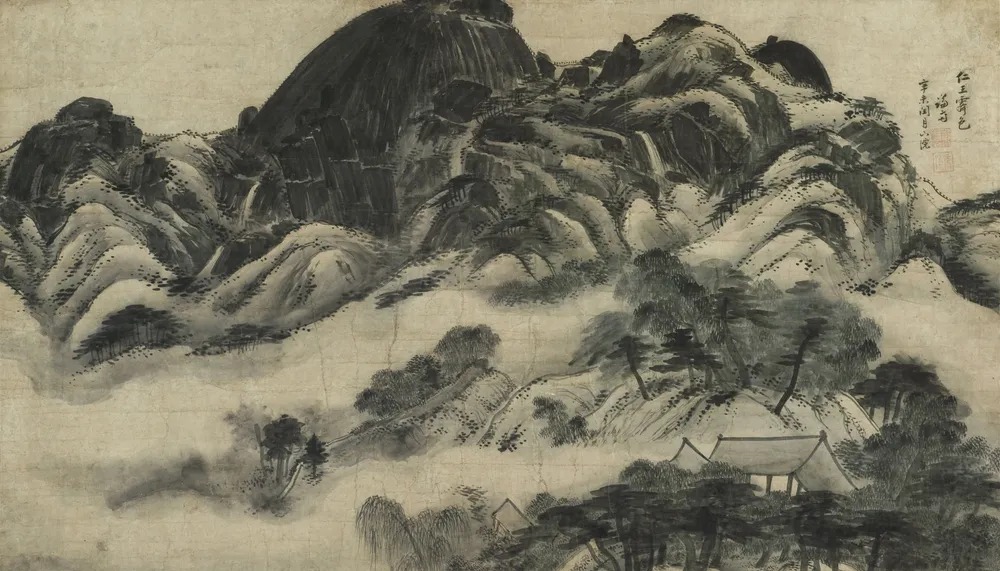
Painted in 1751, Inwangjesaekdo (Scene of Mt. Inwang After Rain) is arguably Jeong Seon’s most emotional work. It depicts the rocky peaks of Mt. Inwang (인왕산) in Seoul just as a heavy summer rainstorm clears. This masterpiece is actually a desperate prayer. Jeong Seon painted it when his closest friend, Yi Byeong-yeon, was critically ill. The massive, dark granite rocks, painted with heavy, wet-on-wet ink strokes (jeokmukbeop), convey the artist’s heavy, anxious heart. The sweeping white mist, created simply by leaving the paper blank, adds a divine, almost overwhelming presence. He manipulated the landscape to scream his grief and hope onto the paper.
Geumgangjeondo: Painting the Universe
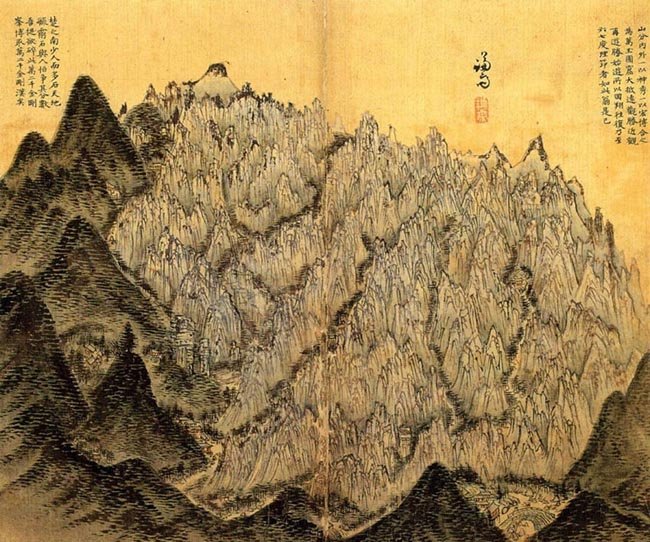
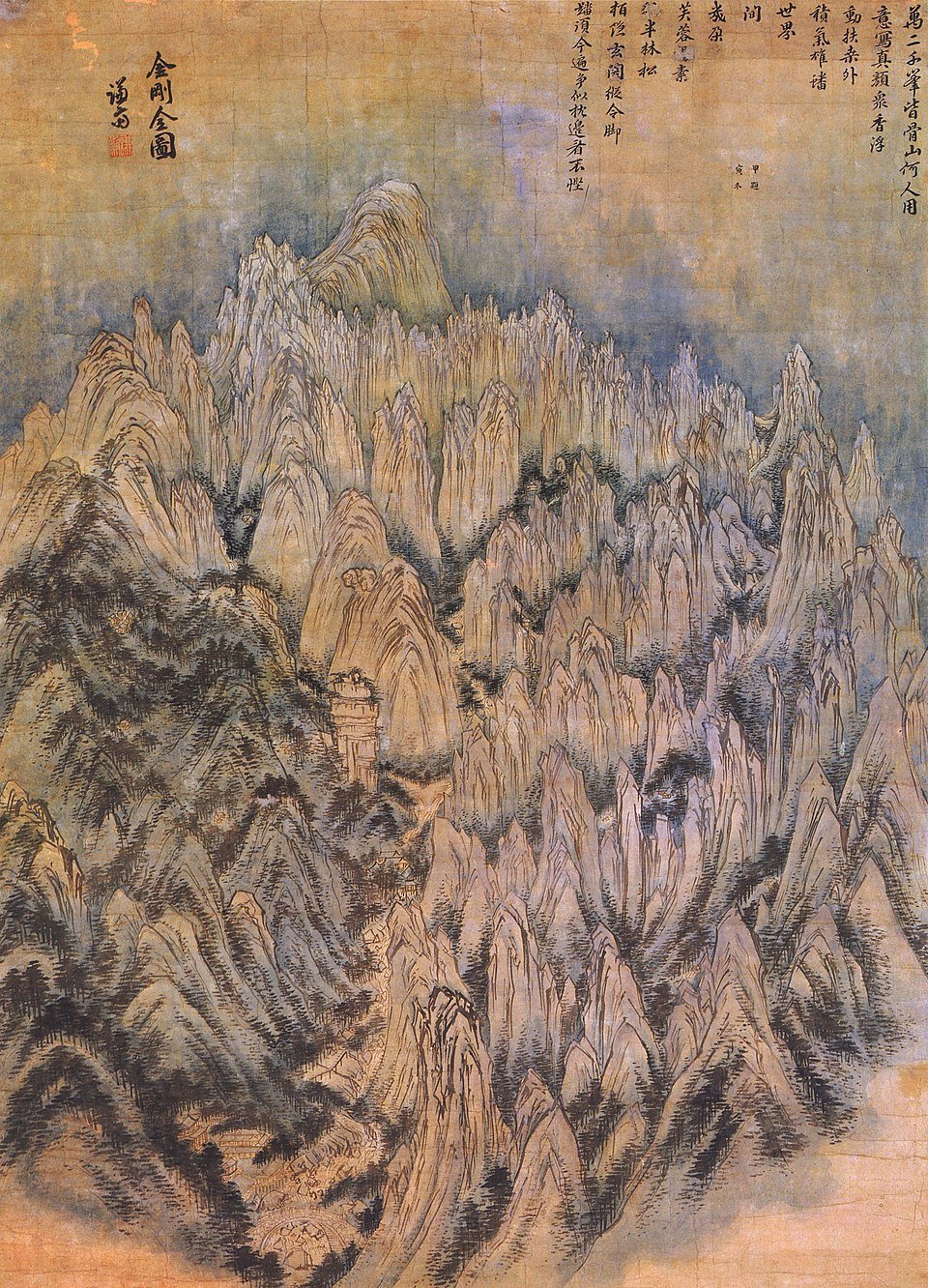
Another monumental work is Geumgangjeondo (General View of Mt. Geumgang), an awe-inspiring aerial perspective of the legendary Diamond Mountains. Here, Jeong Seon painted how the universe worked according to Neo-Confucian philosophy. He used soft, dotted brushstrokes for the earthen peaks to represent Yin (the feminine, yielding force), while painting the sharp, vertical rocky spires with strong lines to represent Yang (the masculine, driving force). The circular composition forms the Taiji (the Supreme Ultimate), representing the harmonious order of the cosmos. He turned a real mountain into a map of the universe.
Kim Jeong-hui: The Polymath Who Abstracted the Mind
While Jeong Seon projected his inner world onto the grand landscapes of Korea, Kim Jeong-hui (1786–1856), known as Chusa, took the opposite approach. Born into one of the most powerful and wealthy families in Joseon, Chusa was a recognized child prodigy who grew into an unparalleled polymath.
Master of Epigraphy and Calligraphy
Chusa’s brilliance extended far beyond painting. As a young man, he traveled to Qing China, rubbing shoulders with the greatest intellectuals of the era. He returned to Korea to pioneer Geumseokhaku (금석학), the study of epigraphy (ancient inscriptions on stone and metal). His most famous academic achievement was discovering and verifying the ancient, forgotten monument of King Jinheung on Mt. Bukhan.
In the realm of calligraphy, Chusa was a revolutionary. He shattered conventional rules to create the Chusache (추사체), or Chusa style. His handwriting was asymmetrical, fiercely bold, and incredibly dynamic. It looked almost modern and abstract, reflecting a mind that refused to be contained by tradition.
The Heartbreaking Story of Sehando
Despite his genius, Chusa fell victim to brutal political strife and was exiled to the remote, harsh environment of Jeju Island (제주도) in 1840. Stripped of his power and wealth, he was abandoned by the very elite who once praised him. Yet, his loyal student, an interpreter named Yi Sang-jeok, risked his own safety and fortune to bring rare books from China to his exiled master.
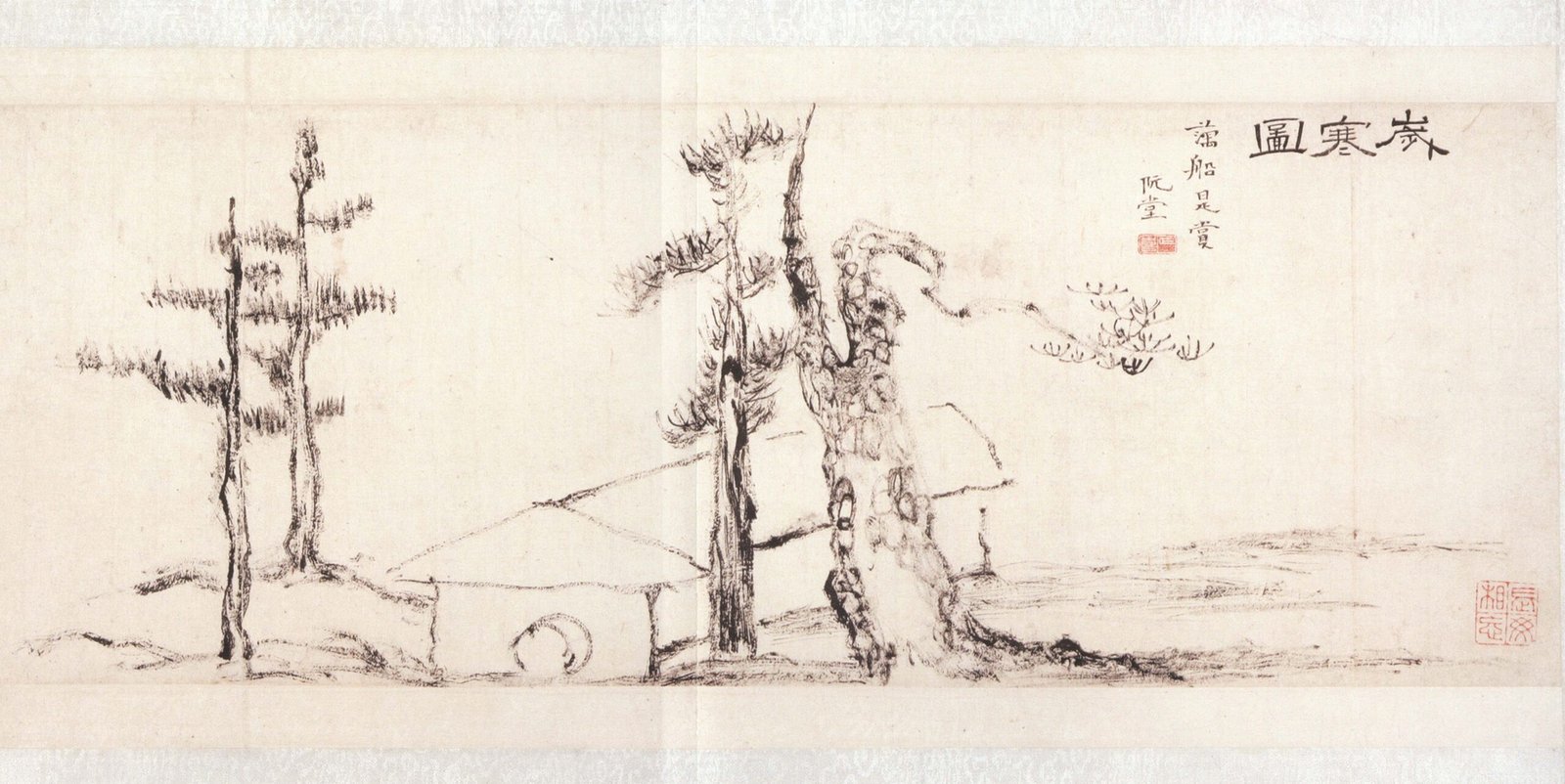
Deeply moved by this unwavering loyalty, Chusa painted Sehando (A Winter Scene) in 1844 as a thank-you gift. The title references a famous quote from Confucius: “Only when the year grows cold do we know that the pine and cypress are the last to wither.”
Decoding the Emptiness
Sehando is the absolute zenith of literati abstraction. Stripped of all decorative elements, the painting is hauntingly stark.
- The Empty Space: The vast, unpainted areas represent the bitter cold of winter and the terrifying isolation of political exile.
- The Dry Brush (Galpil): Chusa used a brush with almost no ink, creating rough, scratchy lines that evoke immense hardship, poverty, and raw endurance.
- The Evergreens: The simple, ragged pine and cypress trees standing next to a desolate hut represent his student, Yi Sang-jeok—the only living things retaining their integrity in a frozen, treacherous world.
💡 Pro Tip: Sehando is National Treasure No. 180. The painting itself is just the beginning of a 14-meter scroll filled with poems of praise from 16 Chinese scholars and numerous Korean intellectuals who were moved by the story. It was generously donated by a private collector to the National Museum of Korea (국립중앙박물관) and is occasionally shown in special exhibitions.
The Legacy of Joseon Literati Painting Masterpieces
To truly grasp the brilliance of traditional Korean painting, looking at how these two masters approached their art provides the perfect lens.
| Masterpiece & Artist | Artistic Approach | Core Philosophy (Saui) |
|---|---|---|
| Inwangjesaekdo (Jeong Seon) | Subjectifying the Objective. Reinterpreting real, grand nature through a highly emotional and philosophical lens. | Projecting the scholar’s emotional weight, love for a dying friend, and Neo-Confucian worldview onto the physical landscape. |
| Sehando (Kim Jeong-hui) | Abstracting the Subjective. Stripping away the physical world entirely to reveal raw inner emotion and character. | Visualizing unwavering moral integrity, loyalty, and the unbroken spirit of a scholar surviving extreme hardship. |
Both artists refused to be mere copyists of nature. Whether through the magnificent, wet ink strokes capturing a post-rain mountain or the dry, scratchy lines depicting a lonely pine tree, these Joseon literati painting masterpieces remain timeless. They invite us not just to look at the scenery, but to read the very soul, struggles, and triumphs of the artists who painted them.
💡 Related Articles
▪The Guide to Traditional Korean Painting History
▪Minhwa: The Guide to Korea’s “Pop Art” Tradition
▪Discover Pungsokhwa : Masterpieces of Korean Genre Painting (Kim Hong-do & Shin Yun-bok)
Korean Culture portal KCulture.com
Founder of Kculture.com and MA in Political Science. He shares deep academic and local insights to provide an authentic perspective on Korean history and society.