- Introduction & Synopsis
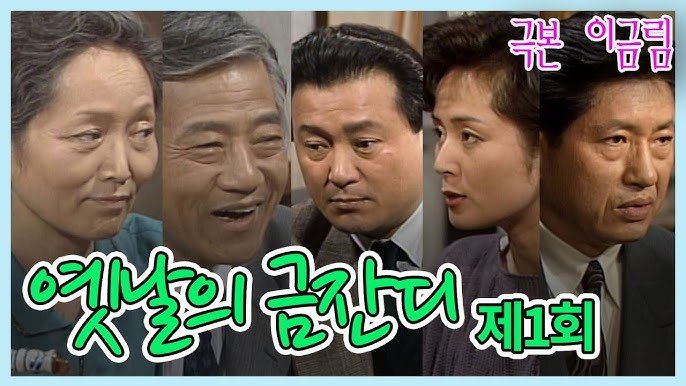
Before the global glitz of idol actors and high-concept thrillers, the heart of Korean television beat to the rhythm of the family. Yesterday’s Green Grass (옛날의 금잔디) is a quintessential example of this foundational genre. The drama centers on a hardworking, elderly couple who have sacrificed their entire lives to raise their children. Now, with their children grown and leading their own lives, the parents navigate a new reality filled with pride, neglect, quiet disappointment, and the enduring bonds of kinship. The narrative masterfully explores the intricate conflicts that arise between siblings over parental care, financial support, and differing values, presenting a deeply realistic and moving portrait of a family weathering the storms of everyday life.
Aired in 1991, this landmark series from public broadcaster KBS1 is more than just a drama; it’s a cultural document that captures the soul of a generation and lays the groundwork for the K-drama storytelling we know today.
Deep Cultural/Historical Insight
A Mirror to a Changing Korea
To understand Yesterday’s Green Grass, one must understand Korea in the early 1990s. The nation was in the throes of a dramatic transformation. Having hosted the 1988 Seoul Olympics, South Korea was rapidly modernizing, with the nuclear family model swiftly replacing the traditional multi-generational household. This societal shift is the drama’s central conflict. The parents, portrayed by Lee Nak-hoon and Kim Young-ok, represent the generation that endured poverty and war, believing their ultimate duty was to sacrifice for their children’s success—a core tenet of filial piety (효, hyo).
The children, however, represent the new Korea. They are educated and individualistic, caught between their modern aspirations and the traditional obligation to care for their aging parents. This tension is the source of the drama’s profound relatability. The series delves into complex Korean emotions like Jeong (정), the deep, almost untranslatable emotional connection and affection that binds the family, and Han (한), a lingering sense of unresolved sorrow and injustice, often felt by the parents who feel their lifelong sacrifices are not fully appreciated. For a global audience, watching this drama is a lesson in the cultural DNA that shapes Korean family dynamics.
Narrative Analysis
The Quiet Power of Realism
Modern K-drama fans accustomed to fast-paced plots may find the storytelling in Yesterday’s Green Grass deliberately paced. Its power lies not in shocking twists but in its unflinching realism. The conflicts are not about corporate takeovers or fated romances; they are about who will host the parents for the holidays, disagreements over hospital bills, and the subtle jealousies between siblings. The dialogue is authentic, capturing the way families communicate through a mix of affection, nagging, and unspoken expectations.
The narrative excels at showing, not just telling. A mother’s weary sigh as she packs side dishes for her ungrateful son speaks volumes more than a dramatic monologue. The father’s silent pride in a child’s minor achievement becomes a monumental emotional beat. This character-driven approach makes the family’s journey universally compelling, proving that the most powerful stories are often found in the quiet, relatable moments of ordinary life.
The Pulse of the Time
A National Phenomenon
Upon its release, Yesterday’s Green Grass was not merely a popular show; it was a cultural event. The drama achieved staggering viewership ratings, making it a “national drama” in the truest sense. For Korean families in the 90s, watching it together was a daily ritual. Its realistic portrayal of intergenerational conflict resonated so deeply that it sparked nationwide conversations. The characters’ struggles were the audience’s struggles, and the drama provided a platform to discuss sensitive family issues that were often left unsaid. It became a touchstone, reflecting the collective anxieties and hopes of a society in transition.
Cast Spotlight
Anchored by Legends
The drama’s enduring legacy is inseparable from the powerhouse performances of its veteran cast. The late Lee Nak-hoon, as the patriarch, delivers a masterclass in realistic acting. He embodies the classic Korean father of that era: strict, authoritative, and often emotionally reserved, yet with a profound, unspoken love for his family. His presence lends the story an immense weight and authenticity, cementing his status as an icon of Korean television.
Paired with him, Kim Young-ok is the heart of the series. She portrays the quintessential sacrificing mother, a figure of immense strength, resilience, and boundless Jeong. Her performance captures the joy and sorrow of motherhood with a nuance that feels incredibly real. Together, they became the definitive “nation’s parents” for a generation of viewers, delivering performances that remain a benchmark for family dramas to this day.
Global Viewing Guide
How to Watch This Classic
For international fans looking to explore the roots of K-drama, this classic is more accessible than ever. You can typically find the series on the following platforms:
- KBS Classic YouTube Channel: The official broadcaster often uploads full episodes of its vintage dramas, sometimes with subtitles, making it the primary source for archival content.
- Kocowa / Viki: These streaming services, which specialize in Korean content, frequently license classic KBS dramas for global audiences. Availability may vary by region.
Final Verdict
Yesterday’s Green Grass is essential viewing for anyone who wants to understand the cultural foundation of the modern K-drama. It is a slow-burn, deeply emotional, and profoundly human story that transcends its time and setting. If you are seeking a break from high-stakes thrillers and want to experience the authentic, foundational storytelling that made Korea fall in love with television, this timeless masterpiece is a rewarding and enlightening watch.

The KCulture Editorial Team is dedicated to providing deep insights and accurate information about the vibrant world of Korean culture.