Introduction & Synopsis: The Weight of Brotherhood
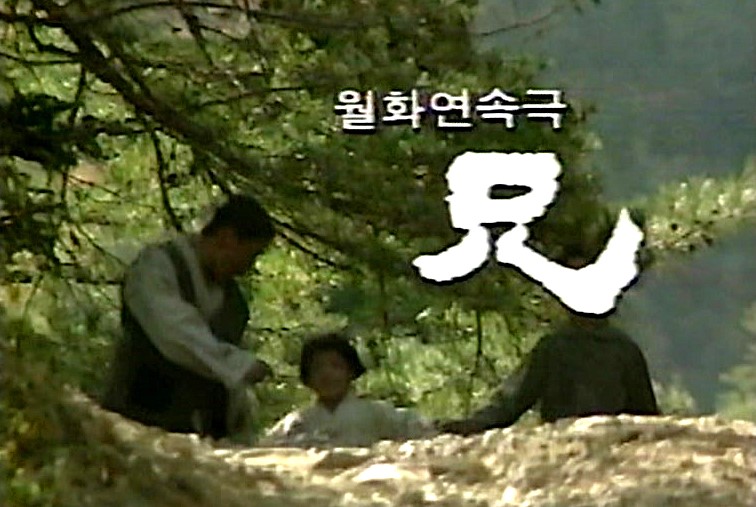
Before the glossy thrillers and intricate rom-coms that define today’s Hallyu wave, there were stories etched from the raw, unfiltered struggles of everyday life. Hyung (Brother)(형) is one such masterpiece. At its core, this is a profound and moving family saga centered on two brothers, Dong-hoon and Dong-shik, and their journey through the landscape of post-war Korean poverty. The elder brother, Dong-hoon, is a coarse, uneducated laborer who dedicates his entire existence to one goal: ensuring his intelligent younger brother, Dong-shik, can escape their circumstances through education and achieve success. It’s a classic tale of sacrifice, resentment, and the unbreakable, often painful, bonds of kinship.
Aired in 1991, this landmark series from KBS2 was more than just a television show; it was a mirror held up to a nation grappling with its own identity, capturing the soul of a generation caught between hardship and hope.
A Portrait of a Nation in Transition
To understand Hyung is to understand Korea in the late 20th century. The narrative is deeply steeped in the aftermath of the “Miracle on the Han River,” a period of rapid industrialization that lifted the nation from the ashes of war but also created vast social and economic disparities. The drama doesn’t shy away from depicting the grim reality for the working class who fueled this miracle but were often left behind.
The story is a vessel for core Korean cultural sentiments. The dynamic between the brothers is a powerful illustration of jeong (정), a complex concept of deep, binding affection and loyalty that transcends simple love. It’s the unspoken understanding that compels Dong-hoon to sacrifice everything. Conversely, the drama also explores han (한), a feeling of unresolved resentment and sorrow. Dong-hoon’s gruff exterior and occasional bitterness are manifestations of han—the pain of a life unlived and dreams deferred for the sake of family. This was a feeling intimately familiar to the parents and grandparents of the 90s audience, who had made similar sacrifices for their children’s futures.
Narrative Analysis: The Beauty in Grit
Hyung forgoes fast-paced plot twists for a slow-burn, character-driven narrative that finds its power in realism. The storytelling is unflinching in its portrayal of poverty—not as a romanticized backdrop, but as a tangible force that shapes every decision, conversation, and relationship. The drama’s strength lies in its meticulous attention to the small details of life: the texture of a meager meal, the exhaustion after a day of manual labor, the quiet pride in a younger sibling’s report card.
The central conflict is not one of good versus evil, but an internal and relational struggle. It examines the immense pressure placed upon the K-jangnam, or eldest son, who was culturally obligated to be the family’s rock. Dong-hoon embodies this tradition, while Dong-shik represents the new generation, striving for personal success in a modernizing world. Their relationship explores the heavy themes of duty versus desire, and the guilt that inevitably accompanies being the beneficiary of another’s sacrifice. The narrative doesn’t offer easy answers, making its emotional impact all the more resonant and enduring.
The Pulse of the Time: A National Phenomenon
When Hyung first aired, it was nothing short of a cultural event. The series achieved staggering viewership ratings, frequently surpassing 50%, uniting families across the country in front of their television sets. It became a “national drama,” a touchstone for conversations about family, class, and the Korean dream. Audiences saw their own fathers, uncles, and brothers in the character of Dong-hoon. His struggles were their struggles; his sacrifices were their sacrifices.
The drama’s realism and emotional honesty struck a powerful chord. Joo Hyun’s gruff, slow-paced speech and his character’s iconic catchphrases became part of the national lexicon. Hyung wasn’t just entertainment; it was a validation of the older generation’s hardship and a poignant lesson for the younger one.
Cast Spotlight: Career-Defining Performances
Joo Hyun as Dong-hoon
While already a respected actor, Joo Hyun’s portrayal of the older brother, Dong-hoon, became the defining role of his illustrious career. He completely disappeared into the character, embodying the gruffness, simmering resentment, and profound love with a raw authenticity that was breathtaking. His performance was not about grand speeches but about the language of the body—a slumped posture, calloused hands, and eyes that conveyed a lifetime of sorrow and pride. It remains one of the most iconic performances in Korean television history.
Kim Young-chul as Dong-shik
As the younger brother Dong-shik, Kim Young-chul had the challenging task of playing the recipient of immense sacrifice. He skillfully navigated the character’s complex emotional journey, balancing ambition and gratitude with an undercurrent of guilt and pressure. His portrayal was crucial in highlighting the dual-edged nature of sacrifice, showing that receiving such a gift can be as burdensome as giving it.
Global Viewing Guide
For international fans looking to explore this seminal classic, several platforms specialize in historical Korean content. The original broadcaster is often the best source for high-quality uploads.
- KBS Classic (YouTube): The official KBS YouTube channel frequently archives classic dramas, often with English subtitles available.
- Kocowa / Viki: These streaming services, which partner with major Korean broadcasters, are excellent sources for classic and older K-dramas. Availability may vary by region.
Final Verdict
Hyung (Brother) is essential viewing for anyone who wishes to understand the cultural DNA of modern Korea and the foundations upon which K-drama was built. It is a slow, deeply emotional, and profoundly human story that rewards patient viewing. If you appreciate character-driven narratives that explore the complex heart of family and society, this 1991 masterpiece is not just a drama—it is a timeless piece of cultural history.

The KCulture Editorial Team is dedicated to providing deep insights and accurate information about the vibrant world of Korean culture.