A Taste of Busan’s History in a Bowl
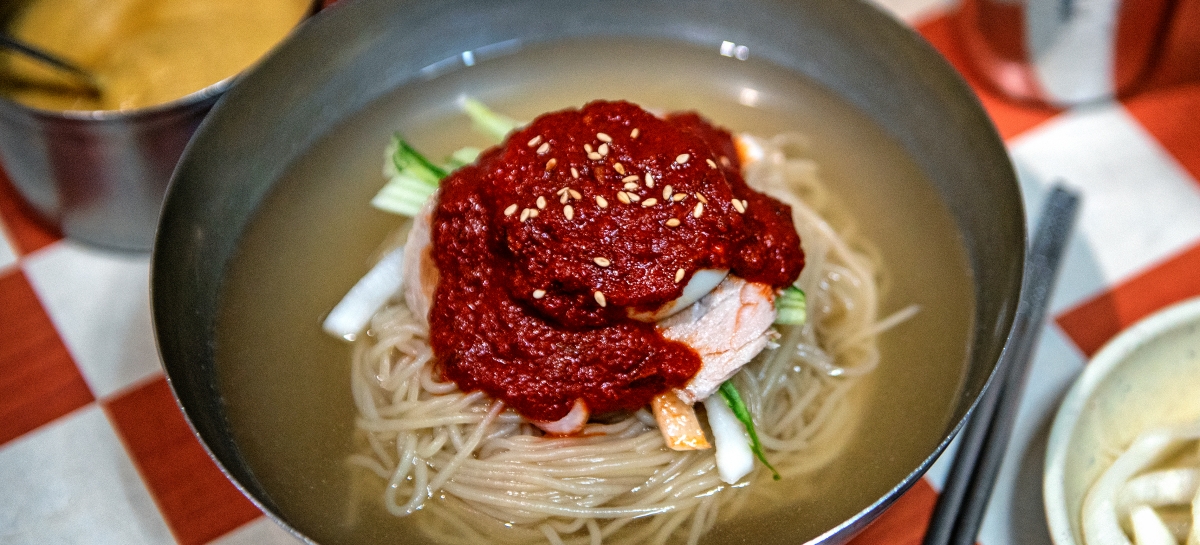
Welcome to the vibrant port city of Busan, the home of a uniquely refreshing and deeply satisfying noodle dish: Milmyeon. Often called the “wheat noodle version” of the famous North Korean cold noodles (Naengmyeon), Milmyeon has a fascinating history. It was born out of necessity during the Korean War, when refugees in Busan used readily available wheat flour from U.S. aid supplies to recreate their beloved hometown dish. Today, it stands as a proud culinary symbol of Busan, a go-to meal for locals and tourists alike, especially during the sweltering Korean summers. Its flavor is a thrilling dance of spicy, tangy, and savory notes, designed to cool you down and invigorate your spirit.
Key Ingredients & Flavor Profile
The magic of Busan Milmyeon lies in its deceptively simple yet masterfully balanced components. Each element plays a crucial role in creating a symphony of taste and texture.
- Wheat Flour Noodles: Unlike the buckwheat noodles of Naengmyeon, Milmyeon features soft yet delightfully chewy noodles made from wheat flour. They provide the perfect canvas for the bold flavors of the broth and sauce.
- Herbal Meat Broth: The soul of the dish is its broth. It’s a rich meat stock, often beef or pork, that is slow-simmered with a blend of traditional Korean medicinal herbs. This gives the broth a deep, savory flavor with a subtle, complex herbal aroma that is both comforting and unique.
The Secret of Taste
The exhilarating flavor explosion comes from the seasoning trio that you customize at your table. The base is a spicy, slightly sweet sauce made from gochujang (Korean chili paste). To this, you add splashes of tangy vinegar and a sharp, pungent kick from mustard. This combination cuts through the richness of the meat broth, creating a perfectly balanced taste that is spicy, tangy, and deeply savory all at once. It’s a flavor profile designed to awaken the senses and provide instant relief from the heat.
Dietary Information (Vegetarian/Allergy)
Busan Milmyeon is Not Vegetarian. The foundational broth is made from a meat base, which is integral to its traditional flavor.
Safety Tip: When exploring Korean cuisine, it’s always a good practice to ask restaurant staff about ingredients if you have dietary restrictions. Some broths or sauces may contain hidden ingredients like fish sauce or meat extracts.
How It’s Served
As a classic single-dish meal, the preparation of Milmyeon is an art form focused on temperature and timing. The journey begins with the special herbal meat broth, which is carefully chilled until it’s ice-cold, sometimes even served as a refreshing slush. Simultaneously, the signature wheat noodles are boiled to a perfect chewy texture and then rinsed in cold water. These noodles are placed into a large bowl, topped with a generous dollop of the vibrant gochujang sauce and typically garnished with slices of boiled meat, cucumber, and a boiled egg. The final, dramatic touch is the pouring of the icy-cold broth over everything, instantly chilling the noodles and creating a dish that is ready to be mixed and savored.
This is a standard method based on general recipes. Every restaurant has its own secret twist and unique style!
Nutritional & Health Benefits
Beyond its delicious taste, Busan Milmyeon offers some surprising benefits, particularly for a hot day.
- Cooling Properties: The primary benefit is its ability to lower body temperature. Eating this ice-cold noodle soup is a traditional and effective Korean method for combating summer fatigue and heat exhaustion.
- Energy Source: The wheat flour noodles are a great source of carbohydrates, providing a quick and satisfying energy boost to help you power through the day.
- Restorative Broth: The unique herbal meat broth is not just for flavor. The traditional herbs are often chosen for their restorative properties, believed to aid in stamina and recovery, while the meat provides essential protein.

The KCulture Editorial Team is dedicated to providing deep insights and accurate information about the vibrant world of Korean culture.