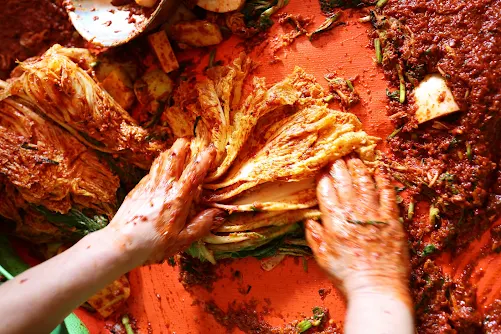
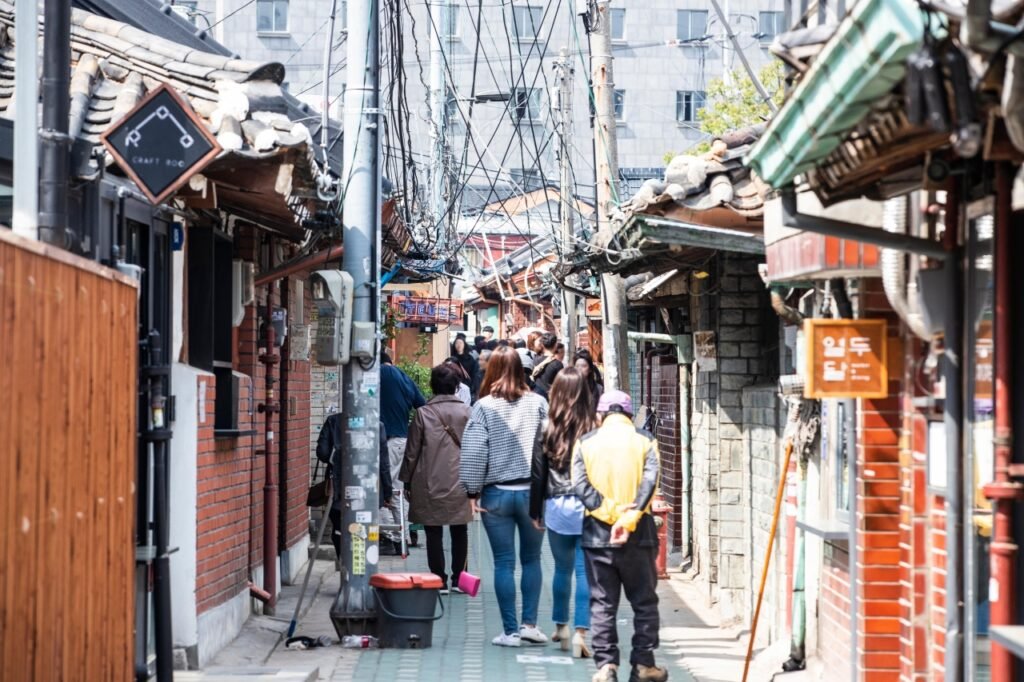
Bomnamul (Korean spring greens / 봄나물) refers to the edible wild plants and herbs harvested in early spring, celebrated in Korea for their vibrant, earthy flavors and powerful nutritional benefits that combat seasonal lethargy. Living in Korea, I can confidently say that late March signals the true arrival of spring. Violets and potentilla are blooming across the countryside, and our local traditional markets are suddenly overflowing with vibrant green shoots. For those wanting to experience this unique culinary tradition—whether you are exploring the mountains of Korea or foraging in the fields of North America and Europe—this comprehensive guide will introduce you to the three most iconic Korean spring greens. I will walk you through their distinct flavor profiles, exact Western equivalents, traditional cooking methods, and crucial foraging safety tips.
- The Cultural Significance of Korean Spring Greens
- Top 3 Essential Spring Greens and Their Western Equivalents
- Essential Preparation: Washing and Blanching
- Crucial Foraging Safety Guidelines
The Cultural Significance of Korean Spring Greens
In Korean culinary culture, spring greens represent much more than just fresh ingredients. They are the literal embodiment of vitality, offering a way to consume the life force that survived the harsh, freezing winter. As the seasons change, many people experience a sudden wave of lethargy and sleepiness, a phenomenon known here as Chungongjeung (Spring Fatigue). Because these wild greens are packed with vital vitamins and minerals, they serve as a natural, energizing remedy to wake the body up.
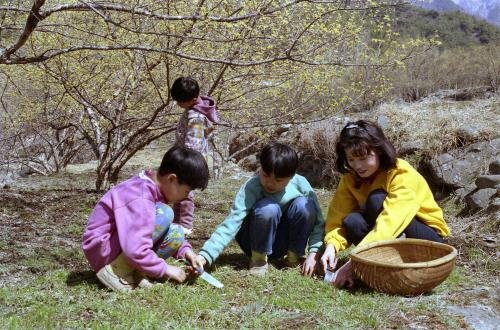
During this time of year, it is a common and beloved sight to see locals dotting the fields and hillsides, equipped with small knives or homi, carefully unearthing these seasonal treasures. It is a slow, intentional practice that connects the forager directly to the earth.
Top 3 Essential Spring Greens and Their Western Equivalents
1. Ssuk (Korean Mugwort)
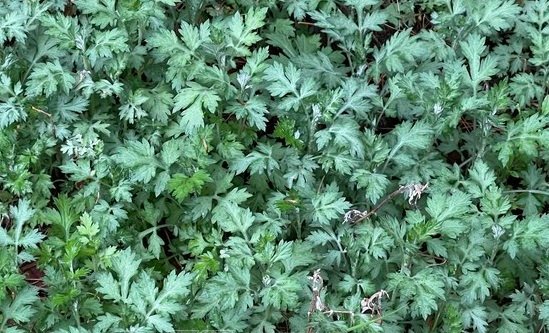
Known as the ultimate herb that announces the arrival of spring, Ssuk possesses a deep, fragrant herbal aroma. It is incredibly resilient, growing easily in sunny fields, at the foot of mountains, and along field boundaries.
- Foraging Season & Technique: Harvested from early March to early May. After the traditional Dano festival (usually in June), the leaves become too tough to eat. When foraging, use a knife to cut the base or simply snap off the most tender, young leaves with your fingers.
- Western Equivalent: The Korean variety is Artemisia princeps. In Europe and North America, you will commonly find Common Mugwort (Artemisia vulgaris). While related, Western mugwort tends to be significantly more bitter and is historically used for brewing or medicinal purposes rather than as a primary culinary vegetable. If using Western mugwort, harvest only the absolute youngest tips to avoid overwhelming bitterness.
- Culinary Uses:
- Ssuk-guk: A comforting soup made with spring flounder or a rich soybean paste base.
- Ssuk-tteok: Boiled and pounded mugwort mixed with rice flour to create a chewy, incredibly popular green rice cake.
- Ssuk-beomuri: A fluffy, gentle snack made by tossing young mugwort leaves with non-glutinous rice flour and steaming them.
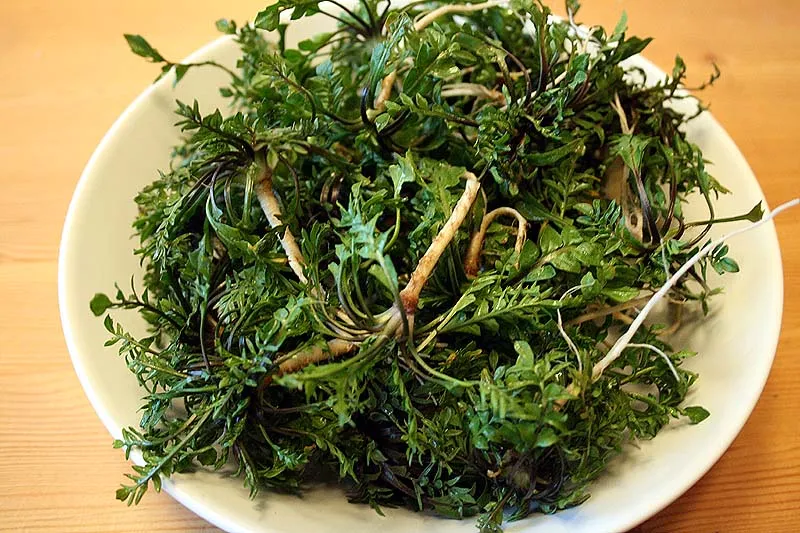
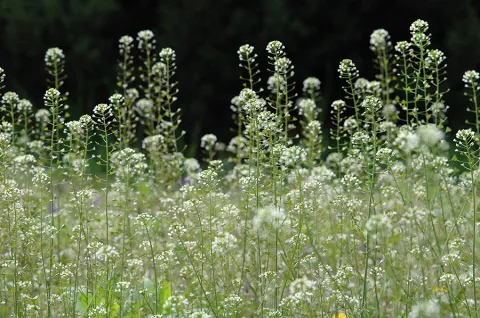
2. Naengi (Shepherd’s Purse)
While often dismissed as a common weed in the West, Naengi is revered as the undisputed king of spring greens in Korea. It offers a unique, slightly bitter leaf contrasted by a deep, earthy aroma originating from its root.
- Foraging Season & Technique: Best picked from late February to mid-April, strictly before the plant flowers. The absolute most critical rule for harvesting Naengi is to dig it up with the root intact. The signature ginseng-like fragrance is concentrated in the root. Use a small hoe or knife to dig deep without snapping it.
- Western Equivalent: Capsella bursa-pastoris. This exact plant grows abundantly across lawns, fields, and meadows in North America and Europe. It is an easily accessible foraging treasure for expats and global food enthusiasts.
- Culinary Uses:
- Naengi Doenjang-guk: It boasts the ultimate flavor synergy with Korean soybean paste, creating a deeply aromatic and savory soup.
- Naengi-muchim: Quickly blanched and seasoned by hand with gochujang (chili paste), soybean paste, and a splash of sesame oil.
3. Dallae (Korean Wild Chive)
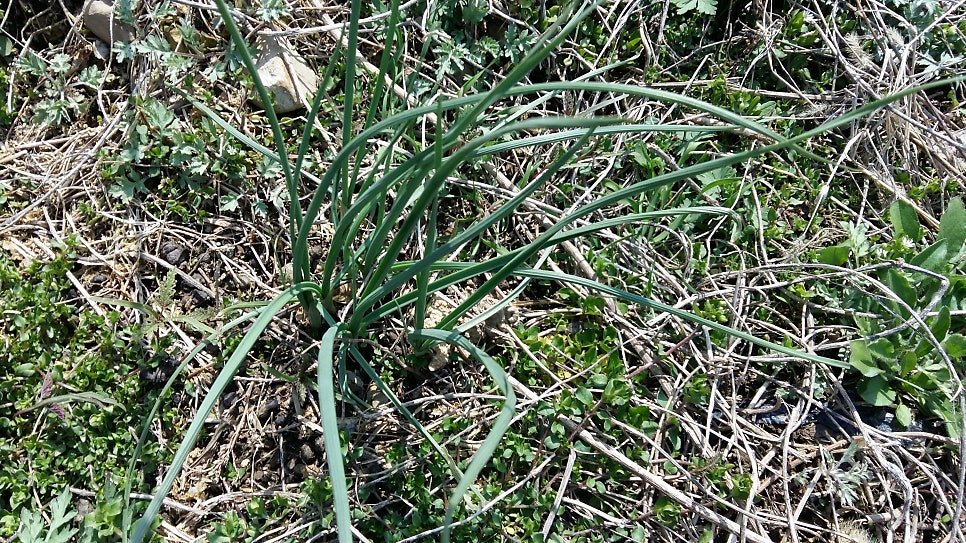
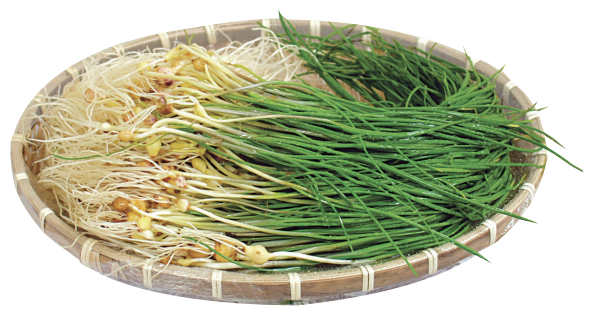
Often referred to as “mountain garlic,” Dallae features a pungent, spicy kick that instantly stimulates the appetite. It looks like a delicate blade of grass with a tiny, white, onion-like bulb at the base.
- Foraging Season & Technique: Wild Dallae peaks from March to April. When harvesting from grassy fields, you must carefully loosen the soil to extract the tiny round bulb (the bulbil) without breaking it off from the green stem.
- Western Equivalent: The specific species is Allium monanthum. For readers in Europe, Wild Garlic (Ramsons) offers a very similar punchy flavor profile. In North America, Ramps (Wild Leeks) are the perfect seasonal and culinary equivalent, sharing that same fleeting spring availability and garlicky bite.
- Culinary Uses:
- Dallae-jang: Finely chopped wild chives mixed with soy sauce, sesame oil, chili flakes, and sesame seeds. It is spectacular when spooned over a bowl of rice wrapped in roasted seaweed.
- Dallae Doenjang-jjigae: Added at the very last second after turning off the heat, allowing the residual warmth of the stew to release the chive’s volatile oils.
- Dallae-muchim: Served raw, tossed with chili powder, vinegar, and sugar as a bright, acidic salad alongside roasted meats.
| Korean Spring Green | Scientific Name / Western Equivalent | Primary Flavor Profile |
|---|---|---|
| Ssuk (Mugwort) | Artemisia princeps / Common Mugwort | Deep, herbal, earthy |
| Naengi (Shepherd’s Purse) | Capsella bursa-pastoris / Shepherd’s Purse | Earthy root aroma, slightly bitter leaves |
| Dallae (Wild Chive) | Allium monanthum / Wild Garlic or Ramps | Pungent, garlicky, sharply spicy |
Essential Preparation: Washing and Blanching
Preparing wild greens is a labor of love and a true slow-food process. Because plants like Naengi and Dallae are consumed with their roots intact, they hold onto a lot of fine dirt. You must soak them in cold water and meticulously wash away the soil from the crevices of the roots multiple times.
Furthermore, unlike Western salads where greens are predominantly eaten raw, Korean culinary technique heavily relies on blanching (dechida). To soften the fibrous textures and neutralize any mild natural toxins, greens like Ssuk and Naengi are briefly plunged into boiling salted water, then immediately shocked in an ice bath. This preserves their vivid green color while making them safe and tender to eat.
Crucial Foraging Safety Guidelines
Foraging can be an incredibly rewarding way to connect with nature and your food, but it requires strict discipline and caution.
📌 Local Note: The Golden Rules of Foraging
1. Never consume a plant unless you are 100% certain of its identity. Many edible greens have toxic look-alikes. If you have even a shadow of a doubt, leave it in the ground.
2. Avoid roadsides and polluted areas. Plants absorb heavy metals and emissions. Only forage in clean, untreated wild areas away from heavy traffic or pesticide use.
3. Forage sustainably. Never strip a patch completely bare. Leave enough behind so the plant can regenerate for the following year.
By understanding these ingredients and foraging responsibly, you can bring the authentic, revitalizing taste of a Korean spring right to your dining table, no matter where you live in the world.
Korean Culture portal KCulture.com

Founder of Kculture.com and MA in Political Science. He shares deep academic and local insights to provide an authentic perspective on Korean history and society.