
Toxic Korean spring greens, such as Bracken (Gosari) and Daylily (Wonchuri), are inherently poisonous wild plants that are rendered completely safe and highly nutritious through a meticulous, centuries-old traditional processing method of blanching, soaking, and sun-drying. While the raw forms of these plants are strictly banned or strongly avoided for human consumption in many Western countries due to their natural toxins, Korean culinary experts have long mastered the exact science of detoxifying them. Living in Korea, I frequently meet expats and global food enthusiasts who are fascinated—and sometimes understandably nervous—about encountering these ingredients in everyday meals. In this comprehensive guide, we will explore how locals safely prepare these dangerous but delicious spring greens, why proper processing is absolutely crucial, and what you must know before cooking them yourself.
- The Tradition of Detoxifying Toxic Korean Spring Greens
- Gosari: The “Beef of the Mountains”
- Wonchuri: The Sweet Daylily with a Catch
- Global Context: Who Else Eats Bracken Fern?
- Crucial Safety Warnings for Cooks
The Tradition of Detoxifying Toxic Korean Spring Greens
In the West, foraging generally focuses on plants that are safe to eat raw or with minimal cooking. However, the Korean culinary philosophy deeply embraces ingredients that require rigorous preparation. Historically, overcoming the harsh Korean winters meant utilizing every available resource. Our ancestors discovered that many toxic plants could be safely consumed if their water-soluble toxins were leached out and their chemical structures broken down through specific applications of heat and time.
This generational knowledge is a cornerstone of Korean cuisine. The process of heavily boiling wild greens, soaking them for extended periods, and thoroughly drying them under the sun not only neutralizes dangerous toxins but also enhances the texture, making the greens chewier and transforming their flavor profile into something deeply savory and earthy.
Gosari: The “Beef of the Mountains”
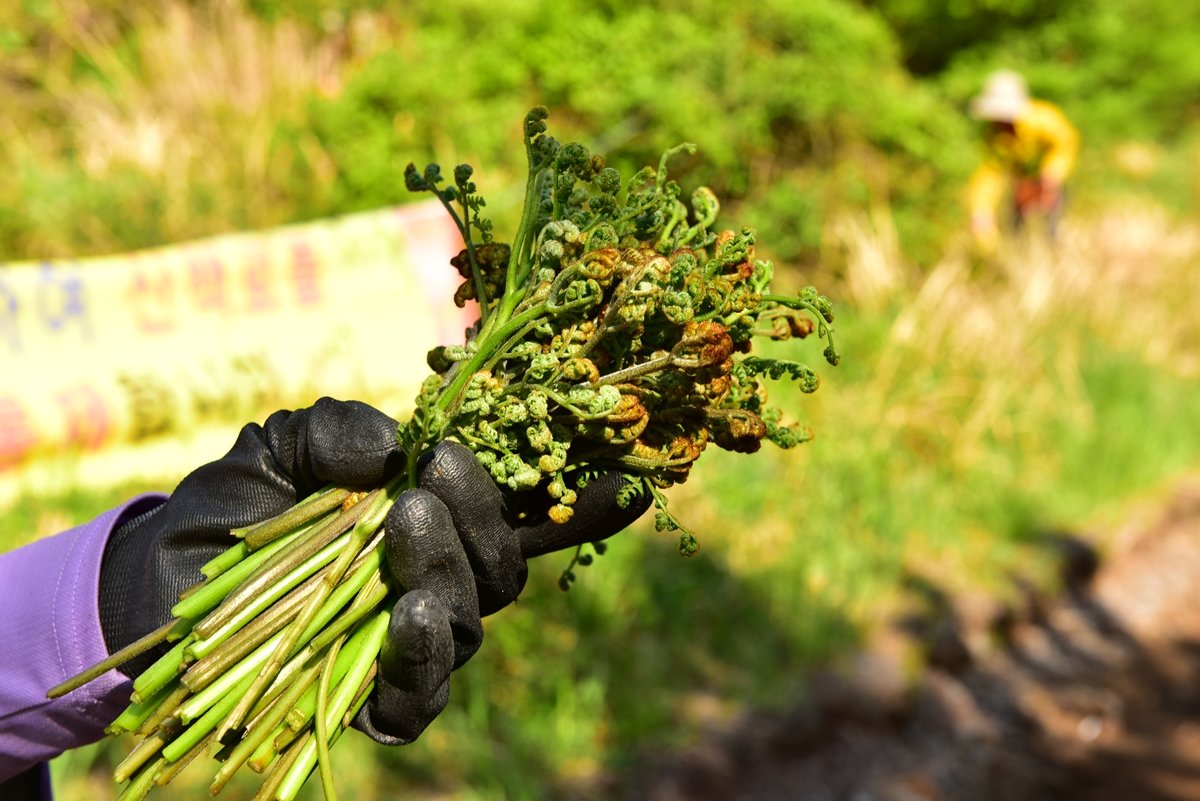
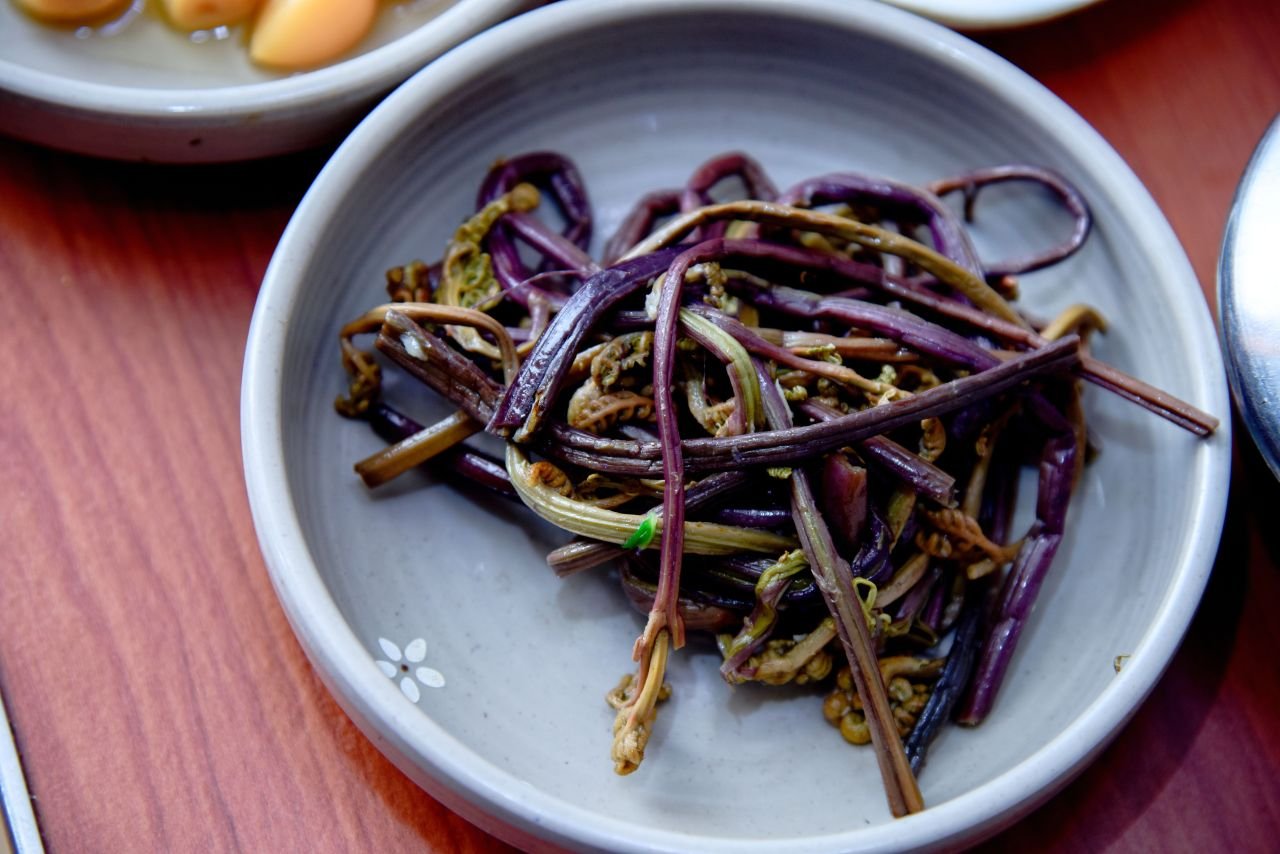
Gosari is arguably the most famous example of a toxic plant that has become a beloved national staple. Often referred to as the “beef of the mountains” due to its rich, meaty texture and dark brown appearance when cooked, it is an essential topping for Bibimbap (비빔밥) and a core ingredient in Yukgaejang (육개장), a spicy beef soup.
The Toxin and The Cure
In its raw, natural state in the wild, bracken fern is highly toxic. It contains a compound called ptaquiloside, a known carcinogen, as well as the enzyme thiaminase, which aggressively depletes the body of Vitamin B1. Because of this, foraging and eating raw bracken is incredibly dangerous.
The Korean detoxification method is exhaustive. Freshly harvested bracken is heavily boiled, sometimes with salt or natural ash. After boiling, it is laid out to dry completely in the harsh sun, creating a dehydrated herb. The combination of intense heat and UV exposure breaks down the volatile toxins. Before it ever reaches the dinner table, the dried fern is soaked in cold water for up to 24 hours (with the water changed multiple times), boiled again, and finally stir-fried.
Wonchuri: The Sweet Daylily with a Catch
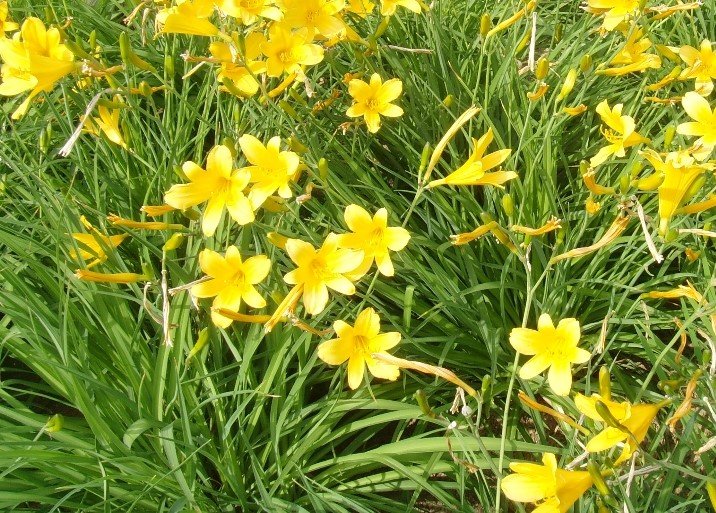
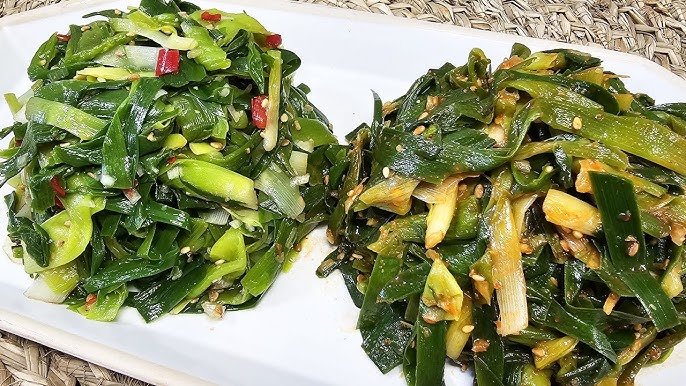
Another popular spring green is Wonchuri. Known for its remarkably sweet flavor and delicate, tender texture, it is a highly anticipated seasonal treat usually served as a lightly seasoned side dish.
The Hidden Danger
Despite its sweet taste, daylily contains colchicine, a toxic alkaloid concentrated primarily in the plant’s roots and mature leaves. Consuming improperly prepared daylily can lead to severe gastrointestinal distress, including vomiting, diarrhea, and dizziness.
To safely enjoy this green, locals adhere to strict rules: it must only be harvested in early spring when the shoots are extremely young and tender. The leaves are then aggressively blanched in boiling water and subsequently soaked in fresh cold water for several hours to completely leach out the water-soluble colchicine.
Global Context: Who Else Eats Bracken Fern?
If you grew up in Europe or North America, you might have been taught that bracken ferns are toxic weeds, dangerous to livestock, and strictly off-limits for human consumption. Indeed, commercial food authorities in many Western countries strongly warn against eating them.
However, Korea is not entirely alone in its love for this earthy ingredient. In Japan, bracken is widely consumed and known as warabi, heavily featured in mountain vegetable dishes. China also has a long history of foraging and preserving bracken. Additionally, historically, several Native American tribes and the Maori people of New Zealand have documented traditions of processing bracken roots and fronds for sustenance, utilizing their own specific methods of roasting or leaching to neutralize the plant’s natural defenses.
Crucial Safety Warnings for Cooks
While the rewards of eating these seasonal delicacies are immense, they demand respect. If you are a beginner or a foreigner exploring Korean cuisine, you must take special precautions.
📌 Local Note: The Golden Rules for Toxic Greens
- Never eat them raw: Under no circumstances should Gosari or Wonchuri be consumed fresh or tossed into a raw salad.
- Buy pre-processed when possible: Unless you are foraging with an experienced local elder, do not attempt to process raw Gosari yourself. Head to any local traditional market, and you will find vendors selling huge basins of plump, perfectly pre-boiled and detoxified bracken (삶은 고사리) that is completely safe and ready to cook.
- Respect the soaking time: If you buy dried Gosari, do not rush the rehydration process. Soak it overnight, boil it, and wash it thoroughly to ensure all residual impurities are gone.
| Korean Spring Green | Primary Natural Toxin | Traditional Detoxification Method | Popular Korean Dish |
|---|---|---|---|
| Bracken (Gosari) | Ptaquiloside, Thiaminase | Heavy boiling, absolute sun-drying, extended soaking | Bibimbap, Yukgaejang |
| Daylily (Wonchuri) | Colchicine | Harvesting only young shoots, blanching, cold water soaking | Wonchuri-muchim (Seasoned Salad) |
Understanding the complex processing behind toxic Korean spring greens gives you a profound appreciation for the wisdom of traditional food cultures. By relying on pre-processed ingredients from trusted local markets and following proper cooking steps, you can safely enjoy the bold, earthy flavors of a true Korean spring.
Curious about the safer, beginner-friendly greens you can forage yourself? Check out our previous guide: [Bomnamul] How to Find and Cook Korean Spring Greens.
Korean Culture portal KCulture.com

Founder of Kculture.com and MA in Political Science. He shares deep academic and local insights to provide an authentic perspective on Korean history and society.