Introduction & Synopsis
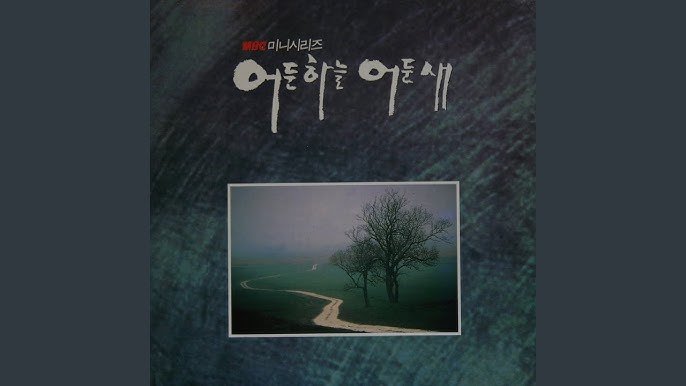
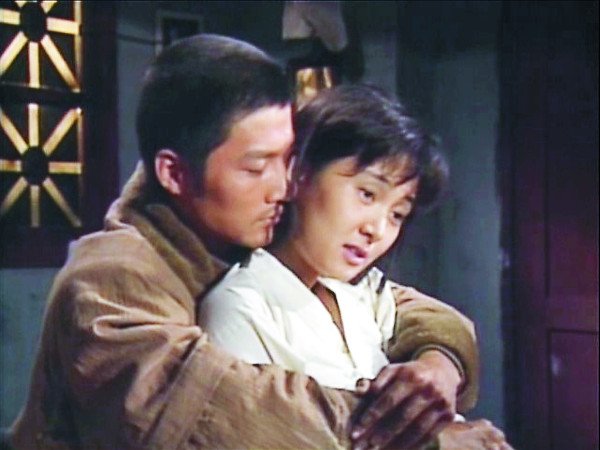
Long before the global phenomenon of the Hallyu wave, there was Eyes of Dawn (여명의 눈동자). This is not a story of fleeting romance or corporate intrigue; it is a monumental epic, a raw and unflinching portrait of a nation’s soul forged in the crucible of war and colonization. The drama follows the tragic, intertwined destinies of three Koreans from the final years of Japanese colonial rule through the ideological chaos of liberation and the devastating Korean War. At its heart are Yoon Yeo-ok (Chae Shi-ra), a young woman forced into servitude as a “comfort woman” for the Japanese army; Choi Dae-chi (Choi Jae-sung), a student conscripted into the Imperial Japanese Army whose life becomes a brutal fight for survival; and Jang Ha-rim (Park Sang-won), an educated medical student who joins the military as an officer, forever caught between his conscience and the call of duty. Their harrowing journey across Manchuria, Saipan, and the Korean peninsula is a testament to the resilience of the human spirit against the overwhelming forces of history. Produced by MBC and first aired in 1991, Eyes of Dawn is a foundational piece of Korean television history.
A Nation’s Scars: Understanding the Historical Context
To watch Eyes of Dawn is to confront the most painful chapters of modern Korean history, chapters often glossed over in more contemporary dramas. For a global audience, understanding this context is crucial to grasping the drama’s profound impact. The story opens during the Japanese colonial period (1910-1945), a time of systematic oppression where Korean culture was suppressed and its people were exploited for Japan’s imperial ambitions.
The drama was groundbreaking for its direct and sensitive portrayal of the “comfort women” (위안부, wianbu), Korean women and girls who were forced into sexual slavery by the Japanese military. Yeo-ok’s story arc brought this national trauma into living rooms with unprecedented honesty, giving a human face to a historical injustice that remains a deeply sensitive issue to this day. Similarly, Dae-chi’s forced conscription represents the thousands of young Korean men who were made to fight for an empire that was actively trying to erase their identity.
The narrative then moves into the Korean War (1950-1953), a brutal civil conflict that solidified the division of the peninsula. The drama masterfully depicts the ideological schism that tore families and a nation apart. It explores the heart-wrenching reality where yesterday’s neighbors became today’s enemies, fighting for ideologies—communism and democracy—that were largely foreign imports. This historical backdrop is not just a setting; it is the antagonist, an unstoppable force that shapes and shatters the lives of our protagonists. The story is steeped in the Korean sentiment of Han (한)—a complex feeling of unresolved grief, resentment, and deep sorrow born from enduring historical injustice.
Narrative Analysis: An Epic of Survival, Not Just Romance
At its core, Eyes of Dawn is a story about survival. While the love between Yeo-ok and Dae-chi is a central thread, it is a love born of shared trauma and desperation, not idealized courtship. Their relationship is symbolized by one of the most iconic scenes in Korean television history—a kiss through a barbed-wire fence. This single image perfectly encapsulates the drama’s central theme: the desperate search for human connection and warmth amidst unimaginable brutality and separation. There are no easy resolutions or simple moral choices. Characters are forced to make impossible decisions to survive, blurring the lines between hero and villain, victim and perpetrator. The storytelling is expansive and unflinching, refusing to shy away from the graphic realities of war. This raw, powerful narrative style makes the characters’ small victories and fleeting moments of peace feel incredibly earned and profoundly moving.
The Pulse of the Time: A National Phenomenon
When Eyes of Dawn aired in South Korea, it was more than just a popular show; it was a national event. It commanded the nation’s attention, achieving a staggering peak viewership rating of 58.4%. In an era with only a few broadcast channels, this meant that a majority of the country was tuning in to witness this historical saga. It dominated public conversation, forcing a collective reckoning with a painful past that had often been sanitized or ignored in mainstream media. The drama’s scale—including extensive overseas filming in China and the Philippines—was unprecedented for its time, setting a new standard for what a television series could achieve. It was “blockbuster TV” before the term was common, proving that audiences were ready for complex, mature storytelling that grappled with the foundations of their modern identity.
Cast Spotlight: Defining a Generation of Actors
The performances in Eyes of Dawn are legendary, and the lead roles became career-defining moments for the three main actors.
- Chae Shi-ra as Yoon Yeo-ok: Her portrayal of Yeo-ok was a tour de force. She brought incredible depth, resilience, and heartbreaking vulnerability to a character enduring the worst of human cruelty. The role was immensely challenging and controversial, but her fearless performance earned her critical acclaim and cemented her status as one of Korea’s premier actresses.
- Choi Jae-sung as Choi Dae-chi: As the rugged and tormented Dae-chi, Choi Jae-sung became a symbol of raw, masculine endurance. His character is a man of few words, his emotions conveyed through intense gazes and visceral actions. He perfectly embodied the rage and sorrow of a generation of men whose youth was stolen by war.
- Park Sang-won as Jang Ha-rim: Providing a stark contrast to Dae-chi, Park Sang-won’s Ha-rim was the conflicted intellectual. His performance captured the moral anguish of a man of principle trying to navigate a world devoid of it. He was the series’ conscience, his journey highlighting the psychological scars of war.
Global Viewing Guide
For international fans looking to experience this essential piece of television history, the drama is accessible on several platforms. As a classic MBC production, it can often be found through the broadcaster’s official channels.
- YouTube: The official MBC Classic YouTube channel frequently uploads full episodes of its classic dramas, often with English subtitles.
- Kocowa: This streaming service, a joint venture of the top Korean broadcasters (including MBC), is a primary destination for classic and modern K-dramas, making it a likely home for Eyes of Dawn.
Final Verdict
Eyes of Dawn is not a casual binge-watch; it is an emotionally taxing but deeply rewarding historical education. It is a foundational text of the K-drama world, showcasing a level of narrative ambition and historical gravity that is rarely seen today. For any fan who wants to understand the historical soul of Korea and the roots of its powerful storytelling tradition, this epic is absolutely essential viewing.

The KCulture Editorial Team is dedicated to providing deep insights and accurate information about the vibrant world of Korean culture.