
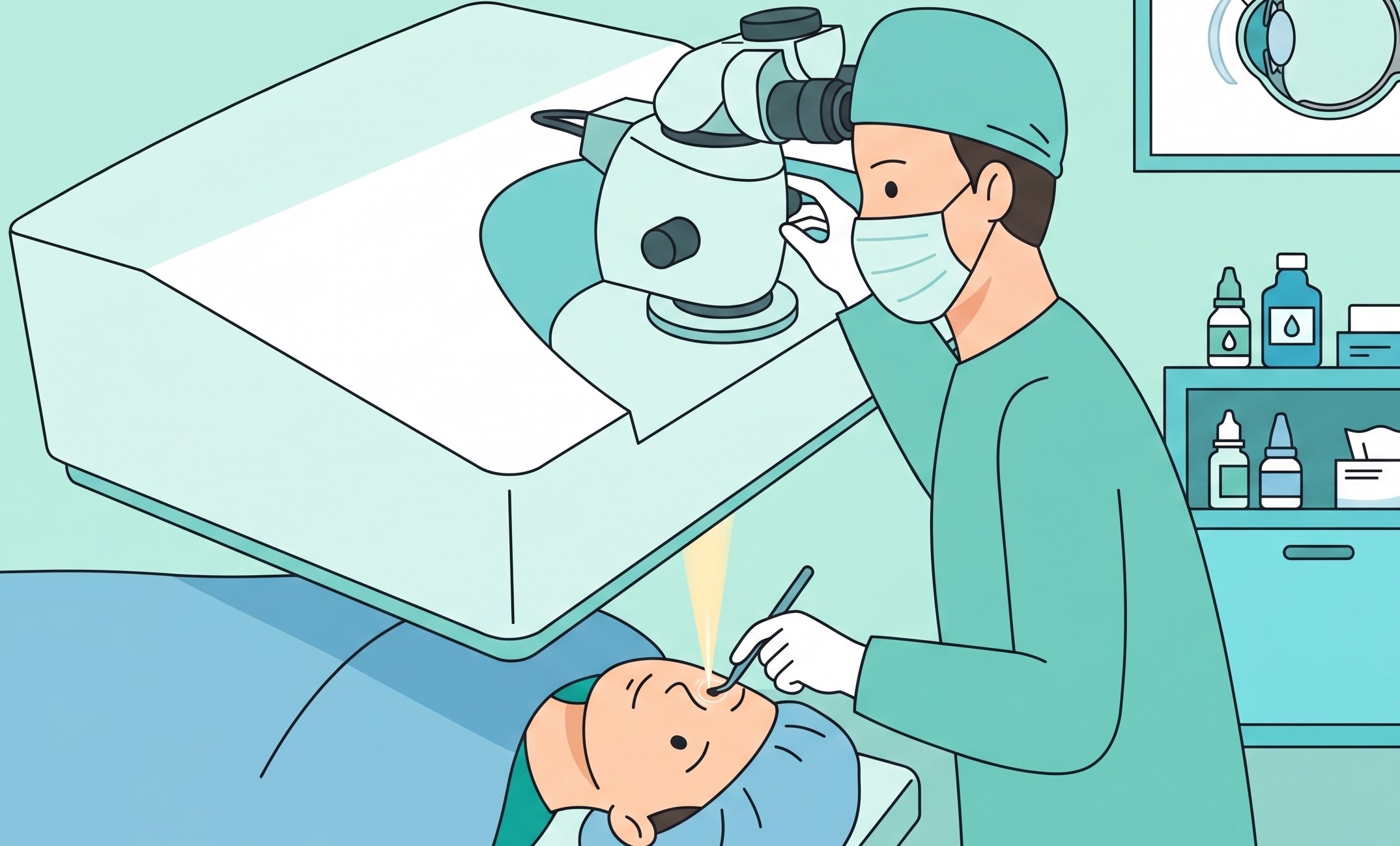
Korea LASIK and SMILE LASIK surgery have become popular options for international medical travelers seeking vision correction with relatively short treatment timelines and internationally recognized ophthalmology clinics. In many cases, foreign patients can complete examinations and surgery on the same day, making Korea a practical destination for short-term medical travel.
This guide explains the major vision correction procedures available in Korea, expected costs, recovery timelines, travel planning considerations, and practical tips for international patients preparing for surgery. Please remember that this guide provides general knowledge and information, and you should always consult with your physician regarding any specific matters.
- Why Choose Korea for Vision Correction?
- Understanding LASIK, SMILE, and LASEK
- Vision Correction Costs in Korea
- The Korean One-Day Surgery Process
- Recovery and Travel Planning
- Preparing Before You Arrive
- After-Surgery Care and Restrictions
- How to Choose a Clinic in Korea
- Frequently Asked Questions
- Related KCulture Medical Travel Guides
Why Choose Korea for Vision Correction?
South Korea is one of the world’s most active markets for refractive eye surgery. Clinics in Seoul, particularly in the Gangnam (강남) area, perform a high volume of LASIK, SMILE, and LASEK procedures each year. This concentration of experience has helped establish Korea as a destination for patients seeking advanced vision correction technology and streamlined treatment systems.
Many ophthalmology clinics registered to treat international patients provide:
- English-speaking coordinators and translators
- Online consultations before arrival
- Same-day examination and surgery schedules
- Digital medical records for follow-up care abroad
- Support with travel planning and accommodation recommendations
📌 Medical Travel Tip: Before making reservations, verify whether the clinic is registered as a foreign patient attraction institution and whether dedicated international patient services are available.
Understanding LASIK, SMILE, and LASEK
The best procedure depends on corneal thickness, prescription strength, dry eye symptoms, occupation, and lifestyle.
| Procedure | How It Works | Recovery Speed | Common Candidates |
|---|---|---|---|
| SMILE / SMILE Pro | Small-incision lenticule extraction using a femtosecond laser | Usually 1-2 days | Travelers seeking fast recovery |
| LASIK | Corneal flap creation followed by laser reshaping | Usually 1-3 days | Patients with suitable corneal thickness |
| LASEK / PRK | Surface treatment without creating a flap | Several days to weeks | Thin corneas, military personnel, contact sports participants |
Among international visitors, SMILE LASIK has become increasingly popular because it generally combines relatively fast recovery with minimal disruption to travel schedules.
Vision Correction Costs in Korea (As of 2026)
Costs vary according to technology, surgeon experience, clinic reputation, and individual eye conditions. The figures below reflect common price ranges observed among major international-patient clinics.
| Procedure | Typical Korea Cost (Both Eyes) | Typical Western Countries Cost |
|---|---|---|
| SMILE / SMILE Pro | USD $1,600–$3,000 | USD $4,000–$6,000 |
| LASEK / PRK | USD $1,000–$1,500 | USD $3,000–$4,500 |
Many Korean clinics include extensive diagnostic testing in the overall package price. However, patients should always confirm:
- Whether pre-operative examinations are included
- Medication and eye-drop costs
- Follow-up appointment fees
- Enhancement surgery policies
- Translation or international patient service charges
The Korean One-Day Surgery Process
One reason vision correction tourism has grown in Korea is the efficiency of the treatment process. The entire protocol is often completed within 3 to 4 hours.
Step 1: Comprehensive Eye Examination (Morning)
Most clinics perform extensive testing that takes 1.5 to 2 hours. This involves over 50 screening parameters, notably including the Avellino corneal dystrophy DNA test, 3D corneal topography, corneal thickness measurement, retinal evaluation, and intraocular pressure testing.
Step 2: Surgeon Consultation (Noon)
Following the examination, a 30-minute consultation takes place. The ophthalmologist reviews the data and recommends the safest procedure. Not every patient qualifies for SMILE or LASIK, and some may be advised to undergo LASEK based on corneal thickness or lifestyle factors.
Step 3: Surgery (Afternoon)
The entire operating-room process usually takes approximately 10 to 15 minutes. The actual laser portion of the procedure is extremely rapid, typically lasting less than 30 seconds per eye.
Step 4: Recovery and Discharge
Patients rest in a recovery room for about 30 minutes before returning to their hotel with post-operative medications, protective eyewear, and care instructions.
💡 Practical Note: Many foreign patients schedule surgery one day after arriving in Korea. This allows time to recover from jet lag and complete pre-operative examinations comfortably.
Recovery and Travel Planning
Recovery requirements differ significantly between SMILE and LASEK.
| Factor | SMILE LASIK | LASEK |
|---|---|---|
| Functional vision recovery | Often within 24 hours (approx. 20/25 vision) | 3 to 5 days |
| Discomfort level | Mild (tearing for 3-4 hours) | Moderate to significant |
| Tourism activities | Usually possible the next day | Strict rest at hotel until protective lens is removed |
| Recommended stay | 3-5 days | 7-14 days or longer |
Flying After Surgery
Most patients undergoing SMILE surgery can fly 1 to 2 days after the procedure, provided they attend the mandatory next-day checkup and the surgeon confirms normal healing. Air travel itself does not usually affect the surgical site, but airplane cabins are extremely dry. Patients must administer preservative-free artificial tears every 15 to 30 minutes during flights.
For LASEK patients, surgeons strictly advise waiting 7 to 14 days, explicitly after the protective contact lens has been clinically removed, before boarding an airplane.
Preparing Before You Arrive
Proper preparation is essential because certain mistakes can delay surgery.
Stop Wearing Contact Lenses
| Lens Type | Recommended Discontinuation Period |
|---|---|
| Soft Contact Lenses | 3-7 days before examination |
| Toric Lenses | At least 2 weeks |
| Hard/RGP Lenses | At least 2 weeks |
Contact lenses temporarily alter corneal shape and will lead to inaccurate surgical measurements, resulting in same-day surgery denial.
Day of Surgery Guidelines
- Clothing: Avoid wearing hooded shirts or hoodies, as the hood can interfere with the headrest of the laser bed.
- Face and Scent: Do not wear eye makeup or apply perfume, as the vapors can disrupt the laser’s calibration and precision.
- Accessories: Bring UV-blocking sunglasses to wear on your way back to the accommodation.
Book Appointments in Advance
Popular clinics often require reservations several weeks ahead. Most offer digital consultations via WhatsApp, LINE, or email to review existing prescriptions prior to your arrival.
After-Surgery Care and Restrictions
Following post-operative instructions is critical for safe healing. Timeframes must be strictly observed:
- Avoid rubbing the eyes: Wear the provided protective eye shields during sleep for the recommended period.
- Washing and Makeup: SMILE patients can do light water-washing the next day, but must avoid heavy eye makeup (mascara, eyeliner) for 1 week. LASEK patients must wait 5 days (after lens removal) to wash their faces.
- Physical Activities: Light walking is fine after 1 week. Swimming pools, saunas, and strenuous contact sports are strictly prohibited for 3 weeks to prevent infection and trauma.
- Alcohol: Consumption of alcohol should be avoided for 2 to 3 weeks to minimize the risk of inflammation.
- UV Protection: Consistently wear sunglasses outdoors to reduce UV exposure and light sensitivity.
How to Choose a Clinic in Korea
Price should not be the only consideration when selecting a provider.
International patients should evaluate:
- Foreign patient registration status
- Availability of multilingual coordinators
- Experience with international patients
- Technology and diagnostic equipment
- Post-operative support options
- Transparency regarding pricing and follow-up care
A useful starting point is the KCulture clinic directory:
📌 Local Insight: Most major vision correction centers serving international patients are concentrated in Seoul’s Gangnam district, where multiple clinics are located within walking distance of major subway stations.
Frequently Asked Questions
Can I get surgery immediately after arriving in Korea?
Yes, many clinics offer same-day examinations and surgery. However, advance reservations and strict compliance with contact lens restrictions are essential.
Do I need to stay in Korea for weeks?
Not necessarily. SMILE patients often complete treatment and follow-up within several days. LASEK patients generally require a longer stay.
Is English support available?
Most clinics specializing in foreign patients provide English-language coordinators, and some also support Chinese, Japanese, Russian, Arabic, and other languages.
Will Korean health insurance cover the procedure?
Vision correction surgery is generally considered elective and is typically not covered by Korean National Health Insurance.
Related KCulture Medical Travel Guides
- Find Clinics in Korea
- Guide to Dental Tourism in Korea: Costs & Consultations
- South Korea Hair Transplant Guide for Foreign Patients
- Top 5 Advanced Medical Treatments in South Korea for Travelers
- Returning Home After Medical Treatment in Korea: What You Need
- Seoul Medical Stay: How to Choose the Best Recovery Housing
- Getting Glasses in South Korea: Costs, Time, & Tips
- Korean Pharmacy Guide: Prescriptions & OTC Meds
- AI Skin Analysis & Personal Color in Korea
Korean Culture portal KCulture.com

The KCulture Editorial Team is dedicated to providing deep insights and accurate information about the vibrant world of Korean culture.