Introduction & Synopsis
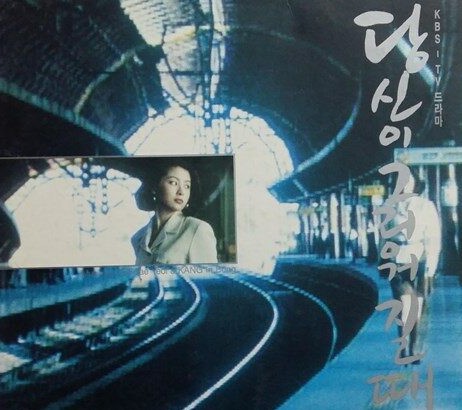
Before the slick thrillers and glossy rom-coms that define today’s Hallyu wave, there was the Korean daily drama—the bedrock of the nation’s television culture. Among the most cherished of this genre is the 1993 KBS1 classic, When I Miss You (당신이 그리워질때). This series is not a story of chaebol heirs or fated lovers, but a deeply realistic and poignant portrait of an ordinary, multi-generational Korean family. The narrative centers on the intricate lives of two daughters-in-law as they navigate the challenges of living with their in-laws, their own marital struggles, and the quiet joys and sorrows of everyday life.
Deep Cultural/Historical Insight: The World of ‘Sijipsari’
To understand When I Miss You is to understand the concept of sijipsari (시집살이). This term, which lacks a direct English equivalent, refers to the often arduous life a woman experiences after marriage while living with her husband’s family. In the early 1990s, Korea was undergoing rapid modernization, yet traditional Confucian family structures remained deeply entrenched. It was common for the eldest son and his wife to live with his parents, where the daughter-in-law was expected to manage the household under the watchful eye of her mother-in-law.
The drama masterfully captures the nuances of this dynamic. It’s a world of unspoken rules, subtle power plays over the preparation of food, and the constant pressure to be a “good” wife and daughter-in-law. For the global audience, the series serves as a vital cultural document, illustrating the societal expectations placed upon women during a transformative period in Korean history. It explores the delicate balance of maintaining tradition while grappling with emerging modern ideals of individuality and the nuclear family.
Narrative Analysis: The Beauty in the Banal
The storytelling genius of When I Miss You lies in its commitment to realism. The conflicts are not melodramatic but are drawn from the mundane realities of cohabitation: disagreements over finances, differing parenting styles, and the friction between family members with clashing personalities. The plot unfolds slowly, mirroring the rhythm of real life. Its power comes not from shocking twists but from the profound empathy it generates for its characters.
The series excels at portraying jeong (정), the deep and complex emotional bond of attachment that ties the family together. Even in moments of intense conflict and frustration, an undercurrent of loyalty and affection persists. The drama suggests that family is not just about love, but also about endurance, sacrifice, and the difficult process of understanding one another. It’s a masterclass in slice-of-life narrative that finds compelling drama in the quietest moments.
The Pulse of the Time: A Nation’s Evening Ritual
When it aired, When I Miss You was more than just a TV show; it was a cultural touchstone. As a KBS1 daily drama, it broadcast every weekday evening, becoming a fixture in households across South Korea. It achieved staggering viewership ratings, often captivating over 40% of the national audience. Families would gather to watch, seeing their own lives, struggles, and aspirations reflected on screen. The characters’ dilemmas became a topic of public conversation, making the series a true mirror of its time. Its immense popularity cemented its status as a definitive “people’s drama” of the 1990s.
Cast Spotlight: Embodying a Generation
The drama’s authenticity was anchored by its impeccable cast. At the heart of the family were the parents, portrayed by veteran actor Kim Se-yoon and the legendary, late Kim Ja-ok. Kim Ja-ok, in particular, delivered a nuanced performance as the mother-in-law, skillfully avoiding caricature to present a woman who was at once demanding, vulnerable, and deeply loving.
The younger generation was brought to life by a trio of stars. Choi Myung-gil and Park Ji-young gave grounded, relatable performances as the two very different daughters-in-law, perfectly capturing the spectrum of emotions involved in sijipsari. Song Ki-yoon played one of the husbands, effectively portraying a man caught between his loyalty to his parents and his devotion to his wife—a common predicament for men of his generation. Together, the ensemble created a believable and unforgettable family unit.
Global Viewing Guide
For fans looking to explore this foundational classic, the best source is the official broadcaster’s archive channels, as many older daily dramas are not widely licensed on commercial streaming platforms.
- KBS Classic/Archive YouTube: The official KBS YouTube channels (such as KBS Archive or KBS Classic) are the most reliable sources for full episodes of their classic dramas. Subtitles may be limited, but they remain the primary gateway for international fans to access these heritage titles.
Final Verdict
When I Miss You is essential viewing for anyone interested in the social history of modern Korea and the origins of K-drama storytelling. It is a warm, insightful, and profoundly human series that reminds us that the most compelling stories are often the ones that feel closest to our own. It’s a rewarding journey back in time, offering a window into the heart of the Korean family.

The KCulture Editorial Team is dedicated to providing deep insights and accurate information about the vibrant world of Korean culture.