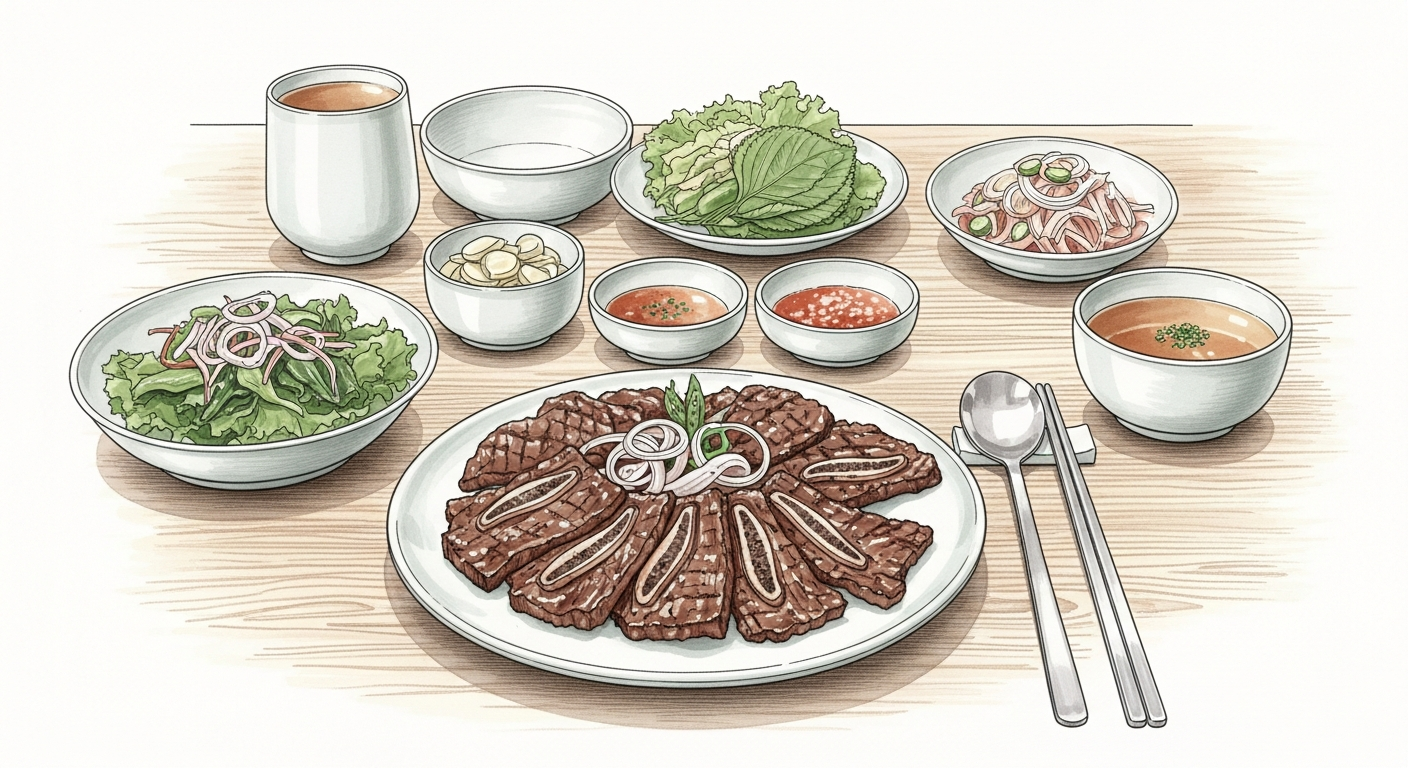
An Introduction to a Korean Culinary Treasure
When you think of Korean BBQ, a sizzling grill loaded with succulent, perfectly marinated meat is likely the first image that comes to mind. At the heart of this beloved dining experience is Yangnyeom-galbi, the undisputed king of marinated ribs. Whether made with tender beef (so-galbi) or flavorful pork (dwaeji-galbi), this dish is a cornerstone of Korean celebratory meals. Koreans often gather with family and friends to grill Yangnyeom-galbi for special occasions like birthdays, anniversaries, or company dinners, filling the air with a sweet, smoky aroma that promises a memorable feast. The flavor profile is a masterful blend of “dan-jjan” (단짠), the iconic Korean sweet and savory combination, making it an instant favorite for both locals and international food lovers.
Ingredients & Flavor Profile
Key Ingredients
The star of the show is, without a doubt, the ribs. The dish can be prepared using either of these high-quality cuts:
- Beef Short Ribs (So-galbi): Known for their rich marbling and incredibly tender texture when cooked.
- Pork Ribs (Dwaeji-galbi): Offers a slightly chewier, robustly flavorful experience that holds the marinade beautifully.
The ribs are typically “butterflied,” or scored with a diamond pattern, which not only looks beautiful but also allows the marinade to penetrate deep into the meat, ensuring every bite is bursting with flavor.
The Secret of Taste
The magic of Yangnyeom-galbi lies in its complex and perfectly balanced marinade. The seasoning is a symphony of classic Korean flavors working in harmony:
- Soy Sauce (Ganjang): Provides the deep, savory, umami foundation for the sauce.
- Sugar & Onion Juice: These ingredients introduce a natural, multi-layered sweetness that caramelizes beautifully on the grill, creating a delicious char without being overly sugary.
- Garlic & Ginger: Aromatic powerhouses that add a pungent, zesty kick, cutting through the richness of the meat and brightening the overall flavor.
This marinade doesn’t just coat the meat; it tenderizes it, transforming the ribs into a melt-in-your-mouth delicacy.
Dietary Information (Vegetarian/Allergy)
As the primary ingredient is beef or pork ribs, Yangnyeom-galbi is not a vegetarian dish. It is a meat-centric meal by definition.
Safety Tip: While the main dish is clearly meat-based, if you have other dietary restrictions, it’s always wise to ask restaurant staff about hidden ingredients in the accompanying side dishes (banchan), which can sometimes contain fish sauce or shrimp paste.
How It’s Cooked and Served
The preparation of Yangnyeom-galbi is a labor of love that begins long before the meat hits the grill. First, premium quality ribs are carefully cleaned and scored. They are then submerged in the signature soy-based marinade and left to rest for at least six hours, though many chefs insist on a full day to achieve maximum flavor infusion and tenderness. The final and most exciting step happens right at your table. The marinated ribs are laid out on a sizzling charcoal brazier or tabletop gas grill. The key to perfection is constant attention; the ribs must be flipped frequently to cook them evenly and create a perfect caramelized crust without burning the sweet marinade. The sound and smell of the grilling meat is an essential part of the authentic Korean BBQ experience.
This is a standard method based on general recipes. Every restaurant has its own secret twist and unique style!
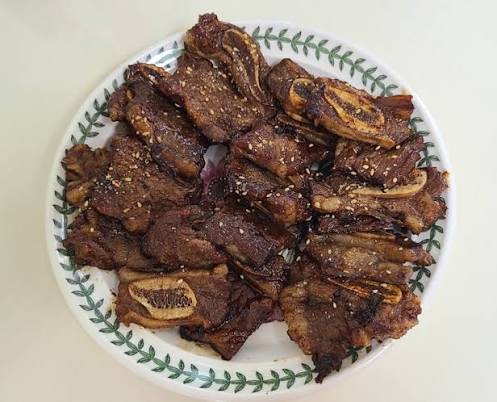
Nutritional & Health Benefits
While an indulgent treat, Yangnyeom-galbi also offers some notable health benefits derived from its core ingredients.
- High-Quality Protein: Beef and pork ribs are excellent sources of complete protein, which is crucial for building and repairing muscle, maintaining energy levels, and overall bodily function.
- Immune-Boosting Aromatics: The generous use of garlic and onion, both part of the allium family, provides compounds like allicin, which are known for their immune-boosting and anti-inflammatory properties.
- Digestive Aid: Ginger, a key component of the marinade, has long been celebrated in traditional medicine for its ability to aid digestion and soothe the stomach, helping to balance the richness of the meat.

The KCulture Editorial Team is dedicated to providing deep insights and accurate information about the vibrant world of Korean culture.