Introduction & Synopsis
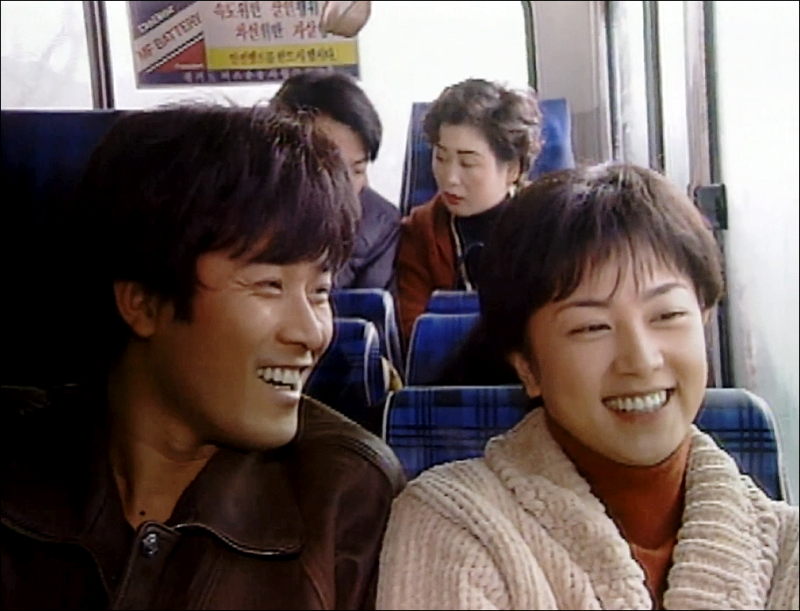
Long before the global streaming era, certain television shows had the power to bring an entire nation together. One such pillar of Korean pop culture is Daughters of a Rich Family (딸부잣집), the quintessential weekend family drama. At its heart, the story is a warm, chaotic, and deeply relatable portrait of a multi-generational family led by Kwon Hyeok-ju, a widowed and affectionate dentist father. Living alongside his strict retired father and eccentric younger sister, his everyday challenge revolves around navigating the lives, careers, and tumultuous love stories of his five uniquely headstrong daughters. Aired in 1994 on KBS2, this drama is more than just a story; it’s a vibrant snapshot of a pivotal moment in Korean modern history.
Deep Cultural/Historical Insight
To understand the immense impact of Daughters of a Rich Family, one must understand the cultural significance of its title. “Ttal-buja” (딸부자) translates to “rich in daughters.” In a society that for centuries operated on Confucian principles prioritizing sons to carry on the family name, this phrase was traditionally used with a hint of commiseration. This drama, however, embraced the term as a celebration. It presented a household bursting with female energy, intelligence, and ambition as a source of wealth and joy, a progressive stance for the time.
Set in the mid-1990s, the series captures South Korea during a period of economic optimism, just before the 1997 Asian Financial Crisis. This backdrop allowed for stories focused on domestic life, generational clashes, and the pursuit of happiness. The central conflict is universal yet culturally specific: a devoted single father and grandfather attempting to guide the daughters through life and marriage, while the younger generation grapples with modern ideals of career, romantic love, and self-determination. It masterfully portrays the push-and-pull between tradition and modernity that defined a generation.
Narrative Analysis
The genius of Daughters of a Rich Family lies in its simple yet profound narrative structure. Each of the five daughters represents a different facet of womanhood in 1990s Korea. From the career-driven eldest daughter Il-ryeong to the spirited twin youngest daughters Woo-ryeong and So-ryeong, their individual storylines explore themes of filial duty, modern career ambitions, international romance, and marital challenges. The storytelling eschews shocking twists for the slow-burn satisfaction of character development. Conflicts arise from misunderstandings and generational gaps, but they are almost always resolved through communication and the unbreakable bond of family, a concept deeply rooted in the Korean sentiment of “jeong” (정)—a powerful, complex form of affection and attachment.
The Pulse of the Time
It is difficult to overstate how popular this drama was in Korea. It was a cultural event. As a weekend drama, it became appointment television for families across the country, achieving sky-high viewership ratings that few series can dream of today. The show didn’t just entertain; it sparked national conversations about family, marriage, and the changing roles of women. Its success solidified KBS’s reputation for producing high-quality family dramas and created a template for the genre that has been emulated for decades since.
Cast Spotlight
The show’s enduring legacy is inseparable from its pitch-perfect ensemble cast, who brought this large household to life with incredible authenticity.
- Kim Se-yoon as Kwon Hyeok-ju: As the widowed dentist father, Kim Se-yoon delivered a masterful, relatable performance. He embodied a loving 1990s Korean father caught between his authoritarian father and progressive daughters, earning widespread critical acclaim and acting awards for his heartwarming portrayal.
- Jeon Woon as Kwon Chi-deok & Yang Hee-kyung as Kwon Ok-ja: Veteran actor Jeon Woon played the strict, principled grandfather holding traditional family values, while Yang Hee-kyung shined as the outspoken, comedic aunt providing endless energy and humor to the household.
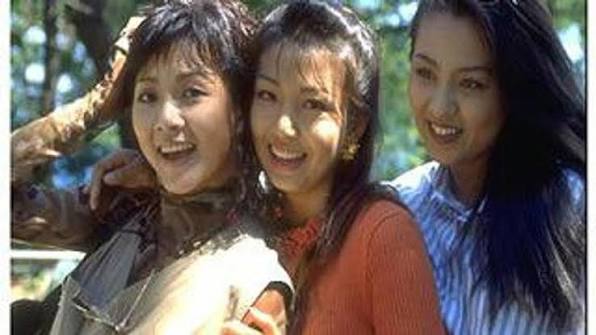
- The Five Daughters (Lee Hwi-hyang, Ha Yoo-mi, Jeon Hye-jin, Byun So-jung, Lee Ah-hyun): The five dynamic sisters were portrayed with immense charm. Notably, newcomer Lee Ah-hyun made a sparkling television debut as the musical-aspiring youngest daughter Kwon So-ryeong, while Kim So-yeon also left a strong impression in her early breakthrough role as the rebellious high schooler Nam Hye-ri.
Global Viewing Guide
For international fans looking to explore the roots of modern K-Drama, finding this classic is a rewarding experience. Here are the most likely platforms:
- KBS World / KBS Archive YouTube: Official broadcaster channels regularly stream and upload classic archived KBS dramas with multi-language subtitle support.
- Kocowa: This streaming service, a joint venture by major Korean broadcasters including KBS, is a primary destination for classic and contemporary shows.
Final Verdict
Daughters of a Rich Family is more than a nostalgic trip back in time; it’s a foundational text in the history of Korean television. It offers a warm, humorous, and insightful look into the family dynamics and social transitions that shaped 1990s Korea. If you want to understand where the modern K-drama family genre originated, this beloved classic remains an essential and heartwarming watch.

The KCulture Editorial Team is dedicated to providing deep insights and accurate information about the vibrant world of Korean culture.